

Hunger & The Strait
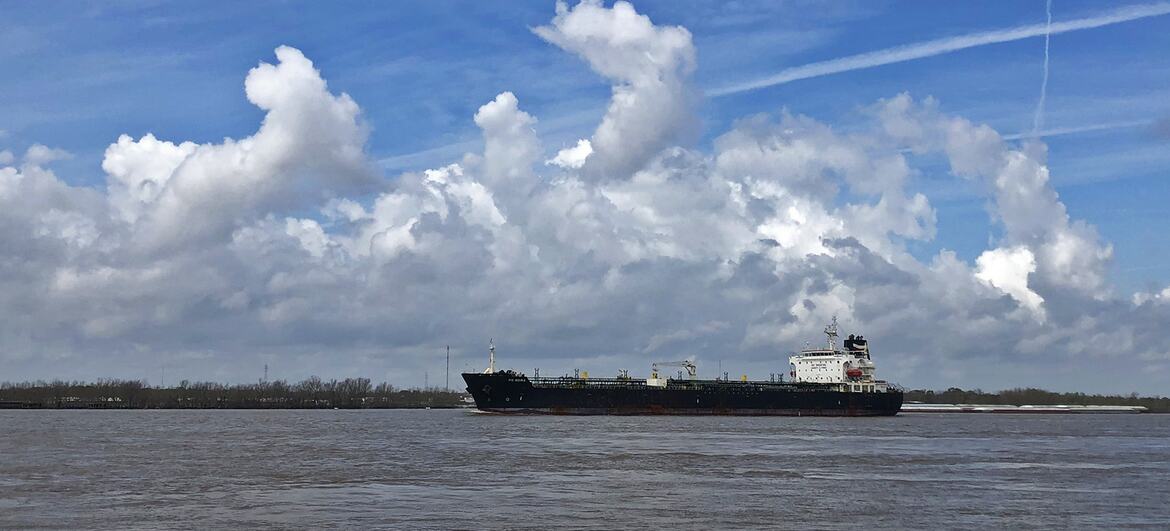
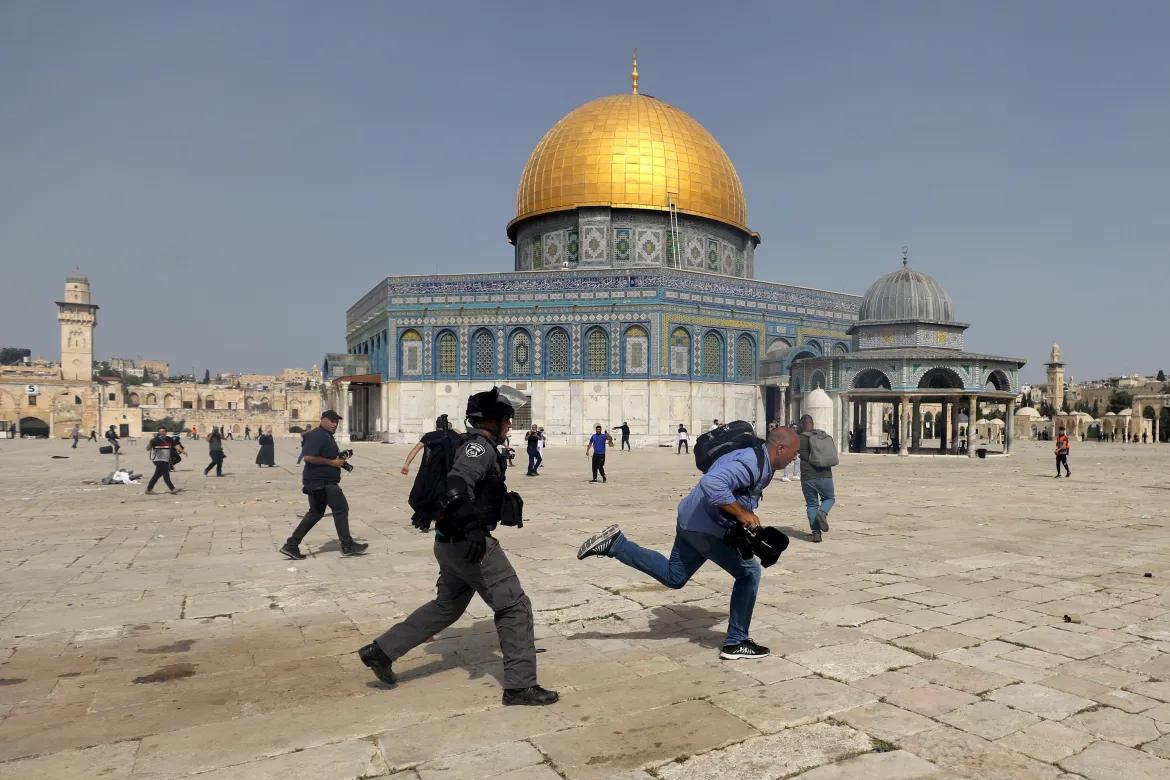
UN News/Daniel Dickinson. The closure of the Hormuz strait is impacting trade on a global scale.
The war in the Persian Gulf has become, in the words of FAO Chief Economist Máximo Torero, “one of the most rapid and severe disruptions to global commodity flows in recent times.” Speaking to journalists at UN Headquarters in New York on 26 March 2026, Torero warned that the consequences for global food security could be catastrophic if a solution is not found quickly.
A near-total halt of tanker traffic in the Strait of Hormuz has disrupted the supply of fuel and essential fertilizers. The Fertilizer Institute (TFI) noted that nearly 50 per cent of global urea and sulfur exports, as well as 20 per cent of global liquefied natural gas, transit through the strait. A quarter of the world’s fertilizer supply passes through the Strait of Hormuz, “which is now at a virtual standstill,” according to the UN World Food Programme, which has seen its shipping costs rise 18 per cent since the war began.
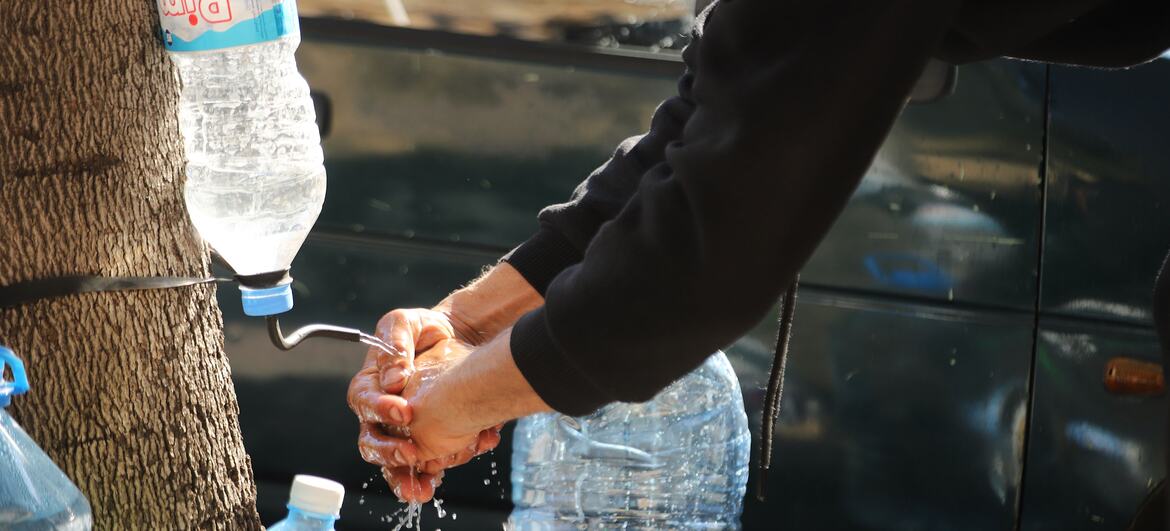
Farmers globally face what Torero called “a double shock,” with rising costs for both fuel and fertilizer threatening the coming planting season. If the disruption lasts three months or more, reduced crop yields could spill into competition from the biofuel sector, pushing consumer prices higher. Countries most at immediate risk include Sri Lanka and Bangladesh, where rice harvests are underway, and African nations that depend on fertilizer imports. Water is also a concern: Iranian attacks have targeted desalination plants across the Gulf, upon which 100 million people depend for drinking water.
The Gulf’s 24 million migrant workers, many from South Asia and East Africa, face the additional threat of declining remittances if the conflict continues. Torero called urgently for alternative maritime routes, emergency balance-of-payment support for import-dependent nations, and the diversification of fertilizer supplies. “We need to treat food systems with the same strategic importance as energy and transport sectors,” he said. The clock, as he put it, “is ticking very hard.”
Sources: FAO/UN News, 26 March 2026; WFP; Council on Foreign Relations, 13 March 2026; World Economic Forum, March 2026.
A War Spiralling Out of Humanitarian Law Control
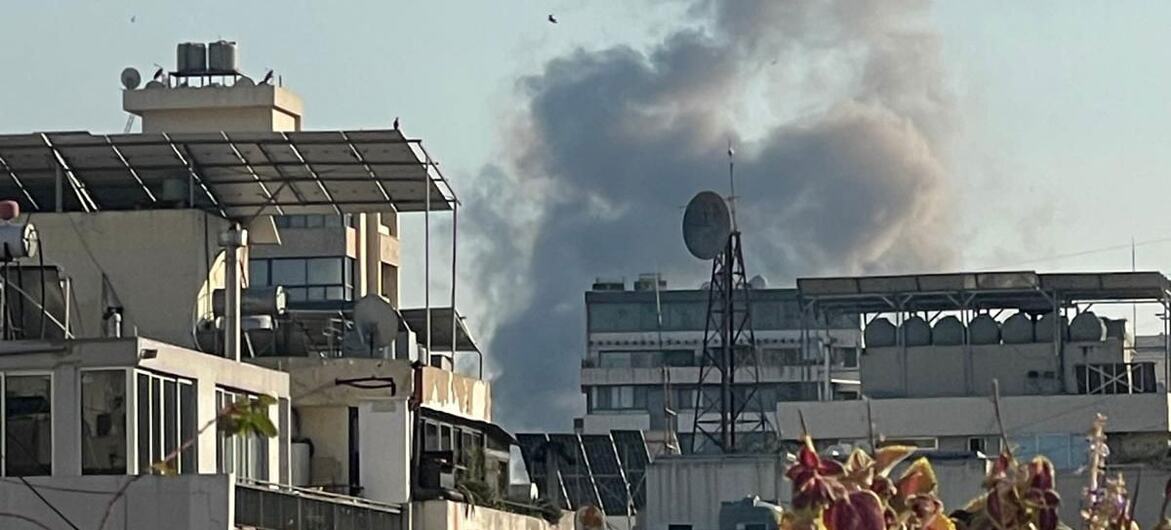
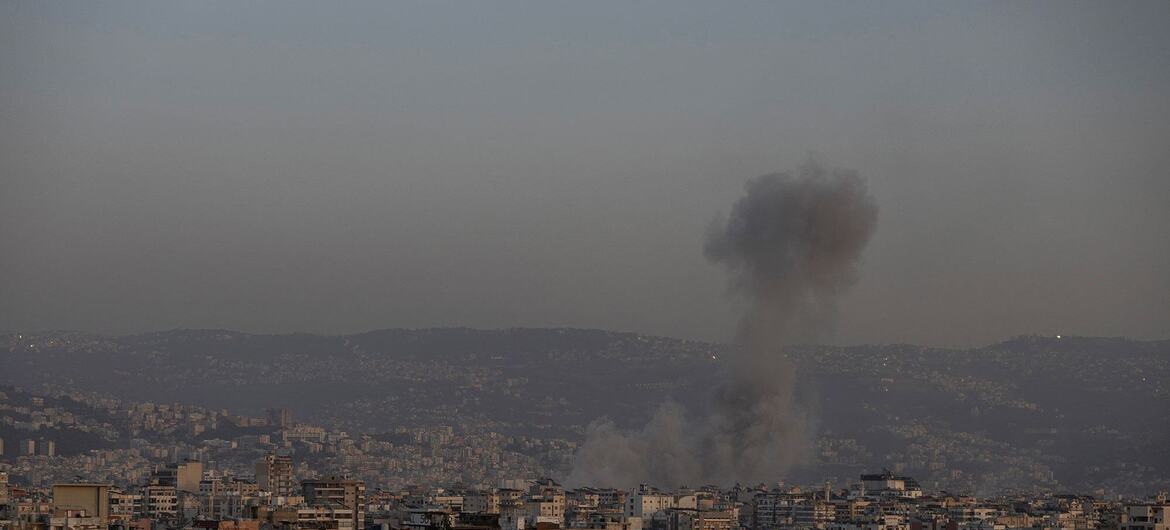
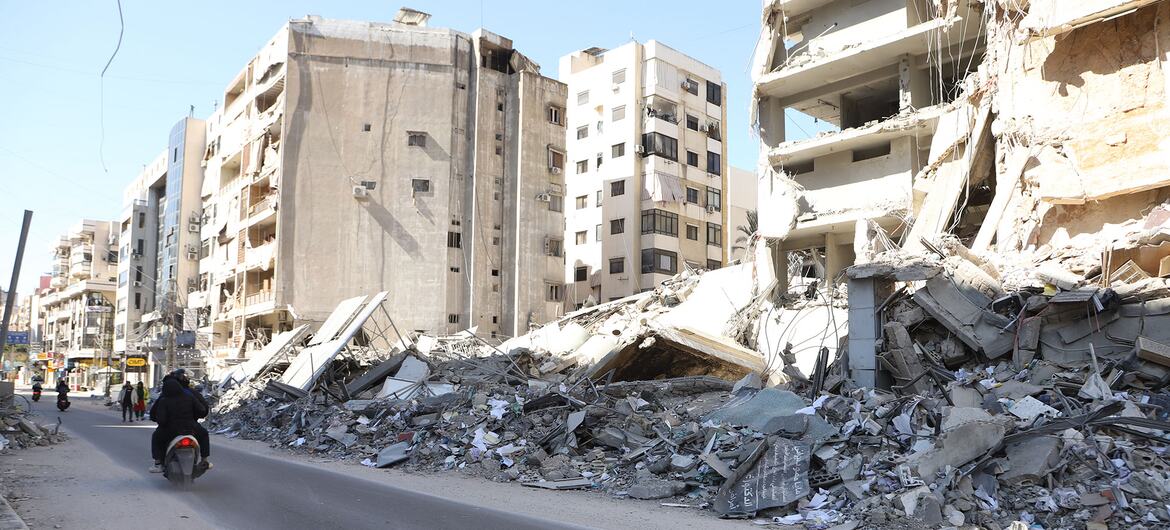
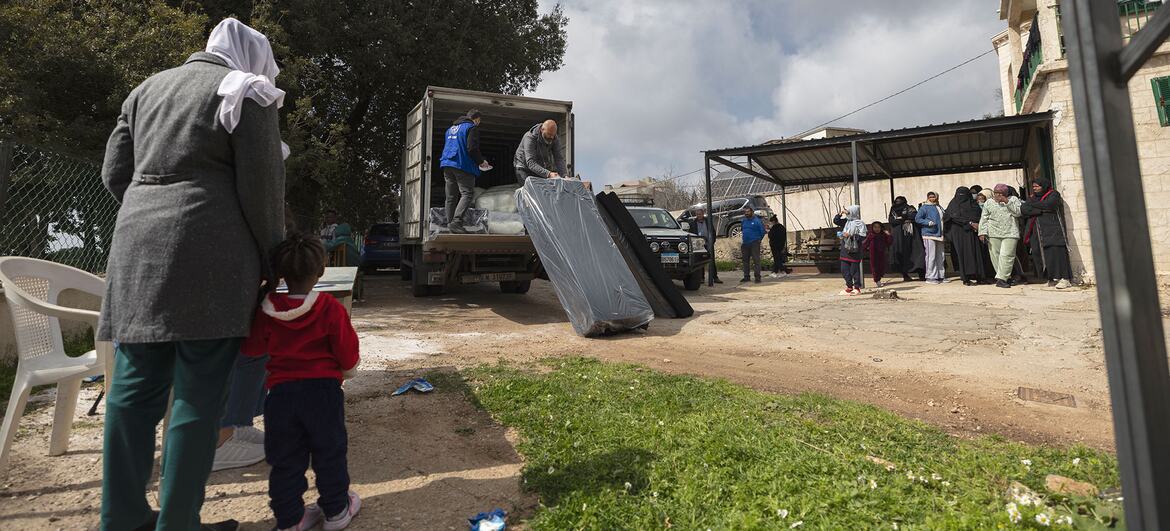
Strikes on Iran by the US and Israel have left more than 82,000 civilian structures damaged or destroyed, according to the Iranian Red Crescent Society.
Left Behind: The Global Education Crisis
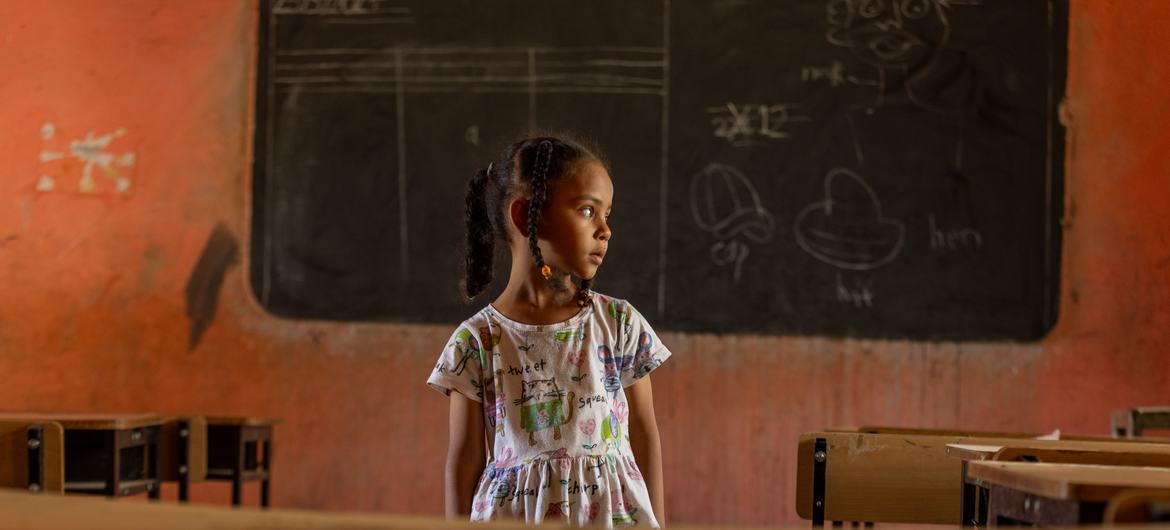
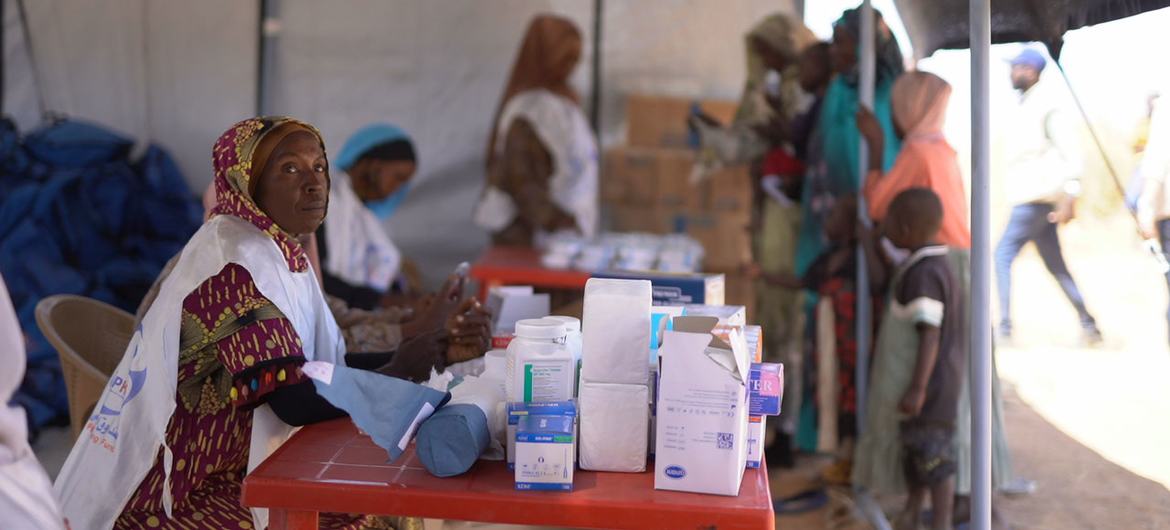
Progress since 2015 has slowed across nearly every region, with sub-Saharan Africa especially hard hit. In conflict zones, official figures almost certainly undercount the true scale of...



Our Network
Our Channels

© 2026 Al Jazeera Media Network. All rights reserved.