

Human Rights Risks Are Profound
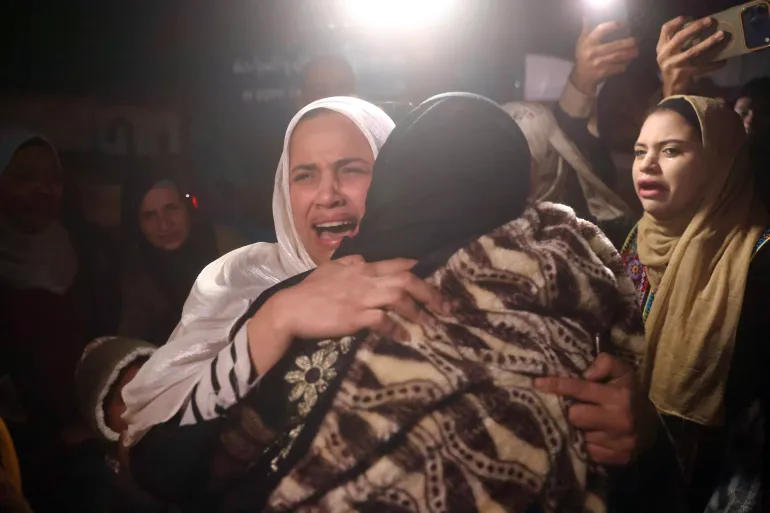
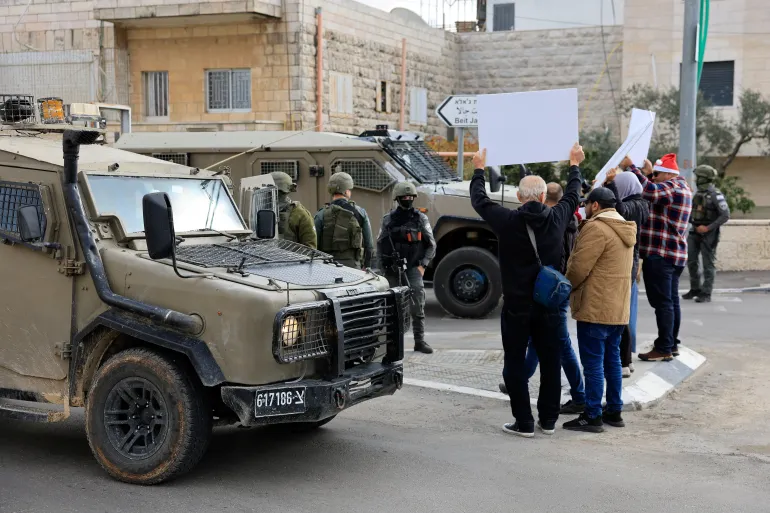
Archive/Al Jazeera
.
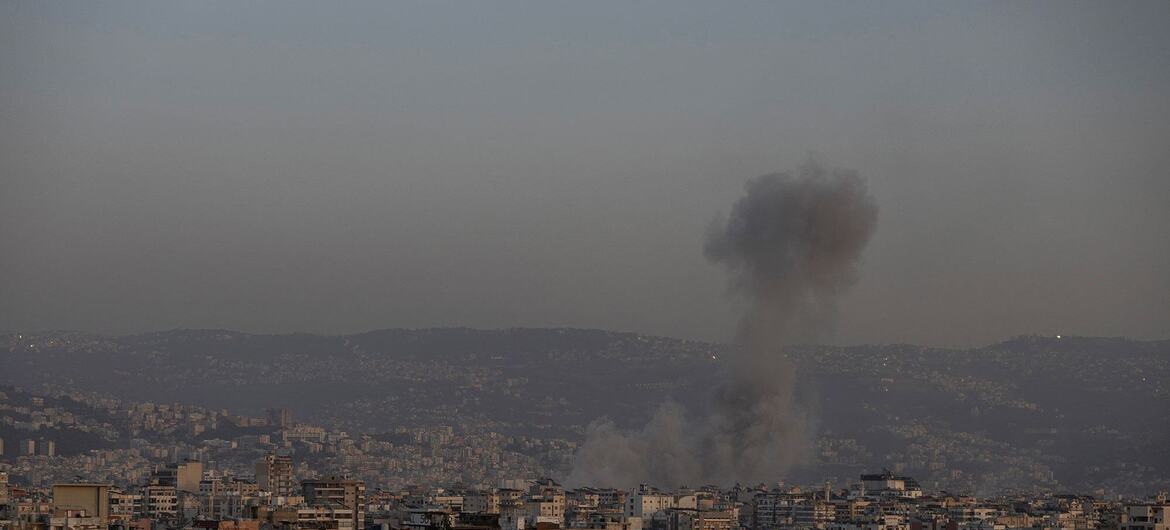
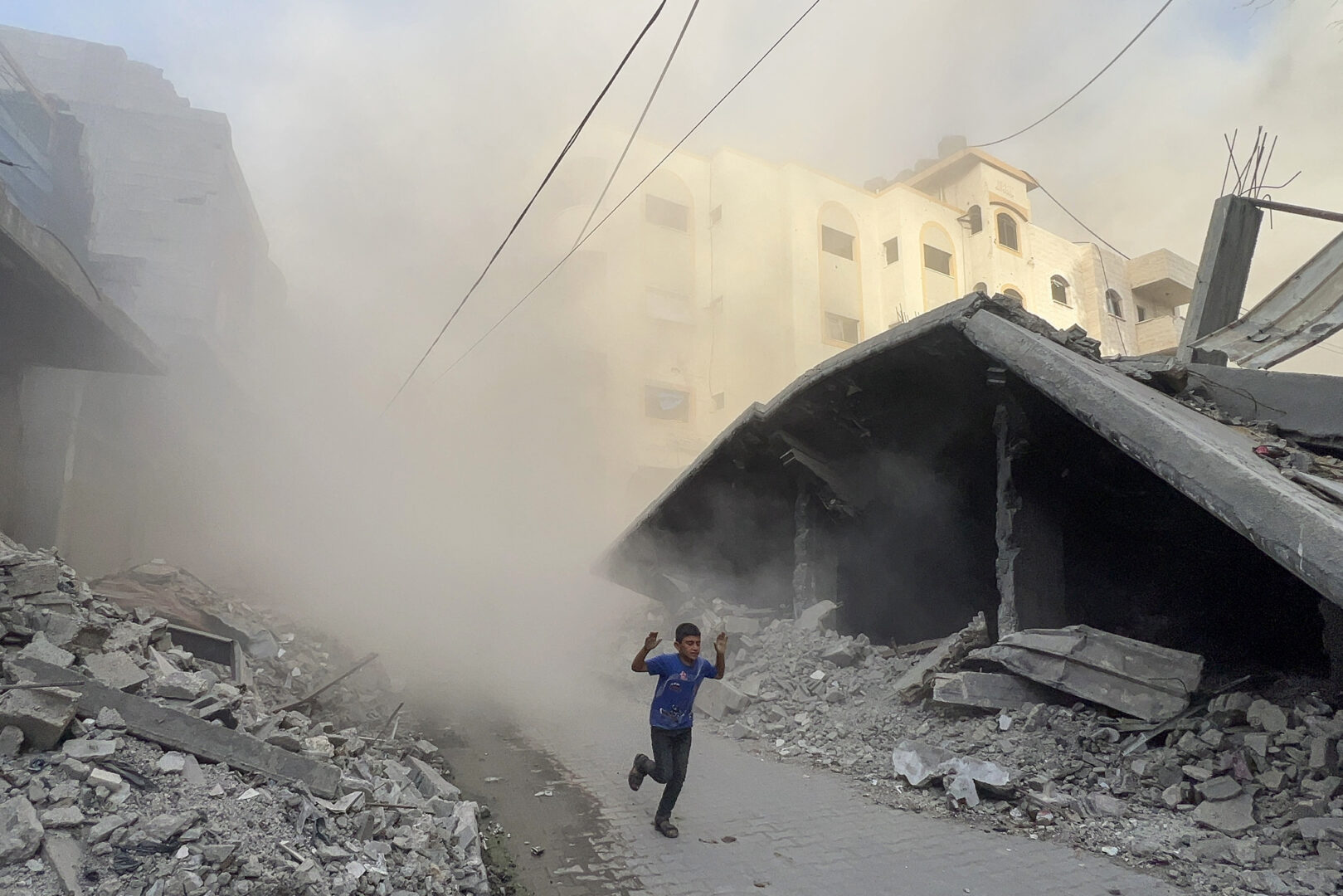
On 28 February 2026, Israel’s COGAT agency reported the closure of crossings into the Gaza Strip, including Rafah, halting humanitarian movements and patient evacuations as Israeli and US forces struck Iran and the wider region, Reuters reported (COGAT statement, Reuters, 28 Feb 2026). The closure came after Rafah was briefly reopened in early February to allow limited evacuations and aid and follows repeated UN warnings that restrictions have previously produced acute shortages of food, medicine, and reconstruction supplies. Human Rights Watch and UN agencies have catalogued impediments to lifesaving deliveries through February 2026.
The immediate humanitarian consequence is predictable: hospitals strained by casualties from months of conflict, interrupted supply lines, and growing public health risks, particularly to displaced populations in overcrowded shelters. Legally, collective punishments through impeded aid could violate international humanitarian obligations. The closure also compounds wider regional displacement and the political risk that aid denials will radicalise perceptions and harden obstacles to a negotiated ceasefire. Restoring crossings with guarantees for civilian protection and independent monitoring is urgent.
Sources: Reuters, “Israel closes Gaza crossings,” 28 Feb 2026; COGAT statement, 28 Feb 2026; Human Rights Watch and UN reports, Feb 2026
Words That Kill …
Officials from the United States, Iran, and Israel are using rhetoric that signals dangerous contempt for the laws of war. The civilians caught in between will pay the price.
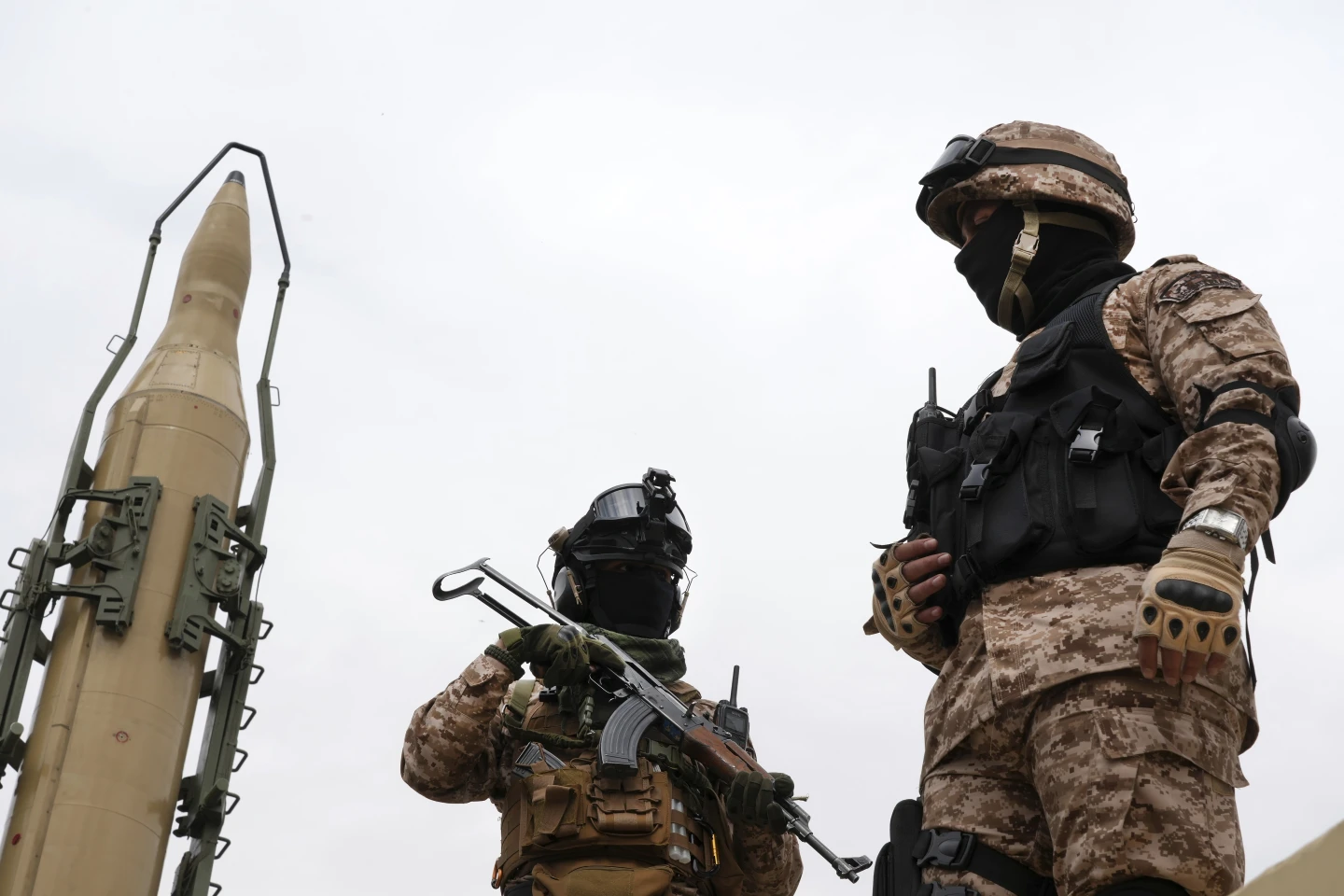
Iran War/Twelve Years Old and Fit for Duty!
Iran’s Revolutionary Guards are recruiting children as young as 12. Under international law, enlisting those under 15 is a war crime.




Our Network
Our Channels

© 2026 Al Jazeera Media Network. All rights reserved.