
Human‑Rights Implications are Immediate, as War spills Across the Middel East
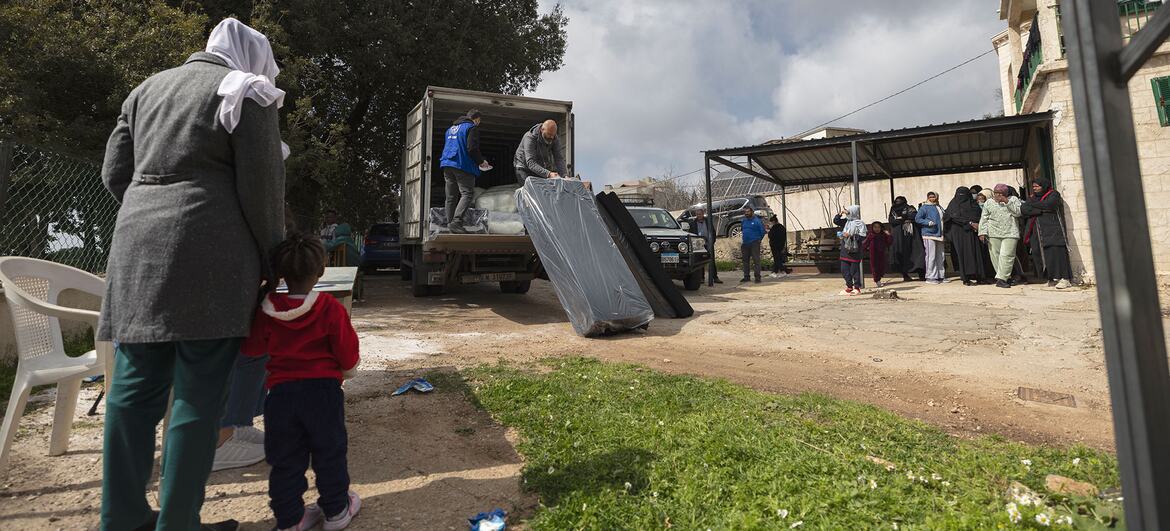
© IOM Mattresses are distributed to families in Lebanon by the UN migration agency, IOM.
The World Health Organization announced on March 15, 2026, that it would release a further $2m in emergency funding to buttress overstretched health systems in Lebanon, Iraq and Syria, as strikes by the US and Israel on Iran and reciprocal Iranian attacks widen the damage across the region (WHO, 15 March 2026). The sum, drawn from donor contributions, targets emergency coordination, trauma care, disease surveillance and the supply chain for essential medicines, the agency said, stressing the acute collision between rising casualties and mounting assaults on healthcare infrastructure.
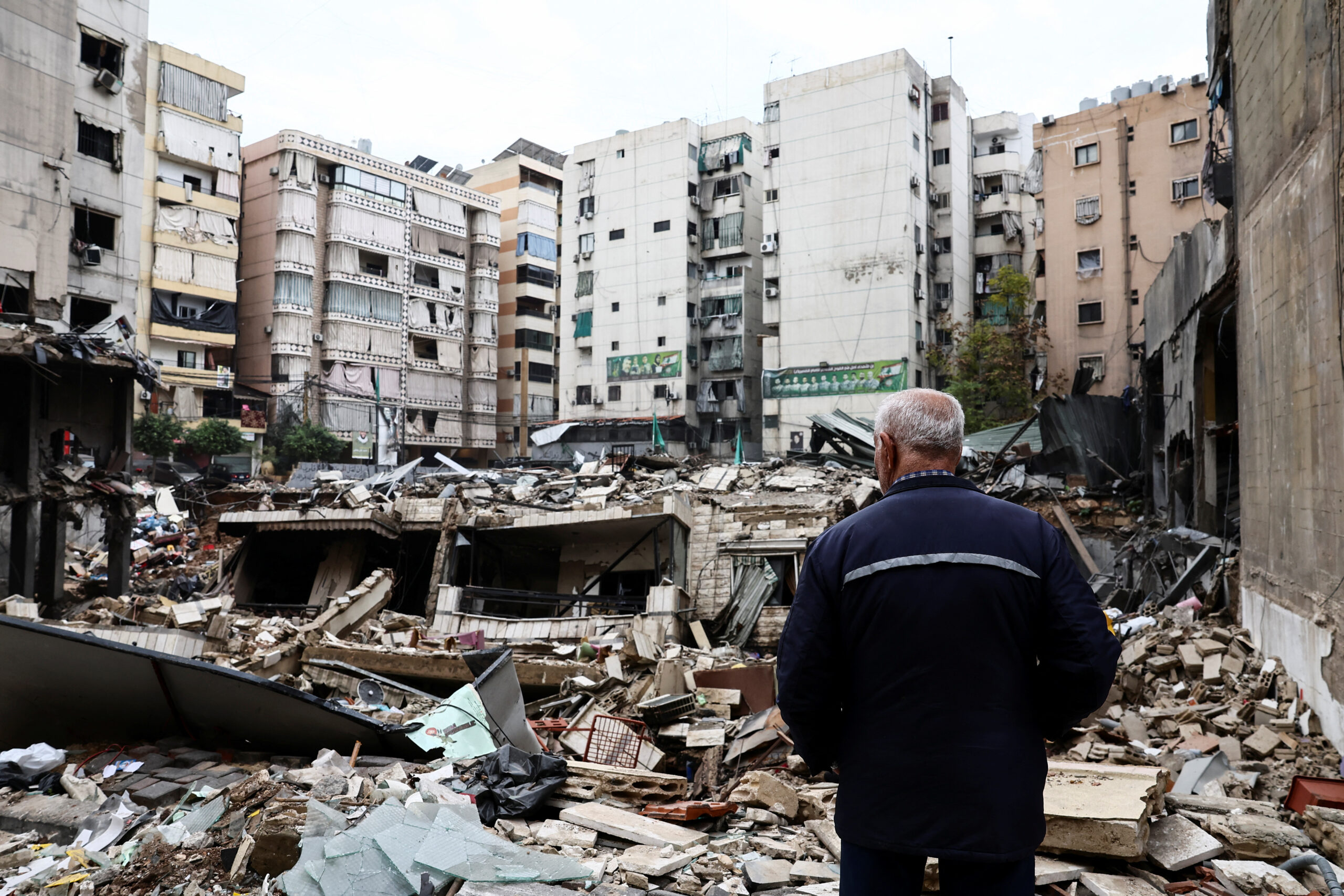
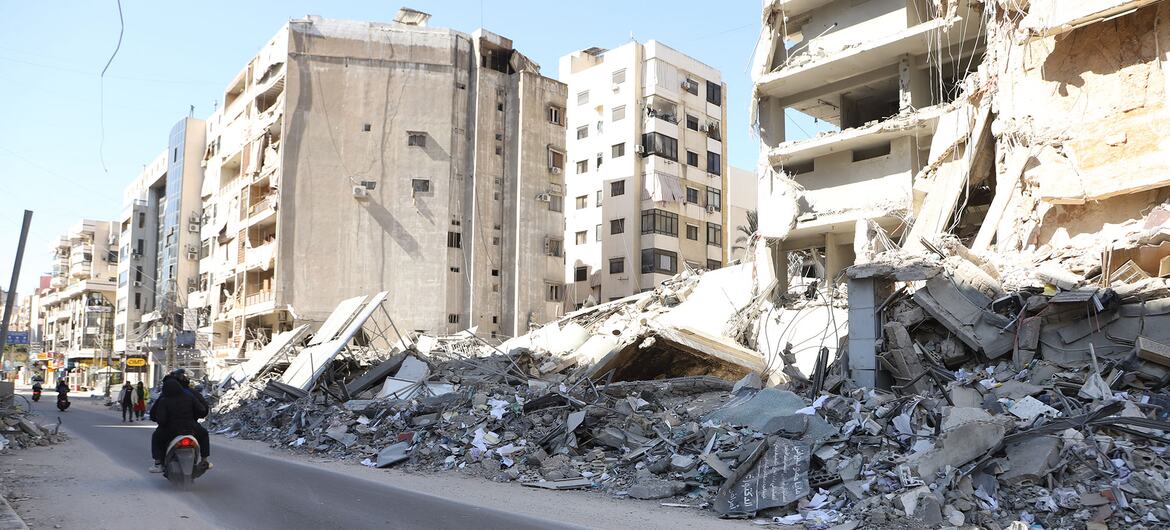
Lebanon’s hospitals are bearing the brunt. Renewed cross-border exchanges between Hezbollah and Israeli forces have led to mass casualties and attacks on medical personnel, with WHO director‑general Tedros Adhanom Ghebreyesus decrying the reported killing of 14 health workers in southern Lebanon over 24 hours as a “tragic development” (WHO tweet, Tedros, 15 March 2026). UN regional health officials warn that the cumulative effect of strikes, population displacement—more than 800,000 internally displaced in Lebanon according to the UN Secretary‑General’s visit—and pre‑existing cuts to aid is pushing clinical services to the brink (UN, Guterres visit, March 2026).
Iraq and Syria are under parallel strain. WHO reported targeted allocations to Iraq for mass casualty management and coordination, supported by a $500,000 US contribution, and $500,000 to Syria for life‑saving medicines and surveillance for displaced populations (WHO, 15 March 2026). All three systems were already operating with shortfalls: WHO’s 2026 regional appeal required $633m and was only 37% funded as of March (WHO financial report, March 2026).
Security for responders is deteriorating. UN peacekeepers in southern Lebanon (UNIFIL) came under fire on multiple patrols near Yatar, Dayr Kifa and Qallawiyah, with missions returning fire in self‑defence; the mission emphasised that attacks on UN personnel violate Security Council Resolution 1701 (UNIFIL statement, March 2026). The effect is chilling: medical teams and humanitarian convoys face greater risk, and hospitals—already short of staff, supplies, and functioning infrastructure—are increasingly reluctant to operate in exposed zones.
Human‑rights implications are immediate. Deliberate or reckless attacks on healthcare, in violation of international humanitarian law, compound civilian suffering and may constitute war crimes where patterns of assault emerge. The WHO funding is a vital triage, but it does not substitute for protective measures, independent monitoring, or urgent political steps to spare civilians and medical services. Donors and states must couple humanitarian cash with pressure to respect medical neutrality, restore access corridors, and ensure accountability for attacks on health facilities (WHO, UN, 15 March 2026).
Sources: WHO public statements and funding note, 15 March 2026; Tedros social media posts, 15 March 2026; UNIFIL incident statement, March 2026; UN Secretary‑General remarks during Lebanon visit, March 2026.
Civilian Rights Under Military Pressure
The protection of civilians during armed conflict rests on a century-old body of International Humanitarian Law (IHL), anchored by the Geneva Conventions and the principle of distinction, which...
America’s Cluster Munition Problem
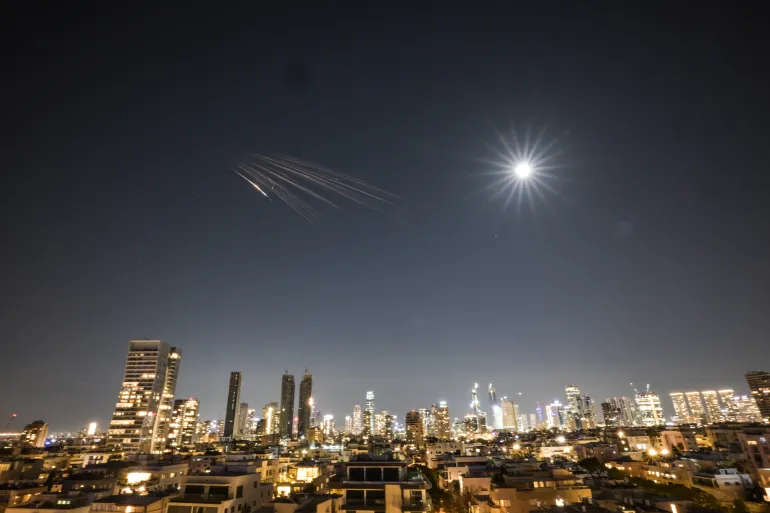
When a US admiral condemned Iran’s weapons conduct, reports pointed out the obvious difficulty: Washington has a cluster munition policy of its own that it has yet to resolve.


Our Network
Our Channels

© 2026 Al Jazeera Media Network. All rights reserved.