

Hong Kong’s Courts Miss a Chance to Restore Credibility, and Justice
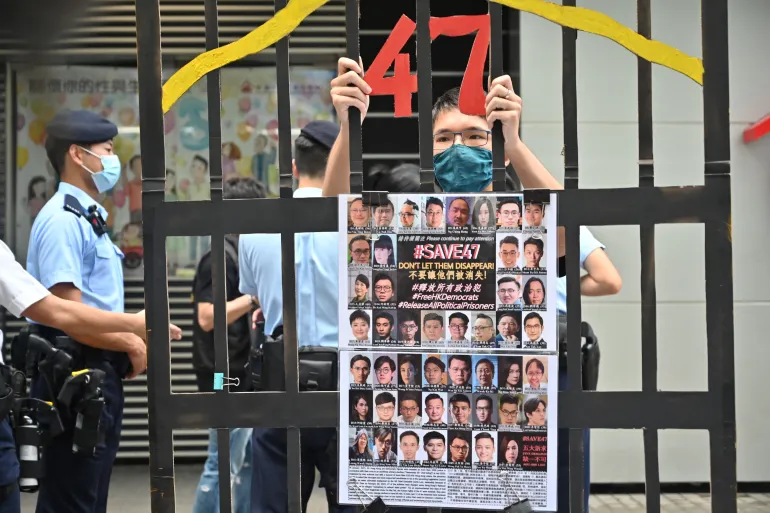
Archive/Al Jazeera.
The Hong Kong Court of Appeal’s dismissal on 23 February 2026 of appeals by 12 defendants from the “Hong Kong 47” prosecutions deepens the city’s reputational crisis and illustrates how national security law architecture is now being used to criminalize routine politics (Court of Appeal decision, 23/02/2026). What began as self-organised primaries for a postponed 2020 Legislative Council election has been treated as “conspiracy to commit subversion”, a charge that international human rights law reserves for demonstrable threats to state survival, not electoral manoeuvres (National Security Law, June 2020).
Amnesty International, among others, argues the case is politically motivated and that new Safeguarding National Security Ordinance measures, commonly dubbed Article 23 and introduced in 2024, have been applied retroactively to deny early release and intensify punishment (Amnesty International statement, 23/02/2026). The judiciary’s failure to overturn convictions forecloses a vital corrective at a moment when public confidence in Hong Kong’s rule of law is waning.
The human rights implication is stark, and systemic: when the criminal law is used to suppress peaceful expression, the political marketplace of ideas is emptied, and minority protections erode. International observers should press for transparent, independent review mechanisms, unconditional release of persons convicted for peaceful political activity, and immediate repeal or narrow reinterpretation of measures that allow retroactive penal severity (Amnesty, UN human rights commentary, 2024–2026).
Sources: Hong Kong Court of Appeal ruling, 23 February 2026; Amnesty International statements, 23 February 2026; Hong Kong Safeguarding National Security Ordinance, 2024.
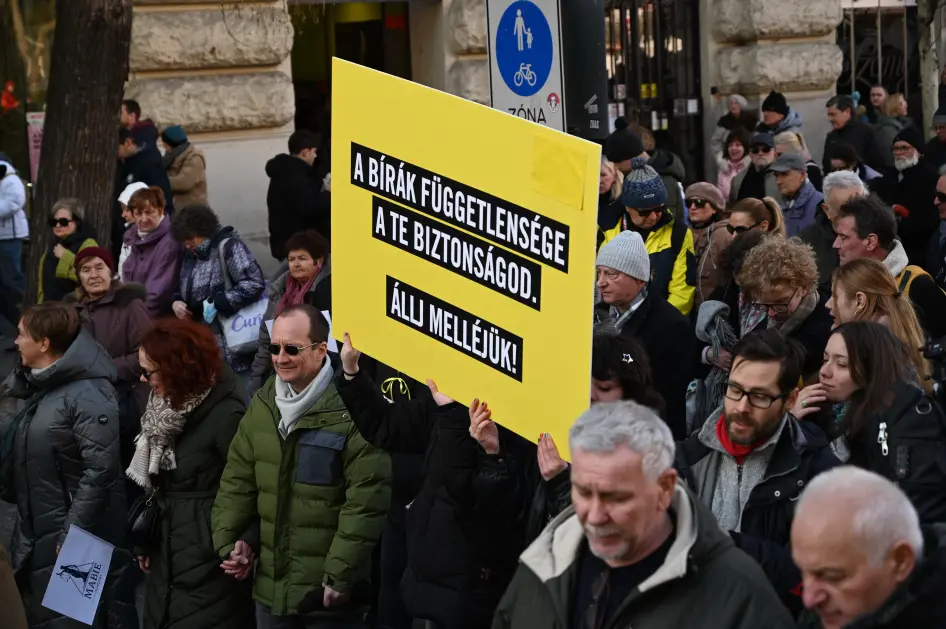
Budapest, Courts Closed by Decree
Restoring rule of law requires revocation of the decree, reinstatement of judicial review, and safeguards to prevent routine use of emergency powers to settle political disputes. EU institutions...
Death Penalty vs. Moratorium — Yoon Suk-Yeol Trial
Advocacy groups including ADPAN and seven partners urged withdrawal of capital charges, noting South Korea’s de facto 28-year moratorium on executions and binding ICCPR obligations.









Our Network
Our Channels

© 2026 Al Jazeera Media Network. All rights reserved.