

Holy Cities, Unholy Times
![Archive/Father Aghan Gogchyan, chancellor of the Armenian Patriarchate of Jerusalem, stands outside St James Cathedral in the Armenian Quarter of occupied <span>East Jerusalem</span>. [Francisco Seco/AP Photo]](https://liberties.aljazeera.com/resources/uploads/2026/03/1774789261.webp)
Archive/Father Aghan Gogchyan, chancellor of the Armenian Patriarchate of Jerusalem, stands outside St James Cathedral in the Armenian Quarter of occupied East Jerusalem. [Francisco Seco/AP Photo]
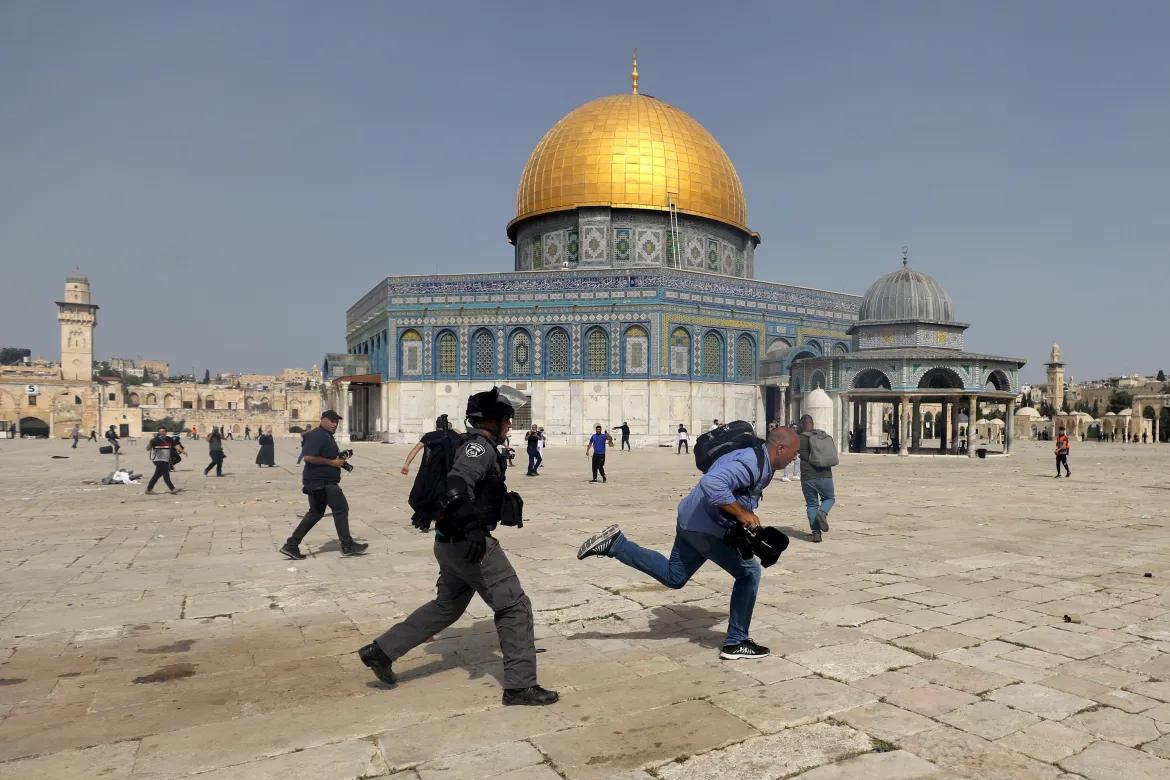
FOR CENTURIES, Jerusalem has enjoyed a peculiar immunity. Its enemies, wary of striking near Islam’s third-holiest site, generally spared the city. That tacit arrangement has now collapsed. Since Israel and the United States launched strikes on Iran on February 28th, missiles have rained on a city unaccustomed to them—and the timing could hardly be more freighted with meaning.
Passover and Easter arrive this week against a backdrop of shuttered shrines and empty plazas. The Church of the Holy Sepulchre, venerated by Christians as the site of the crucifixion and resurrection, stands closed. Shrapnel from an intercepted Iranian missile recently scarred the rooftop of the Greek Orthodox Patriarchate next door. Debris has struck a road leading to the Western Wall—where a priestly blessing that normally draws tens of thousands will proceed with a legally mandated fifty worshippers—and a Catholic school in the city. The Al-Aqsa Mosque compound saw prayers cancelled for most of Ramadan.
The restrictions, capping gatherings at fifty people near approved shelters, carry an uncomfortable echo of the coronavirus years. Yet the cause this time is not a pathogen but a grinding, five-week-old regional war. Sixteen Israeli civilians have died; dozens more have been seriously wounded. Daily sirens have become routine.
For Jerusalem’s diverse communities, the loss is as spiritual as it is practical. Fayez Dakkak, whose family has run a shop serving Christian pilgrims in the Old City since 1942, says the shuttered Al-Aqsa left him feeling that Ramadan simply did not happen. A Palm Sunday procession drawing pilgrims from across the world has been cancelled entirely. Jewish families, ordinarily engaged in the elaborate pre-Passover purge of leavened food, are doing so between sprints to bomb shelters.
There is a bitter historical irony in the season. Passover commemorates the Israelites’ exodus from Egypt through Sinai; some Israelis are now fleeing in the opposite direction, crossing into Sinai via the Egyptian land border as Ben Gurion airport operates at a fraction of its normal capacity.
Faith, Jerusalem’s clergy insist, is an interior quality. “Resurrection is from death,” said one Catholic priest, “and winning the pain and the war, it will not come by having fear, but by having faith.” The city’s stones have absorbed centuries of conflict. Whether that faith can endure the present moment is a question its empty plazas pose with particular force.
Sources: Melanie Lidman, Associated Press (March 2026); Rabbi Shmuel Rabinowitz, Western Wall administrator; Father Rami Asakrieh, Latin Patriarchate of Jerusalem; Fayez Dakkak, Old City merchant; Jamie Geller, Aish Jerusalem.
A War Spiralling Out of Humanitarian Law Control
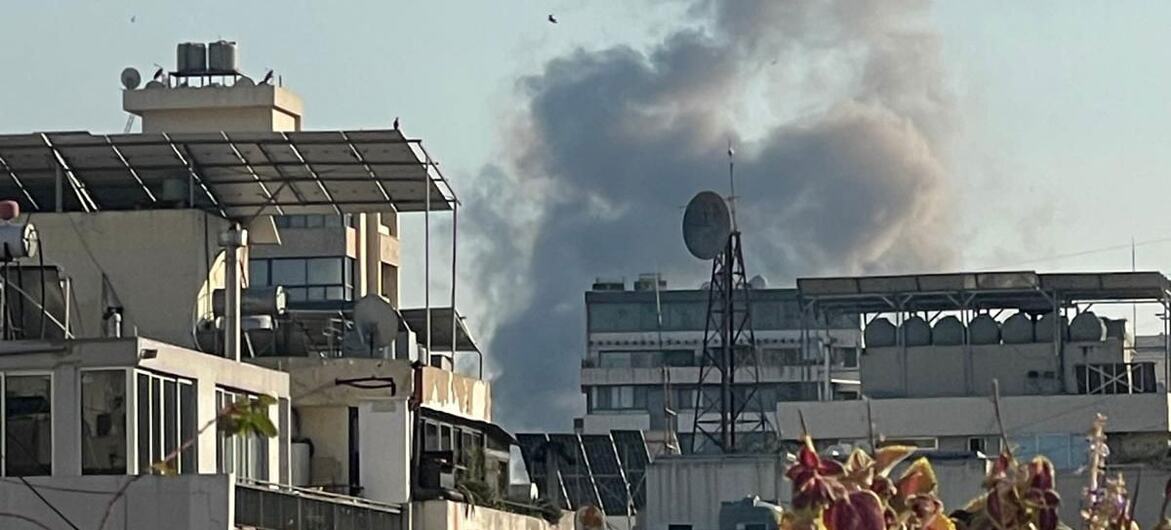
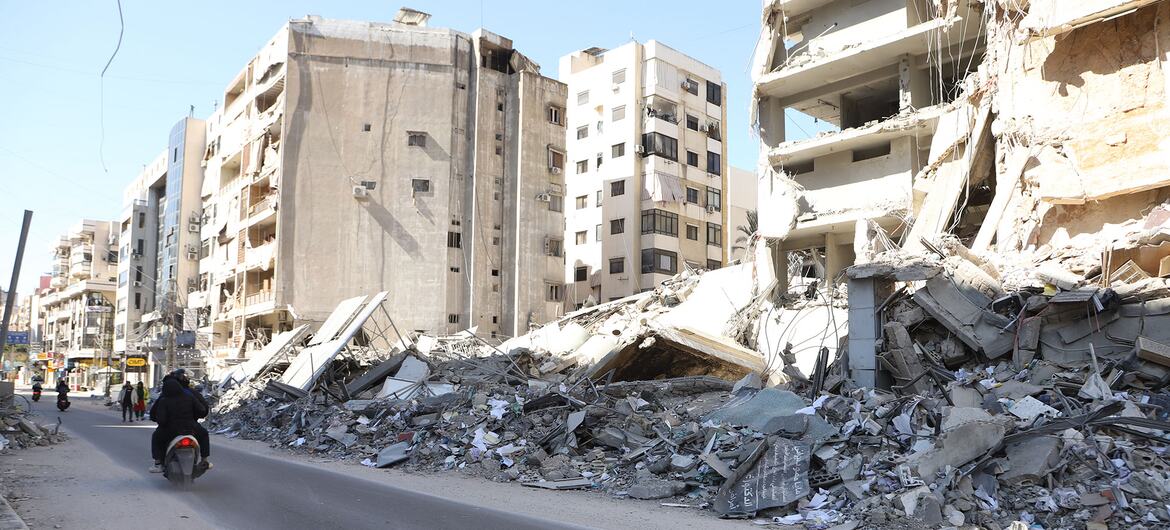
Strikes on Iran by the US and Israel have left more than 82,000 civilian structures damaged or destroyed, according to the Iranian Red Crescent Society.
Left Behind: The Global Education Crisis
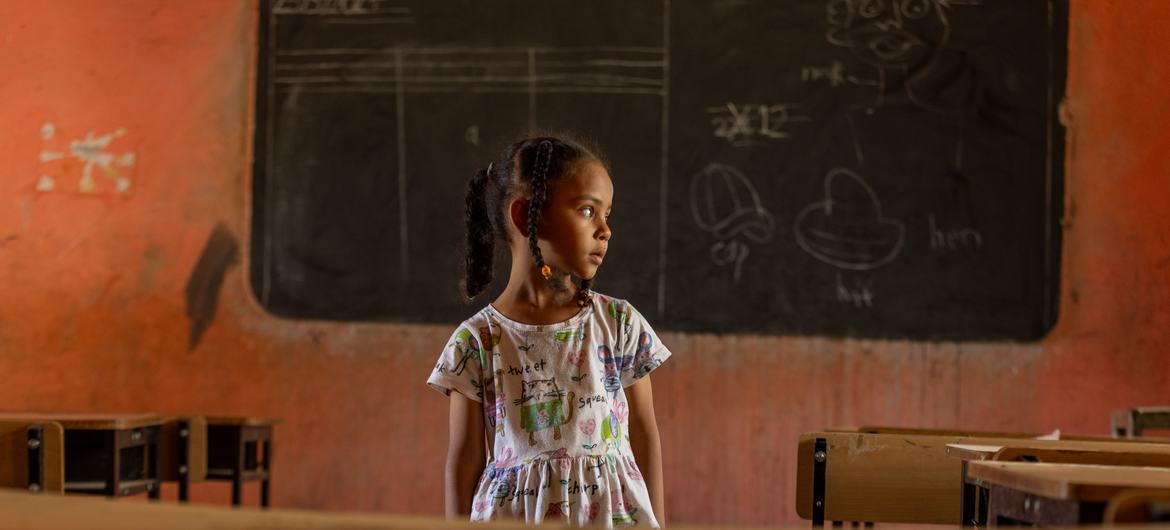
Progress since 2015 has slowed across nearly every region, with sub-Saharan Africa especially hard hit. In conflict zones, official figures almost certainly undercount the true scale of...


Our Network
Our Channels

© 2026 Al Jazeera Media Network. All rights reserved.