

Escalating Violence in South Sudan Fuels Humanitarian Disaster
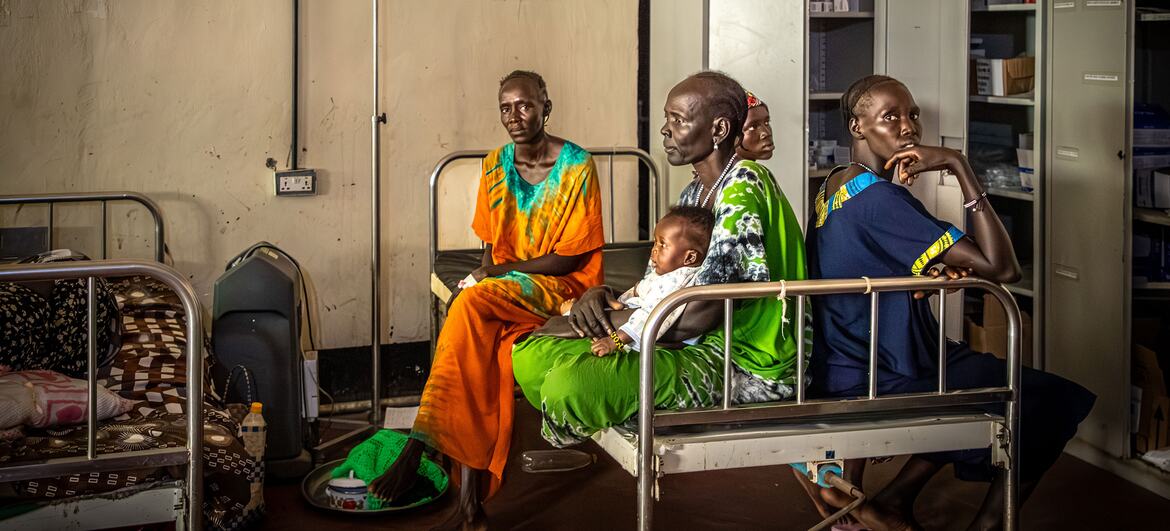
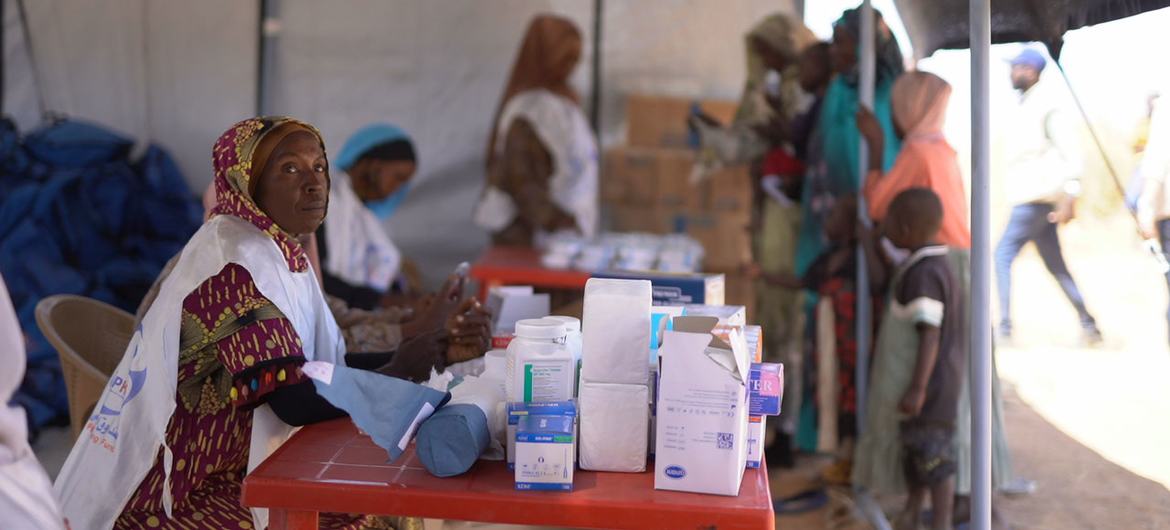
© UNOCHA/Adedeji Ademigbuji Women receive care at Akobo County Hospital in Jonglei State, South Sudan
In recent months, South Sudan has witnessed a disturbing surge in violence, underscoring the fragility of a nation still grappling with the aftermath of years of conflict. Amidst this turmoil, civilian populations bear the brunt of the crisis, as armed clashes between government forces and various militia groups have led to significant displacement and humanitarian distress.
Reports indicate that clashes have intensified particularly in the Upper Nile and Jonglei regions, where local communities find themselves caught in the crossfire. As armed factions vie for control over territory and resources, families are forced to flee their homes, seeking refuge in overcrowded camps that lack basic necessities. The United Nations estimates that over 1.6 million people are currently displaced within South Sudan, while food insecurity remains a dire concern, with approximately 7 million individuals facing hunger.
The humanitarian response has been complicated by ongoing violence, which hampers aid delivery and exacerbates the suffering of affected populations. The international community has called for urgent intervention, emphasizing the need for a unified approach to restore peace and stability. Without decisive action, the situation is poised to deteriorate further, as fear and uncertainty reign in a country that has already faced decades of hardship.
As South Sudan grapples with these challenges, it is imperative for both local and global stakeholders to prioritize humanitarian assistance and work towards a sustainable resolution to the conflict. Failure to do so may not only deepen the crisis but also threaten regional stability and security.
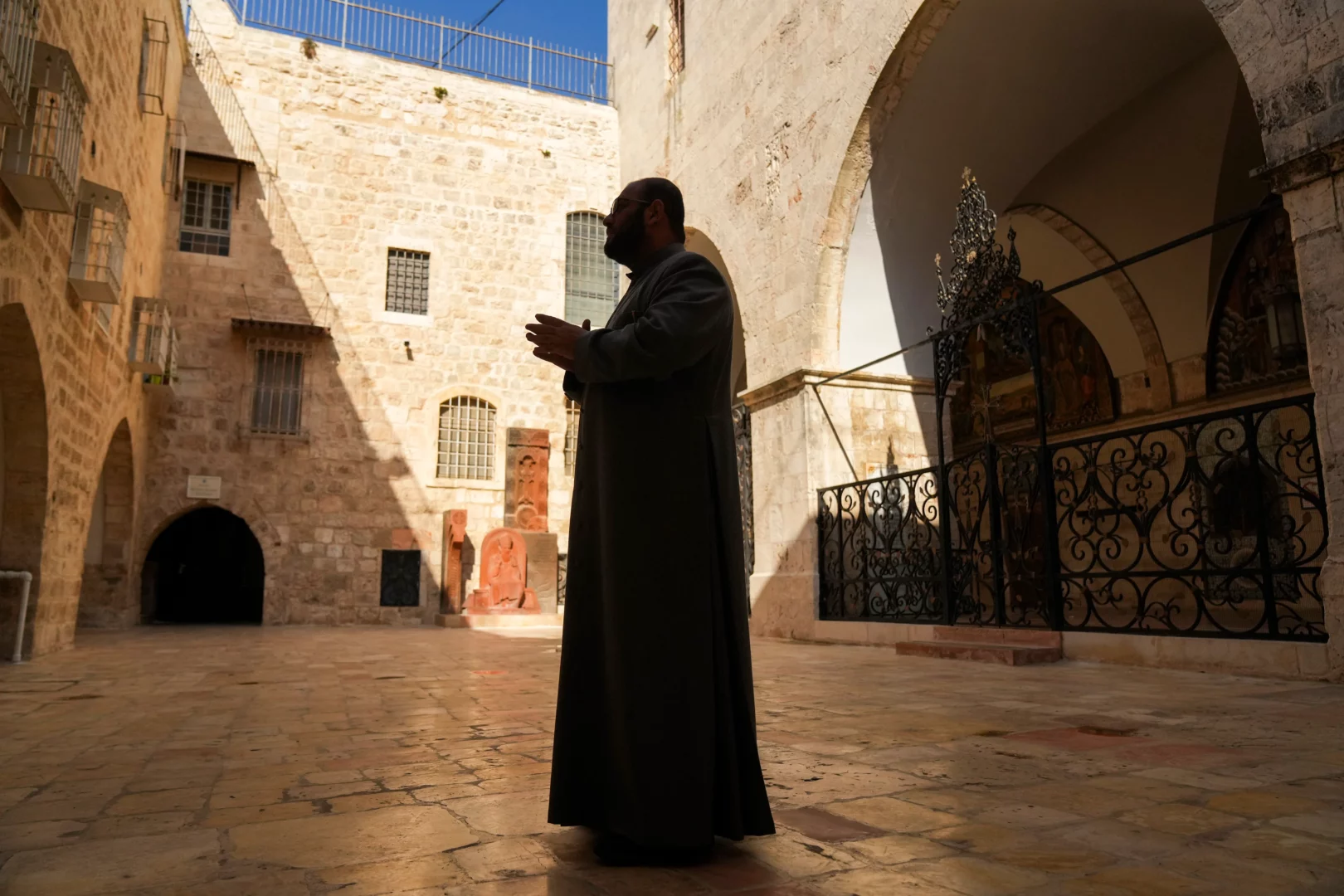
Holy Cities, Unholy Times
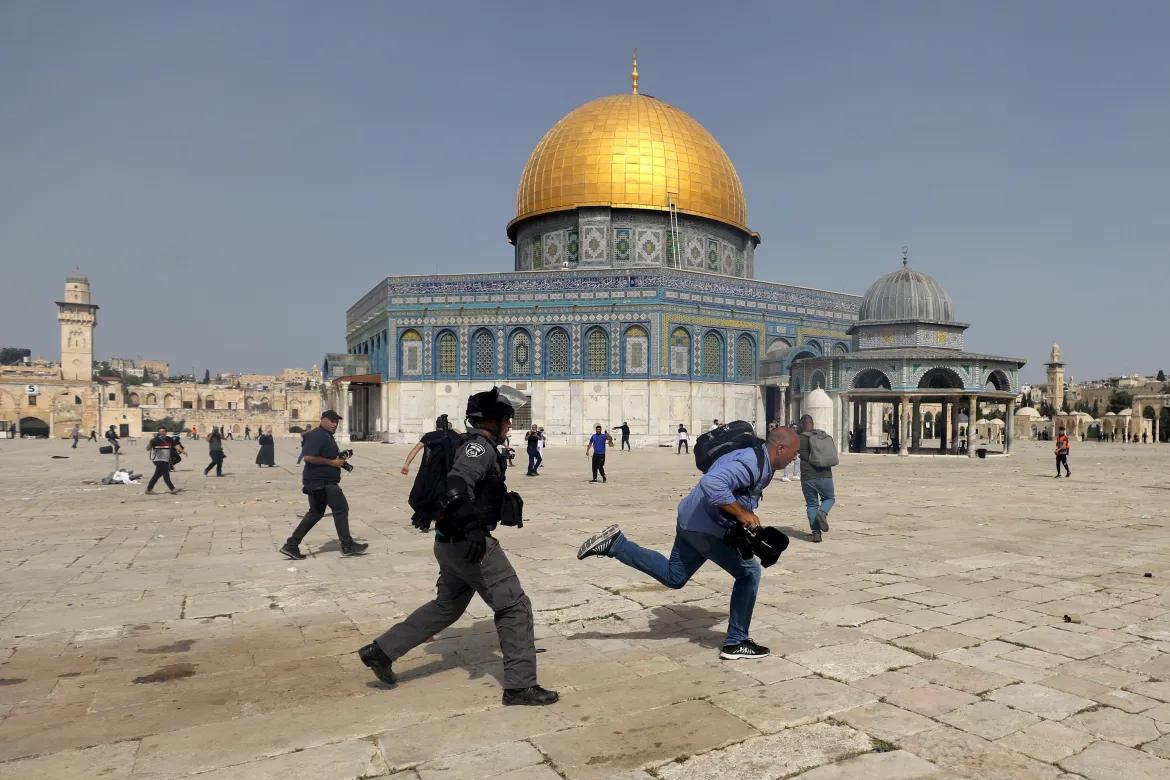
Jerusalem’s sacred spaces fall silent as an unfamiliar war reaches its ancient streets.
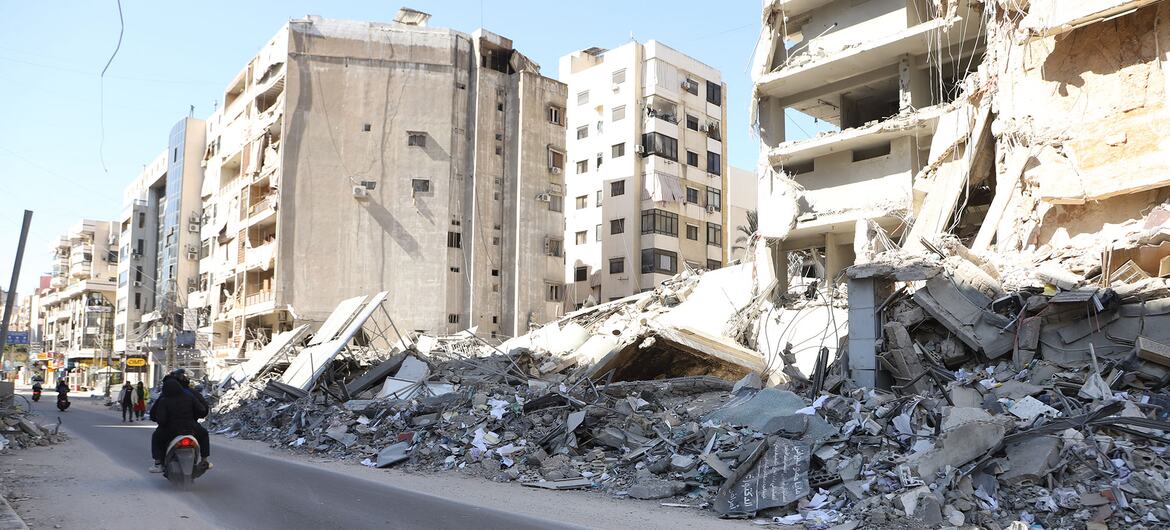
Dismantling the Rules That Protect Human Life in the Middle East Conflict
HRW calls on world leaders to invoke their obligations under Common Article 1 of the 1949 Geneva Conventions to actively pressure all parties to respect international humanitarian law, condemn...

Our Network
Our Channels

© 2026 Al Jazeera Media Network. All rights reserved.