
Dying in Childbirth, One Shortage at a Time
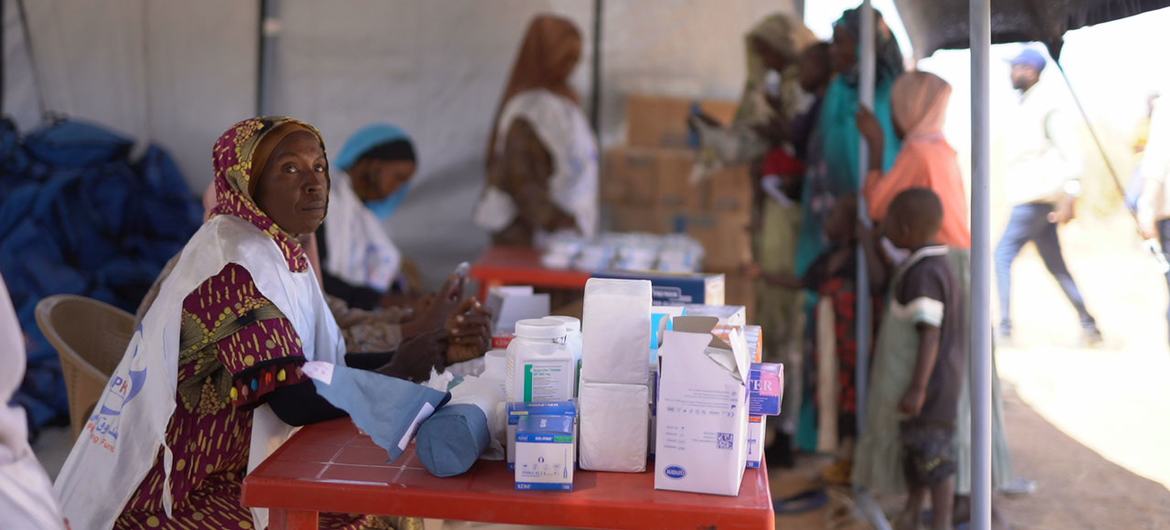
© UNFPA/Sufian Abdulmouty El-Obeid Maternity Hospital in North Kordofan State has come under increasing pressure as tens of thousands of people, many in dire need of healthcare, flee the violence engulfing neighbouring South Kordofan State.
“We had to watch two of the babies die before our eyes.” The words of Dr Hasan Babikir, a physician at El-Obeid Maternity Hospital in Sudan’s North Kordofan state, carry the particular weight of helplessness, a professional trained to save lives reduced to a witness at their end. The three premature triplets he could not save died for want of an intensive care bed, a resource that, in the richest hospitals on earth, would be considered basic.
El-Obeid is not the richest hospital on earth. It is, in fact, the only referral maternity hospital in western Sudan, and it currently serves more than 230,000 displaced people, the majority of them women and girls who have fled the violence consuming South Kordofan. They arrive carrying the scars of sexual violence, hunger and months of flight. The hospital receives them with two emergency operating rooms that are currently out of service, a neonatal intensive care unit opened only at the start of 2026 with four beds that are constantly full, and a supply chain so depleted that surgeons must buy antibiotics, sutures and gloves at inflated market prices. “There’s a severe shortage of surgical and normal delivery equipment,” Dr Babikir told UNFPA, the UN’s sexual and reproductive health agency.
Midwives at breaking point
The facility has also come under direct attack. The city of El-Obeid has experienced repeated drone strikes against health infrastructure, killing and injuring staff and patients. Those who survive the bombs face the slow attrition of impossible conditions. “The salaries we receive are not enough to cover even basic transportation or the meals we need during our shifts,” said Insaf, a senior midwife. When women arrive without money to purchase delivery supplies, she and her colleagues pay out of their own pockets. Some midwives are working 24-hour shifts. “We don’t have tables to place newborns on,” said midwife Laila Sarfo, “nor do we have adequate infection control equipment in the delivery rooms.”
UNFPA has installed solar power systems to mitigate persistent blackouts, rehabilitated delivery rooms and deployed skilled health workers for emergency obstetric and neonatal care. But nearly three years of civil war have pushed more than 33 million Sudanese into severe humanitarian need. In the crowded Al Moaskar Al Mwahhad displacement camp in South Kordofan, Salma, 50, has sheltered for eight months. “Women are exhausted from the war,” she said. “Many crimes have been committed against women, including rape. Many women have been widowed. In this camp, the number of women who are still with their husbands can be counted on one hand.” For girls like 16-year-old Ismailia, who travelled three days by donkey to reach safety, the horizon is a simple and devastating wish: “I hope to return to my town and my school.” To sustain its programmes in 2026, UNFPA requires $129 million. Just $33 million has been pledged.
Sources: UNFPA Sudan Crisis Response (April 2026), Dr Hasan Babikir (El-Obeid Maternity Hospital), Midwife Insaf and Midwife Laila Sarfo testimonies via UNFPA, UN Sudan Humanitarian Overview 2026.

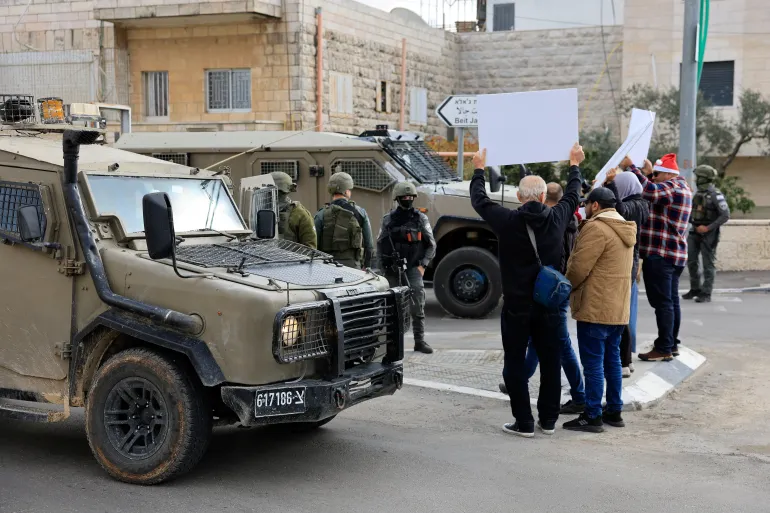
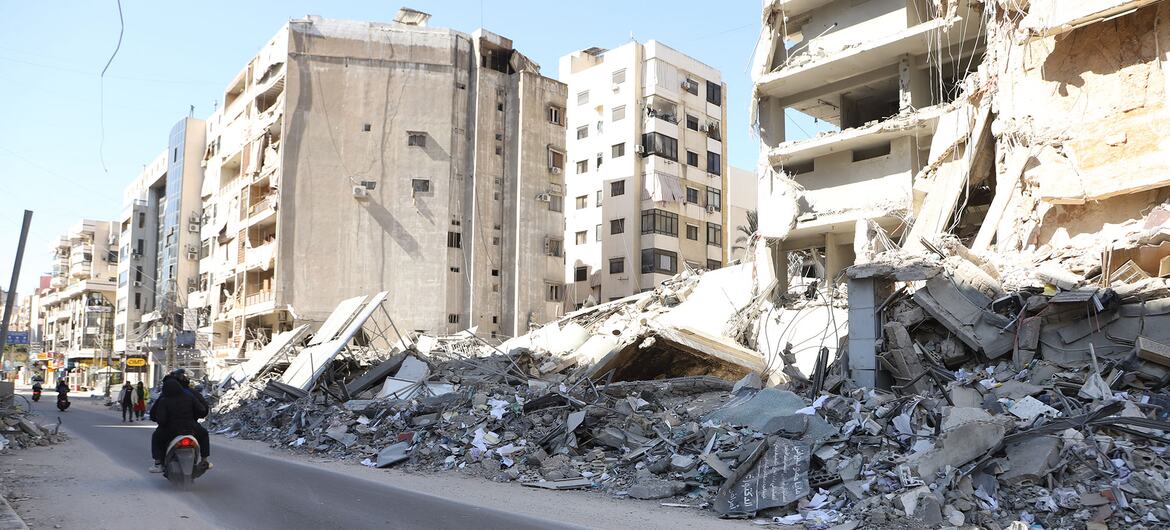
Lebanon at a Breaking Point
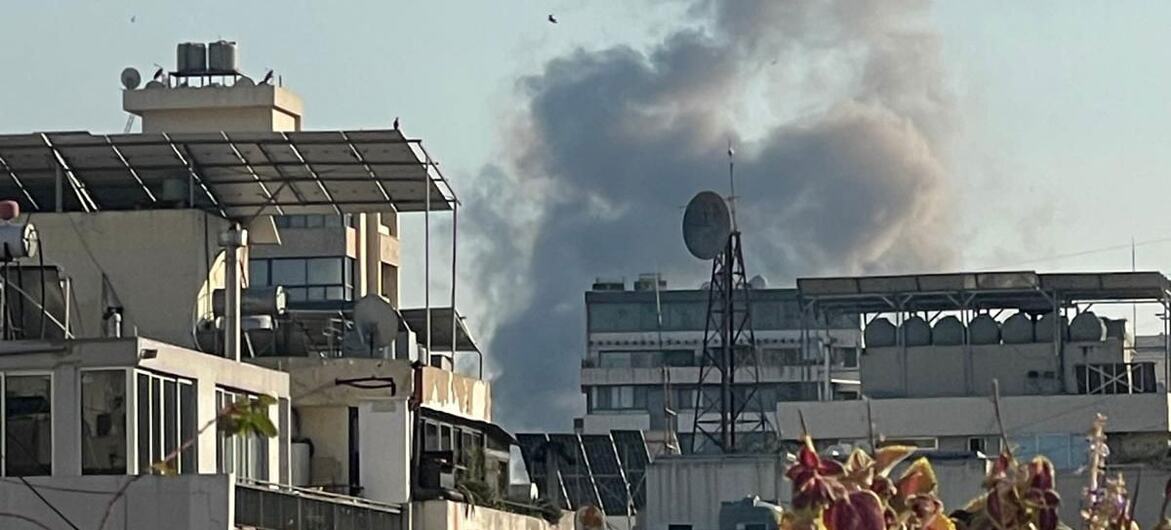
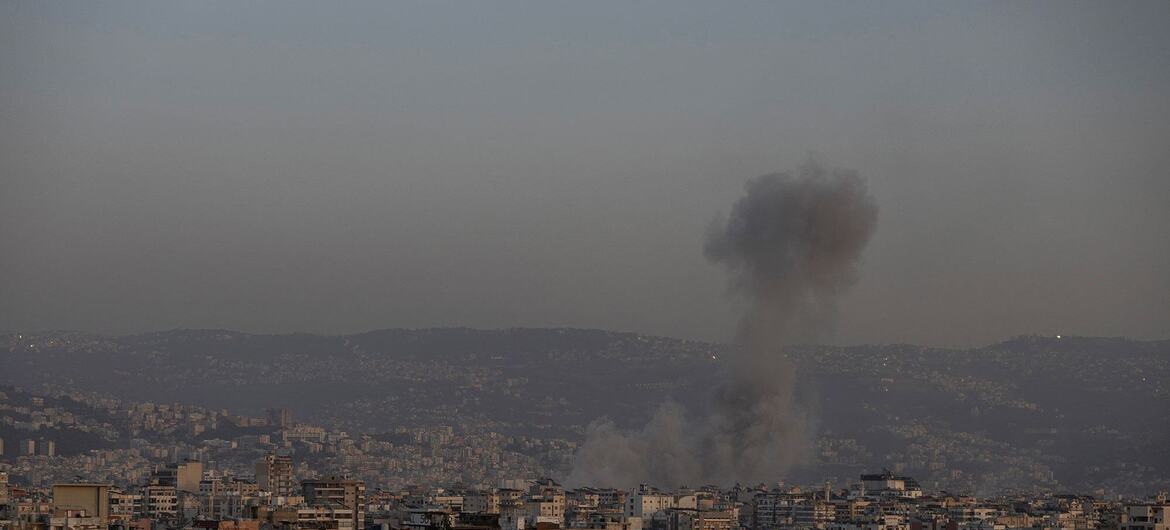
The UN’s most senior humanitarian official has warned the Security Council that Lebanon is staring into an abyss. The country’s crises have a way of outlasting the attention...
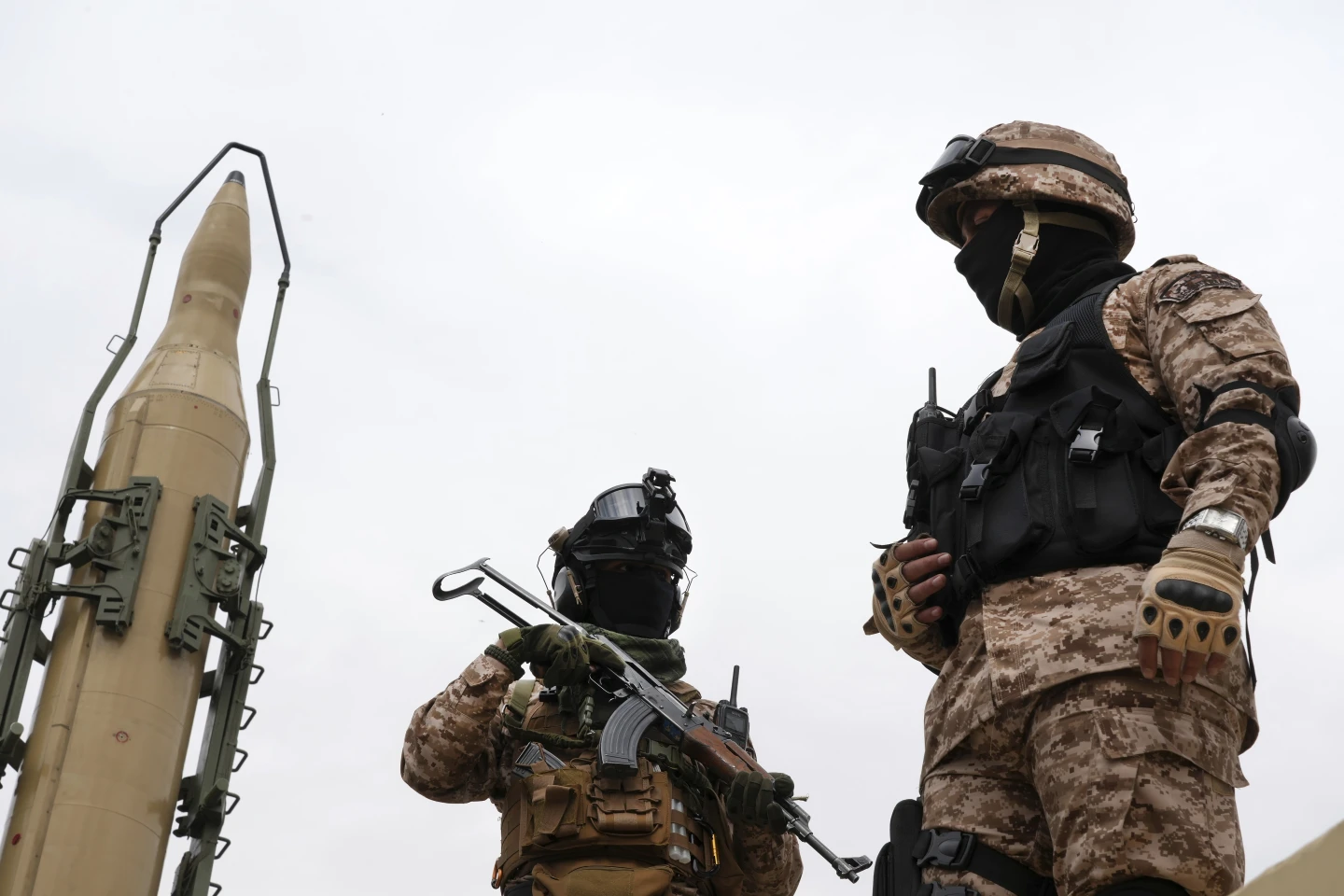
Words That Kill …
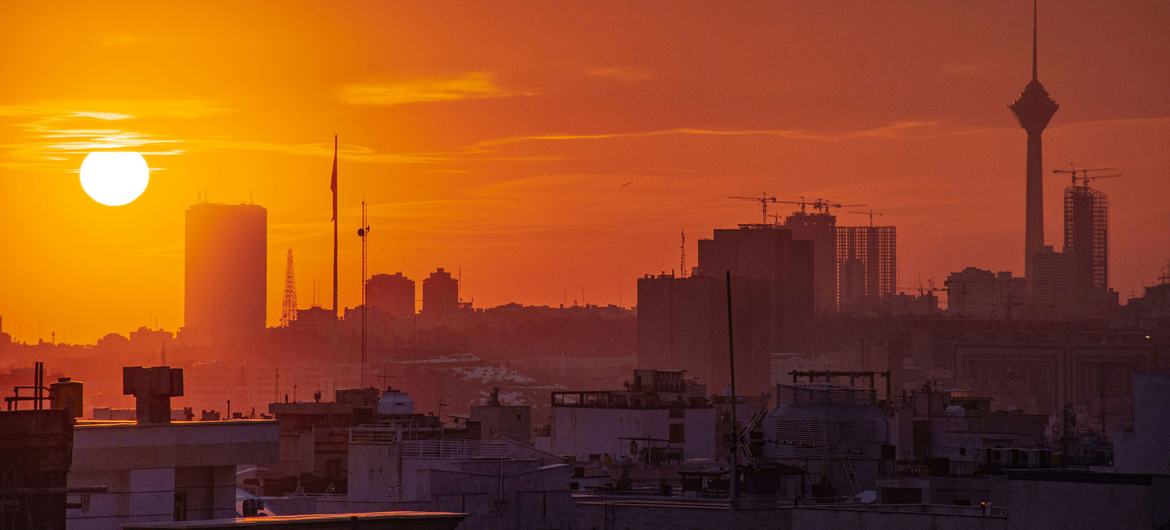
Officials from the United States, Iran, and Israel are using rhetoric that signals dangerous contempt for the laws of war. The civilians caught in between will pay the price.


Our Network
Our Channels

© 2026 Al Jazeera Media Network. All rights reserved.