

Choking the Olive Lands
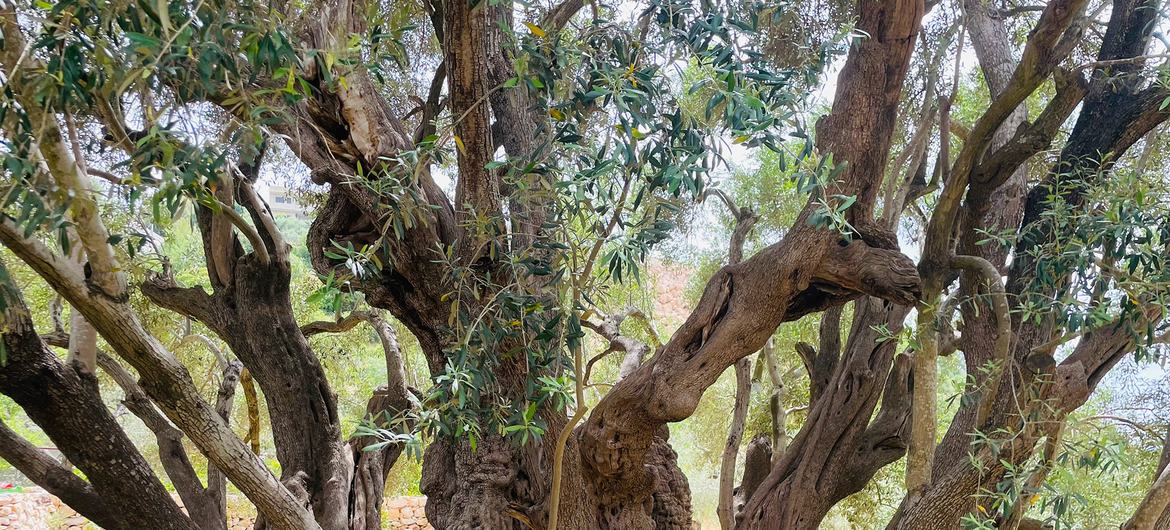
The olive harvest is both a primary source of livelihood for thousands of families and an integral part of Palestinian heritage.
As autumn nears, thousands of Palestinian farmers prepare not for prosperity, but for another season of dispossession.
The olive harvest—long a pillar of Palestinian heritage and the backbone of rural livelihoods—now unfolds under the shadow of escalating settler violence and tightening Israeli military restrictions.
In villages like Kufr Qaddum and Kifl Harris, farmers speak of sealed gates, lost harvests, and a vanishing way of life.
According to UN agencies, access to tens of thousands of dunums of olive groves has been blocked, with settler attacks reaching their highest levels in decades.
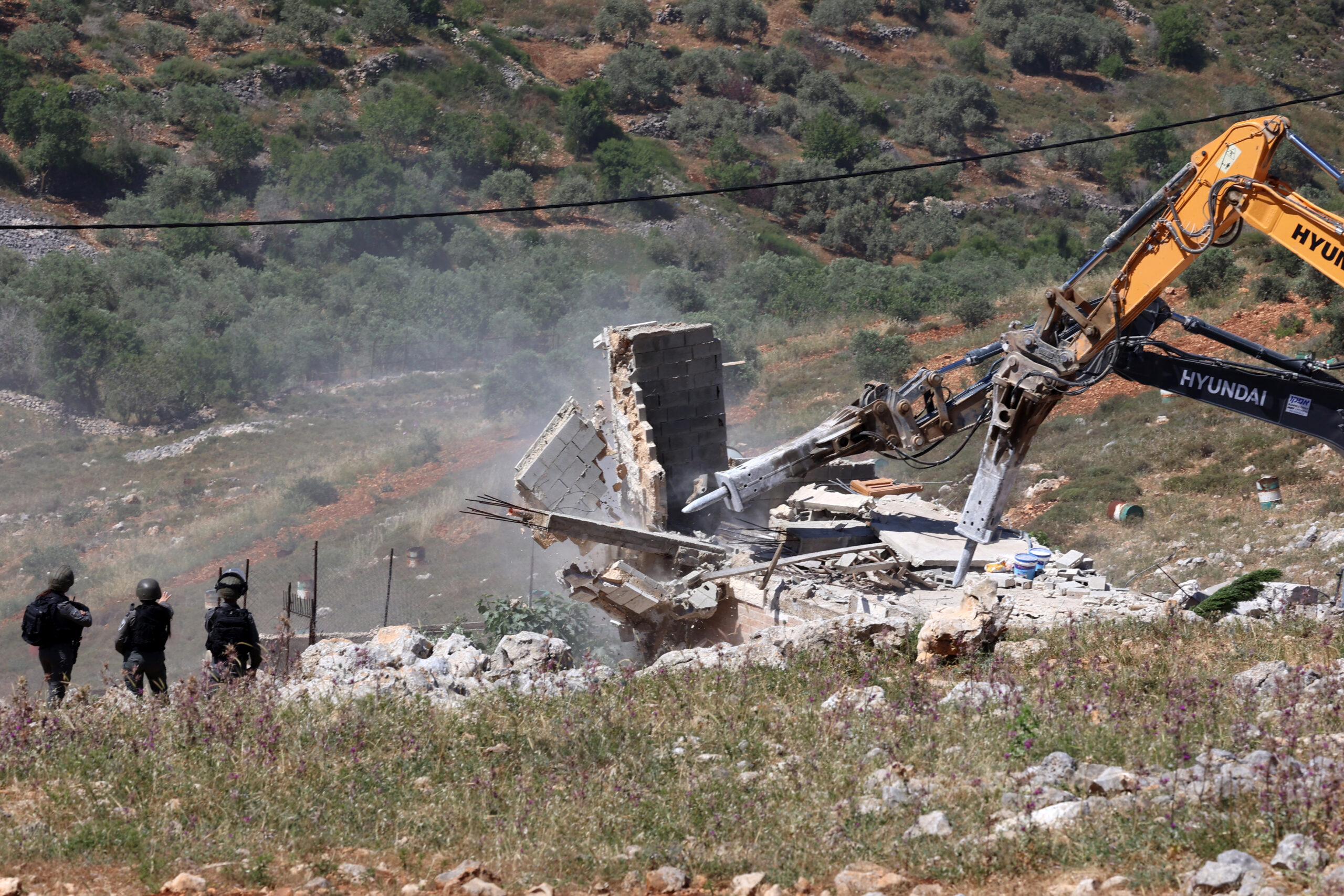
The destruction of farmland, coupled with the expansion of settlements, has pushed many to the brink. The UN’s human rights office warns these trends may amount to forcible transfer, while the International Court of Justice deems Israel’s continued occupation unlawful.
Despite international condemnation and modest support from organisations like the FAO, which promotes sustainable farming, Palestinian farmers remain locked out of their lands—sometimes literally.
Without meaningful intervention, the olive tree, once a symbol of peace and rooted identity, risks becoming a relic of a dispossessed people.

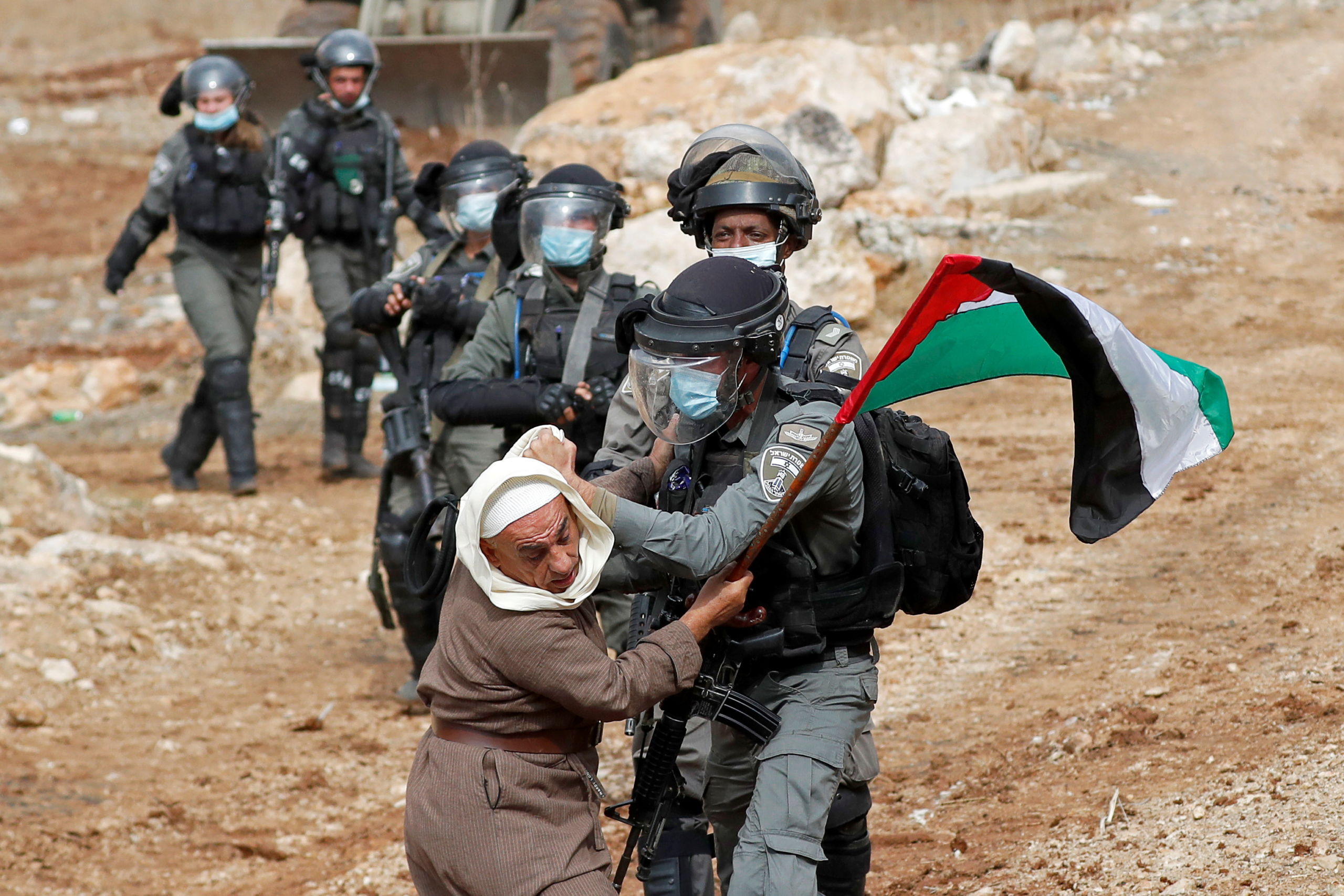
Over 50 Injured in Attacks by Settlers
This aggressive behavior not only raises serious concerns about the safety of Palestinians in their own lands but also highlights the ongoing tensions that continue to destabilize the region.
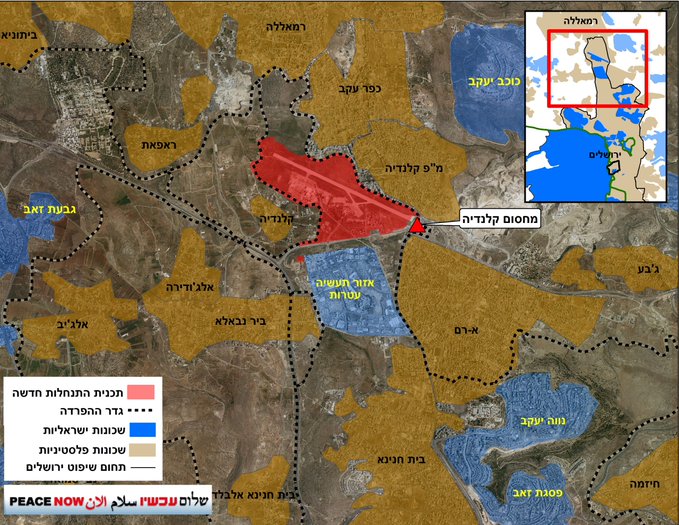
Deepening Control and Settlements in Judea and Samaria
Key changes involve repealing Jordanian laws restricting land sales to Jews, enabling purchases under terms resembling those in cities like Tel Aviv or Jerusalem.
- Most Viewed
- Most Popular



Our Network
Our Channels

© 2026 Al Jazeera Media Network. All rights reserved.