

America’s Cluster Munition Problem
![An Iranian missile with cluster munitions flies towards central Israel on March 5, 2026 [Dylan Martinez/Reuters]](https://liberties.aljazeera.com/resources/uploads/2026/04/1775049699.webp)
An Iranian missile with cluster munitions flies towards central Israel on March 5, 2026 [Dylan Martinez/Reuters]
There is a well-worn diplomatic manoeuvre in which a country condemns another’s conduct in terms that would, if applied consistently, implicate itself. The United States has performed this manoeuvre with some regularity on the question of indiscriminate weapons, and a statement by a senior US Central Command admiral last month provided Human Rights Watch with another opportunity to note the contradiction.
The admiral’s condemnation of Iran’s behaviour was, according to HRW’s analysis, substantively undermined by the absence of any concrete action from Washington on its own cluster munition policy. The United States has transferred cluster munitions to allies while maintaining a domestic posture that has never fully aligned with the humanitarian standards its officials invoke when criticising adversaries.
Rhetoric about indiscriminate weapons carries weight only if the state deploying it has clean hands. On cluster munitions, Washington’s are not.
The irony is pointed but not surprising. American military policy on cluster munitions has been shaped primarily by military utility calculations rather than humanitarian law, a position that sits in tension with the obligations the US invokes against others. Human rights organisations have long argued that this gap corrodes the credibility of American leadership on rules-based warfare — a point that becomes harder to dismiss when a senior admiral appears to make it for them.
Palestine/Israel/A Rope and a Double Standard
Israel’s new death-penalty law is designed to kill Palestinians faster, and with less scrutiny.
Blue Helmets in the Crossfire
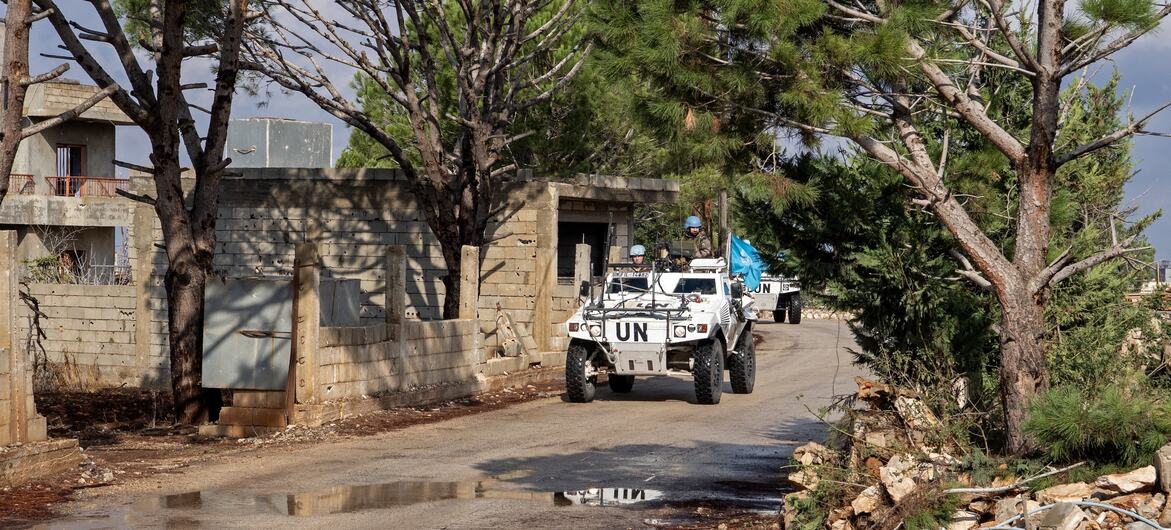
Secretary-General Guterres condemned the killing as a potential war crime and called for accountability, while the WHO reported that 51 Lebanese health workers had been killed since 2 March. The...






Our Network
Our Channels

© 2026 Al Jazeera Media Network. All rights reserved.