

Air, Climate Policy and Bodily Autonomy

Midwife Celena Brown of Commonsense Childbirth in Florida, examines a patient during a pregnancy checkup in Winter Garden, Florida, US, June 25, 2024.
© 2024 Laura Ungar/AP Photo
US pollution rollbacks threaten reproductive health. The EPA’s revocation of the endangerment finding for greenhouse gases removes a legal lever crucial to controlling emissions from transport and power generation. The policy shift will degrade air quality and intensify climate hazards, heat, wildfire smoke, storms, with disproportionate effects on pregnant people and newborns.
Evidence links extreme heat and air pollutants to adverse birth outcomes; communities of colour and low-income groups bear the brunt.
Dismantling environmental protections is not abstract policymaking, it is a direct challenge to reproductive and public-health rights. Policymakers must recognize climate regulation as reproductive justice infrastructure, restore scientific assessments, and protect the most exposed communities through targeted mitigation and adaptation measures.
(Public health and climate science assessments, National Climate Assessment)
The Human Cost of Military Aggression
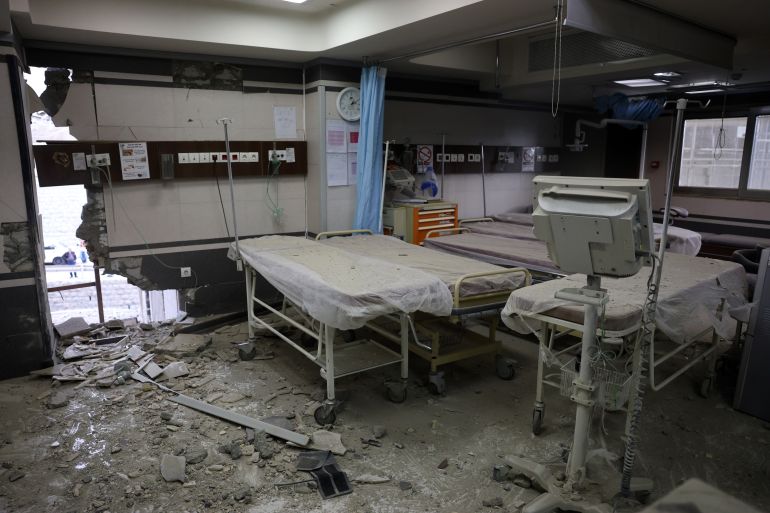
UNESCO’s statement underscores that international humanitarian law mandates protection for pupils in educational settings and that attacks on schools fundamentally jeopardize the right to...

The Politicization of Vaccine and Public Health
Kennedy, a well-known vaccine skeptic and activist, has long advocated for changes to federal vaccination guidelines. His assertions linking vaccines with autism, despite a robust body of...
- Most Viewed
- Most Popular






Our Network
Our Channels

© 2026 Al Jazeera Media Network. All rights reserved.