

Afghanistan, Caught Between Borders and an Escalating Middle East War
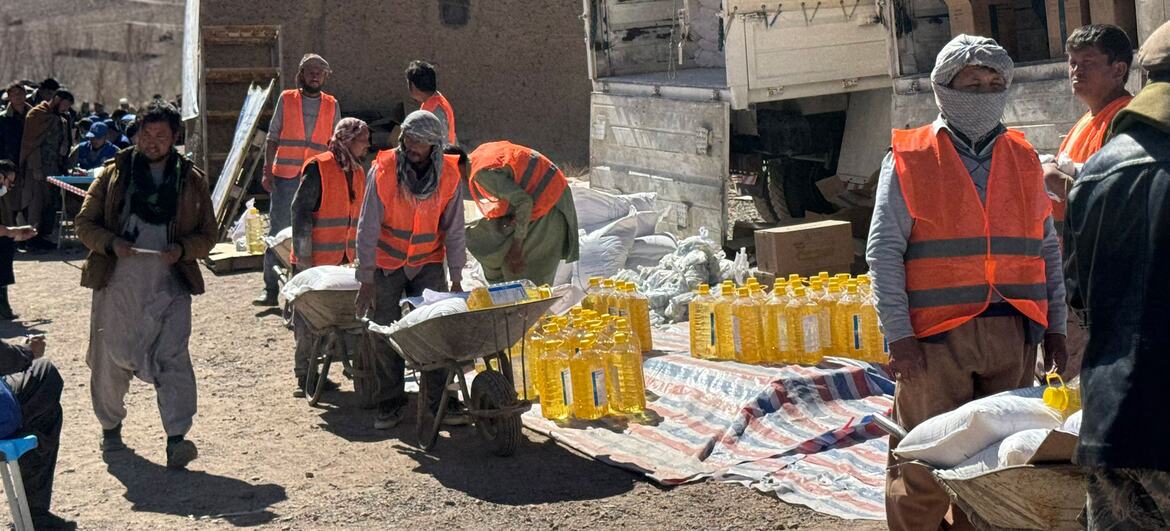
© WFP/Danijela Milic Food aid is distributed by the UN in Parwan province, Afghanistan.
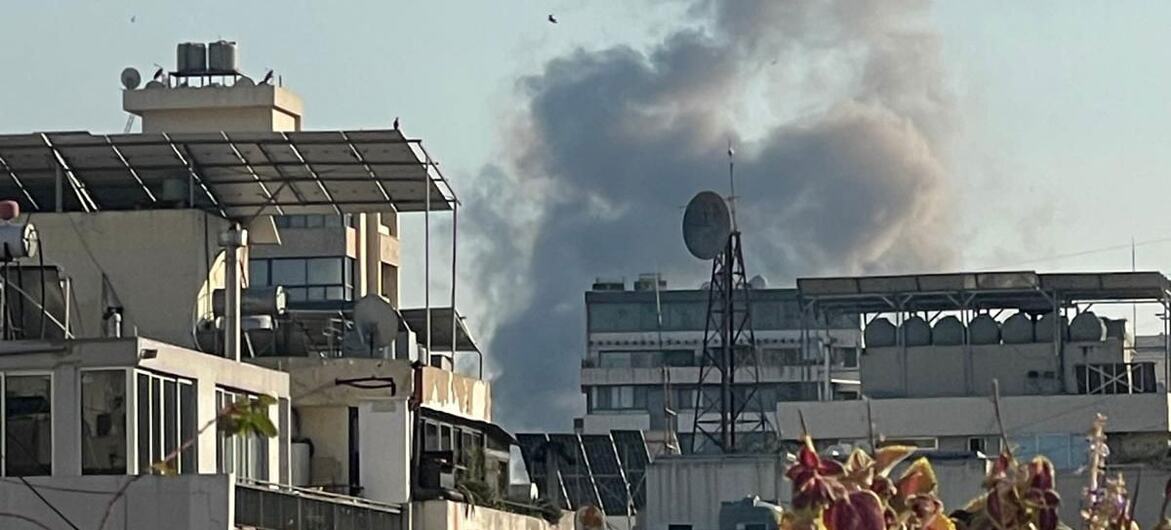
In a stark reminder of the interconnectedness of global conflicts, the humanitarian crisis in Afghanistan continues to deteriorate, exacerbated by ongoing strife throughout the Middle East.
The United Nations, in a briefing to the Security Council on March 9, 2026, articulated the dire situation facing the Afghan populace. Georgette Gagnon, Officer in Charge of the UN Assistance Mission in Afghanistan (UNAMA), detailed how the conflict has disrupted vital trade routes and commodity markets, further destabilizing an already weakened economy.
With the border to Pakistan intermittently closed and the route through Iran becoming increasingly unpredictable, rising prices and restricted imports only add to the pressures on a nation grappling with years of decline and climate-induced shocks. The return of over five million refugees since September 2023 places additional strain on essential services and community coping mechanisms (UNAMA, March 9, 2026).
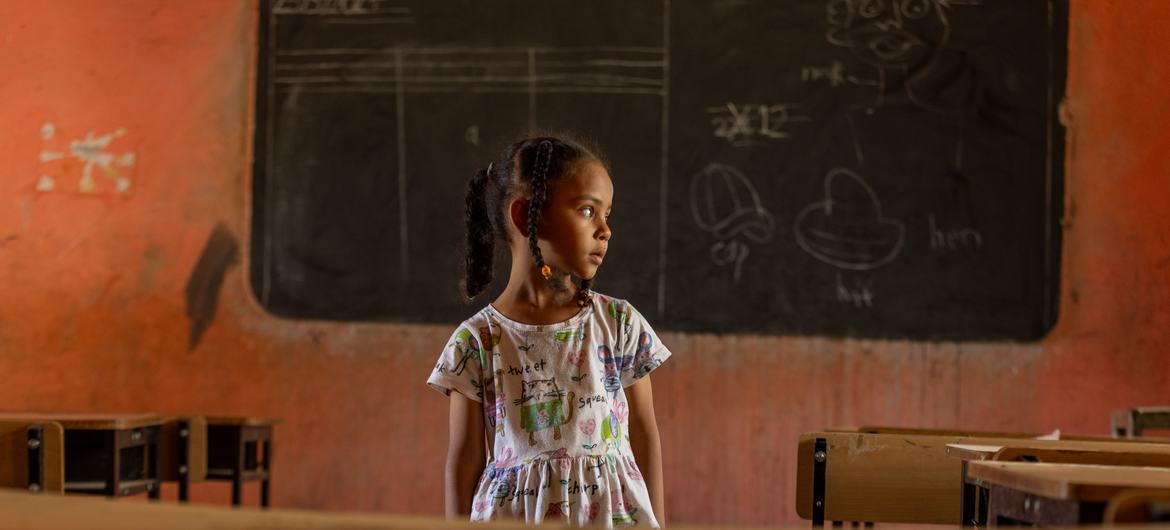
From a human rights perspective, the situation remains grave. The UN has highlighted the six-month prohibition on female Afghan national staff from working within UN operations, alongside broader restrictions on women and girls, which stifle their participation in the workforce and undermine long-term human capital development. This erosion of rights not only hampers recovery prospects but also has far-reaching implications for accountability within the country.
To address these pressing humanitarian needs, the UN launched a 2026 humanitarian appeal seeking $1.71 billion to assist 17.5 million people. However, as of now, this appeal is alarmingly underfunded, receiving just about 10 percent of the necessary resources, leaving many reliant on precarious assistance (UN OCHA, March 2026).
The Council has called for an immediate cessation of hostilities along the border with Pakistan, a request fueled by reports of airstrikes and civilian casualties. Members have urged the de facto authorities to display genuine commitments to counterterrorism and to lift gender-based restrictions that hinder relief efforts and justice for victims (UN Security Council briefing, March 9, 2026).
The UN has issued a stark warning: If the endemic political and human rights deficits remain unaddressed, Afghanistan risks descending once more into a haven of regional instability, migration, and criminal activities—the consequences of which will be dire for millions in the country.
Sources: UNAMA briefing to UN Security Council, March 9, 2026; UN OCHA 2026 humanitarian documents.
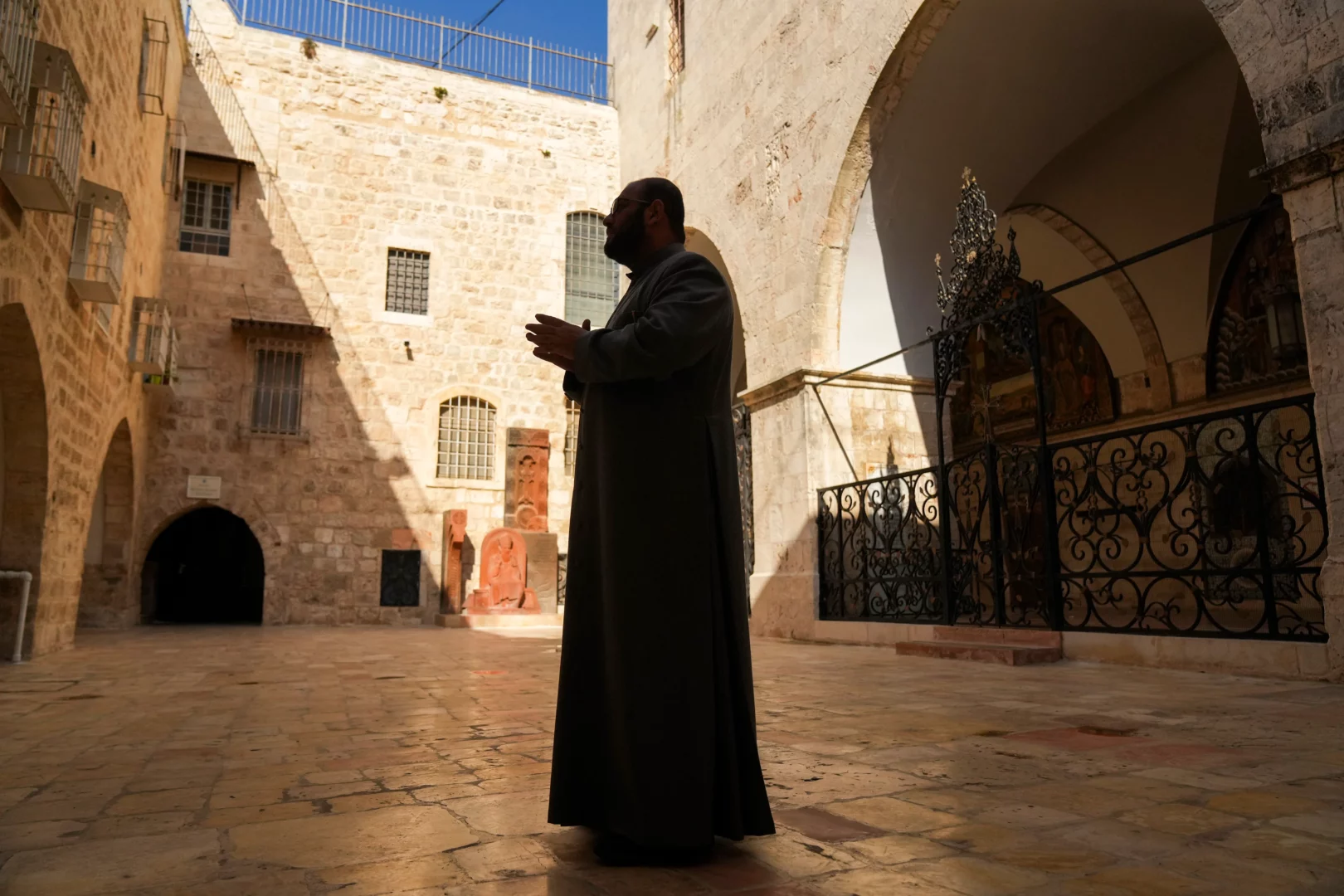
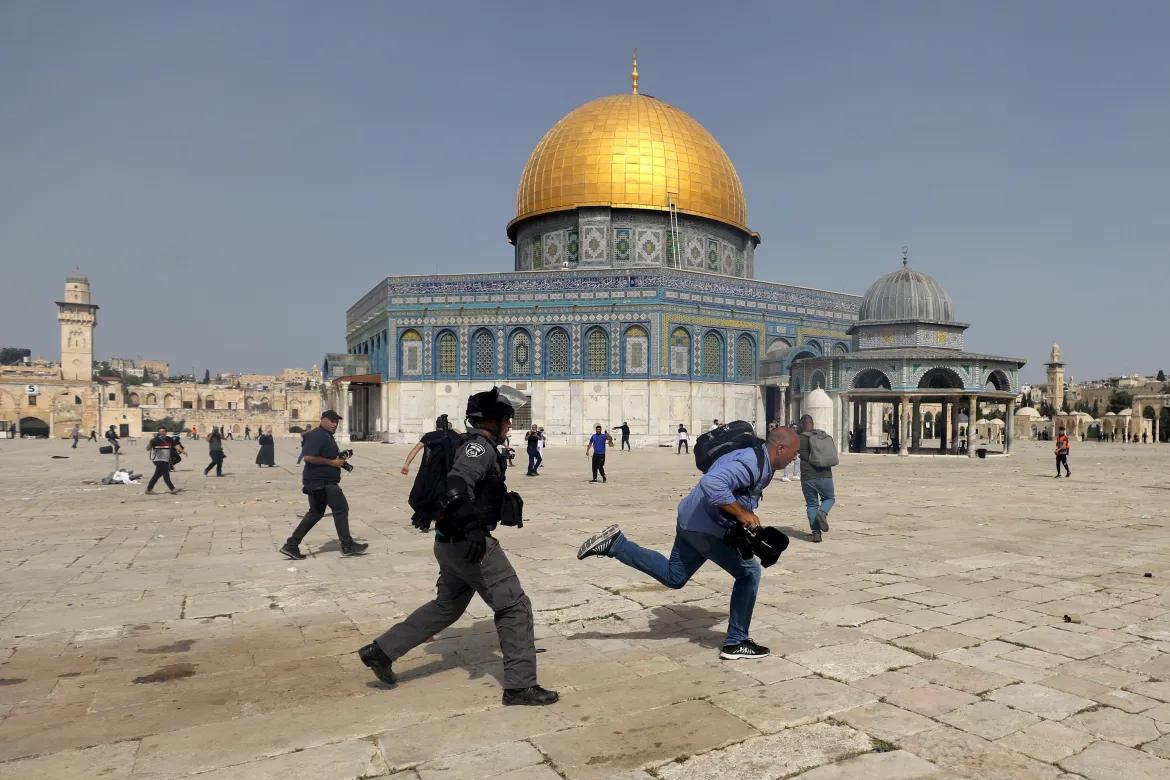
Holy Cities, Unholy Times
Jerusalem’s sacred spaces fall silent as an unfamiliar war reaches its ancient streets.
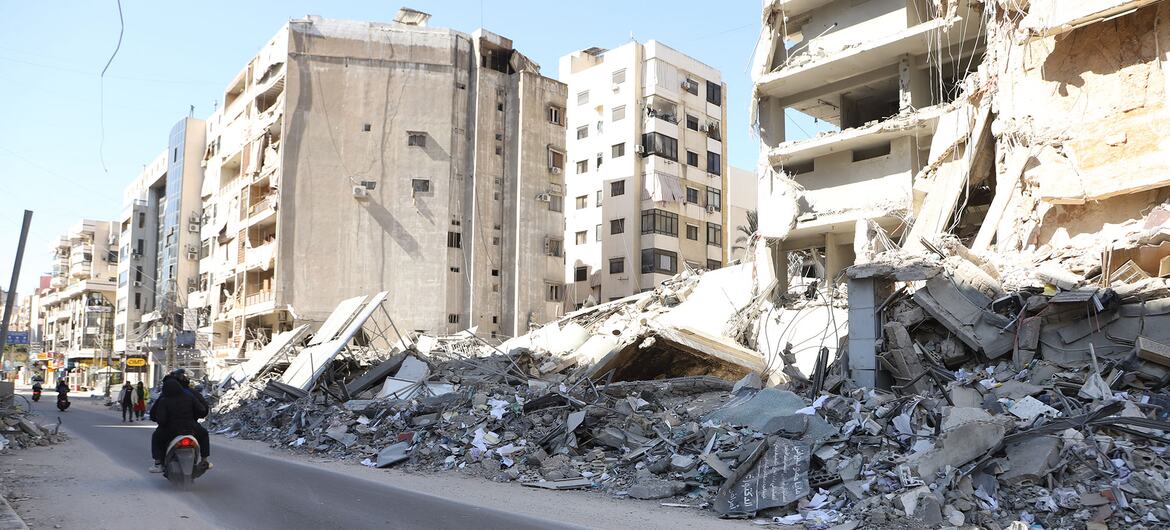
Dismantling the Rules That Protect Human Life in the Middle East Conflict
HRW calls on world leaders to invoke their obligations under Common Article 1 of the 1949 Geneva Conventions to actively pressure all parties to respect international humanitarian law, condemn...


Our Network
Our Channels

© 2026 Al Jazeera Media Network. All rights reserved.