

A Region on the Move, Children, Hospitals, and the Risks of Normalising War
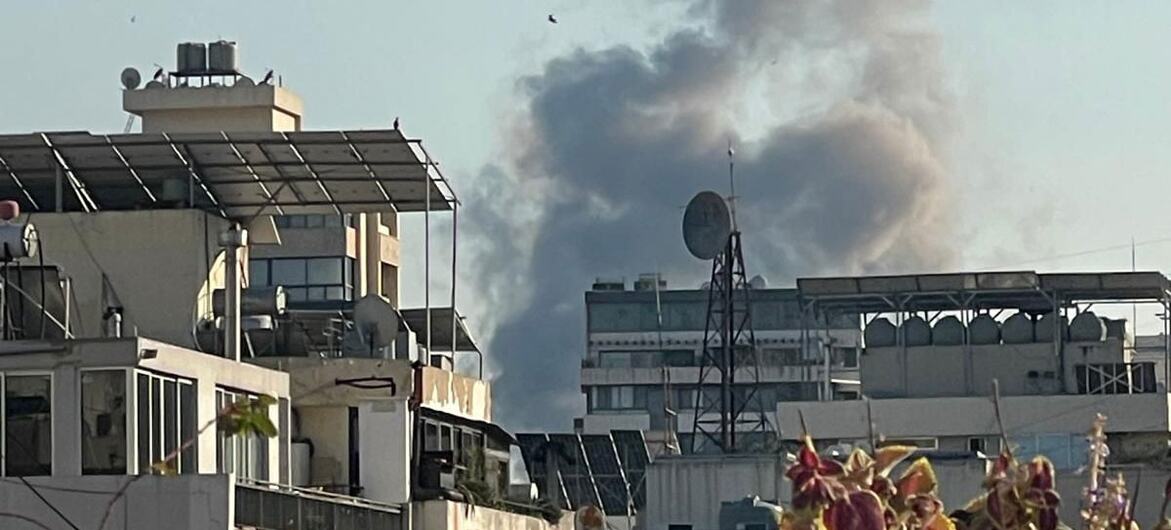
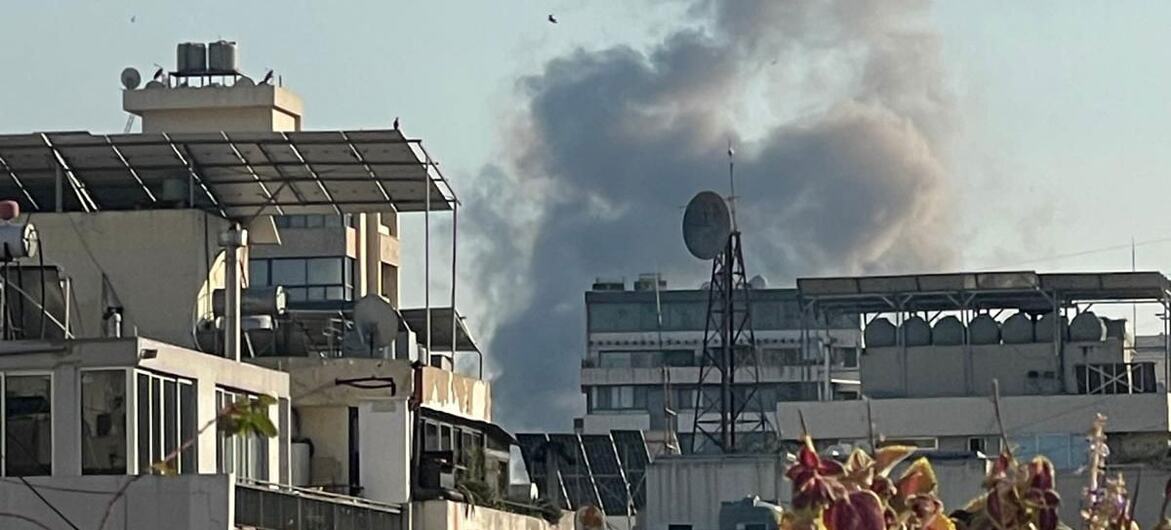
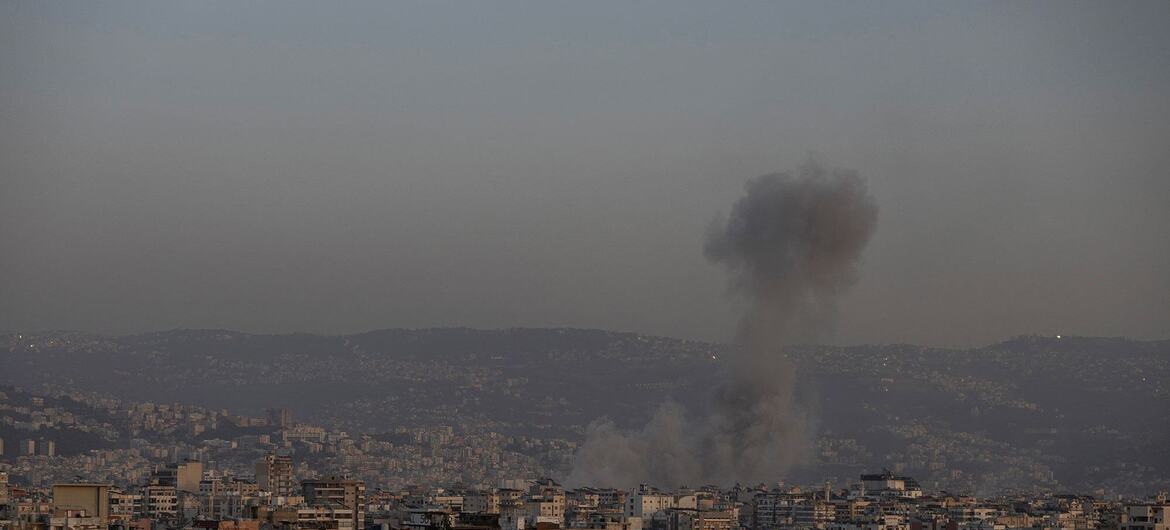
UN Photo/Pasqual Gorriz Smoke rises in Beirut, Lebanon, following the outbreak of hostilities across the Middle East.
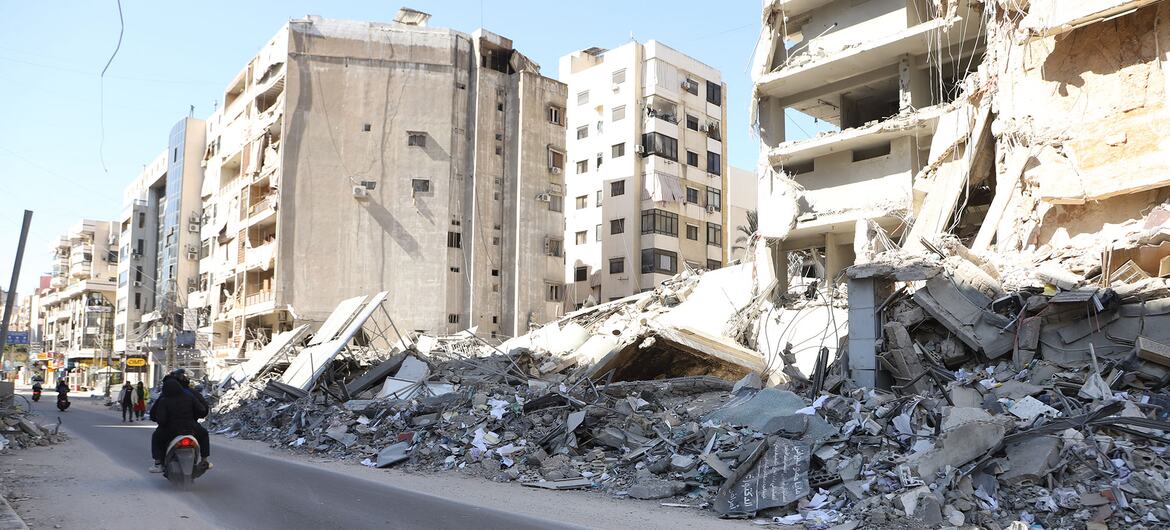
As hostilities involving the US, Israel and Iran intensified in early March 2026, the human geography of the Middle East shifted under the weight of fresh strikes, displacement, and humanitarian strain. A rolling live dossier assembled by UN agencies between 03/03 and 03/05/2026 paints a chaotic map of movement and need.
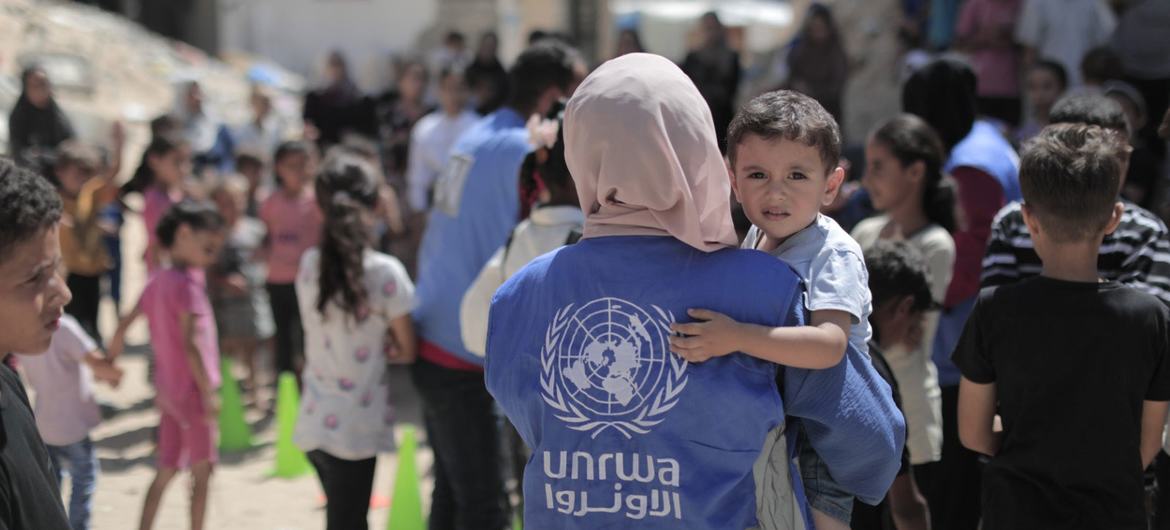
In Lebanon, some 58,000 people were sheltering across 320 collective sites as of 03/03/2026, with new displacements anticipated; roughly 60,000 people including 18,000 children were newly displaced in 24 hours according to UNICEF reporting on 03/04/2026. Syria saw crossings triple average daily volumes, and Afghanistan reported heavy fighting around Torkham with internal displacement concentrated in several provinces.
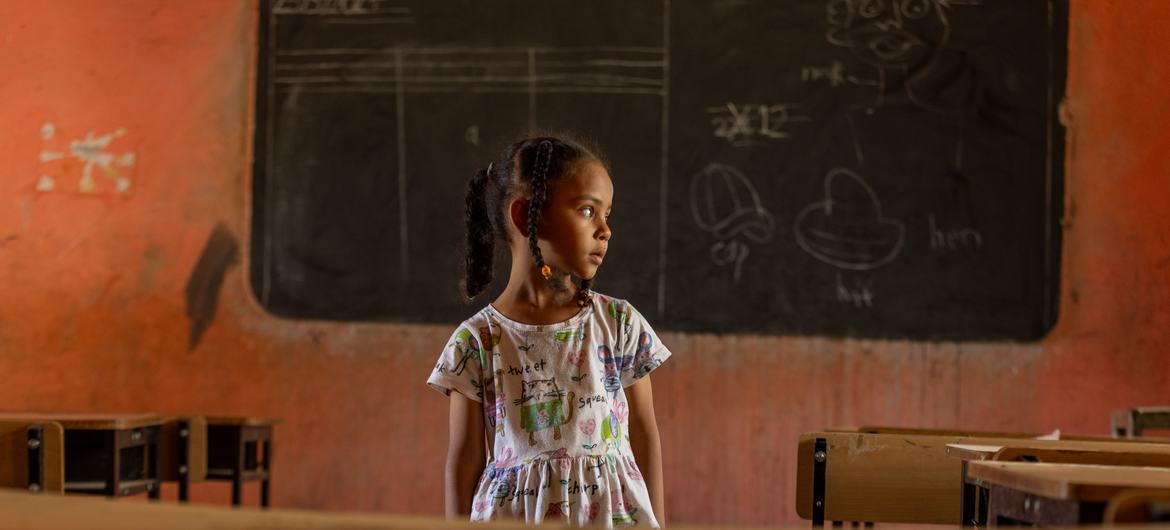
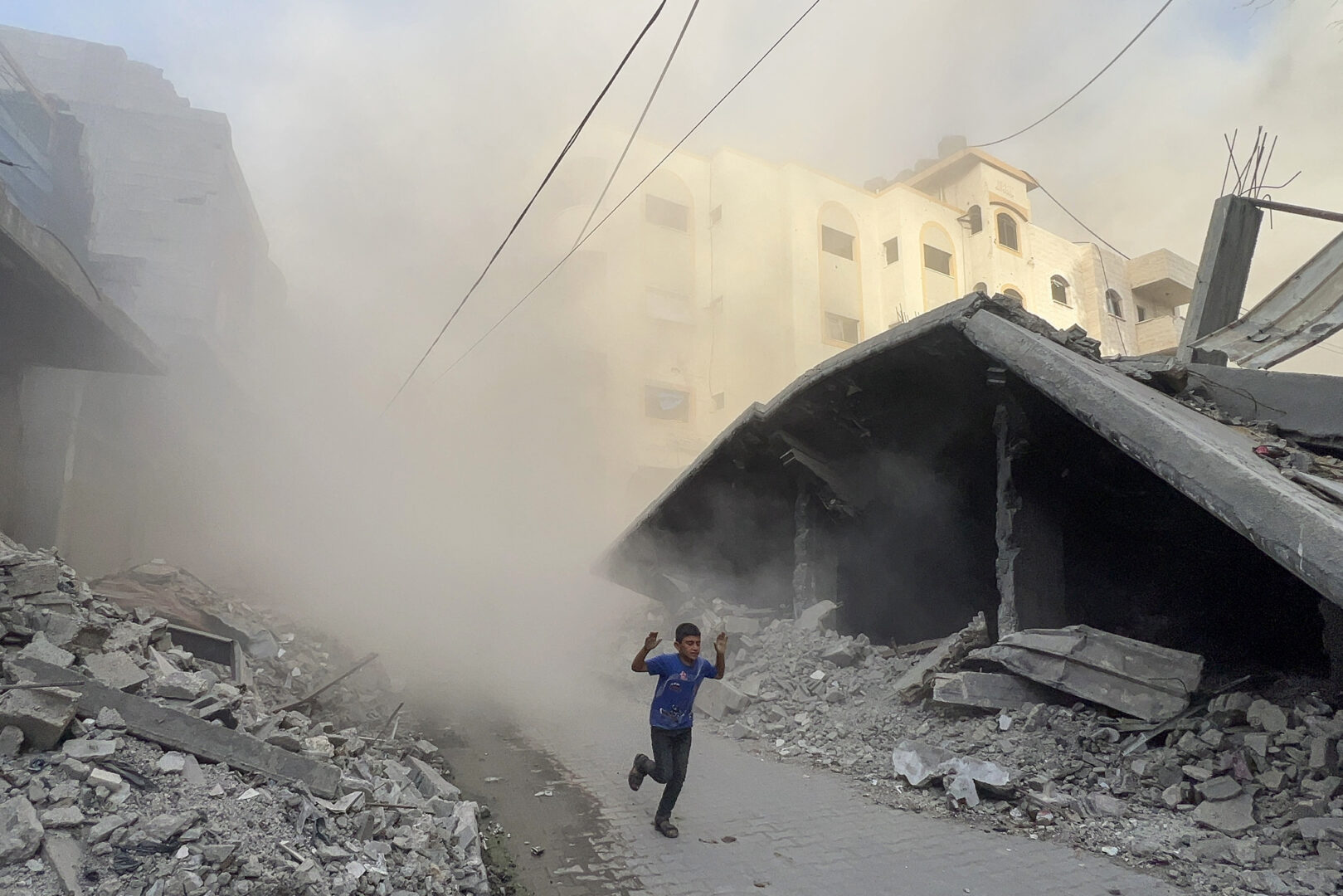
Children, as the UN’s various agencies emphasised, are bearing a disproportionate share of the immediate harm. UNICEF reported seven children killed and 38 injured in Lebanon in a single 24-hour period, while the broader pattern of disruption to education, health and psychological services compounds the long-term developmental costs for displaced cohorts.
Hospitals and health facilities suffered damage in some areas, prompting WHO warnings about risks to medical care for civilians and the additional strain on refugee receiving systems.
Movement patterns are uneven and politically fraught. Iran saw mass departures from Tehran in the immediate aftermath of attacks, with an estimated 100,000 people leaving the capital in the first two days after strikes, largely moving north, though cross border surges remained limited.
Iraq tightened entry restrictions for Iranian nationals at some crossings, allowing only Iraqi citizens already inside Iran to return. Afghanistan’s Omari and Takhtapul reception centres operated under heightened security, and preliminary OCHA estimates cited roughly 16,400 displaced households in the provinces of Paktya, Paktika, Nangarhar, Kunar and Khost.
Sources, UNHCR, UNICEF, WHO, IAEA, OCHA live updates.
Words That Kill …
Officials from the United States, Iran, and Israel are using rhetoric that signals dangerous contempt for the laws of war. The civilians caught in between will pay the price.
Iran War/Twelve Years Old and Fit for Duty!
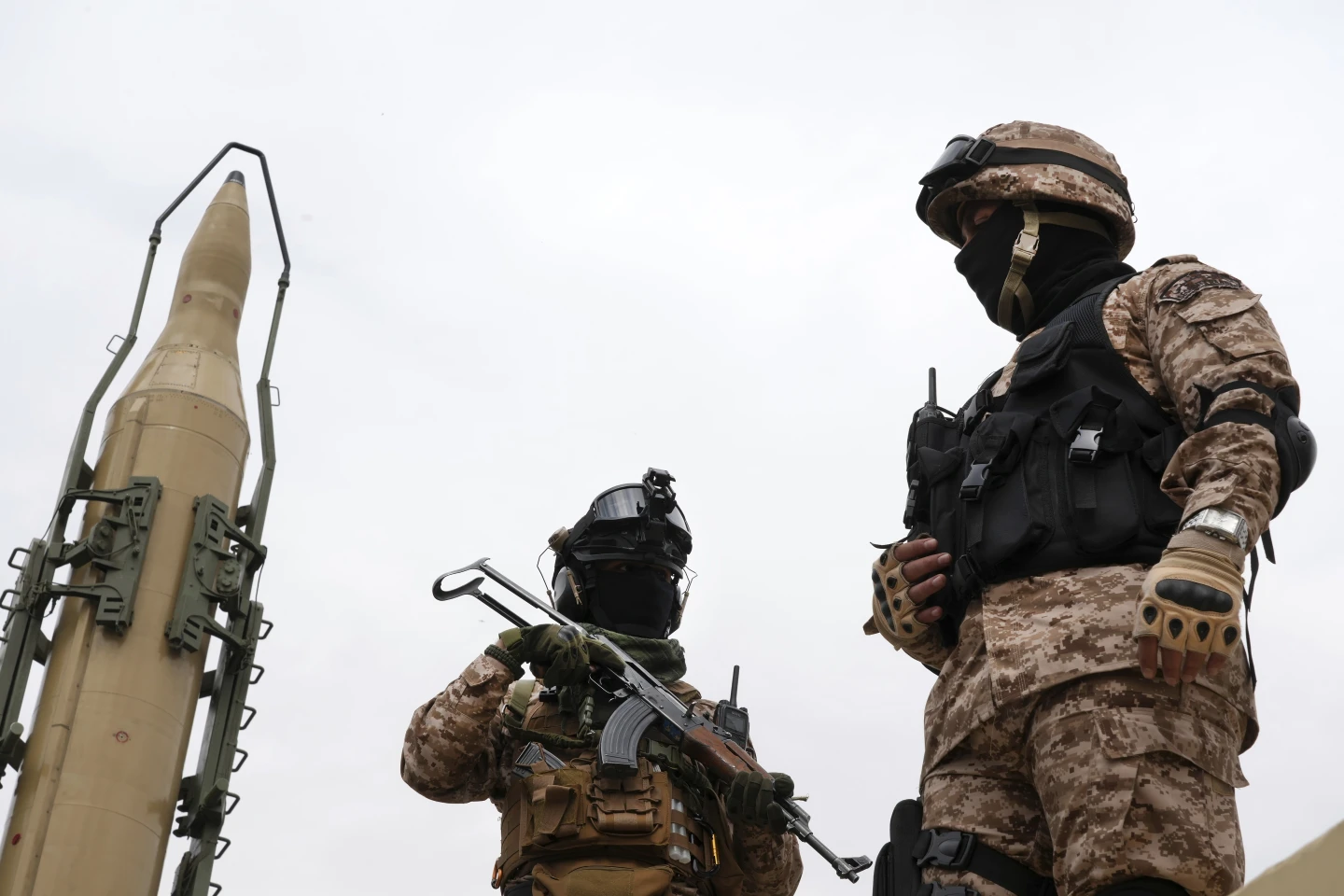
Iran’s Revolutionary Guards are recruiting children as young as 12. Under international law, enlisting those under 15 is a war crime.


Our Network
Our Channels

© 2026 Al Jazeera Media Network. All rights reserved.