

A Looming Environmental Catastrophe
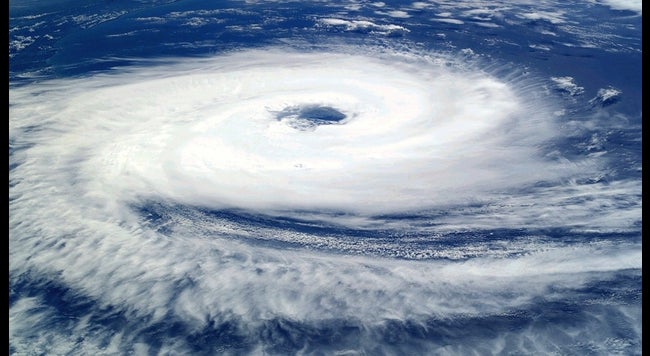
As tensions escalate following the strikes on Iranian oil depots, alarming reports from the World Health Organization (WHO) and the UN Office of the High Commissioner for Human Rights (UN OHCHR) suggest that residents of Tehran may soon confront a dire environmental disaster marked by the troubling emergence of “black rain” and acid rain.
The attacks, which occurred on March 10, 2026, have raised significant alarm over the impending health risks posed by the release of dangerous hydrocarbons, sulfur, and nitrogen compounds into the atmosphere. These pollutants present immediate dangers to respiratory health, as well as the potential for long-lasting environmental damage that could reverberate through the region for years to come.
The strikes, indicative of a troubling trend in warfare that prioritizes destruction over explicit military objectives, challenge fundamental principles of international humanitarian law. They draw attention to the urgent need for strict adherence to safety protocols and proportionality in conflict settings.
The unfolding crisis comes at a time when nearly 700,000 displaced individuals in Lebanon are grappling with profound trauma, exacerbated by deteriorating health conditions, as highlighted by the UN High Commissioner for Refugees (UNHCR) and the UN Office for the Coordination of Humanitarian Affairs (OCHA). These vulnerable populations urgently require immediate assistance as their situations become increasingly precarious.
This episode serves as a stark reminder of the intricate relationship between environmental protection and civilian safety in conflict zones. It emphasizes the critical need for thorough independent investigations into the impact of military operations on the environment and for the establishment of reliable health monitoring systems.
The ramifications of environmental damage extend far beyond national borders, placing immense strain on global health and collective efforts to protect our planet’s ecological integrity.
As we navigate this complex landscape, the international community must rally to ensure that humanitarian considerations are not sidelined in the blurred lines of modern warfare.
The growing evidence of environmental crises tied to conflict underscores an urgent call to action, highlighting the essential need for a concerted and equitable response that safeguards human health while preserving the natural world for future generations.
Sources include statements from the WHO, briefings from the UN OHCHR, and displacement estimates from the UNHCR and OCHA, all dated March 10, 2026.
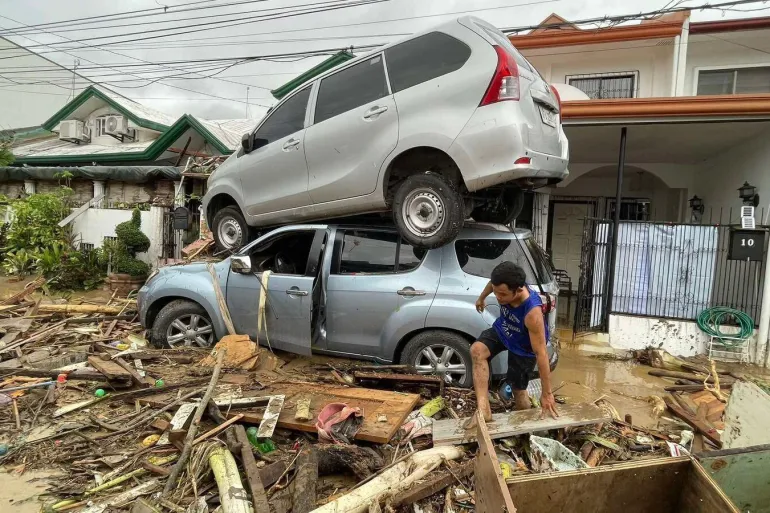
Mozambique, Flooding, and Imminent Dam Risk
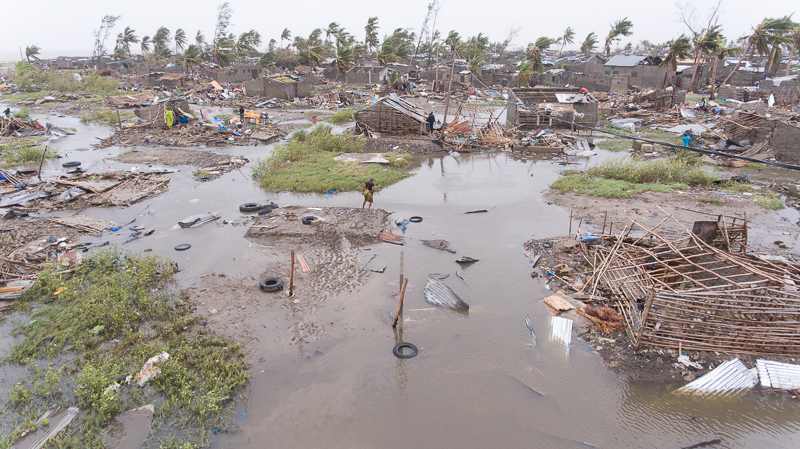
The United Kingdom dispatched search-and-rescue teams on Tuesday and Thursday to support Mozambican authorities, underscoring an international response to a fast-moving humanitarian emergency.

United States, Winter Storm, Transport Paralysis and Federal Emergency Declarations
President Donald Trump approved federal emergency disaster declarations for 12 states: South Carolina, Virginia, Tennessee, Georgia, North Carolina, Maryland, Arkansas, Kentucky, Louisiana,...





Our Network
Our Channels

© 2026 Al Jazeera Media Network. All rights reserved.