
Thailand’s Myanmar refugee camps face a humanitarian crisis amid US aid cuts
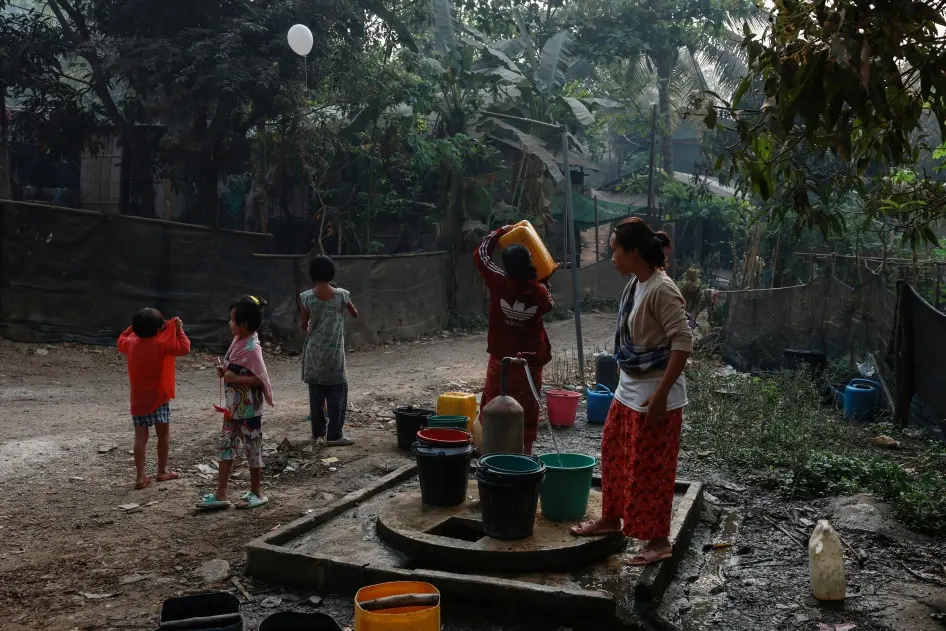
Refugees collect water at Mae La refugee camp in Mae Sot, Thailand, March 5, 2025/HRW
More than 100,000 Myanmar refugees living in camps along Thailand’s border have been left without crucial food and healthcare after the United States slashed funding, Human Rights Watch reports.
Aid groups such as The Border Consortium and the International Rescue Committee ceased most assistance at the end of July 2025, leaving refugees dependent on dwindling resources and struggling to survive.
Restricted from legal employment or free movement, many refugees face hunger, deteriorating health, and rising insecurity.
Malnutrition among children has increased for the first time in years, while mental health issues and drug use are on the rise. Some have resorted to risky migration or petty theft to feed their families.
The Thai government, which controls refugees’ rights to work and travel, has yet to announce new policies to address the crisis.
Human Rights Watch urges Bangkok to legalise work and ease movement restrictions, arguing it would empower refugees and bolster Thailand’s economy, which is grappling with labour shortages and an ageing population.
With violence in Myanmar showing no signs of abating, the camp population has grown by over a third since 2021.
Donor countries are called upon to plug the urgent funding gap, while Thailand is urged to shift from a containment model to one that grants refugees greater autonomy and dignity.
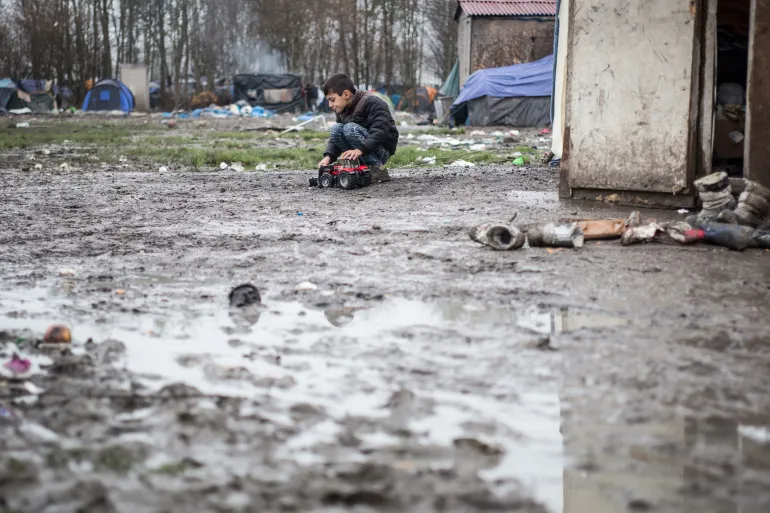
Legal Challenge to Suspension of Refugee Family Reunion Scheme in the UK
As the legal proceedings unfold, the outcome could set a significant precedent for the treatment of refugee families in the UK, highlighting the delicate balance between national policy and...

Airlines: One in One Out Deportations and Calls for Corporate Conscience
Campaigners say the policy risks breaching international obligations and places vulnerable people in danger, while a high‑court challenge by 16 asylum seekers was expedited in response to...






Our Network
Our Channels

© 2026 Al Jazeera Media Network. All rights reserved.