

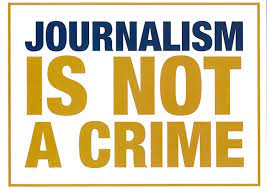
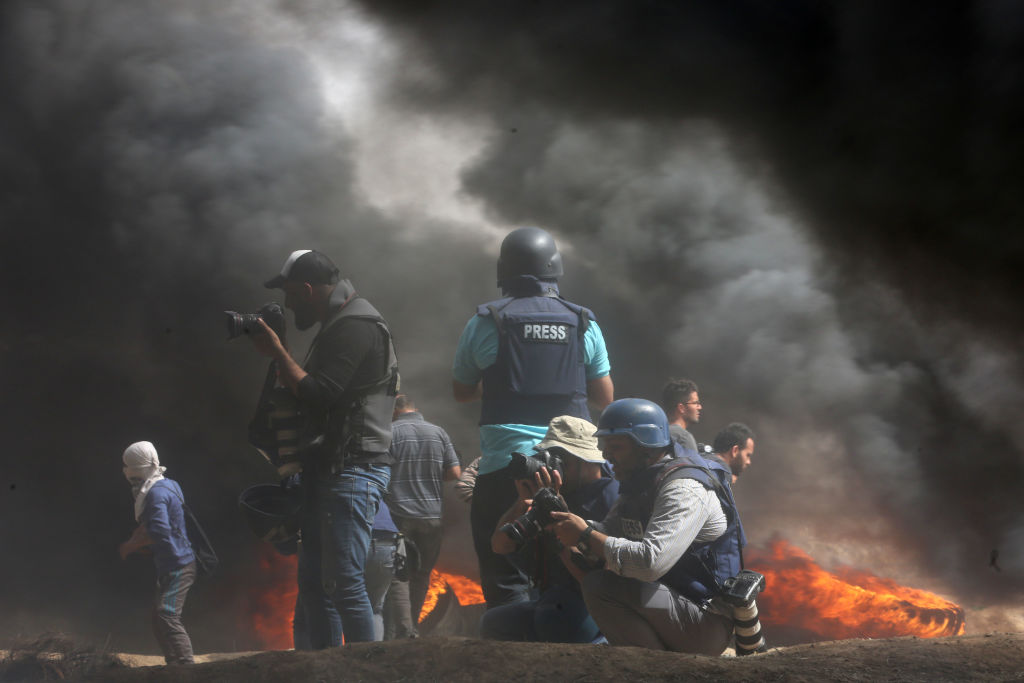
In a profession built on uncovering truth, far too many journalists have paid for it with their lives. Since 2006, more than 1,800 reporters and media workers have been killed in the line of duty, according to figures from UNESCO. Even more alarming, close to nine in ten of those murders have gone unpunished. The data paint a bleak picture of global justice: when those who silence journalists are never held to account, the killings tend to continue.
Impunity breeds impunity. Each unprosecuted crime becomes an invitation to the next. UNESCO warns that this failure of justice is rarely isolated; it usually signals deeper decay, from eroded rule of law to festering conflict and corrupt governance. Beyond the tragedy of individual loss, impunity muffles entire societies, hiding human rights abuses, graft, and the crimes of those who fear scrutiny most.
It was the recognition of this pattern that led the United Nations General Assembly, in 2013, to adopt Resolution 68/163, creating the International Day to End Impunity for Crimes against Journalists (IDEI), observed every year on November 2nd. The date was not chosen at random: that same day, two French journalists were abducted and killed in Mali, a stark reminder of the dangers of reporting from conflict zones. The resolution called on governments to take “definitive measures” to stop treating such crimes as inevitable.
Every two years, UNESCO publishes its Director-General’s Report on the Safety of Journalists and the Issue of Impunity, assessing how well or poorly countries have responded. The 2024 edition revealed a dispiriting truth: 85% of journalist killings worldwide still go unresolved. In other words, in most cases, neither the killers nor those who ordered them face justice.
To track these grim statistics, UNESCO maintains its Observatory of Killed Journalists, a public database documenting every known case since 1993. It records not only names and dates, but also the judicial status of investigations and the responses (or refusals) of member states. This year alone, 86 journalists have been killed, raising the total to 1,836. Each entry is a story that was never finished, a report that never reached print or broadcast.
UNESCO’s work does not stop at record-keeping. The organisation leads the UN Plan of Action on the Safety of Journalists, pressing states to strengthen laws, improve protections, and ensure that perpetrators are actually prosecuted. It trains institutions to prevent attacks, assists in legal reforms, and highlights the unique dangers faced by women journalists, who often endure both physical threats and gender-based abuse.
Despite these efforts, progress is patchy at best. In war zones, reporters are targeted with impunity by armed groups and, at times, state forces. Elsewhere, they are silenced by cartels, political bosses, or business interests. In many countries, weak judicial systems and political meddling ensure that justice is delayed or quietly buried.
The result is a vicious cycle: fear breeds silence, and silence breeds ignorance. The killing of a journalist is not merely an assault on a person; it is an attack on society’s right to know. Without accountability, truth becomes negotiable.
That is why UNESCO insists that defending journalists’ safety is not a niche concern of the media, but a cornerstone of democratic life. Each November 2nd serves as a reminder: until those who murder journalists are brought to justice, no society can truly claim to be free.
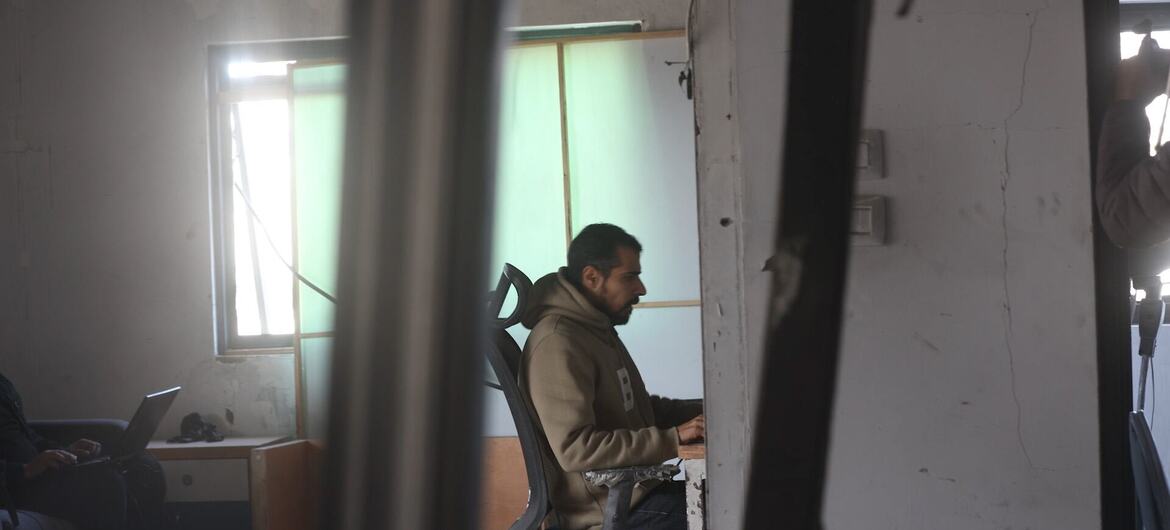
Gaza’s Airwaves, Radio Returns as a Humanitarian Lifeline
Humanitarian and reconstruction policies should prioritise media recovery as part of recovery: rapid supply of transmitters and fuel, training and protection for journalists, and funding for...
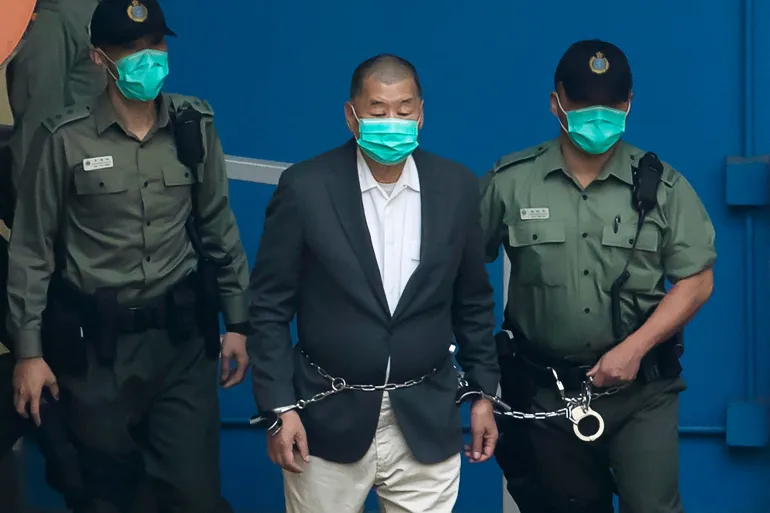
Hong Kong’s Assault on Freedom of Expression
Lai had already faced multiple convictions prior to this lengthy sentence, including charges related to unauthorized assemblies and fraud, resulting in over seven years behind bars. In 2024,...
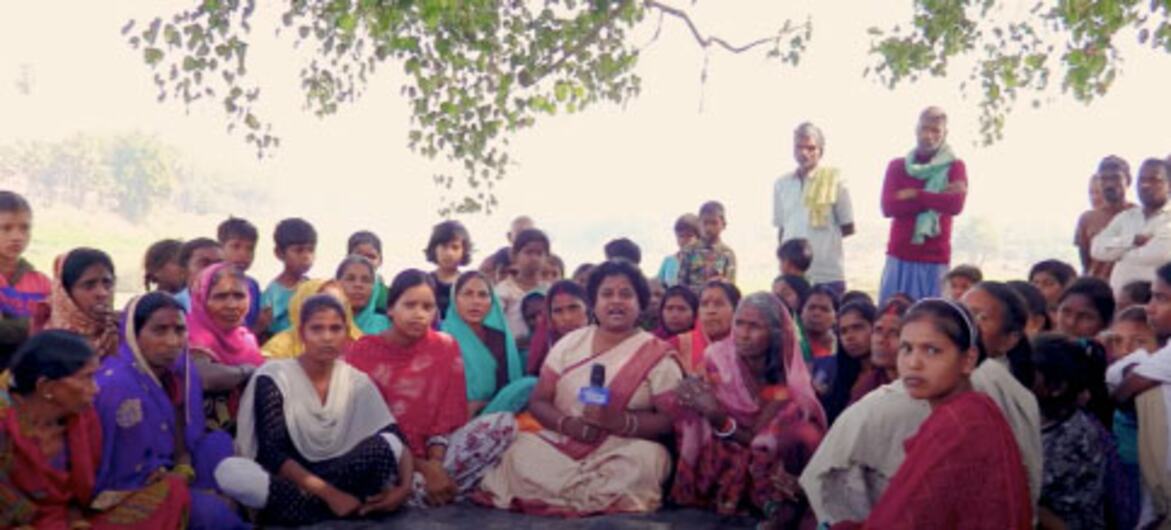
How Rural Indian Women are Redefining Journalism
India’s women reporters are transforming journalism, especially in rural areas. Khabar Lahariya offers a powerful example of grassroots innovation, inspiring broader reflection on whose voices...

- Events
- Gaza’s Tragic Present and Uncertain Future
- Human Rights, Values, and Culture.
- Humanitarian Crisis
- Press Freedom
Al Jazeera Forum: Navigating the Complexities of Human Rights, Accountability & International Law
Discussions included the role of the ICC prosecutor and the importance of consistent enforcement to avoid perceptions of selective justice. Despite challenges, international law was recognized...
- Most Viewed
- Most Popular


Our Network
Our Channels

© 2026 Al Jazeera Media Network. All rights reserved.