
US/A Report Without Rights
Archive/Al Jazeera
The United States’ annual human rights report—long a cornerstone of global rights advocacy and congressional oversight—has, under the Trump administration, been stripped of credibility and purpose.
The latest edition, released on August 12th, omits key categories of abuses and whitewashes the records of friendly autocracies, according to Human Rights Watch.
Sarah Yager of Human Rights Watch described the report as “an exercise in whitewashing and deception.”
Although it meets the minimal statutory requirements, critics argue that it abandons the report’s role as a reliable tool for shaping foreign policy, vetting arms sales, and supporting asylum claims.
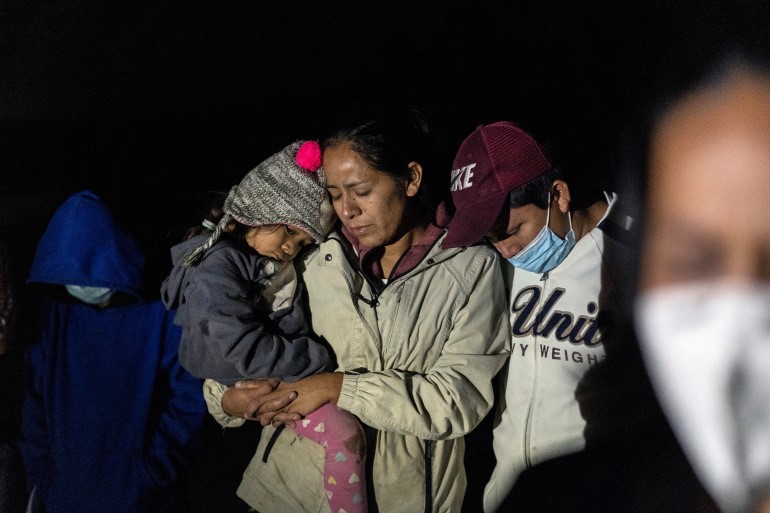
Nowhere is this politicization more evident than in the administration’s approach to immigration enforcement, specifically deportations.
While acknowledging serious abuses in countries such as Venezuela, South Sudan, and Haiti, the Trump administration continues to strip nationals of temporary protected status and forcibly return them to dangerous conditions.
Since its inception in the 1970s, the State Department report has served as a global benchmark on human rights conditions—informing everything from sanctions to asylum proceedings.
That credibility is now in doubt. By downplaying abuses in countries with which it seeks closer ties, the Trump administration has transformed a vital instrument of accountability into a tool for political convenience.
The cost, critics argue, is not merely institutional. For human rights defenders in closed societies, the loss of public U.S. documentation of abuses means diminished protection. For asylum seekers, it could mean forced returns to peril.
And for the global human rights movement, it represents yet another setback in an era of growing authoritarianism.
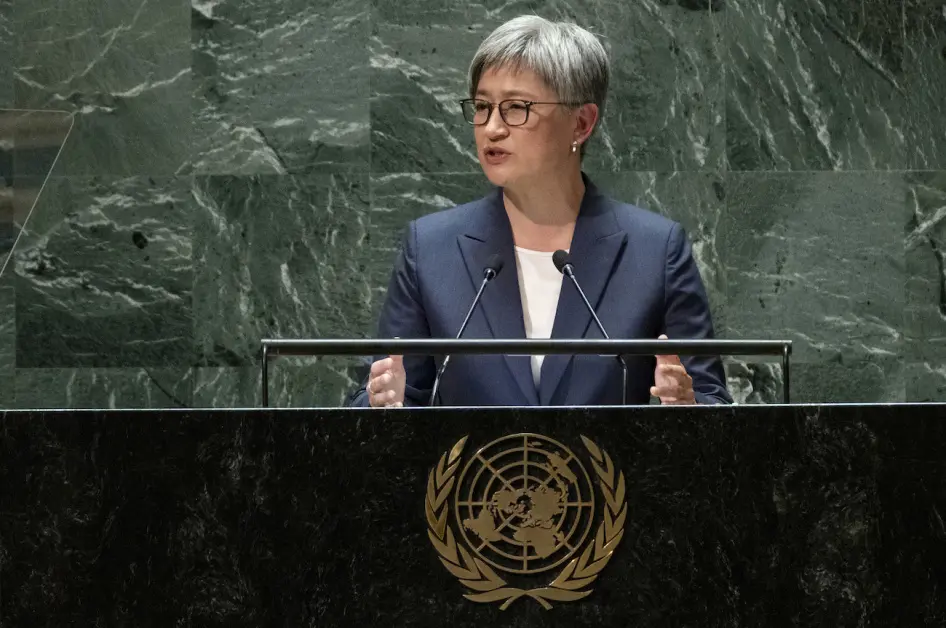
Ensure Women’s Inclusion in All Aspects of Foreign Policy
“International Women’s Day presents a significant opportunity for the Australian government to reflect on gender equality, both domestically and internationally,” remarked Daniela Gavshon,...
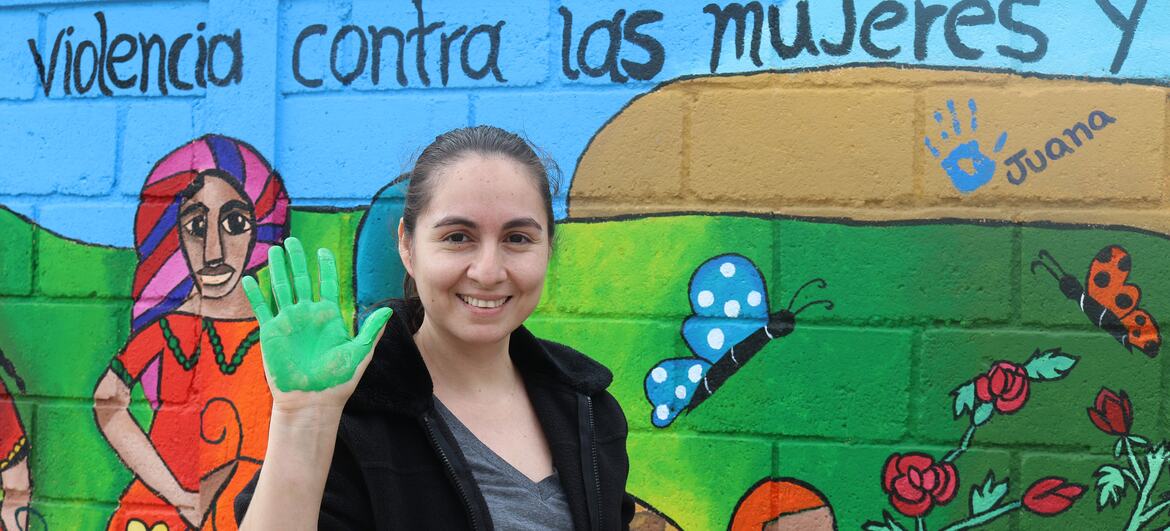
CSW70 and International Women’s Day
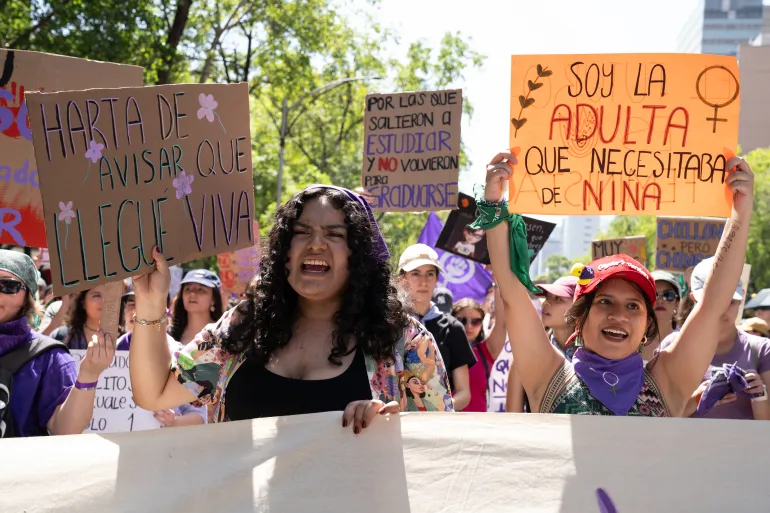
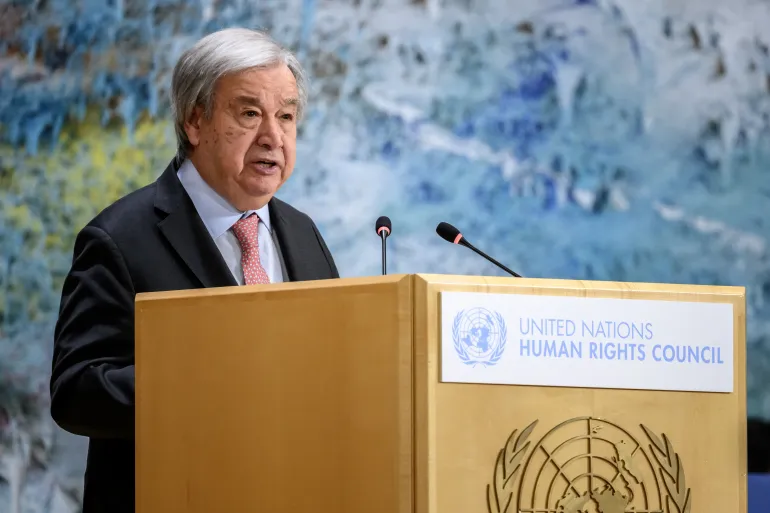
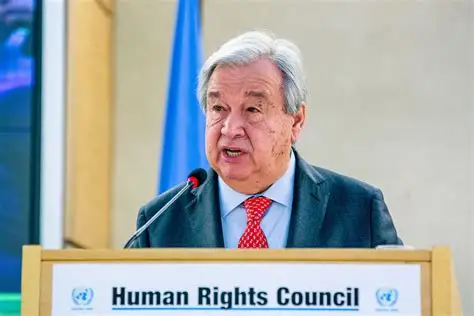
António Guterres used the podium to quantify a stubborn inequality: women retain, on average, only 64 per cent of the legal rights that men enjoy worldwide, a statistic he invoked to press...



Our Network
Our Channels

© 2026 Al Jazeera Media Network. All rights reserved.