

UNESCO Condemns the Deaths of Journalists in Gaza

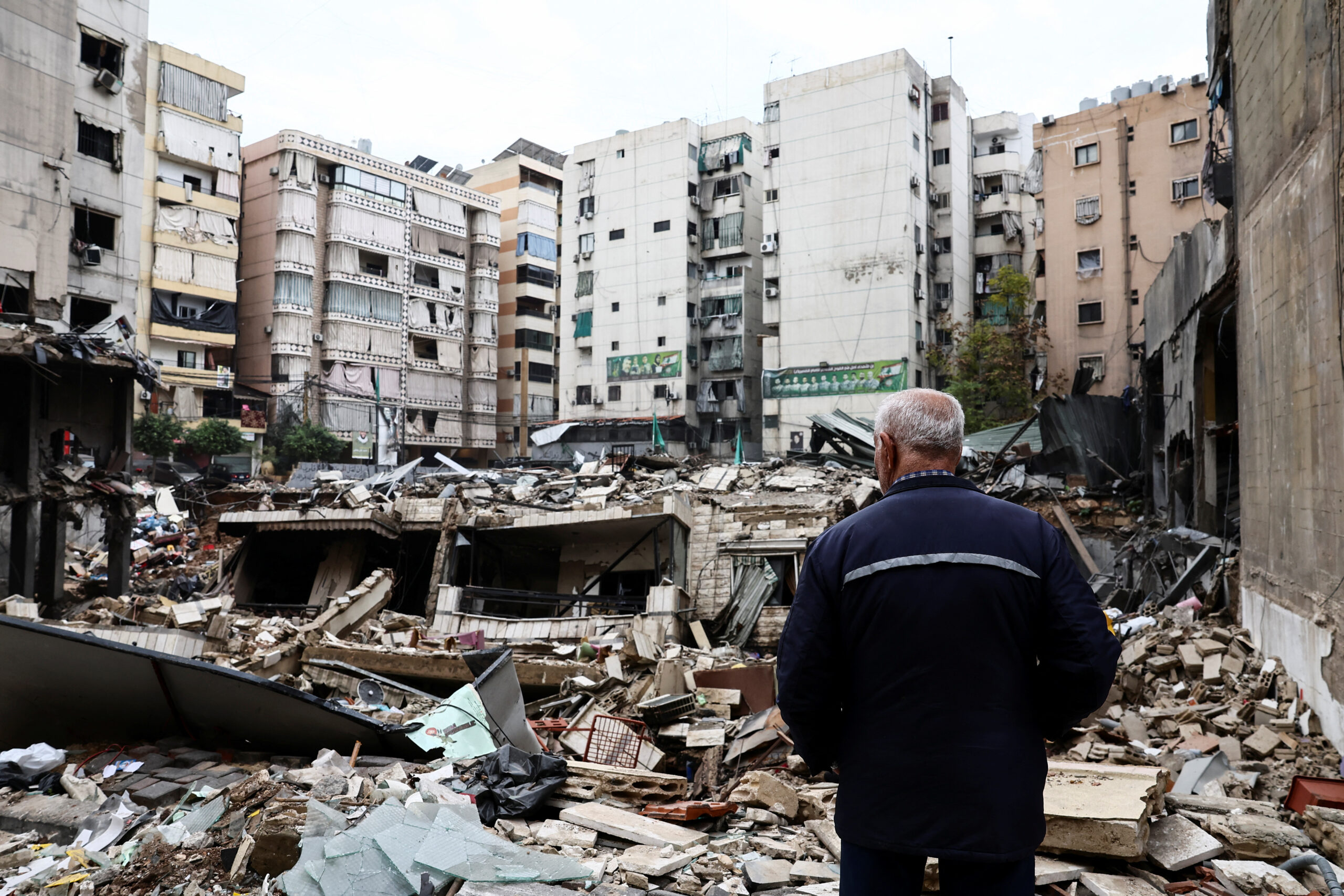
The fog of war continues to blur the lines between combatants and civilians in Gaza. On August 10th, six Palestinian journalists were killed in Israeli airstrikes in Gaza City while covering the latest round of bombardments. Their deaths have drawn international condemnation, most notably from UNESCO, the UN’s cultural and media watchdog, which warned of mounting threats to press freedom amid intensifying conflict.
Audrey Azoulay, UNESCO’s director-general, described the killings as a “grave violation of international law” and called on all parties to respect the protected status of journalists under the Geneva Conventions. “Freedom of the press is not a luxury during conflict,” she said. “It is a necessity.”
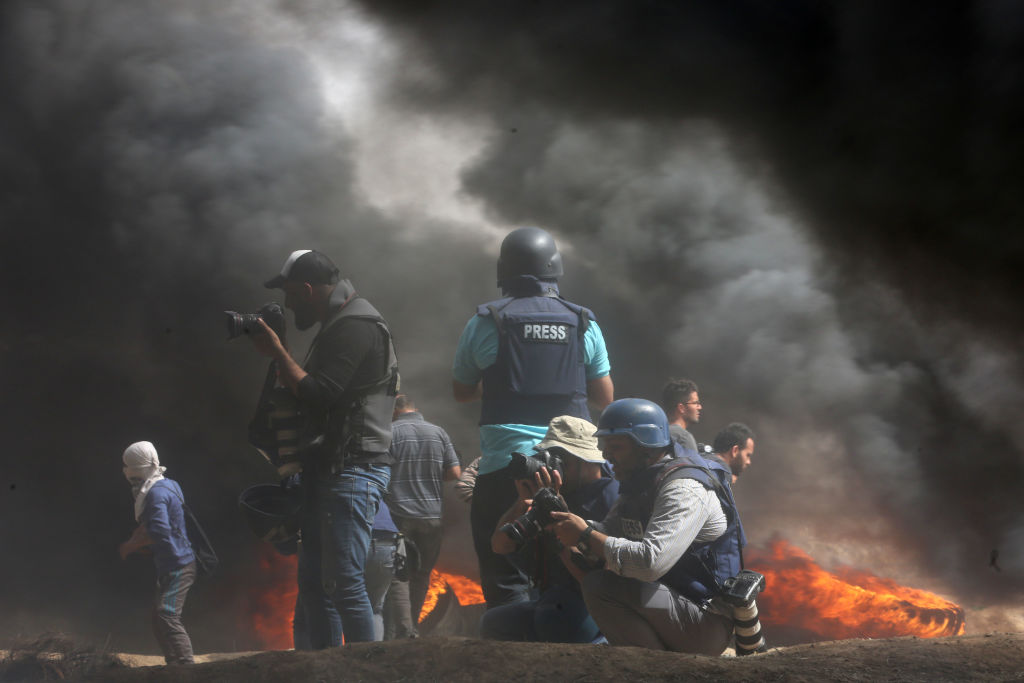
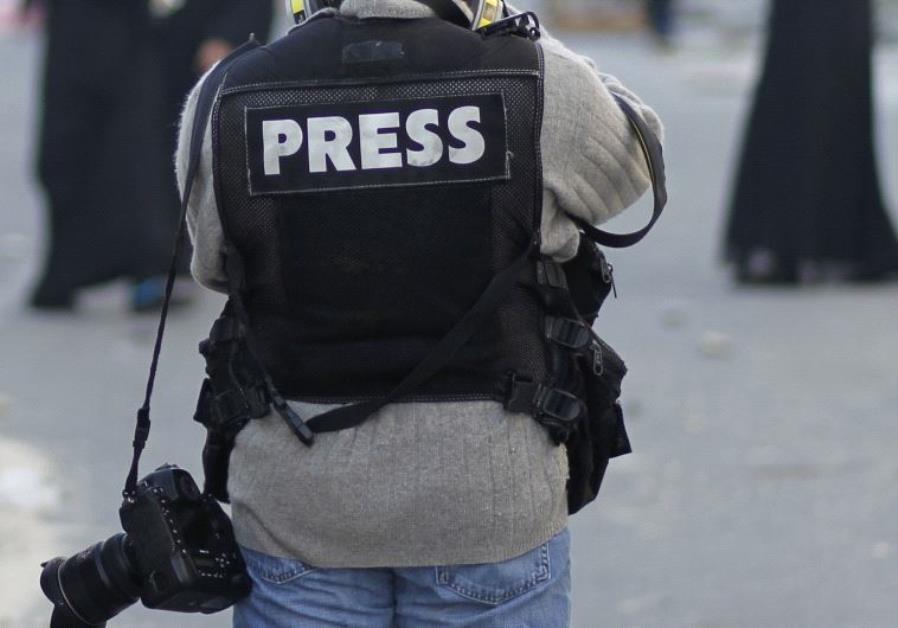
Journalists are afforded the same protections as civilians under international humanitarian law. But such protections are frequently disregarded in Gaza, where the intensity of the fighting—and the density of the urban environment—make even clearly marked press vests little protection. The latest deaths bring the number of journalists killed in the current conflict to over 30, according to press freedom groups, making it one of the deadliest periods for the media in recent memory.
UNESCO’s rebuke adds to a growing chorus of concern over the erosion of press freedoms in conflict zones. The organisation has repeatedly warned of a climate of impunity surrounding attacks on media workers. Few of the perpetrators are ever brought to justice; even fewer cases are seriously investigated.
The dangers for journalists in Gaza are manifold. Israel claims militant groups embed themselves among civilians—including in press convoys—though it rarely provides evidence. Palestinian journalists, for their part, operate under dire conditions, with limited safety equipment, little institutional support, and the constant threat of violence from all sides. Reporting under such circumstances is both an act of public service and one of personal risk.
UNESCO’s statement is unlikely to alter the calculus on the ground. But it underscores the long-term consequences of silencing independent media: without reporters, atrocities go unrecorded, abuses unchallenged, and truth becomes the first casualty of war. The deaths of these six journalists are a grim reminder that in Gaza, even those who merely document the war are increasingly becoming part of its toll.
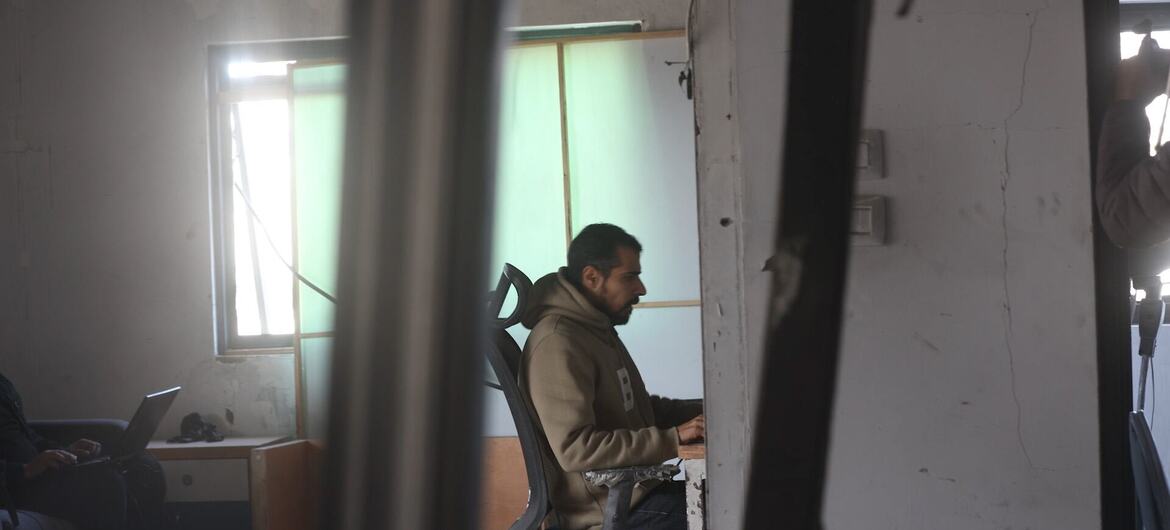
Gaza’s Airwaves, Radio Returns as a Humanitarian Lifeline
Humanitarian and reconstruction policies should prioritise media recovery as part of recovery: rapid supply of transmitters and fuel, training and protection for journalists, and funding for...
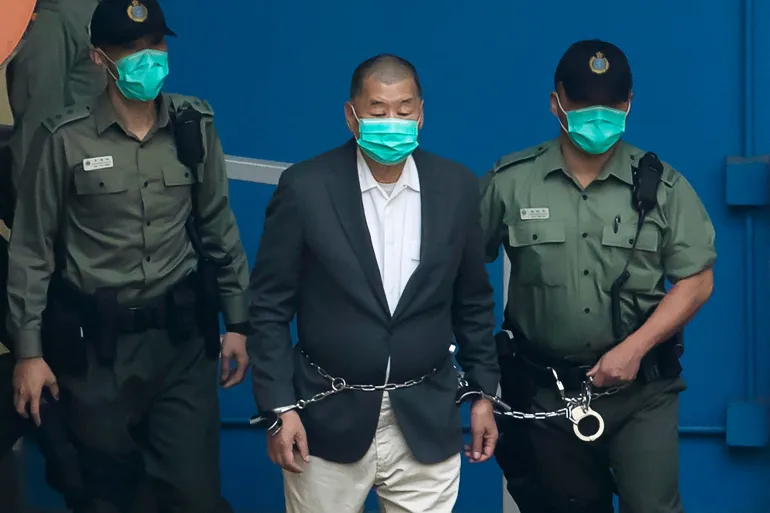
Hong Kong’s Assault on Freedom of Expression
Lai had already faced multiple convictions prior to this lengthy sentence, including charges related to unauthorized assemblies and fraud, resulting in over seven years behind bars. In 2024,...
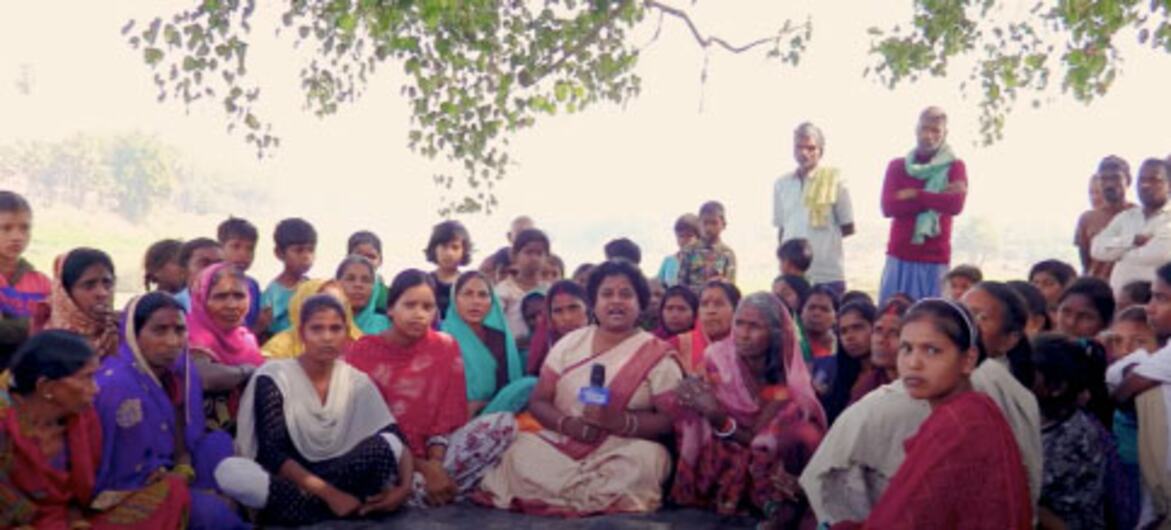
How Rural Indian Women are Redefining Journalism
India’s women reporters are transforming journalism, especially in rural areas. Khabar Lahariya offers a powerful example of grassroots innovation, inspiring broader reflection on whose voices...

- Events
- Gaza’s Tragic Present and Uncertain Future
- Human Rights, Values, and Culture.
- Humanitarian Crisis
- Press Freedom
Al Jazeera Forum: Navigating the Complexities of Human Rights, Accountability & International Law
Discussions included the role of the ICC prosecutor and the importance of consistent enforcement to avoid perceptions of selective justice. Despite challenges, international law was recognized...
- Most Viewed
- Most Popular



Our Network
Our Channels

© 2026 Al Jazeera Media Network. All rights reserved.