

UN Human Rights 2026 Appeal: Rallying Global Support to Protect Fundamental Freedoms
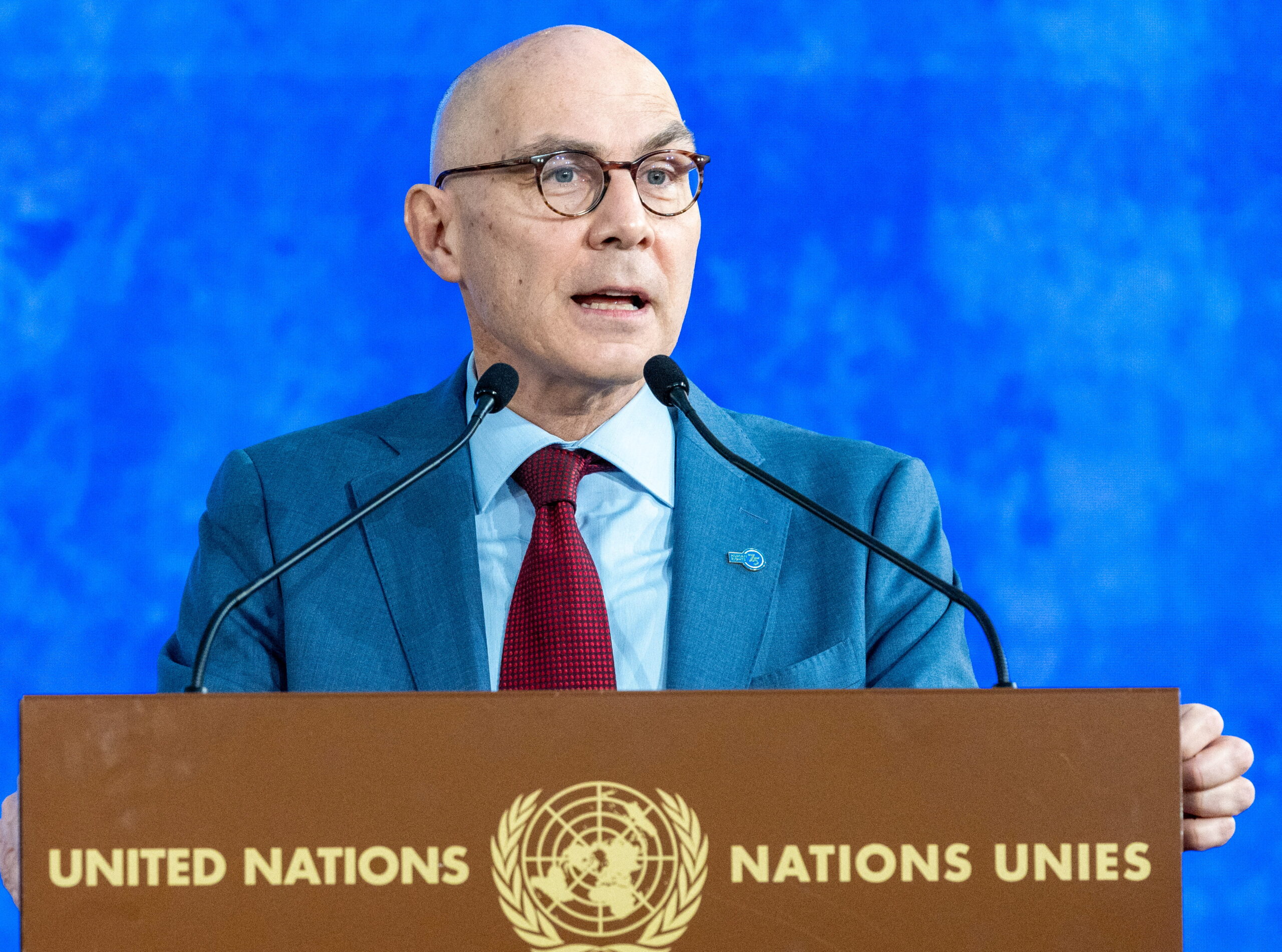
Türk reiterated a vision for 2026 that includes broader engagement with diverse audiences and fostering partnerships with greater scale and purpose.
The United Nations High Commissioner for Human Rights, Volker Türk, has launched the 2026 Annual Appeal in Geneva, calling for $400 million to support efforts to protect and promote the fundamental rights of individuals worldwide.
He emphasized the significance of this investment, stating that compared to other expenditures, the cost of supporting human rights efforts is relatively low, while the cost of neglecting them is immeasurable. At this critical juncture, he said, such funding would empower the organization to safeguard the full spectrum of human rights, civil, political, social, cultural, and economic, for everyone.
Despite substantial financial strain in 2025, UN Human Rights made remarkable achievements with over 1,875 dedicated staff working across 87 countries and headquarters.
These efforts included more than 5,000 monitoring missions and the observation of over 1,300 trials worldwide. Türk underlined how these interventions often occur out of public view but leave a lasting impact on those they serve.
Significant accomplishments in 2025 included documenting thousands of human rights violations across 21-armed conflicts, from Sudan and Gaza to Ukraine, as well as supporting survivors of torture and modern slavery in their recovery journey.
The organization also collaborated with over 35 governments to promote human rights-driven policies and exposed discriminatory practices in more than 100 countries. However, despite these successes, a lack of sufficient funding led to reductions in operations. Seventeen field projects were scaled back in countries like Colombia, the Democratic Republic of Congo, Guatemala, Guinea, and Honduras.
Türk explained how these limitations undermine “Protection by Presence,” a strategy where trained human rights officers act as a deterrent to violations through their physical presence. Looking forward, UN Human Rights is determined to remain ambitious despite the challenges. The organization aims to strengthen its capacity to respond to crises swiftly and coordinate global efforts in safeguarding people’s fundamental liberties.
Units like the Human Rights Investigation Branch (HRIB) will be prepared for rapid deployment during emergencies, and the Innovation and Analytics Hub will leverage data and AI technologies to enhance early warning systems and monitor developments globally.
Türk reiterated a vision for 2026 that includes broader engagement with diverse audiences and fostering partnerships with greater scale and purpose. This would ensure a more agile approach in addressing human rights issues globally. Furthermore, strategic resource allocation across six regional hubs, located in Panama City, Yaoundé, Addis Ababa, Vienna, Beirut, and Bangkok, aims to make operations more responsive and efficient.
Under the UN80 initiative led by the Secretary-General, the office will focus on embedding human rights perspectives within all UN efforts related to peacebuilding, security, and development. As crises continue to escalate across various parts of the world, the need for broad support grows ever more urgent.
UN Human Rights calls on Member States, philanthropic organizations, private sectors, and individuals alike to unite in their shared responsibility to defend lives, uphold dignity, and sustain human rights everywhere.

Europe’s Economic Security, and Why Human Rights Must Be Front‑Loaded
Strengthening due diligence laws, enforcing forced labour bans, protecting diaspora communities from transnational repression, and embedding labour standards in trade policies would align...

U.S. Immigration Policies Harm Pregnant Migrants
ICE’s official policy states that pregnant, postpartum, or nursing women are generally not to be detained for administrative immigration violations unless legally required or under exceptional...
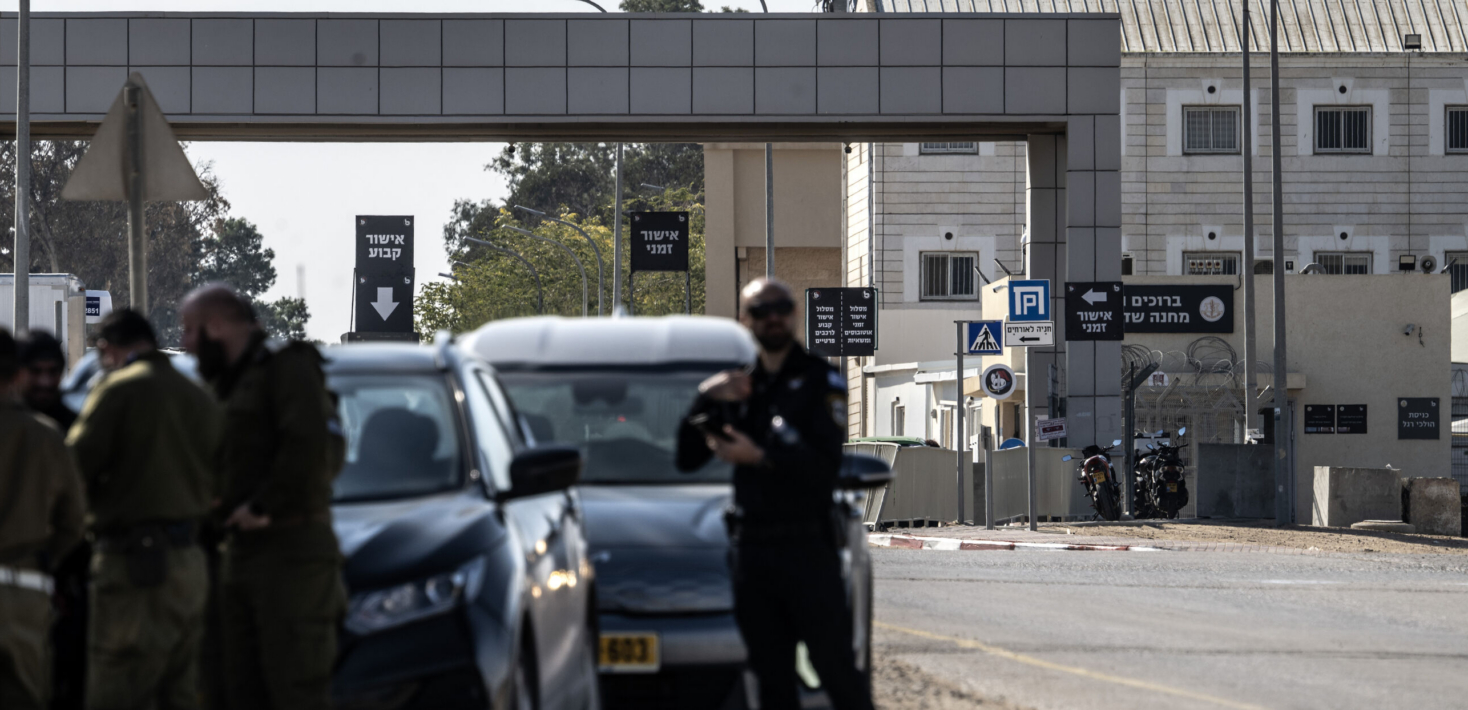
Impunity in Uniform/Israel’s Decision to Drop Charges Against Soldiers at Sde Teiman Is a Disgrace
The decision came at a moment of rising regional tensions and intense international scrutiny of Israel’s conduct in Gaza. That it was welcomed publicly by the prime minister, rather than...

- Most Viewed
- Most Popular








Our Network
Our Channels

© 2026 Al Jazeera Media Network. All rights reserved.