

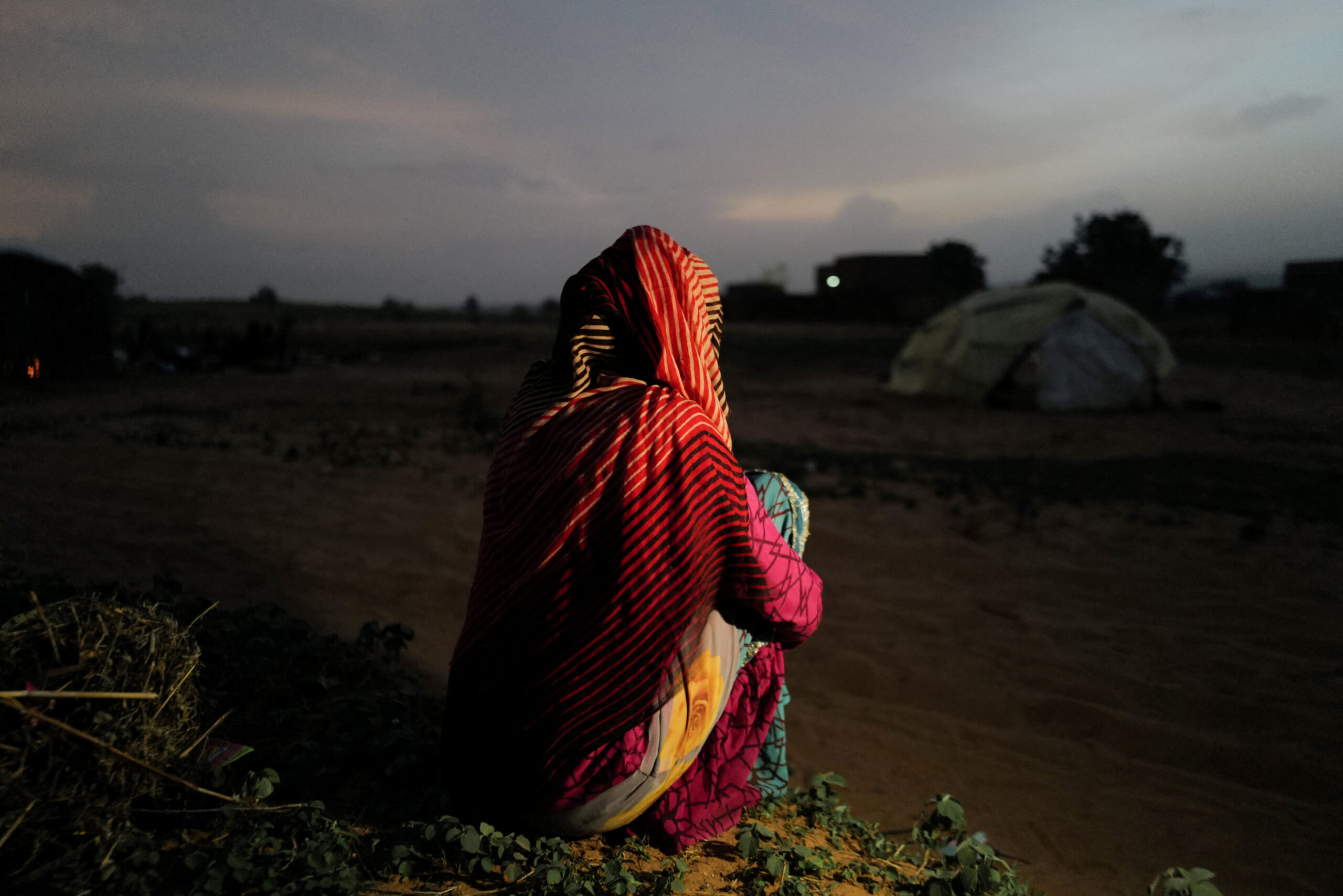
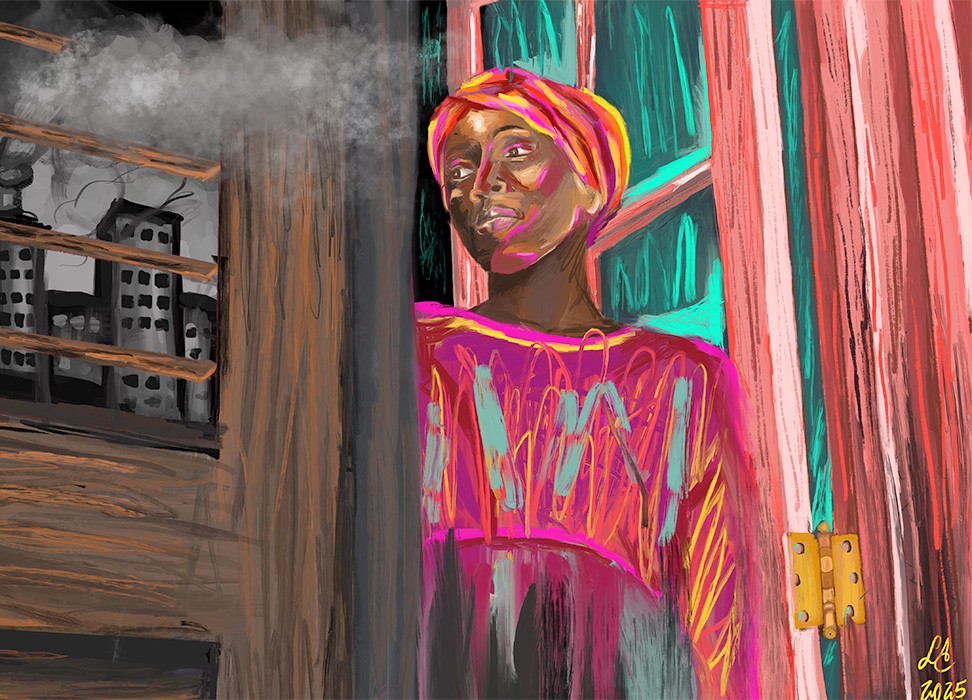
A Sudanese woman watches fiery horizons/Archive/ Jazeera.
A quarter-century after the UN Security Council first sketched out its agenda on women, peace, and security, the framework remains both an accomplishment and a rebuke. Resolution 1325 was once hailed as the moment when women’s rights advocates broke through the marble walls of the Security Council chamber. Today, the same agenda is straining under the weight of proliferating conflicts and the creeping erosion of commitments that had seemed settled.
The ambition of the original project was straightforward enough: women, who make up half the world’s population and bear a disproportionate share of conflict’s burdens, should be full participants in shaping peace. Research has since shown what activists long argued: that involving women improves the durability of settlements and speeds recovery. Yet the gap between aspiration and execution has grown harder to ignore.
Plenty has been achieved.
Women’s rights groups have used the WPS framework to elbow open doors in capitals that once dismissed them. A generation of civil-society briefers emerged to speak directly to diplomats, forcing them to confront the ways wars distort livelihoods, schooling, healthcare, property rights, and mobility for women and girls. National action plans proliferated, often after tenacious domestic lobbying. But many of these plans now languish unread; commitments evaporate at the moment they matter most.
In peace talks from the Middle East to South Asia, women still find themselves invited as decorative afterthoughts. Even the UN, nominally the custodian of the agenda, has occasionally sidelined women from processes it convened. Multilateral negotiations have seen deliberate attempts to excise references to gender-based violence altogether an unmistakable retreat.
Meanwhile, the vocabulary of what constitutes “gendered harm” has expanded dramatically. The list ranges from the familiar sexual violence, forced marriage, and trafficking to the often unseen: girls pulled from classrooms as families ration risk; women with disabilities unable to flee bombardment; older women left behind without transport or care; or female heads of household denied food aid because distribution systems assume a male intermediary. Water shortages can exacerbate infection risks for menstruating girls. A lack of documentation can cost displaced women the land they once farmed. Even women who fight as combatants confront stigma, exclusion from reintegration programmes, and threats from their own units.
A more intersectional understanding of conflict has followed. Age, disability, caste, ethnicity, religion, and gender shape exposure to violence and access to services. Refugee systems that register “family units” can trap women in abusive relationships. Accountability processes often mishandle gender-based crimes, mischarge them, or fail to charge them at all.
What is needed is not new rhetoric but a return to principle. Advocates argue that governments should insist on women’s full, safe, equal, and meaningful participation in every negotiation they touch, peace talks, treaty processes, and Security Council sessions.
They call on states to press for new international crimes that capture the systematic subordination of women; to place gender justice at the heart of accountability strategies; and to demand that the UN itself stop falling short.
Funding for women-led groups remains threadbare; national action plans often go unrevised for years. The women, peace, and security project was never a one-off achievement. Its survival depends on political will, the same scarce resource that underpins any peace process. Without renewed commitment, the world risks allowing one of the most hard-won breakthroughs of modern multilateralism to atrophy at the very moment it is most needed.
FIFA At the whistle, Reinstating Anti-Discrimination Is a Duty, Not PR
Under the UN Guiding Principles on Business and Human Rights, FIFA must prevent discrimination by enforcing sanctions, funding education, and reinstating visible campaigns. Punishments must be...
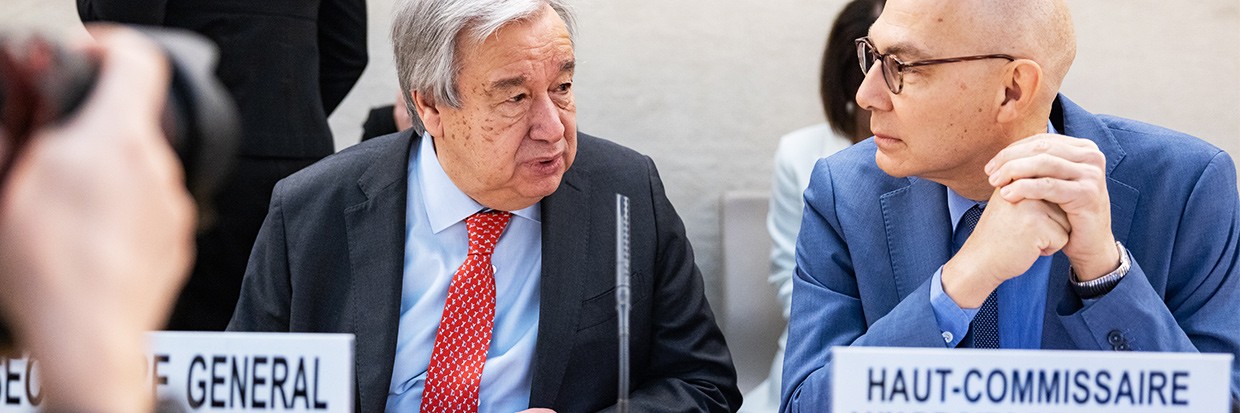
A Call to Action: Upholding Human Rights Amid Global Turbulence
In summary, the High Commissioner’s remarks call for a renewed commitment to human rights in these turbulent times, urging both immediate action and sustained efforts to foster a just and...
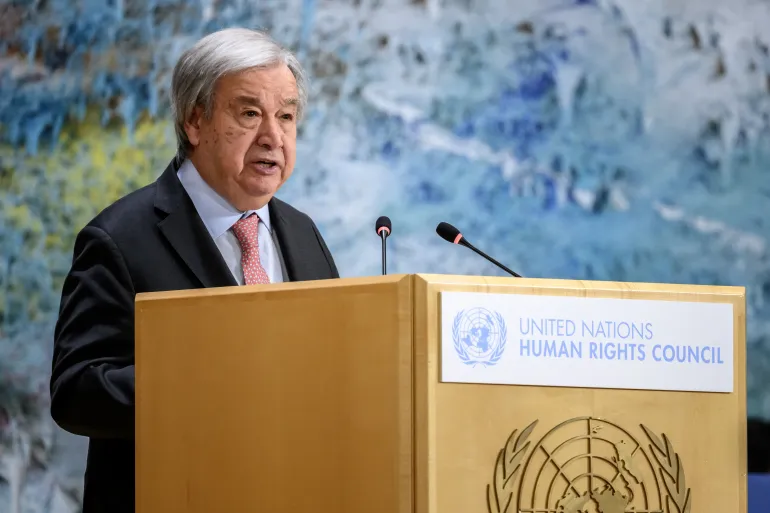
Geneva’s Human Rights Council, A Congested Agenda with High Stakes
The Council’s remit is comprehensive, but its power is constrained by politics. Membership includes states with contested human rights records, and the session’s outcomes will depend on...

Our Network
Our Channels

© 2026 Al Jazeera Media Network. All rights reserved.