

The UN Faces a Reckoning in Darfur
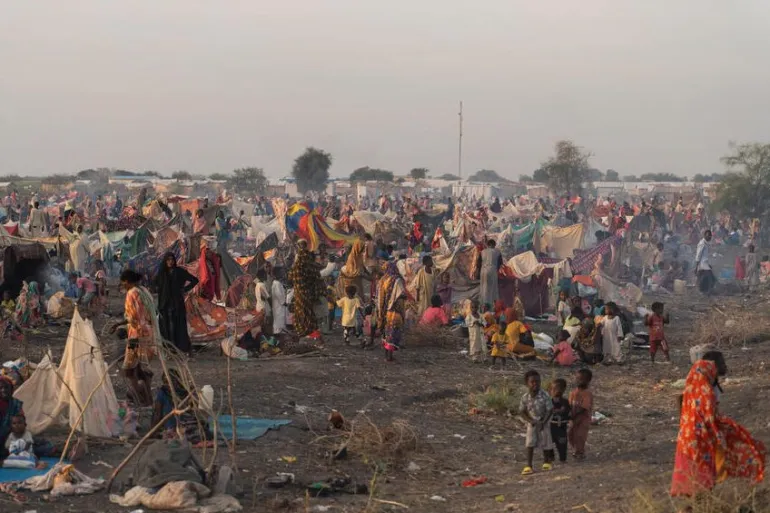
Archive/Al Jazeera/
When diplomats assemble in Geneva this week, few will need reminding why Darfur still haunts the United Nations.
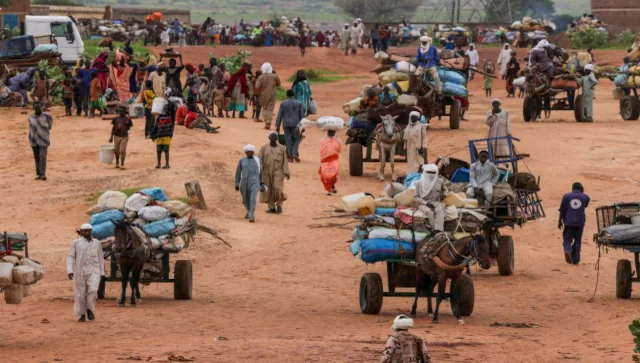
Nearly two decades after the region’s name became shorthand for atrocity, it is once again the epicentre of Sudan’s unravelling. El Fasher, the capital of North Darfur, now lies in ruins, its hospitals shelled, its displaced shelters gutted, its dead left unburied.
The UN Human Rights Council’s special session, called for November 14th after appeals from nearly fifty rights organisations, is a response to the latest horror. Videos verified by Human Rights Watch show fighters from the Rapid Support Forces (RSF) swaggering through the wreckage of El Fasher’s Faculty of Medicine, where corpses are scattered across the floor. In one clip, a man in civilian clothes, wounded but alive, is shot dead at close range. Elsewhere, the UN reports that patients and staff were massacred inside Al-Saudi Maternity Hospital.
Such images are ghastly but not new. The RSF’s record of brutality stretches back to its origins in the Janjaweed militias of the early 2000s. In 2023, the group waged an ethnic cleansing campaign in West Darfur and committed mass sexual violence in Khartoum and South Kordofan. What distinguishes El Fasher is not the savagery but the scale—and the world’s growing sense that nothing short of a reckoning will stop it.
Warnings from UN monitors now extend beyond Darfur. In North Kordofan, newly captured towns such as Bara are showing signs of the same grim pattern: executions, disappearances, and whole communities fleeing at night. Yet international reaction has remained feeble. The African Union, long hesitant to confront its member states, has done little beyond expressions of alarm. Western governments, for their part, have been cautious about sanctions and reluctant to name foreign enablers.
The Geneva meeting could, in theory, mark a shift. Rights advocates want the Council to establish a dedicated investigation under the UN Fact-Finding Mission for Sudan, with a brief to document atrocities in El Fasher and trace the flow of external support that sustains the RSF’s campaign. The resulting evidence, they argue, should be shared with the International Criminal Court, which already holds jurisdiction over war crimes in Darfur.
Whether that happens will depend on political will, a commodity in short supply. The UN’s record on Sudan is heavy with fine rhetoric and light on enforcement. Previous resolutions have been undercut by divisions within the Council and by the diplomatic weight of Gulf states that prefer to keep scrutiny at arm’s length. Still, momentum is shifting. The magnitude of the crimes in El Fasher may leave the Council with little choice but to act.
Even the most determined investigation will not end the war. But it could help pierce the sense of impunity that has allowed the RSF to operate with such confidence. Pressure on the group’s foreign backers, through sanctions, arms embargoes, or financial restrictions—would matter more than another round of statements from Geneva.
For Sudanese civilians, these distinctions are not academic. Every day without action is measured in lives lost and communities erased. Darfur’s story has long been one of indifference and repetition: atrocities documented, condemned, and forgotten. If the UN’s session this week brings more of the same, El Fasher will join a growing list of places where the world’s conscience arrived too late.
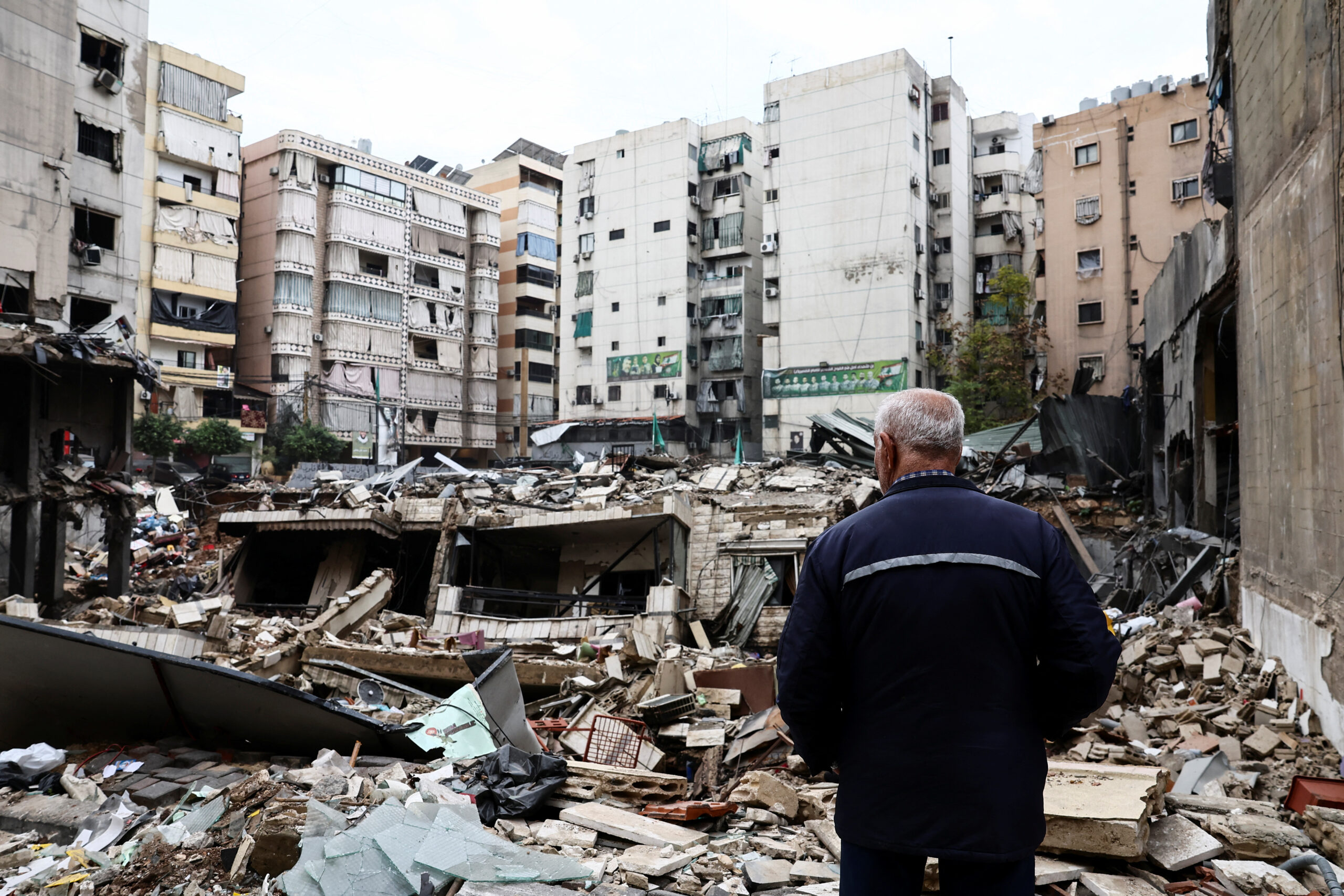
War Without Shelter
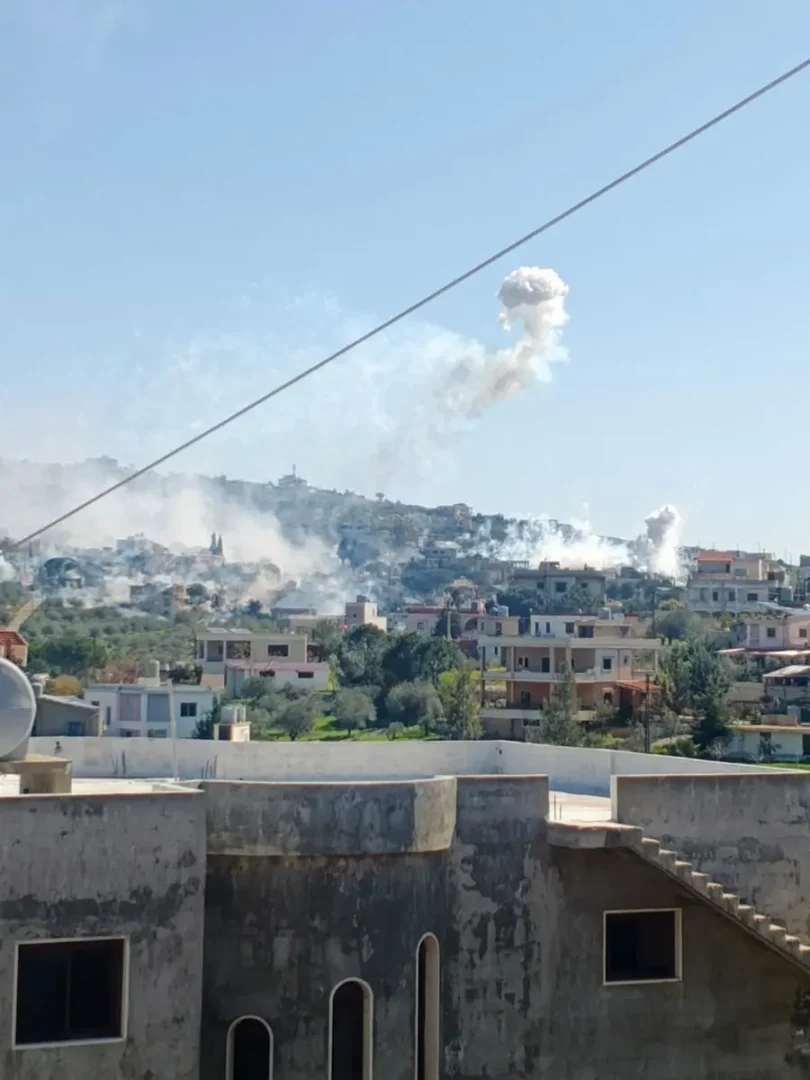
In Lebanon, Israeli strikes on targets linked to Hezbollah have intensified, often with less than an hour’s warning. Bridges destroyed in southern Lebanon have cut off entire districts,...
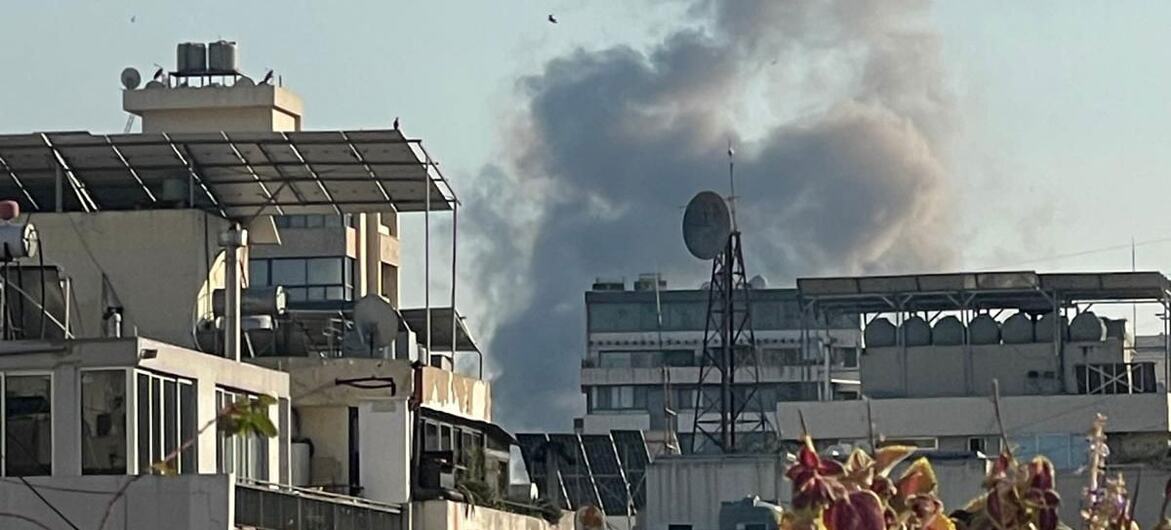
A War Spiralling Out of Humanitarian Law Control
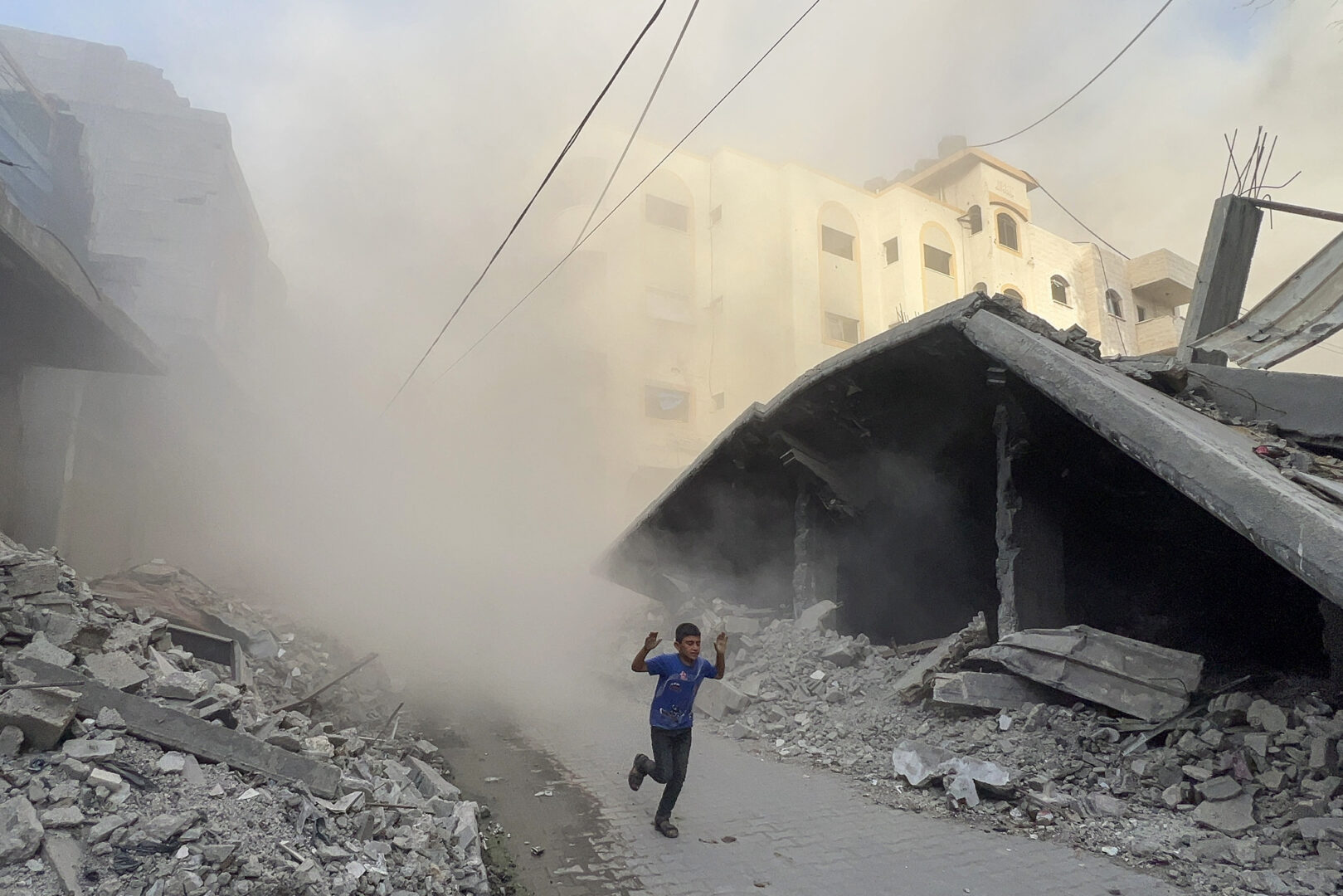
Strikes on Iran by the US and Israel have left more than 82,000 civilian structures damaged or destroyed, according to the Iranian Red Crescent Society.
Lebanon’s Spillover and Gaza’s Board of Peace
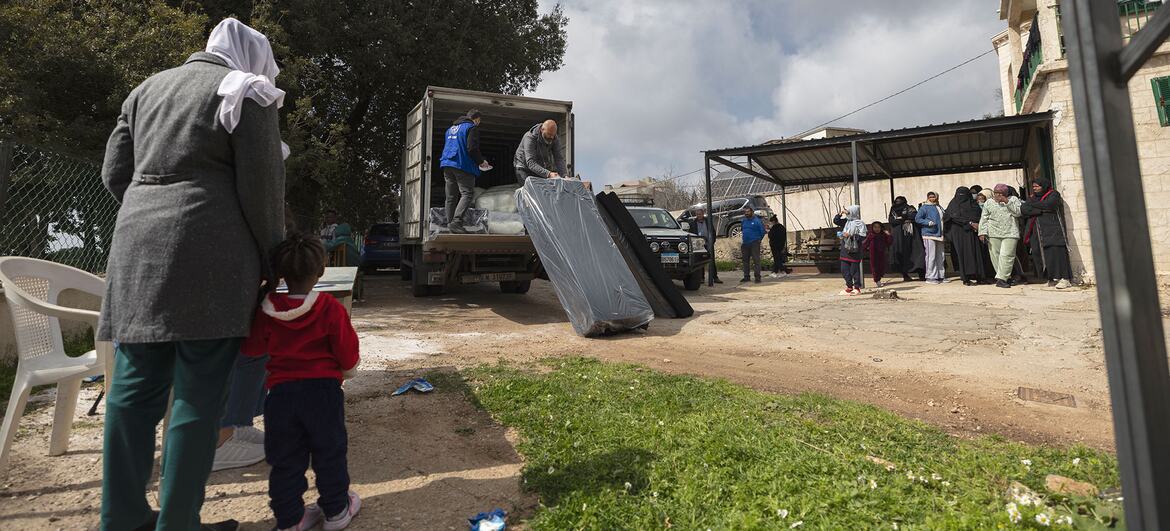
The council’s exchanges on 03/24/2026 underscored an urgent human rights imperative: protect civilians across borders, ensure aid corridors such as Rafah and Kerem Shalom remain open, and make...


Our Network
Our Channels

© 2026 Al Jazeera Media Network. All rights reserved.