

The UN Accuses World Leaders of Threatening Civilisational Annihilation
The language of apocalypse has entered the diplomatic mainstream. Volker Türk, the United Nations High Commissioner for Human Rights, issued a stark rebuke on Tuesday, warning that threats to annihilate entire civilisations and target civilian infrastructure cross from belligerent rhetoric into the realm of international criminality. His statement, pointedly addressed to “all parties”, left little ambiguity about its principal target.
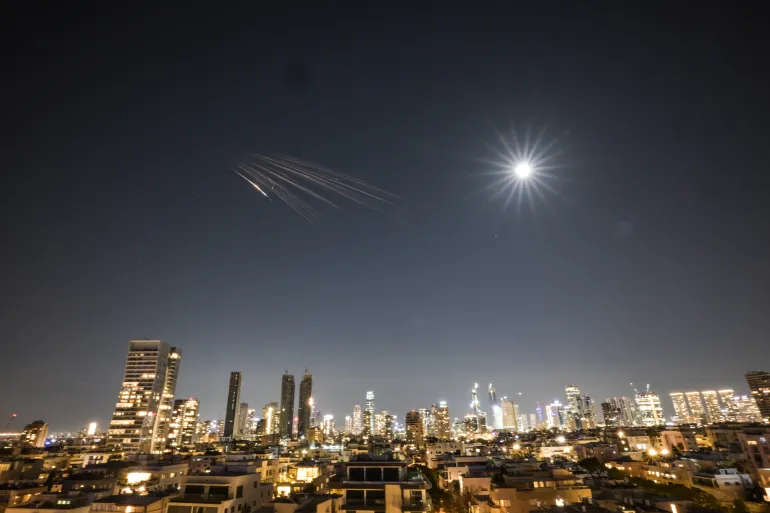
The backdrop is a conflict of alarming breadth. A crisis ignited by American and Israeli strikes on Iran, and Iran’s counterstrikes, has been spreading across the Middle East, causing significant damage in Iran, Israel and at least a dozen other countries, mostly in the Gulf, with risks of major economic and environmental ramifications across the world. The UN assesses the war has already caused some $63 billion in economic losses across the Arab region.
Mr Trump, whose taste for theatrical ultimatums has defined his return to the presidency, ratcheted up the pressure on Tehran by vowing the “complete demolition” of critical infrastructure, including bridges and power plants, if Iran failed to agree a deal by late Tuesday. On Truth Social, he warned that “a whole civilisation will die tonight, never to be brought back again.” Hours before his own deadline expired, the Israeli military announced it had already executed a broad wave of strikes on infrastructure sites across Iran.
Türk did not name Trump, nor the other belligerents in a conflict that began on February 28th. But his meaning was plain. He said he deplored “the tirade of incendiary rhetoric being used in the Middle East war over the last couple of weeks by all parties,” singling out “the latest threats to annihilate a whole civilisation and to target civilian infrastructure.” He called such statements “sickening,” and warned that following through on them “amounts to the most serious international crimes.” Under international law, he noted, deliberately attacking civilians and civilian infrastructure constitutes a war crime, and anyone responsible must be held to account by a competent court.
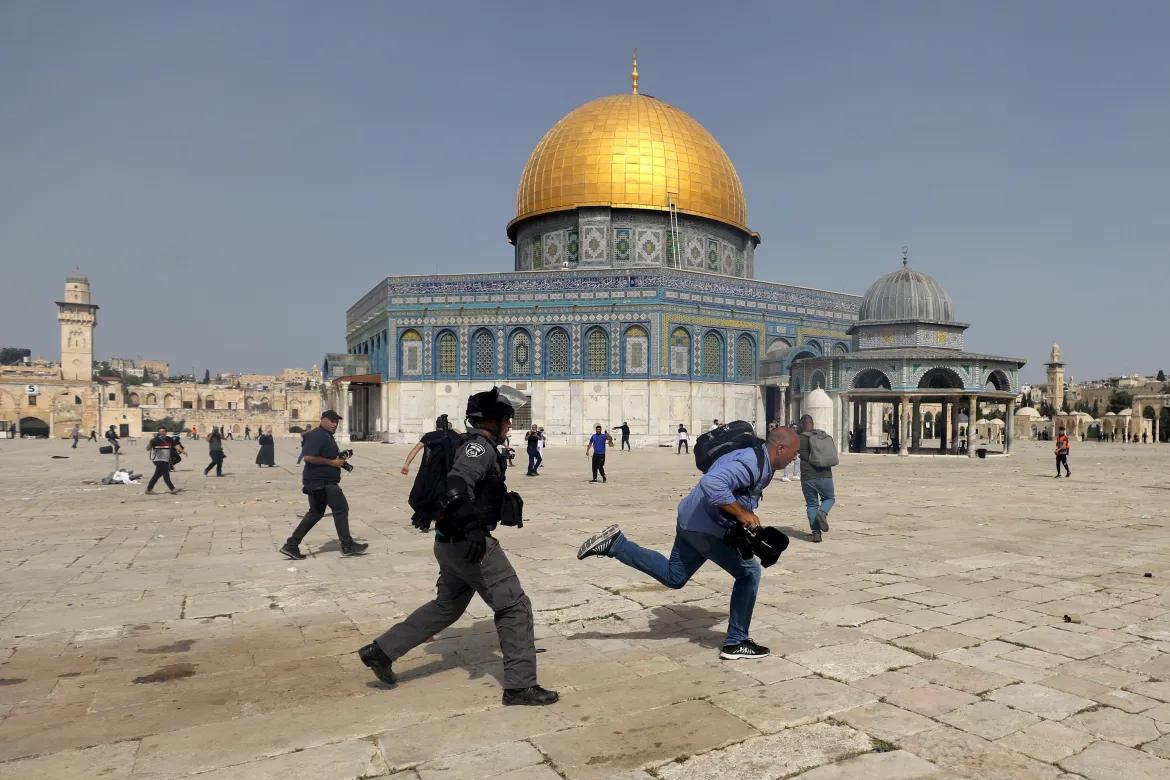
Türk has previously noted that American and Israeli attacks are hitting homes, hospitals, schools and cultural sites in Iran, while Iranian attacks are striking energy and water infrastructure in Gulf Arab countries, with many strikes raising serious concerns under international law. Iranian drones and missiles have struck or been intercepted near hotels, airports, diplomatic premises, ports, tankers and energy facilities, causing deaths, injuries, and disruption to aviation and shipping.
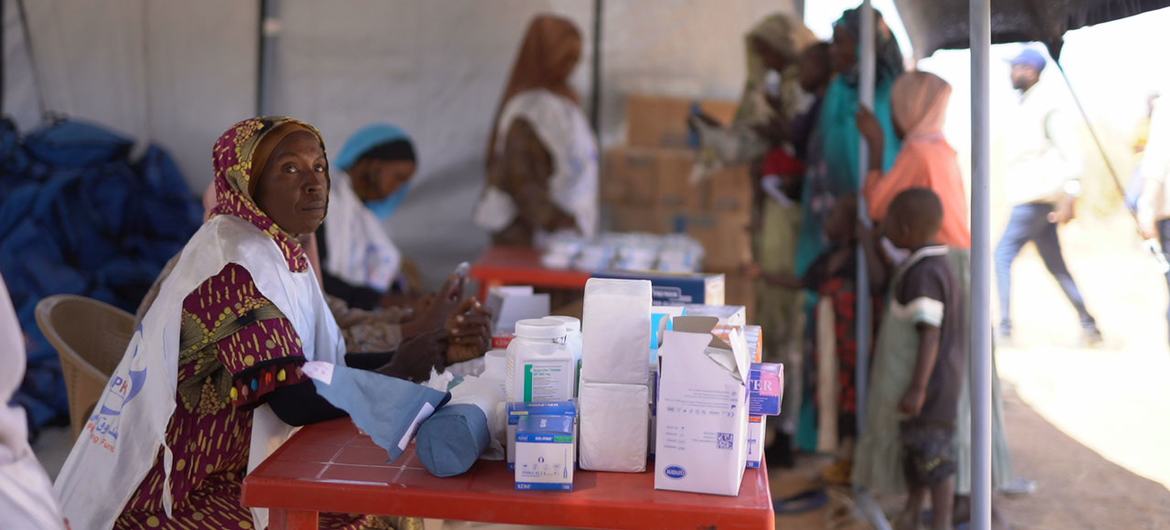
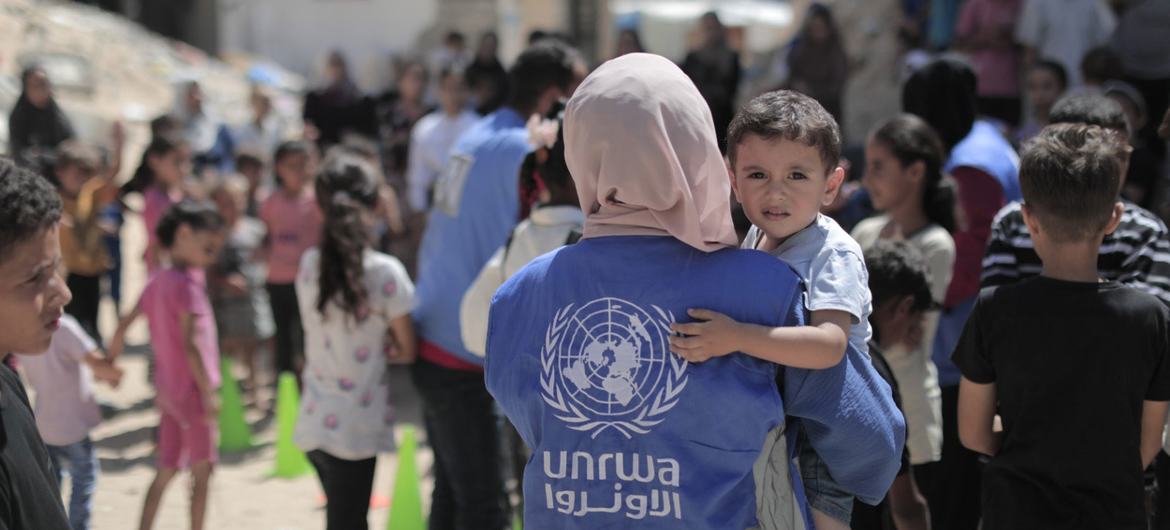
The humanitarian picture is equally grim. More than 202,400 people have been forced to flee Lebanon for Syria, among them 3,100 pregnant women, entering a country still shattered by 15 years of war, with families eking out an existence in overcrowded, overstretched temporary shelters lacking adequate food, medicine and sanitation.
The suppression of dissent has accompanied the bombs. Around 3,000 people have reportedly been arrested in the first month of the war across the region. In Iran, an internet blackout now entering its fifth week represents one of the most severe countrywide shutdowns ever recorded globally, as pervasive interrogation and intimidation of civilians by heavily armed security forces continue to be reported. Eight executions have been reported, three linked to the nationwide protests of January 2026, with dozens of others convicted, including children, facing a similar fate.
Türk closed with a demand that the international community take urgent steps to de-escalate and protect civilian lives. In a war where the protagonists have already moved from targeting soldiers to threatening to erase civilisations, whether the community of nations retains either the will or the mechanism to do so remains gravely uncertain.
Sources: OHCHR (ohchr.org), UN News (news.un.org), Arab News, NPR, UN Geneva (ungeneva.org), GlobalSecurity.org, Common Dreams
A Parliamentary Immunity, Breached
The political choreography around her arrest repays scrutiny. It was Matthias Renault, a lawmaker from the far-right Rassemblement National, who brought Hassan’s post to the attention of...

- Most Viewed
- Most Popular



Our Network
Our Channels

© 2026 Al Jazeera Media Network. All rights reserved.