
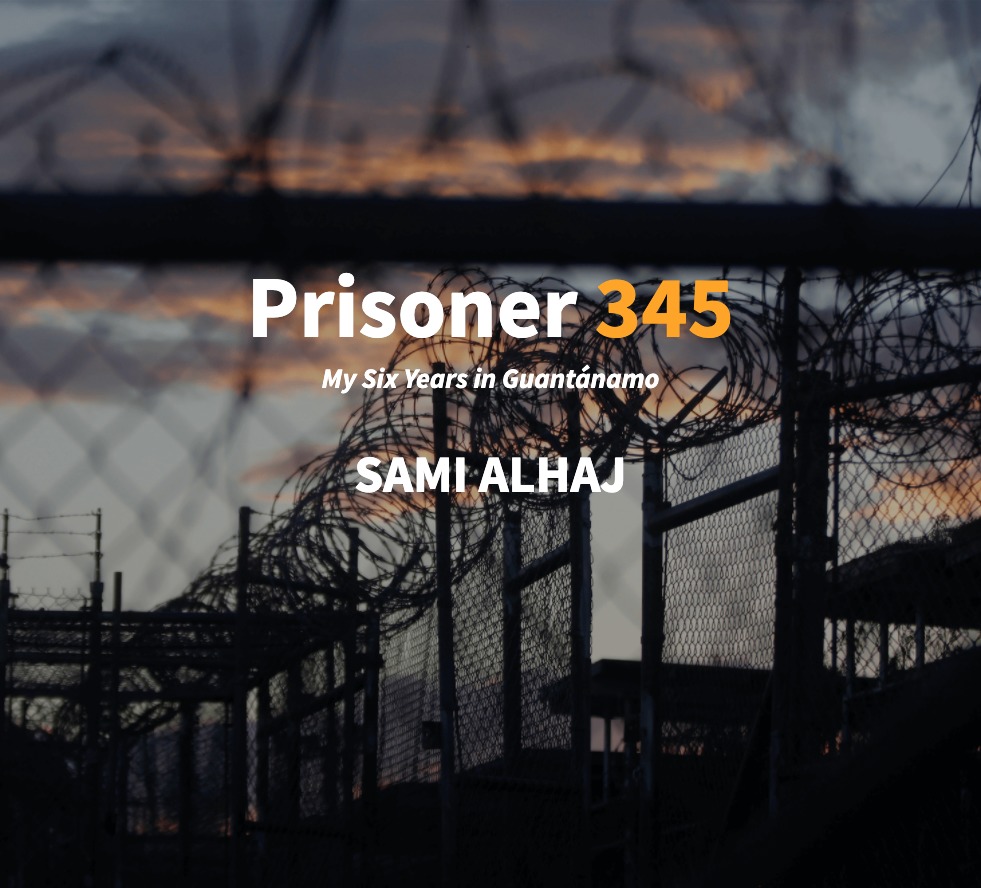

The Stakes of Silence
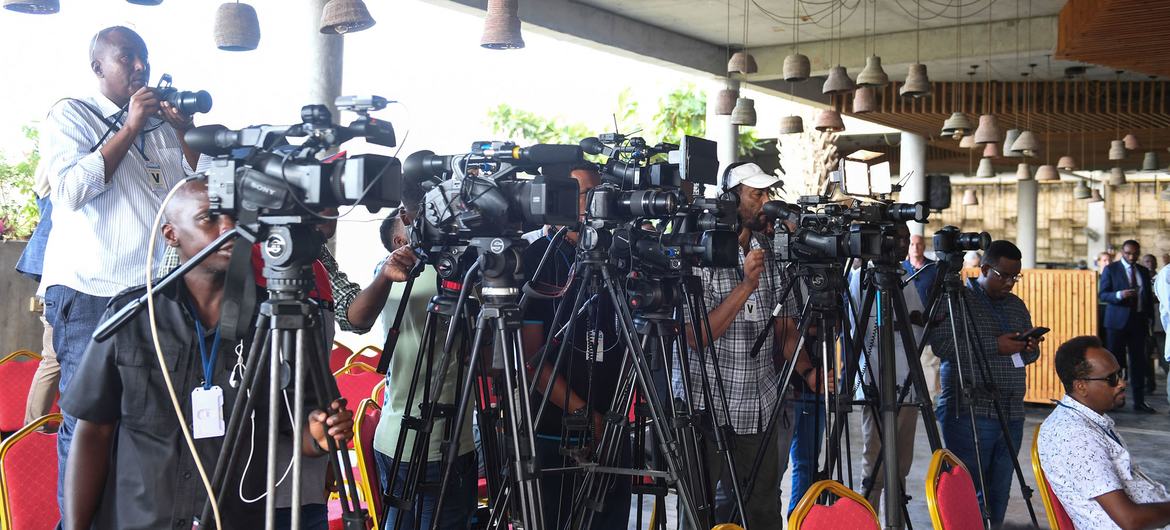
Atrocities go undocumented and therefore unpunished.
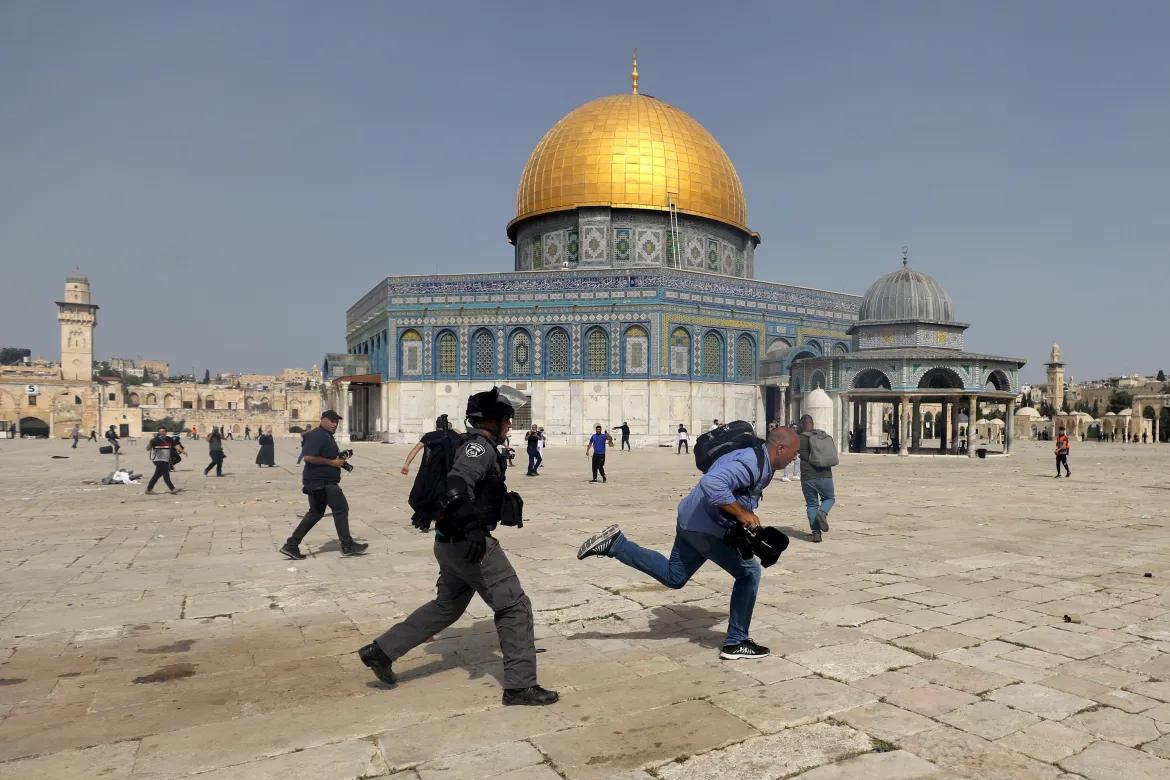
The UN’s live coverage of World Press Freedom Day on May 4th, featured testimony from war correspondents and reporters working in conditions of acute danger, was a reminder that press freedom is not an abstraction. When a photojournalist is beaten covering a protest in Minsk, when a correspondent is killed in Gaza, when a broadcaster in Sudan discovers that his radio station has been destroyed, real consequences follow for real people. Communities lose their access to life-saving information. Corruption flourishes in the dark. Atrocities go undocumented and therefore unpunished.
The 471 journalists currently detained worldwide, the 13 already killed in 2026 alone, and the at least 21 held hostage represent not only individual tragedies but a collective impoverishment of public life. The question of whether a free press can be defended, in an era when the tools of suppression have become so varied, so legal in form, and so broadly distributed, is one that the Lusaka conference could not fully answer. But the act of asking it, loudly and in public, remains itself a form of resistance.
- Most Viewed
- Most Popular

Our Network
Our Channels

© 2026 Al Jazeera Media Network. All rights reserved.