


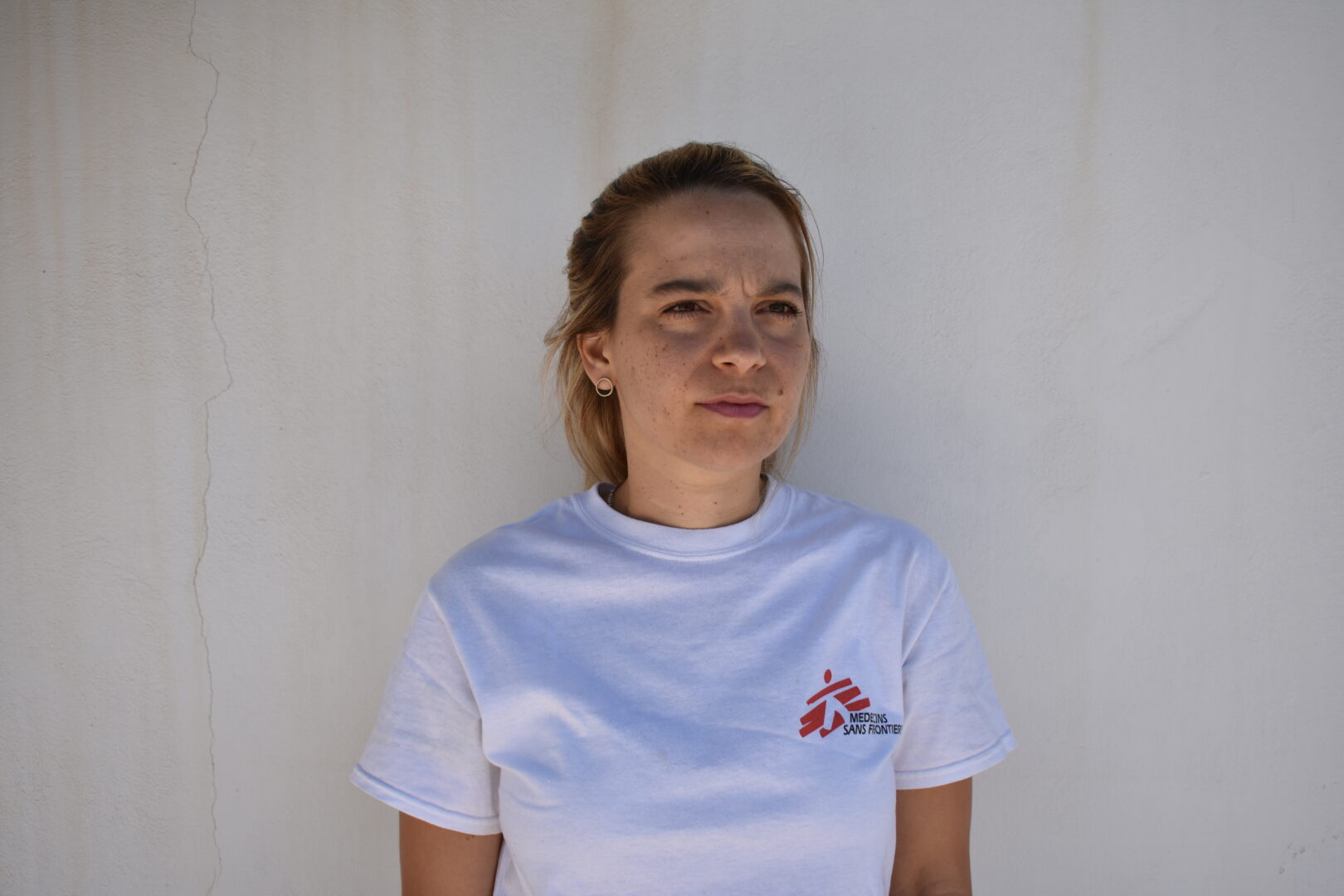
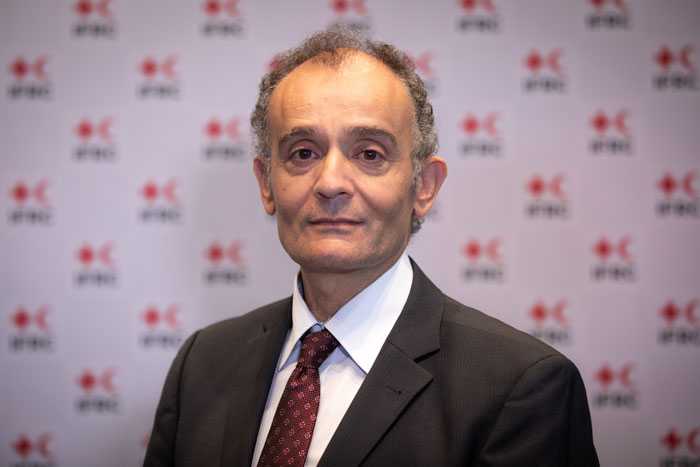
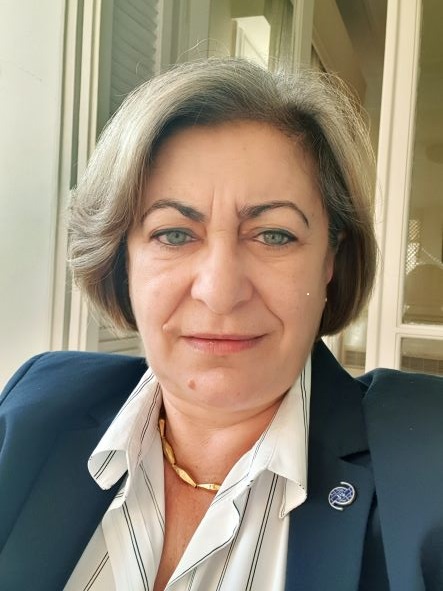
Christina Psarra is the General Director of Médecins Sans Frontières’ Greek section. Previously, she headed Humanitarian Programs and led the Operations Research Unit at MSF’s Brussels office. Her extensive humanitarian experience spans multiple countries, including Malawi, Mozambique, Uganda, Kenya, Chad, Bangladesh, Ukraine, and Egypt, as well as coordinating search-and-rescue operations across the Mediterranean and Aegean Seas.
A member of MSF’s Core Executive Platform of General Directors, Ms. Psarra has also worked extensively in urban contexts. In Marseille, she managed an experimental nationwide project providing housing for homeless individuals with severe mental illness. In Greece, she designed and oversaw social and healthcare programmes for drug users and Roma communities, and co-initiated the “Refugees Welcome – Greece” initiative. Her research on humanitarian systems and healthcare access includes work at the Woodrow Wilson International Center for Scholars in Washington, D.C.
She studied philosophy at the University of Athens and social policy at Panteion University. Ms. Psarra holds an MSc in NGOs and Development from the London School of Economics, completed a Fulbright Research Fellowship at the University of Maryland, was a fellow at Harvard Kennedy School’s Strategic Management for NGO Leaders programme, and trained as a negotiator at the U.S. Institute of Peace.
In early July, over 2,500 asylum‑seekers reached Crete—an unmistakable rebuke to the idea that detention threats or deterrence policies on European soil can stop people fleeing war or destitution. In keeping with its mandate to alleviate suffering and preserve dignity, Médecins Sans Frontières mobilised teams on the island, offering medical consultations and hygiene kits. Yet such temporary relief merely underscores a decade of unfinished policy in Greece and the EU: Athens was unprepared once more, suspending asylum applications for three months and claiming it sent a “clear message.” But the only message communicated is that deterrence is easier to promise than deliver.
To those risking their lives in search of better lives, such rhetoric is empty. It is legally dubious, strategically bankrupt and morally hazardous in any democratic society. Today one in every 67 people worldwide is forcibly displaced—an estimated 123.2 million individuals. Efforts to deter sea‑crossings have merely entrenched risk; routes have become deadlier and conditions on the islands more dire.
Meanwhile, European leaders trade on a toxic narrative of an “invasion” and demographic “replacement,” stoking a siege mindset that casts displaced persons fleeing violence and poverty as a “security threat.” Civil society organisations and individuals aiding those on the move face increasing criminalisation. The real question: do containment policies deter journeys? The lived reality is clear—they do not.
Consider Sudan. After more than two years of conflict, the violence continues unrelenting: children starve under blockades, bombs strike civilian areas, hospitals are attacked. Eastern Chad now hosts over one million Sudanese refugees. I have heard stories—mothers disguise their boys as girls to shield them from slaughter. Do Greek or European detention laws genuinely deter desperate families fleeing such horror?
Even more strikingly, Europeans seem to have forgotten their own history. Greeks themselves fled civil war and dictatorship until 1974; more recently, European states, including Greece, welcomed thousands of Ukrainians as refugees. And yet today, healthy men arriving from countries not experiencing wars on the scale of Sudan’s are routinely dismissed as economic migrants with criminal intent. This overlooks a fundamental principle: asylum is an individual right. Every person arriving in Europe has the right to apply—and to have their case fairly adjudicated.
At a time when atrocity unfolds a few hours’ flight from Athens, one must ask: what engagement have Greek or EU governments shown in ending violence in Sudan? Would it not make more sense to prevent conflict rather than simply contain its victims? Encouraging policymakers to focus on conflict resolution rather than containment could save lives and honour legal obligations.
Societal apathy is costly. The vast sums spent attempting to stem migration across the Mediterranean—largely unsuccessfully—constitute not just policy failure, but a moral stain. As respect for international law erodes—laws once honoured by our forebears—it becomes a moral imperative to show solidarity to those enduring similar human rights violations today.
As medical professionals, we know words and first aid cannot resolve structural drivers of migration. But values such as solidarity and humanity are not rhetorical ornaments. They are foundational to the global order and our shared future—values others may one day extend to us. Our world is interconnected. Conflict is real, starvation is real, climate disruption is real—and no place is safe unless we build a future together.
In the face of relentless physical and psychological strain, let us be unequivocal: would-be refugees are neither threat nor burden. They seek safety, dignity, and the simple right to exist. And they can only truly exist—together.
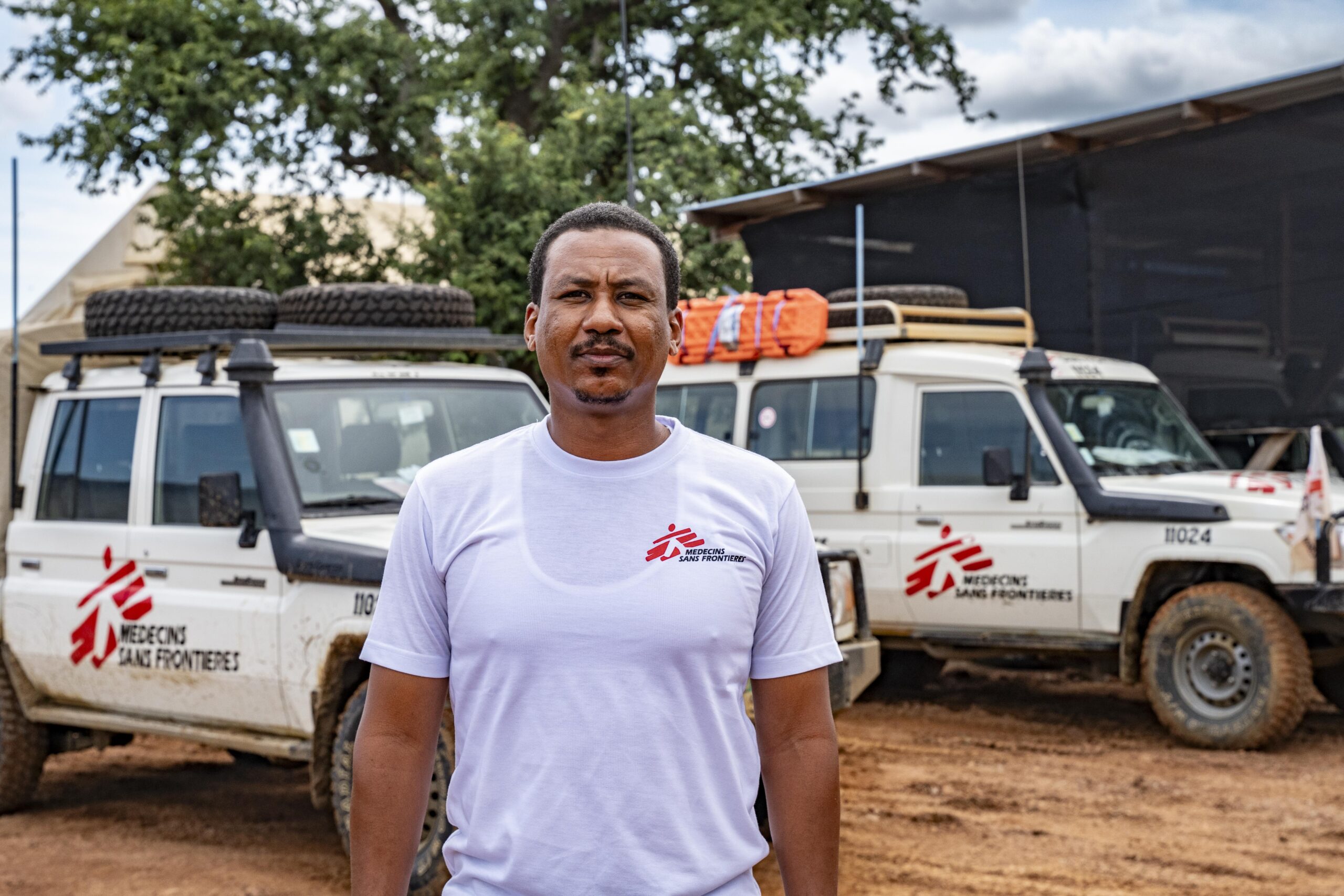
Healing Hands of Sudan: A Call for Compassion – Dispatch from South Sudan/In a World Where Hope Seems Distant,...
Dr. Mohamed Bashir reflects on his ongoing work in South Sudan amidst the civil war’s devastation in his homeland. Despite being away, he feels deeply connected to the suffering of the...

Gaza/ The international community must assume its responsibilities
One year on from 7 October 2023, the General Secretary of the International Federation of Journalists (IFJ), Anthony Bellanger, deplores the paralysis of the United Nations and...
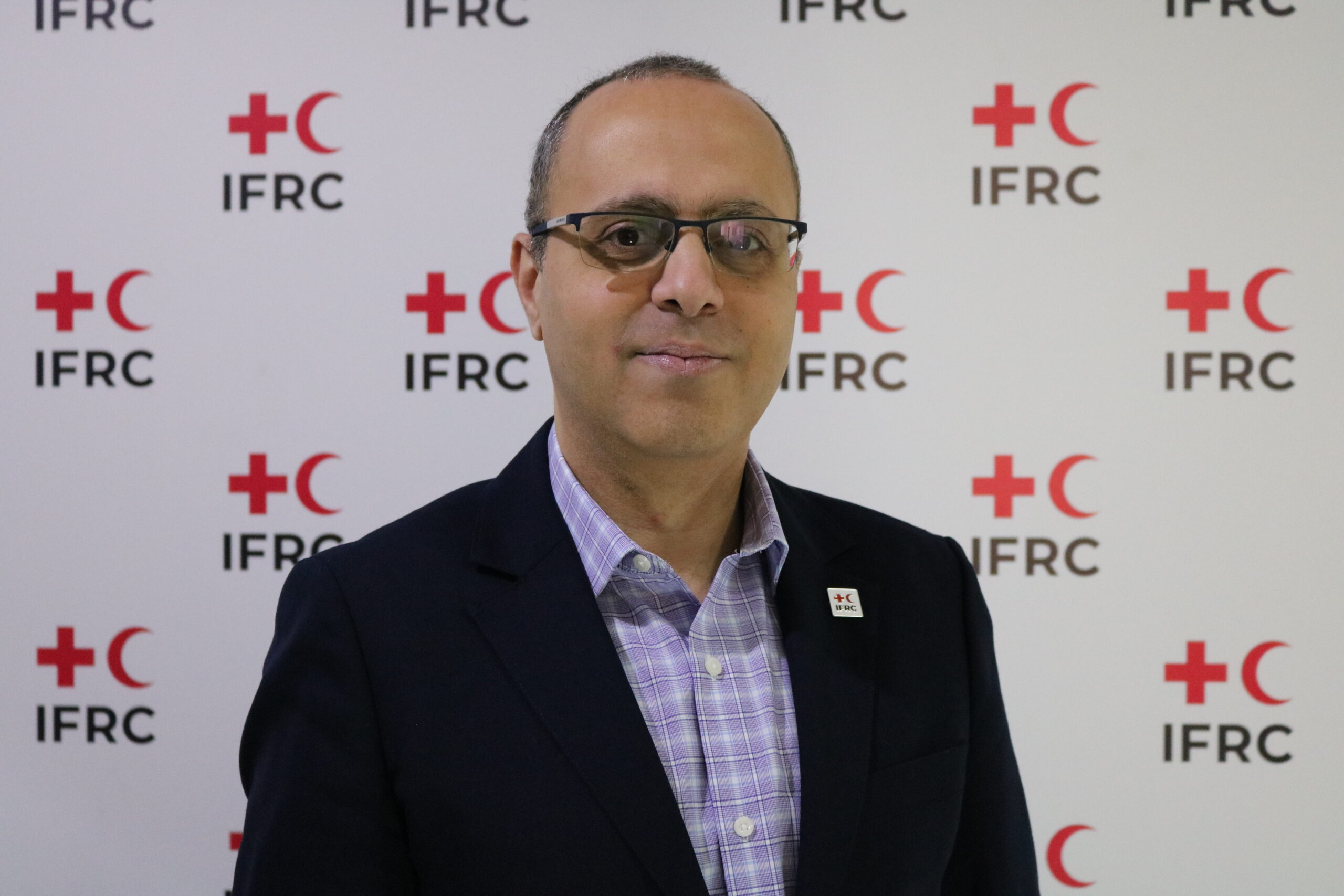
Earthquake in Syria: disaster strikes in the heart of protracted crisis: what to prioritize?
From the first moments of the disasters, the Syrian Arab Red Crescent (SARC) has activated its resources to respond to people’s needs on the ground via an army of staff and volunteers. SARC is...



Our Network
Our Channels

© 2026 Al Jazeera Media Network. All rights reserved.