
The Politicization of Vaccine and Public Health
![Archive/People wait in line during the state-run COVID-19 vaccination media tour at the Jacob K Javits Convention Center site in New York City. [Timothy A Clary/AFP]](https://liberties.aljazeera.com/resources/uploads/2026/02/1770904357.webp)
Archive/People wait in line during the state-run COVID-19 vaccination media tour at the Jacob K Javits Convention Center site in New York City. [Timothy A Clary/AFP]
The political landscape surrounding vaccination has evolved into a battleground, marked by heightened tensions and deepening divisions. This shift has been exacerbated by a growing post-pandemic distrust in governments institutions and significant changes to health policies. At the heart of this contentious debate lies the intricate balance between individual autonomy and the collective necessity of public health.
Key issues fueling the controversy include vaccine mandates, ongoing safety concerns, and the perceived role of government health officials. Recently, a pivotal meeting of the U.S. Centers for Disease Control and Prevention’s (CDC) vaccine advisory committee resulted in a decision to rescind a long-standing recommendation for newborns to receive a first dose of the hepatitis B vaccine at birth. This move has drawn sharp criticism from the American Academy of Pediatrics, which continues to advocate for this vital immunization for all infants.
This rapid politicization of vaccine policies can be traced back to directives under President Trump, who urged the CDC to expedite a review of the U.S. vaccination schedule to better align with those of other developed nations. The appointment of Robert F. Kennedy Jr. as the U.S. Secretary of Health and Human Services has further amplified the divide. Kennedy, a well-known vaccine skeptic and activist, has long advocated for changes to federal vaccination guidelines. His assertions linking vaccines with autism, despite a robust body of scientific evidence disproving such claims, have contributed to a growing mistrust in public health messaging.
The discourse surrounding vaccines has become increasingly partisan, with political affiliation frequently overshadowing scientific evidence in shaping individual stances on vaccination, particularly concerning COVID-19 immunizations. The proliferation of misinformation, largely propagated through social media platforms, has deepened suspicion towards government agencies like the CDC and the FDA, as well as pharmaceutical companies. Notably, the discredited narrative that the MMR vaccine causes autism persists, becoming a rallying point for concerned parents.
Across the United States, all 50 states mandate certain vaccinations for public school enrollment; however, many offer exemptions for medical, religious, or philosophical reasons, with criteria varying markedly from one state to another.
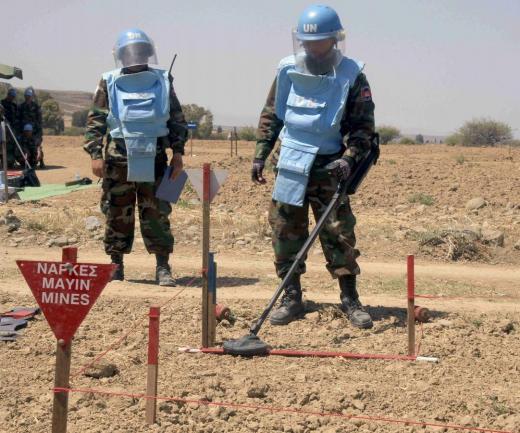
The Enduring Scourge of Landmines
Nearly 6,300 people were maimed or killed by mines and explosive remnants of war in 2024. Most were civilians going about their daily lives. The world has promised to do better and keeps...
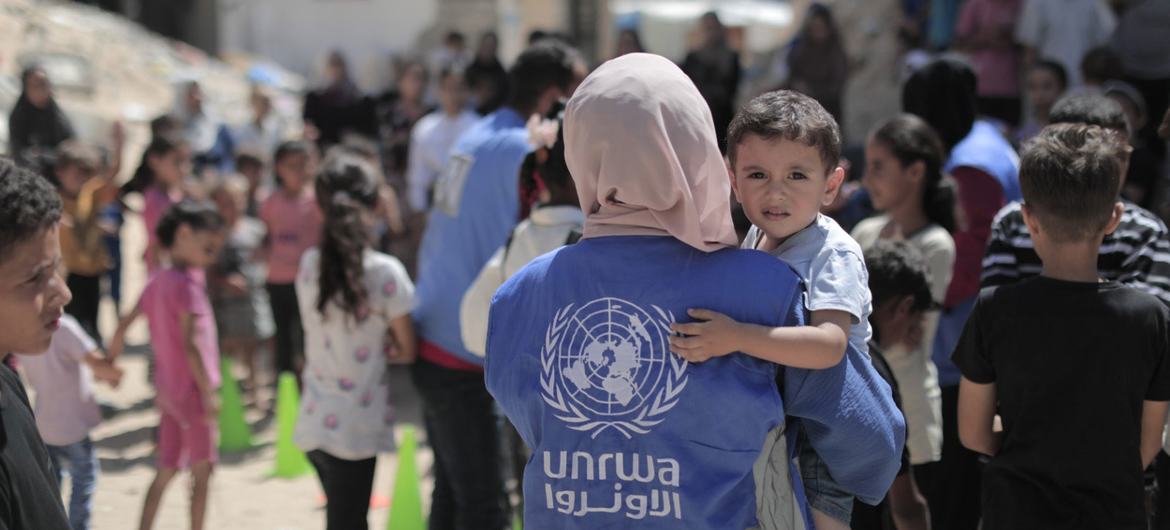
Empty Eyes at the School Gate
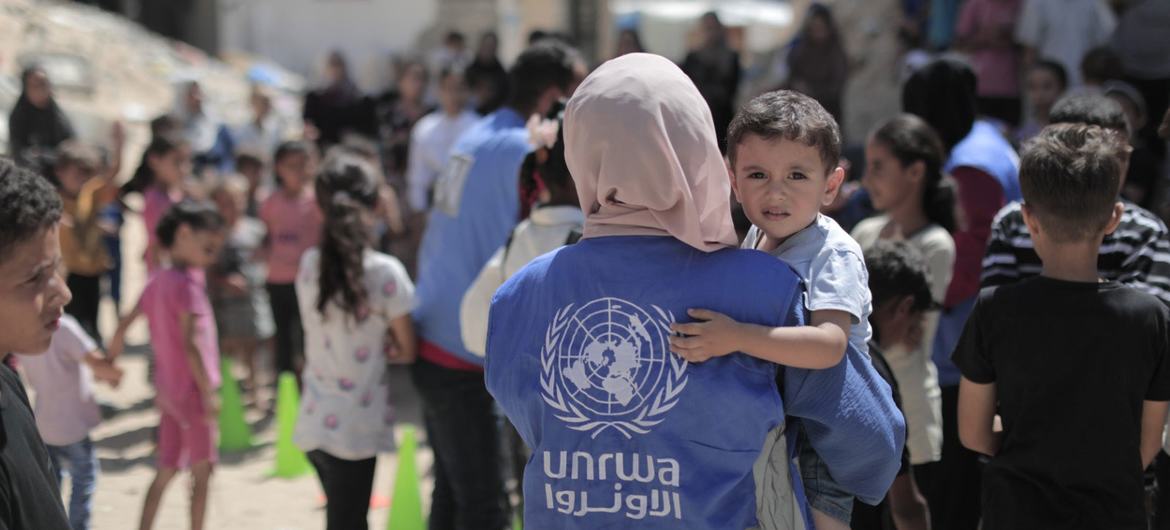
Outgoing UNRWA chief Philippe Lazzarini reflects on two years of atrocity, institutional assault, and the one girl he cannot forget.








Our Network
Our Channels

© 2026 Al Jazeera Media Network. All rights reserved.