

The Gaza Board of Peace, Ambition Meets Reality
![UN special envoy for the Middle East Peace Process Nickolay Mladenov, attends a news conference at the (UNSCO) offices in Gaza City. September 25, 2017 [Adel Hana/AP]](https://liberties.aljazeera.com/resources/uploads/2026/01/1768302523.webp)
UN special envoy for the Middle East Peace Process Nickolay Mladenov, attends a news conference at the (UNSCO) offices in Gaza City. September 25, 2017 [Adel Hana/AP]
Washington is once again gesturing towards grand design in the Middle East. President Donald Trump is expected to announce a Gaza Board of Peace, possibly as soon as this week, a body intended to reshape governance in the battered enclave. Israeli Prime Minister Benjamin Netanyahu said on Thursday that Nickolay Mladenov, a former United Nations envoy to the region, had been selected as the board’s director general, though the White House has yet to confirm the appointment. Mladenov has recently held talks with Netanyahu, Israeli President Isaac Herzog and Palestinian Vice President Hussein al Sheikh, a flurry of diplomacy that hints at serious intent.
Under the plan sketched by Trump’s advisers, the board would oversee a technocratic Palestinian administration in Gaza, supervise the disarmament of Hamas, manage an Israeli troop withdrawal, and coordinate the deployment of an international stabilisation force. On paper, it is an all-encompassing solution, addressing security, governance and reconstruction in one sweep. In practice, each element carries formidable obstacles.
The timing could hardly be more delicate. The second phase of the October ceasefire has stalled, with Israel and Hamas trading accusations of violations. That impasse clouds the prospects for any new mechanism since the board’s rollout depends on at least a modicum of calm. Disarmament of Hamas, a core Israeli demand, has long been a red line for the group, while the notion of an international force raises questions about mandate, composition, and willingness to absorb casualties.
Even if the board materialises, legitimacy will be its scarcest resource. A technocratic administration may appeal to donors and diplomats, yet Gazans, exhausted and suspicious, may see it as imposed from outside. Regional actors, meanwhile, will weigh their support against domestic opinion and strategic risk. The idea of a Board of Peace reflects an enduring American belief in institutional fixes, but in Gaza, where trust has been shattered and power is contested street by street, the gulf between design and delivery remains vast.
The US/Israel/Iran War & The Humanitarian Crisis in Gaza
Chef José Andrés, the founder of World Central Kitchen, emphasized the urgent need for daily food deliveries to ensure that vulnerable families, who are caught in the crossfire but are not...
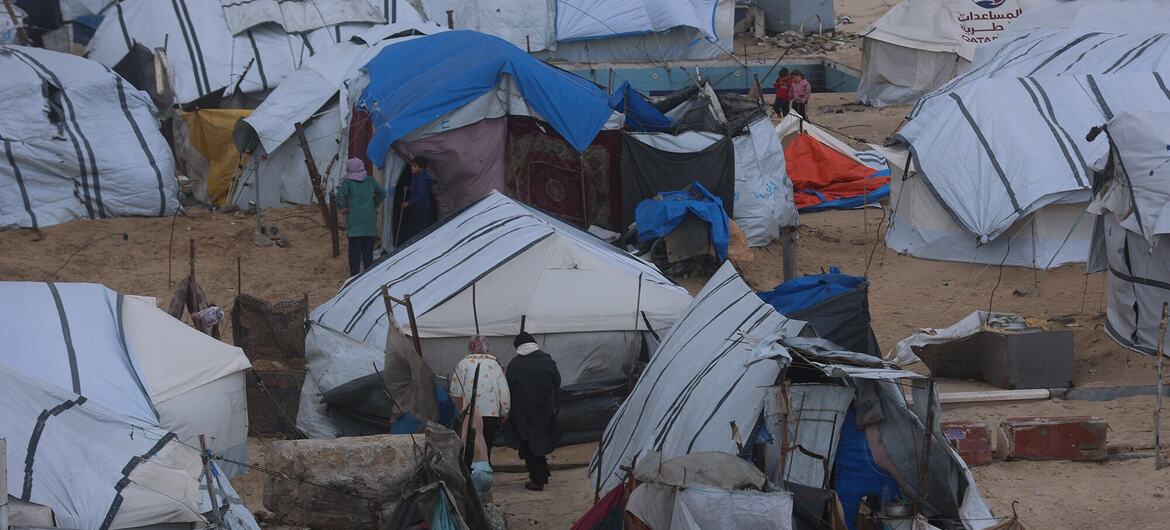
Humanitarian Crisis at the Rafah Crossing
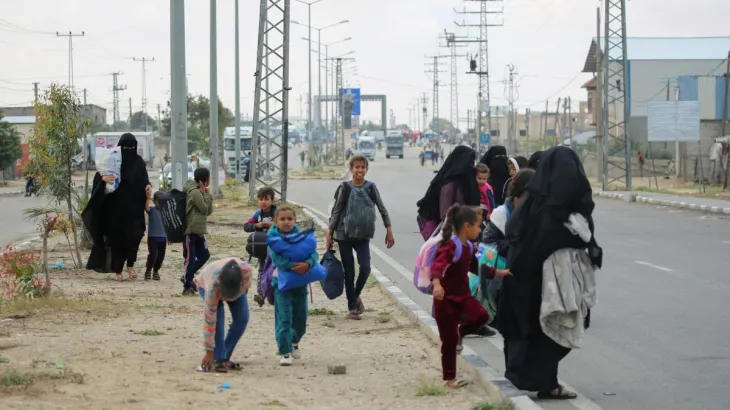
The consequences of this blockade are severe: soaring levels of hunger, increased medical emergencies, and an atmosphere rife with fear. Aid trucks remain stalled at the crossing, unable to...
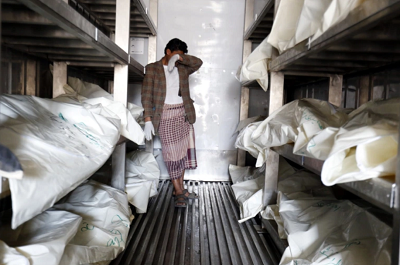
Ambush on Aid, Forensic Audio Links Bullets to Red Crescent Deaths in Tal al‑Sultan
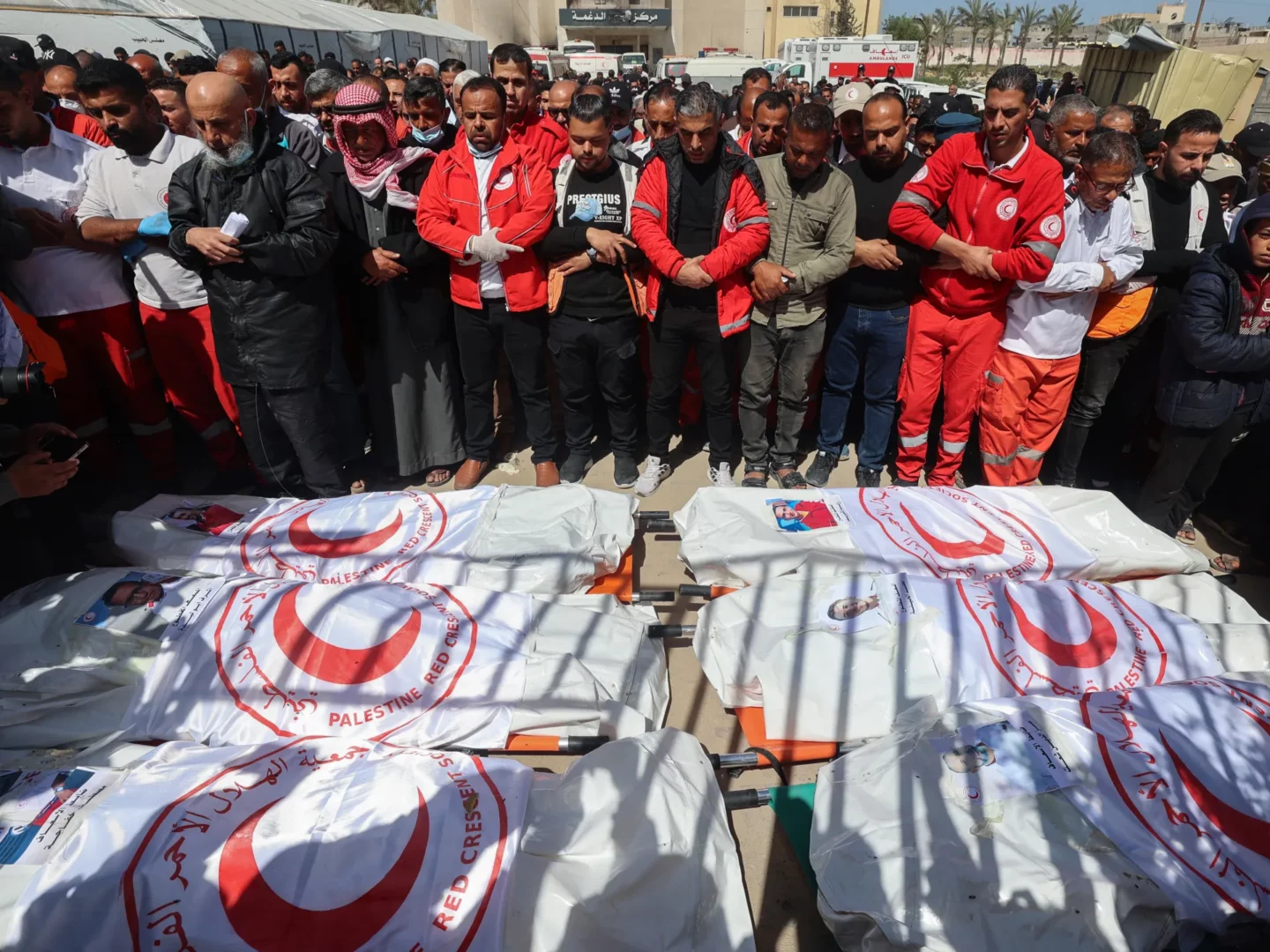
The findings amplify allegations that humanitarian workers, who are protected under international law, were deliberately targeted.


Our Network
Our Channels

© 2026 Al Jazeera Media Network. All rights reserved.