

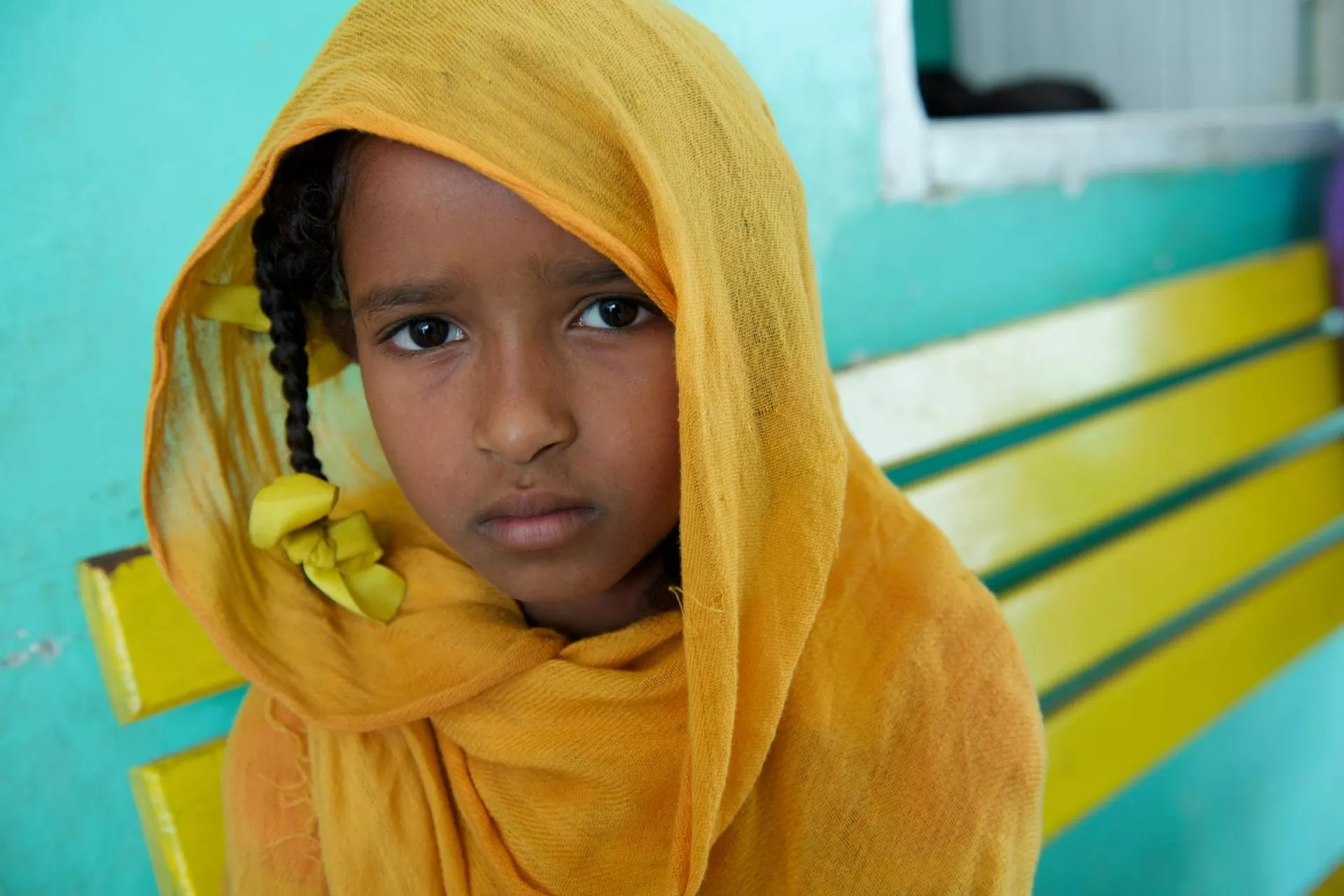
Archive/Al Jazeera.
Sudan’s war, once largely confined to Darfur’s arid expanse, is now creeping into the country’s core. Kordofan, long seen as a marginal frontier, this region has suddenly become a pivot on which Sudan’s fate may turn. Its plains, scrublands, and river valleys form a corridor connecting territories under RSF control with those still nominally held by the army. The war has changed in character: drones hum overhead, some operated by foreign-trained technicians, others cobbled together from commercial parts, while ground offensives thunder across the soil.
Kordofan matters because it is more than empty terrain. It links the western deserts to fertile central river valleys and houses essential transport arteries. Whoever commands this belt wields influence over Sudan’s economic and logistical backbone. For civilians, the strategic calculus translates into fear, displacement, and sometimes despair. Refugees from towns such as Bara recount homes reduced to rubble, roads blocked, and markets emptied. Many have already fled multiple times; some speak of leaving Sudan altogether. “We’ve run out of places to run to,” said a mother of three, her voice flat as she waited outside makeshift shelters near Obeid.
The war’s impact on women has been particularly severe. Hospitals in El Fasher were looted, maternity wards destroyed, and medical staff abandoned their posts. Childbirth increasingly occurs in the open, under the threat of shelling. The simplest necessities are hard to find sanitary pads cost nearly thirty dollars per packet, while a month’s humanitarian stipend for an entire family rarely exceeds one hundred.
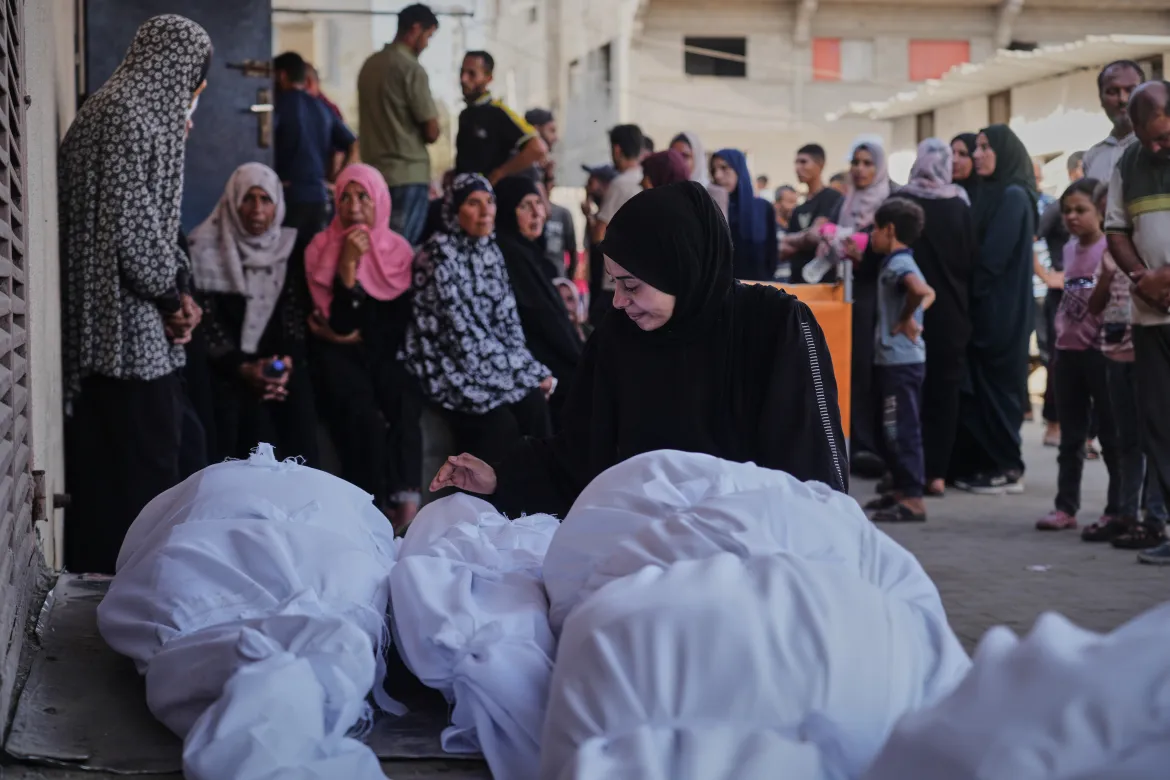
Hunger is widespread. Mothers too weak to nurse watch helplessly as infants fade. Sexual violence has become systematic, wielded as a weapon to intimidate entire communities. Each trip to fetch water is a risk; nightfall brings dread instead of relief. UN officials have called repeatedly for safe corridors. “Every day the world waits,” said Anna Mutavati of UN Women, “another woman gives birth under shellfire or buries her child from hunger.”
The crisis extends far beyond gendered suffering. Since late October, nearly 90,000 civilians have fled northern and western Darfur, many into neighbouring Chad. Violence is once more spreading into Kordofan, emptying towns that had briefly recovered. Aid convoys are under repeated attack; hospitals are shelled; and staff are forced to flee. Climate stress only worsens the situation. Chad and South Sudan, ill-equipped to host such numbers, now shelter millions of Sudanese refugees. In some camps, families survive on fewer than ten litres of water per person per day. For those fleeing Darfur, the choices are stark: endure hunger, heat, and disease in exile, or return to violence at home.

Upholding Human Rights: EU Foreign Ministers Must Address Palestinian Concerns on February 23
The EU’s lack of decisive action contradicts its commitments to human rights, necessitating measures like suspending the EU-Israel Association Agreement and imposing sanctions against...
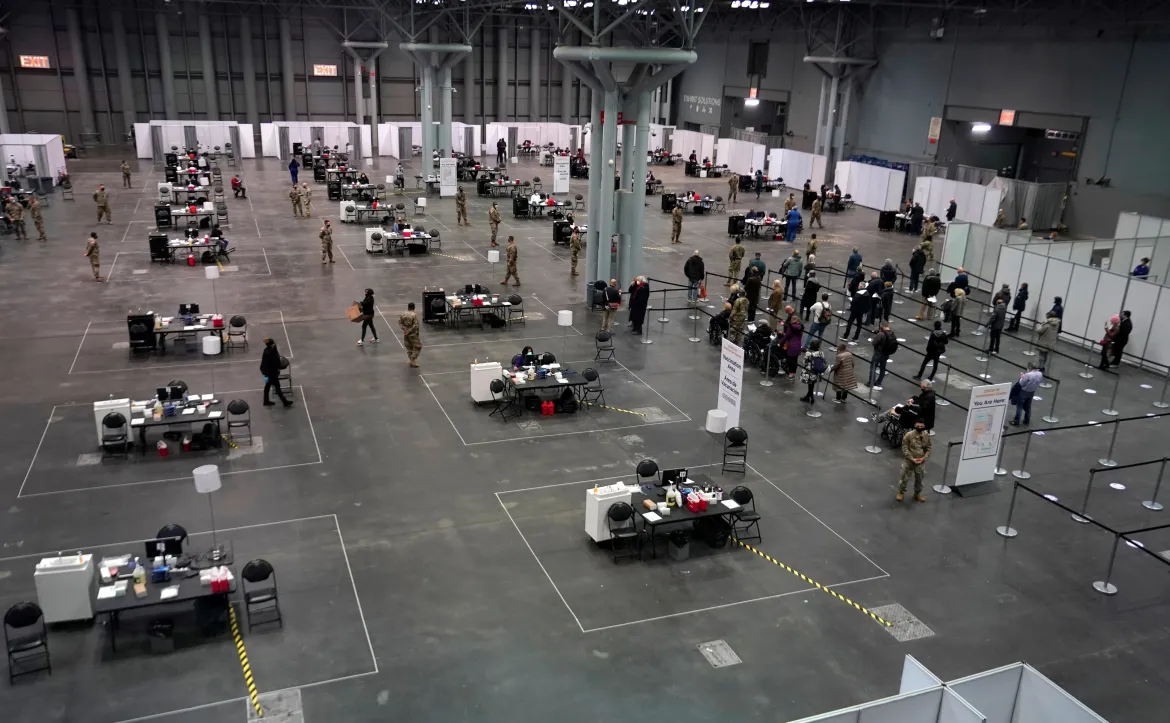
The Politicization of Vaccine and Public Health
Kennedy, a well-known vaccine skeptic and activist, has long advocated for changes to federal vaccination guidelines. His assertions linking vaccines with autism, despite a robust body of...
- Most Viewed
- Most Popular


Our Network
Our Channels

© 2026 Al Jazeera Media Network. All rights reserved.