

Sudan’s Collapsing Health System
![A Khartoum hospital shows battle damage in this satellite image [Courtesy of Maxar Technologies/Handout via Reuters]](https://liberties.aljazeera.com/resources/uploads/2025/09/1758550581.webp)
A Khartoum hospital shows battle damage in this satellite image [Courtesy of Maxar Technologies/Handout via Reuters]
As Sudan’s civil war deepens, the health system in the capital, Khartoum, is buckling under the pressure of a rapidly growing public health crisis. Nearly 5,000 cases of dengue fever, malaria, and typhoid have been reported, overwhelming a medical infrastructure already shattered by prolonged conflict and severe shortages of essential supplies. Health workers expect the caseload to rise further in the coming weeks.
The war, now in its second year, has killed tens of thousands and displaced roughly 12 million people, making it one of the world’s largest and most underreported humanitarian disasters. The conflict has effectively split the country in two, with the Sudanese Armed Forces holding the north, east, and central regions, while the paramilitary Rapid Support Forces (RSF) maintain control over much of the south and nearly all of Darfur.
Violence continues to escalate. On Friday, at least 75 civilians were killed when an RSF drone strike hit a mosque in the besieged city of El Fasher. The UN, in a separate briefing the same day, warned of rising numbers of summary executions and an uptick in ethnically motivated violence, pointing to a deteriorating human rights environment across RSF-held areas.
The dual crisis — widespread conflict and the collapse of basic health services, risks spiralling into a broader catastrophe. The spread of disease in urban centres like Khartoum threatens to mirror past patterns seen in collapsed states, where infectious outbreaks compound the humanitarian toll and overwhelm what little governance remains.
For now, the country’s future looks increasingly fractured, politically, territorially, and medically.
Words That Kill …
Officials from the United States, Iran, and Israel are using rhetoric that signals dangerous contempt for the laws of war. The civilians caught in between will pay the price.
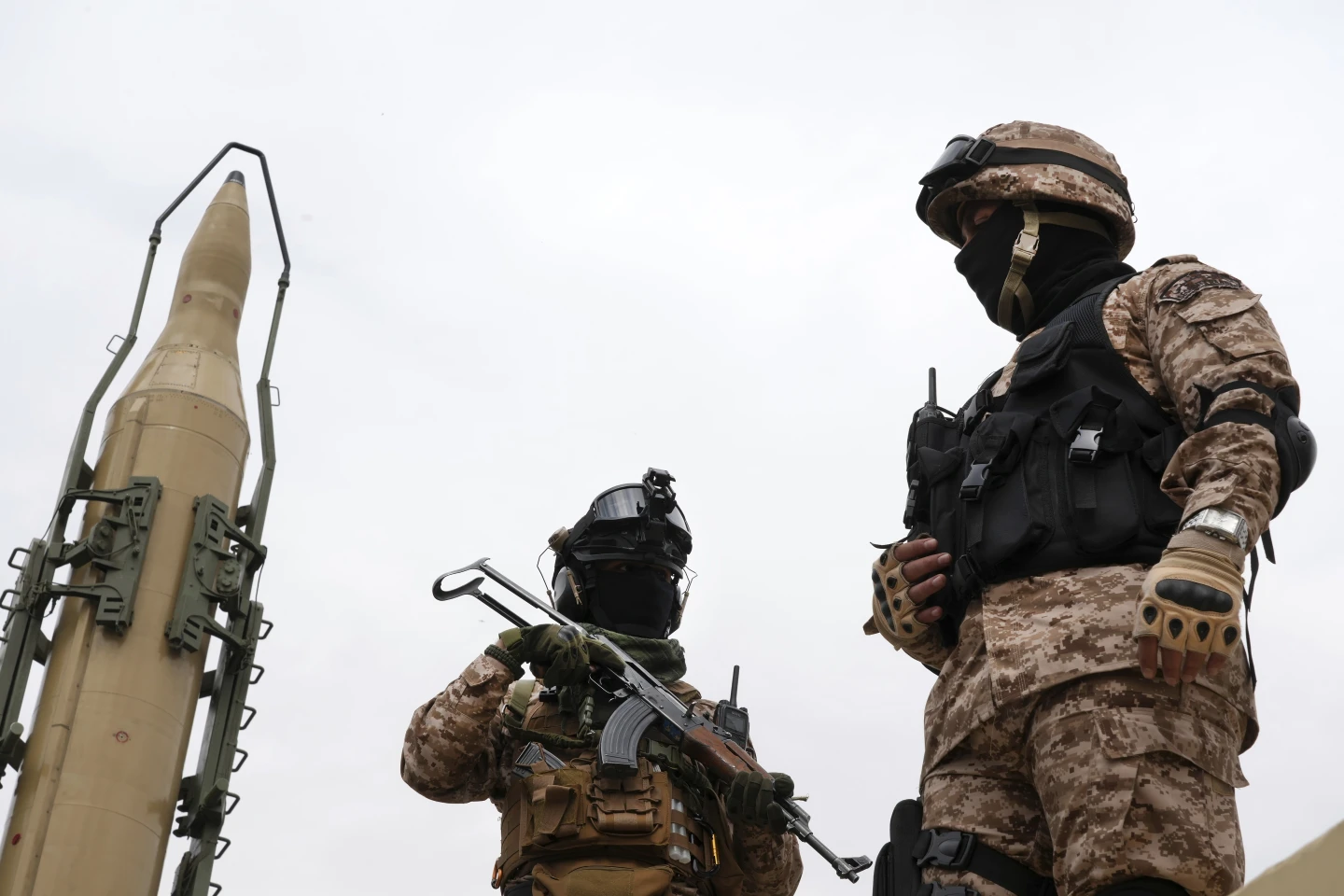
Iran War/Twelve Years Old and Fit for Duty!
Iran’s Revolutionary Guards are recruiting children as young as 12. Under international law, enlisting those under 15 is a war crime.


Our Network
Our Channels

© 2026 Al Jazeera Media Network. All rights reserved.