

Ramadan under Siege, Medical Evacuations and Persistent Shortfalls in Gaza
![A sand sculpture bearing the message 'Welcome, Ramadan' stands along a Khan Younis beach on the eve of the Muslim holy month. The artwork was created by Yazeed Abu Jarad, a Palestinian artist who fled his home in Beit Lahiya, northern Gaza Strip, in the ongoing war [Bashar Taleb/AFP]](https://liberties.aljazeera.com/resources/uploads/2026/02/1771499877.webp)
A sand sculpture bearing the message 'Welcome, Ramadan' stands along a Khan Younis beach on the eve of the Muslim holy month. The artwork was created by Yazeed Abu Jarad, a Palestinian artist who fled his home in Beit Lahiya, northern Gaza Strip, in the ongoing war [Bashar Taleb/AFP]
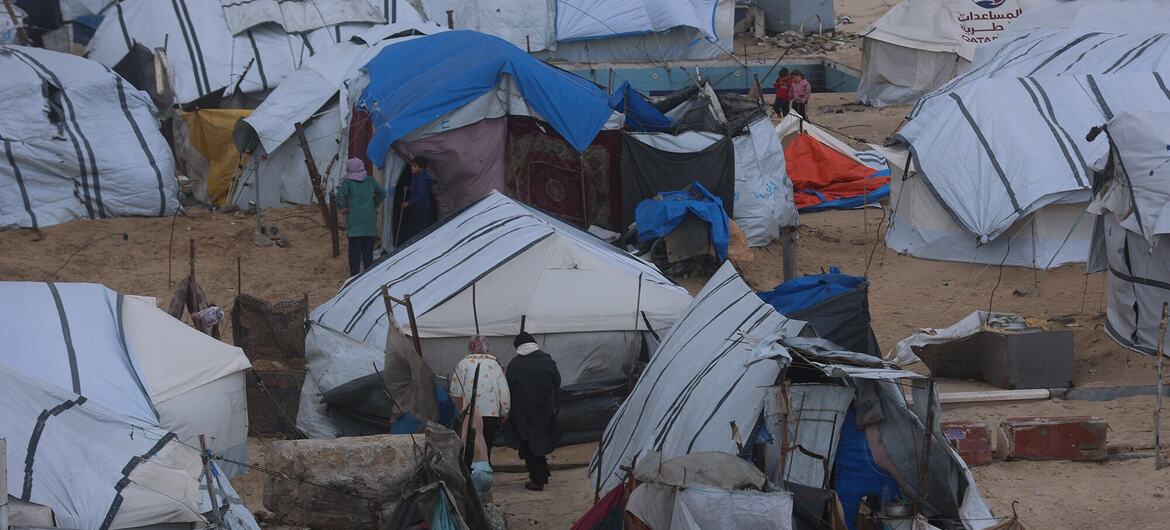
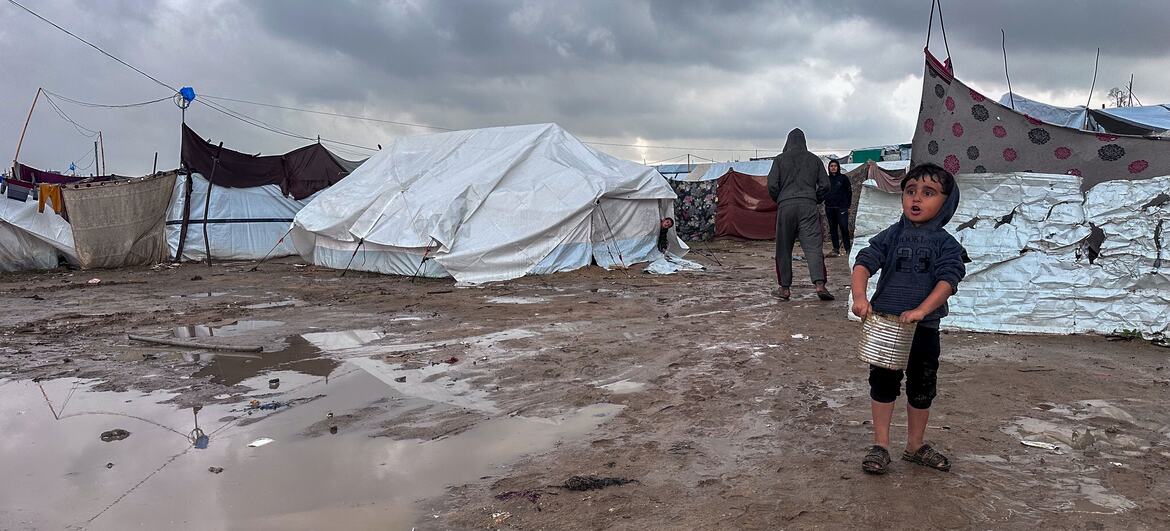
During the Ramadan period in mid-February 2026, Palestinians in Gaza continued to face severe shortages of food, water and medical access despite a so-called ceasefire, with OCHA reporting that since Rafah reopened only about 260 patients, less than 2 per cent of the 18,500 in urgent need—had been evacuated for treatment (OCHA/ICRC updates, February 2026).
Aid pledges and ceasefire provisions envisaged 600 trucks daily, yet actual deliveries remain far below the target, forcing families to rely on soup kitchens and to schedule fasting around aid distributions. Casualty figures reported by Gaza’s Health Ministry around this period cited more than 603 killed and 1,618 wounded since the ceasefire took effect in October, and a cumulative death toll since October 2023 at over 72,000 (Gaza Health Ministry, Feb 2026).
The ICRC’s transfer of eight former detainees and arrival of treated patients via Rafah underscore the limited but vital humanitarian flows. Human-rights demands are straightforward, if politically fraught: scale up predictable humanitarian access, protect civilians, and ensure medical evacuations align with international humanitarian law (OCHA, ICRC, Gaza Health Ministry, February 2026).
Sources: OCHA field updates and ICRC statements, February 2026; Gaza Health Ministry casualty reports, February 2026.
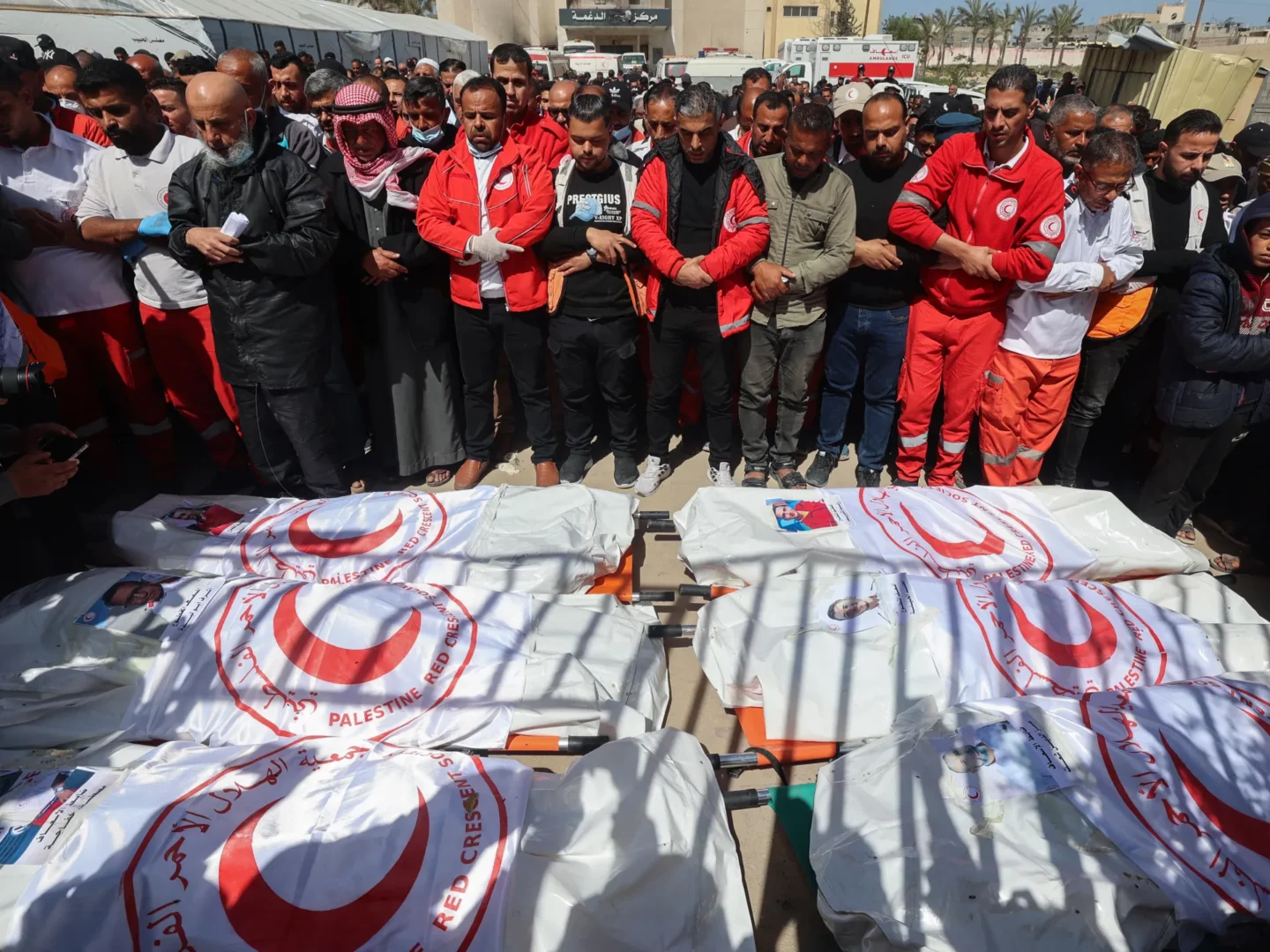
The US/Israel/Iran War & The Humanitarian Crisis in Gaza
Chef José Andrés, the founder of World Central Kitchen, emphasized the urgent need for daily food deliveries to ensure that vulnerable families, who are caught in the crossfire but are not...
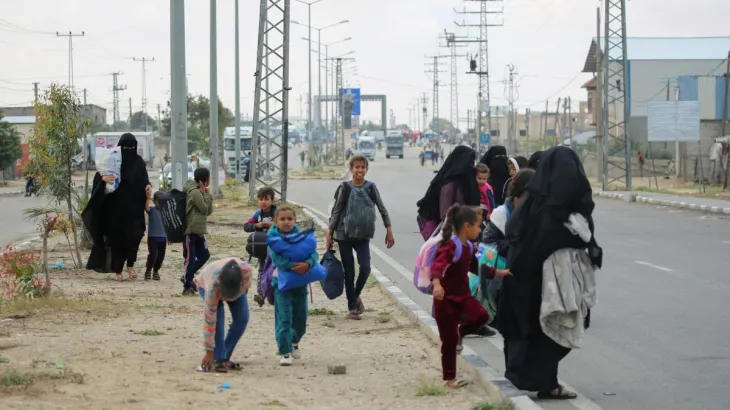
Humanitarian Crisis at the Rafah Crossing
The consequences of this blockade are severe: soaring levels of hunger, increased medical emergencies, and an atmosphere rife with fear. Aid trucks remain stalled at the crossing, unable to...
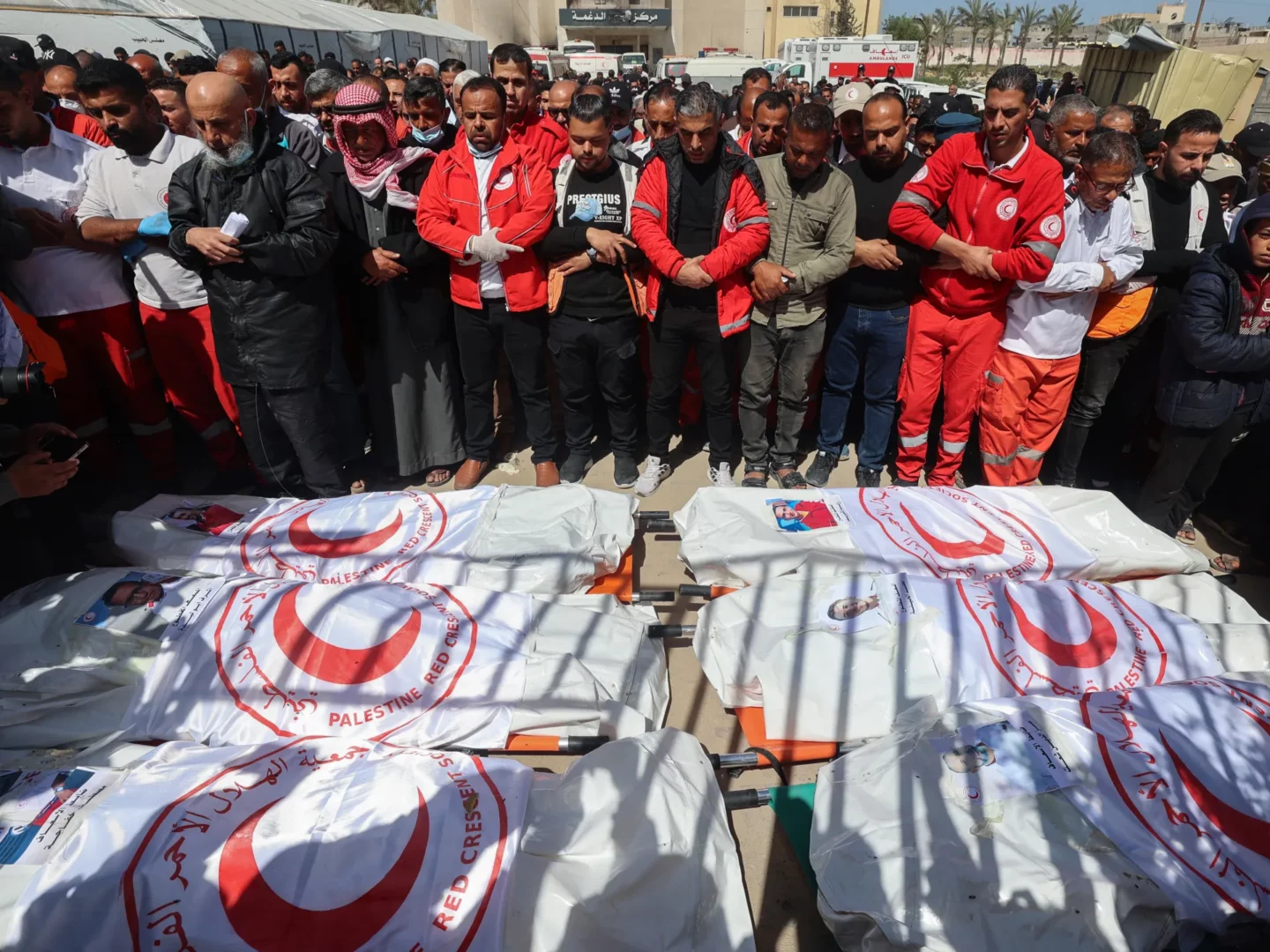
Ambush on Aid, Forensic Audio Links Bullets to Red Crescent Deaths in Tal al‑Sultan
The findings amplify allegations that humanitarian workers, who are protected under international law, were deliberately targeted.




Our Network
Our Channels

© 2026 Al Jazeera Media Network. All rights reserved.