

Nuclear Concerns and Humanitarian Crises
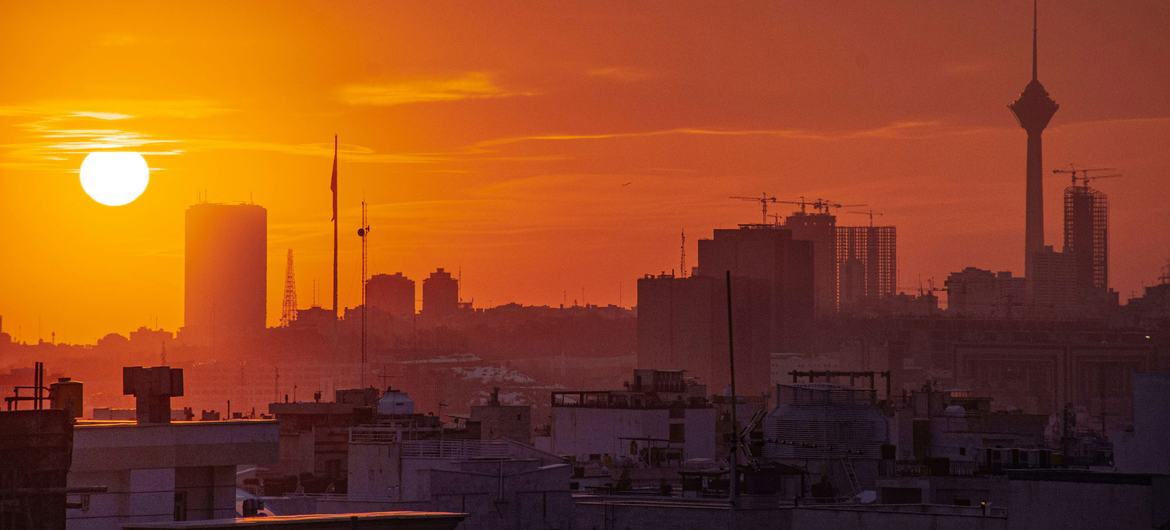
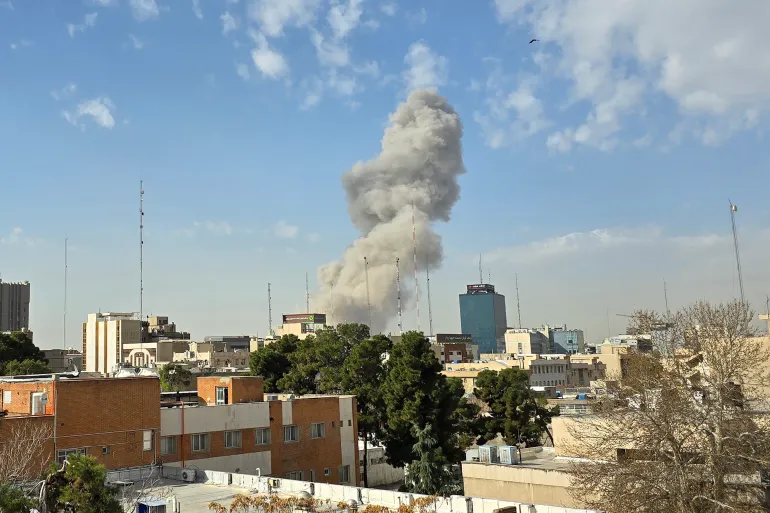
© Unsplash/Hosein Charbaghi Tehran, the capital of Iran, where more than 500 civilians are reported killed since Israeli and U.S. strikes began on Saturday, sparking retaliatory attacks across the region
In a pivotal address delivered in Vienna, Rafael Grossi, the Director General of the International Atomic Energy Agency (IAEA), provided reassuring news: there are currently no signs of damage to Iran’s nuclear infrastructure, which includes critical sites like the Bushehr Nuclear Power Plant and the Tehran Research Reactor. Grossi’s statement comes amid an escalating regional conflict that raises alarms over the safety of such facilities.
Simultaneously, at the United Nations Human Rights Council in Geneva, Gulf States have vocalized their distress over Iranian military actions—specifically the retaliatory strikes involving ballistic missiles and drones that have deeply affected their sovereignty. These nations have called upon Tehran to cease all forms of “hostile escalation,” which they assert could potentially destabilize the entire region.
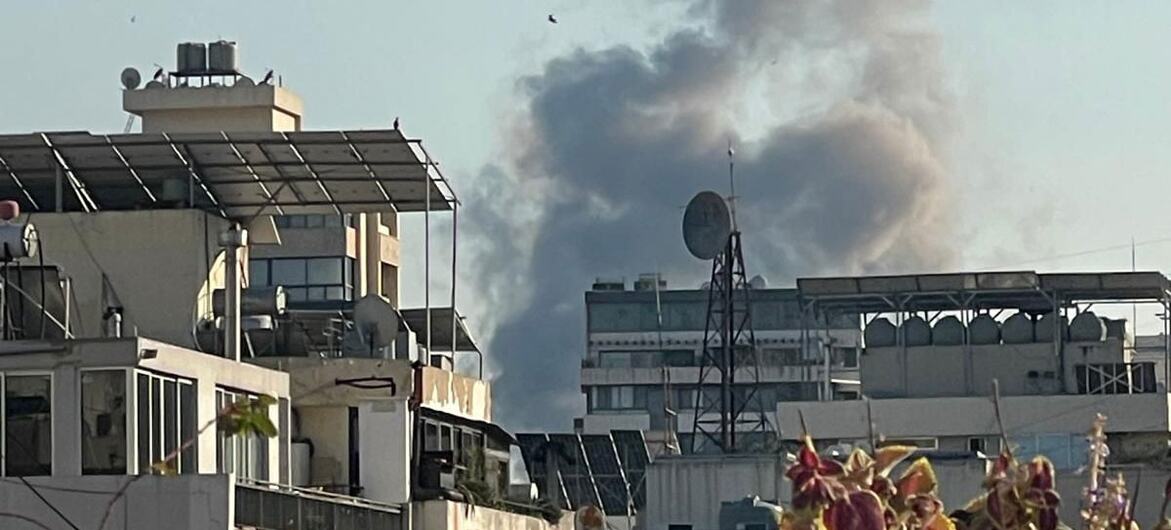
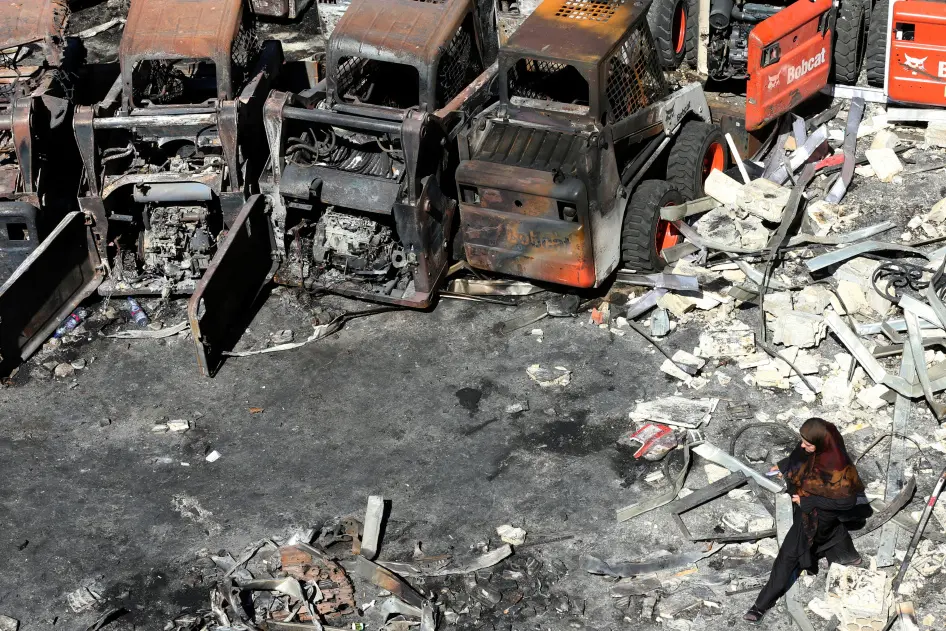
Missile strikes, reported in countries such as Bahrain, Jordan, Oman, Kuwait, Qatar, Saudi Arabia, and the United Arab Emirates (UAE), in addition to Israel, highlight the widespread impact of this conflict. The military reactions are not limited to ground-based threats; Israel’s armed forces have engaged Hezbollah following strikes from Lebanon on Monday. Reports suggest that over 550 civilians in Iran have lost their lives due to these escalating attacks since Saturday, with recent targets including the previously sheltered Gandhi Hospital in Tehran, which suffered damage on Sunday, according to the UN World Health Organization (WHO).
WHO Director-General Tedros Adhanom Ghebreyesus emphasized the importance of safeguarding health facilities in his recent online statements. “It is a critical reminder that all necessary measures must be undertaken to prevent these vital institutions from becoming victims of the ongoing war. International humanitarian law mandates the protection of health facilities,” he asserted.
Amidst these developments, IAEA Chief Grossi reiterated concerns about the potential for a nuclear incident triggered by the escalating military confrontations, pointing out that both Iran and numerous nations within the region currently operate nuclear power plants and research reactors. During a special IAEA Board meeting in Vienna, Grossi stated that radiation levels have remained normal in countries neighboring Iran since the commencement of hostilities.
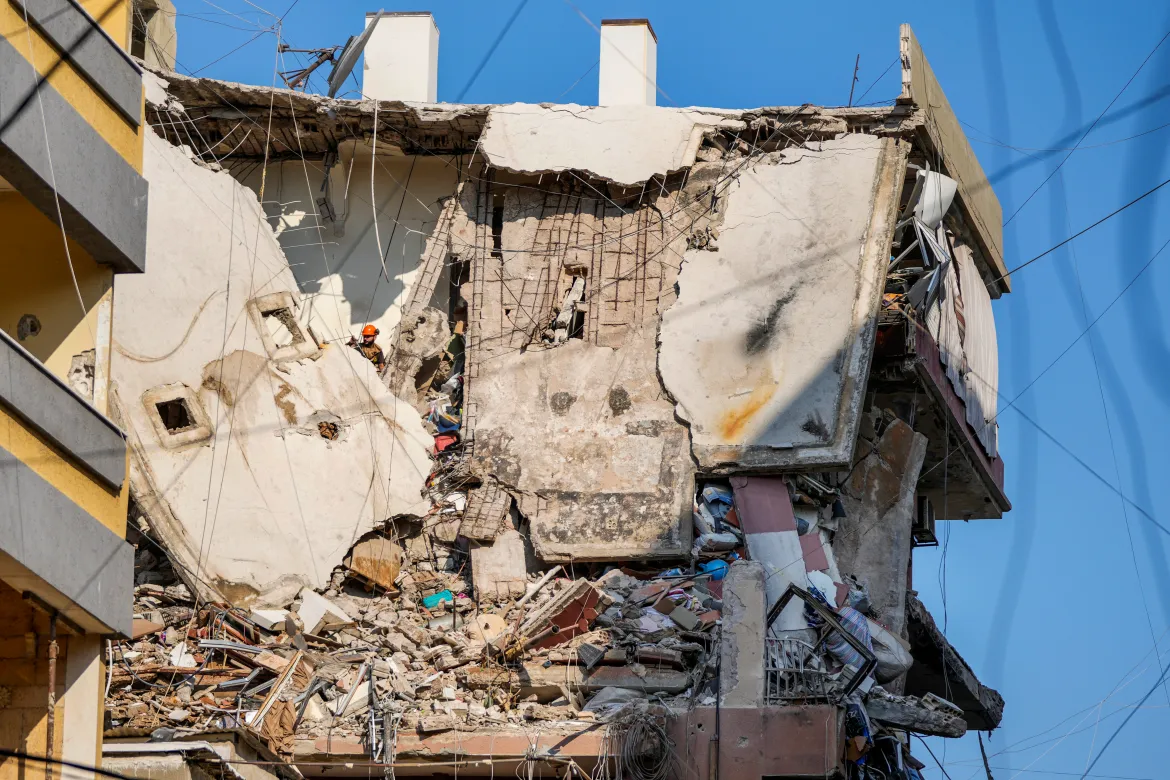
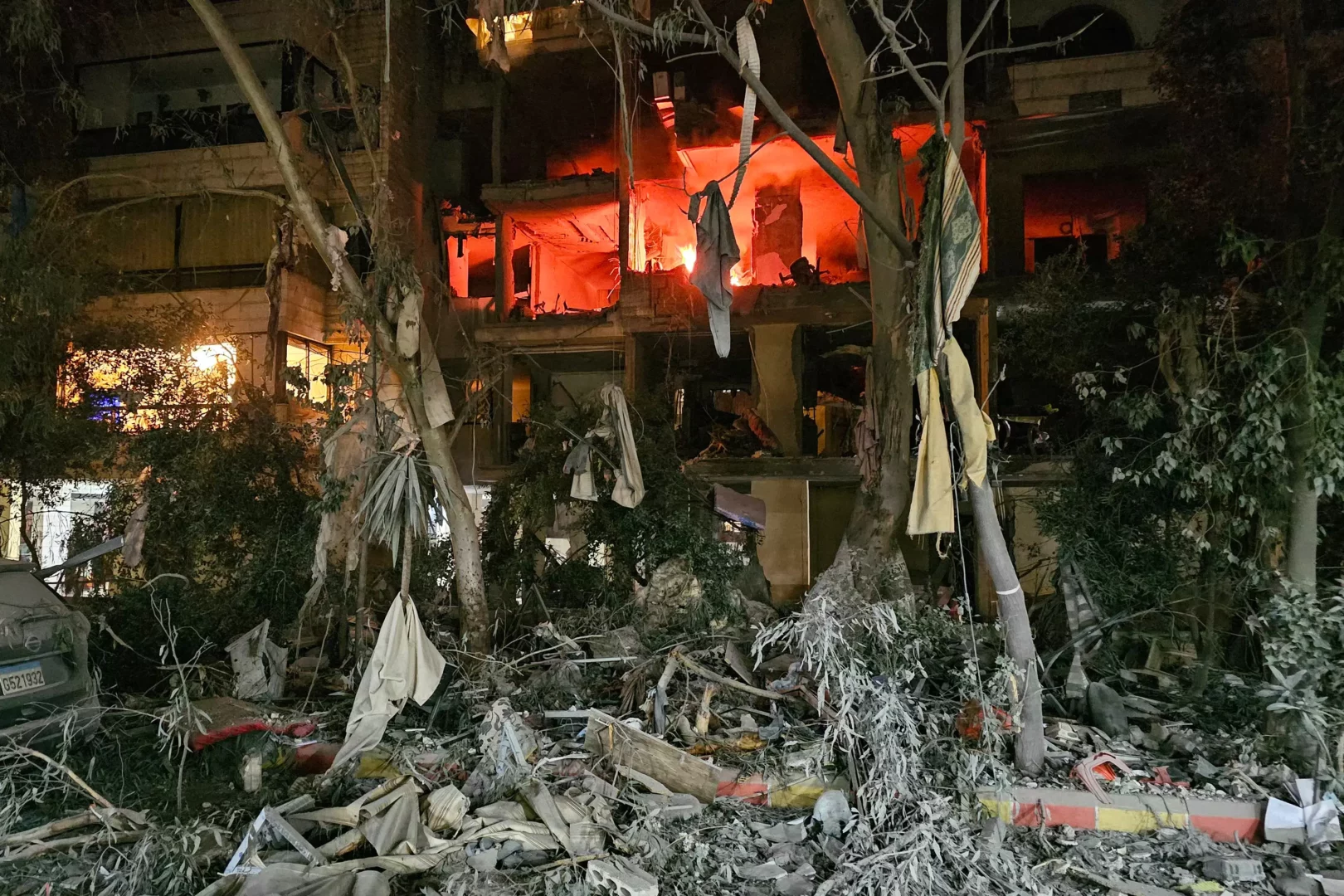
As the military landscape shifts with Israeli assaults on Hezbollah positions in Lebanon, Grossi called for the “utmost restraint in all military operations.” He stressed the urgency of stability given that the UAE operates four nuclear reactors, alongside operational nuclear research facilities in Jordan and Syria. “Countries such as Bahrain, Iraq, Kuwait, Oman, Qatar, and Saudi Arabia have also faced attacks,” he noted, underlining that each engages in nuclear applications to varying extents.
The region now stands at a precarious crossroads, with the intersection of military aggression and nuclear uncertainty creating a backdrop fraught with potential peril.
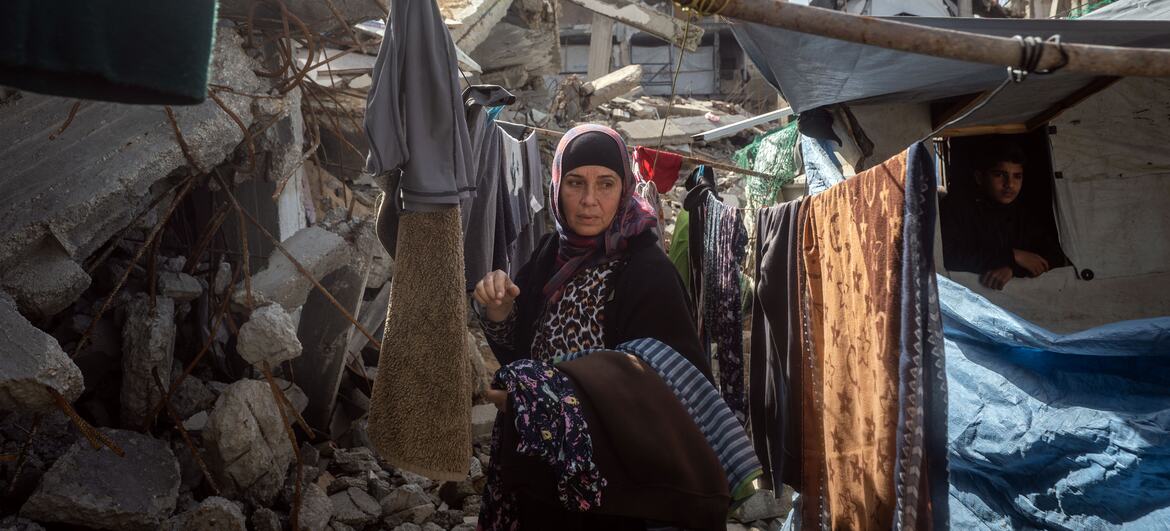
UN’s Austerity vs. Middle East’s $1 Billion Daily War: A Global Paradox
The UN’s urgent $23 billion appeal, designed to support 87 million individuals teetering on the brink of destitution, remains critically underfunded. A yawning chasm of over $14 billion...
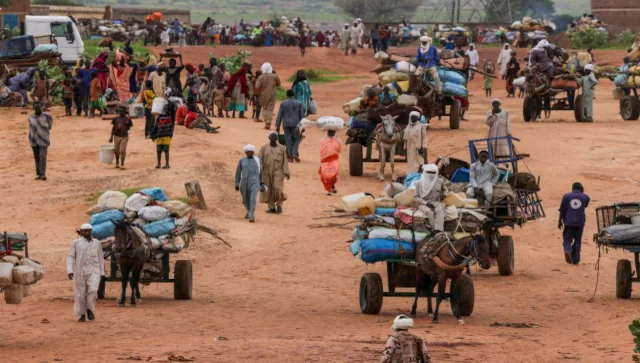
Sudan: A Call to Action as Atrocities Rise
The situation in Sudan demands immediate and decisive action. Without credible deterrence and robust intervention, the civilian population will continue to bear the brunt of this crisis,...
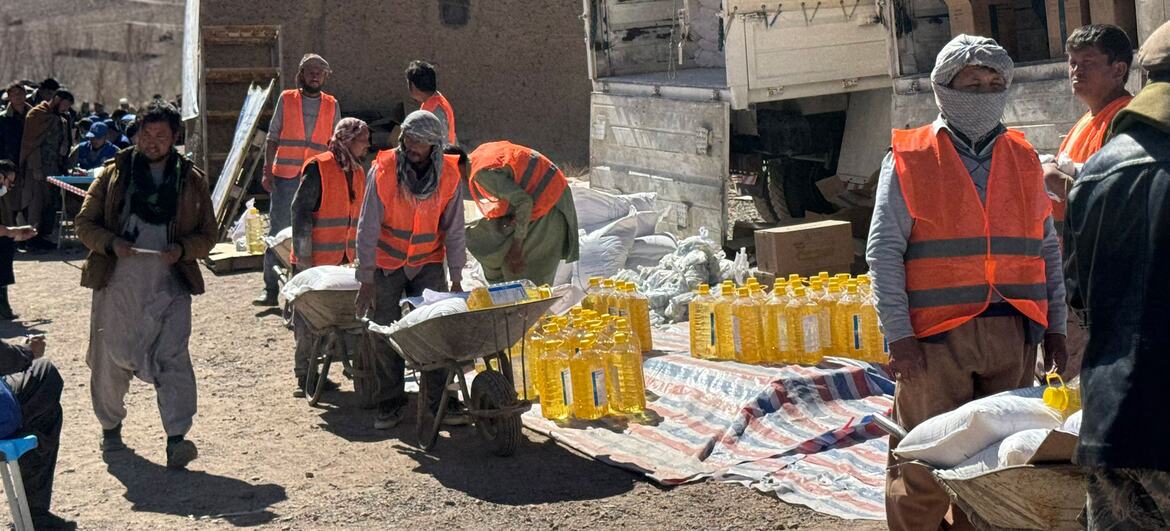
Afghanistan, Caught Between Borders and an Escalating Middle East War
From a human rights perspective, the situation remains grave. The UN has highlighted the six-month prohibition on female Afghan national staff from working within UN operations, alongside...


Our Network
Our Channels

© 2026 Al Jazeera Media Network. All rights reserved.