

Nearly One Thousand Dead at Sea
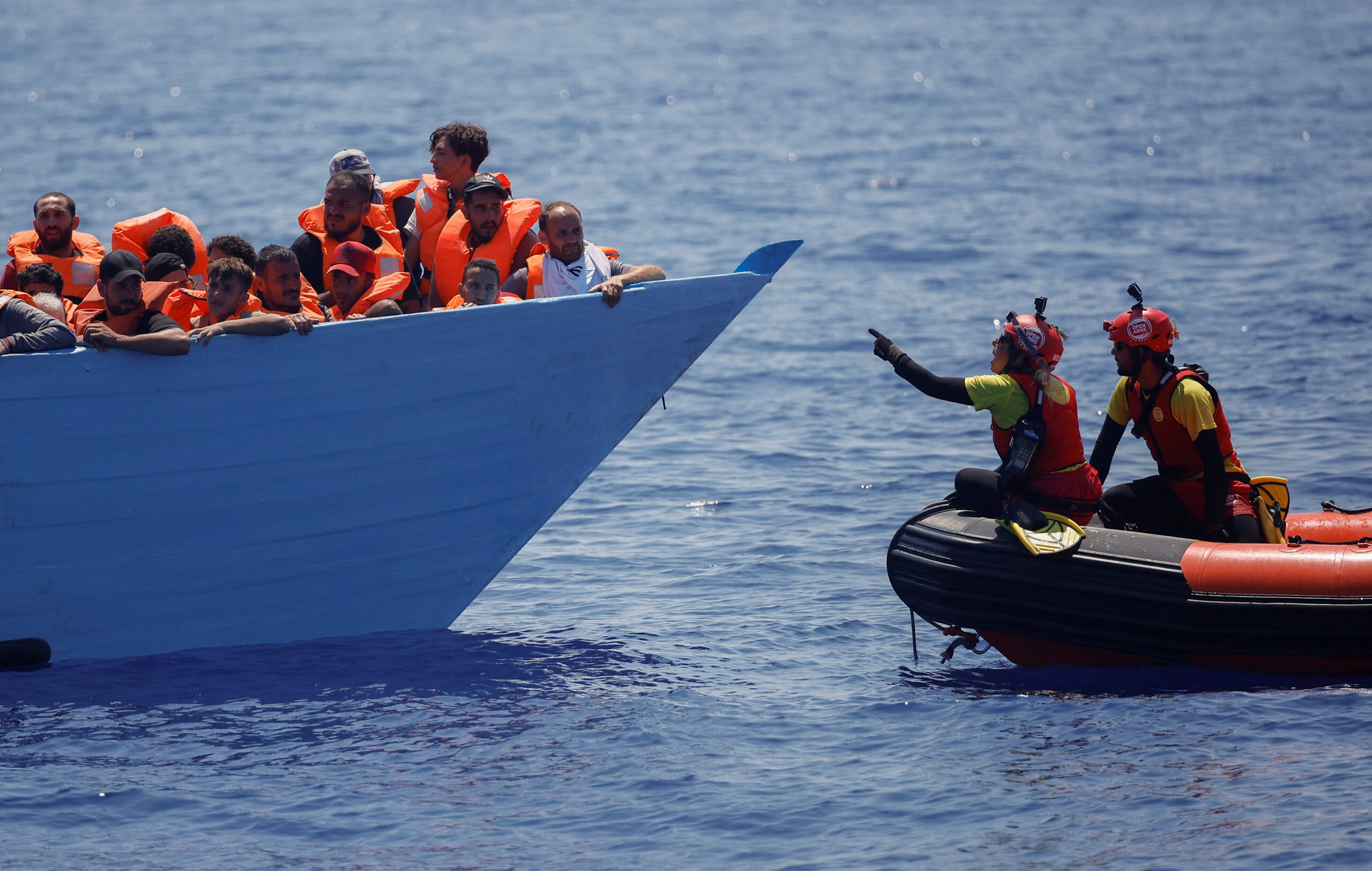
Archive/Al Jazeera
The International Organisation for Migration delivered its latest tally this week: more than 180 people feared dead or missing in the most recent Mediterranean shipwrecks, bringing the total number of migrants and refugees killed attempting to reach Europe in 2026 to nearly one thousand. IOM describes it as one of the deadliest starts to a year since 2014.
In the Central Mediterranean alone, around 765 people have died in 2026, a rise of more than 150 percent over the same period in 2025. In one incident last Sunday, more than 80 migrants went missing when a boat capsized after departing Tajoura, Libya, with approximately 120 people aboard. Earlier, on April 1st, 19 were found dead on a vessel off the coast of Italy near Lampedusa, believed to have been adrift for three days before rescuers arrived. Italy has recorded around 6,200 arrivals so far in 2026, down sharply from 9,400 over the same period last year. Fewer arrivals; more deaths per crossing. The sea has become more lethal, not less.
IOM director Amy Pope called for stronger action against traffickers and smugglers and for an expansion of safe and legal migration pathways. Search and rescue capacity, she noted, remains insufficient.
Afghanistan: Bombs, Floods, and Hunger
More than 94,000 people have been displaced in Afghanistan since a flare-up of military activity with Pakistan that began in late February. The UN humanitarian office reports that several hundred civilians have been killed or wounded by cross-border shelling, airstrikes, and armed clashes. Twenty-five health facilities and 41 schools across six Afghan provinces have been damaged, closed, or suspended, severing essential health, nutrition, and education services for communities already among the most vulnerable on earth.
Into this crisis, nature has added its own complication. Recent widespread rainfall has strengthened spring agricultural conditions across parts of Afghanistan, offering some relief to a country where approximately 17.4 million people require urgent food assistance. Yet in other areas, the same rains have produced destructive flooding. “Without improved water management, they can become floods, devastating homes, crops, and livestock,” warned the UN Food and Agriculture Organization representative in Afghanistan, Richard Trenchard.
One Health Summit
Sixty percent of emerging infectious diseases reported globally originate in animals, wild or domestic. More than 30 new human pathogens have been detected in the past three decades, 75 percent of which originated in animals. Against this backdrop, a high-level global summit convened this week under the banner of “One Health,” a UN-backed integrated strategy recognising that the health of people, animals, and the broader environment cannot be separated.
The European Commission announced a 700 million euro pledge to the Global Fund, with 46.5 million euros specifically dedicated to strengthening African health security and the One Health workforce. The World Health Organization is chairing the summit as part of a four-way leadership structure that includes the UN’s agriculture and environment agencies. Officials are emphasising that investments in antimicrobial resistance and food systems are no longer a luxury. They are a precondition for civilisational survival.
Sources: International Organisation for Migration, Mediterranean shipwreck data, 7 April 2026. UN Office for the Coordination of Humanitarian Affairs, Afghanistan displacement and healthcare facility report, April 2026. UN Food and Agriculture Organization, Afghanistan rainfall and food security assessment, April 2026. European Commission, One Health Summit pledge announcement, April 2026. WHO, One Health Summit overview, April 2026.

U.S. Immigration Policies Harm Pregnant Migrants
ICE’s official policy states that pregnant, postpartum, or nursing women are generally not to be detained for administrative immigration violations unless legally required or under exceptional...

Saving Lives Is Not a Crime
Any credible reform must explicitly and in binding terms exempt acts of humanitarian assistance and solidarity from criminal prosecution, protect migrants who may themselves have been smuggled...
- Most Viewed
- Most Popular





Our Network
Our Channels

© 2026 Al Jazeera Media Network. All rights reserved.