

Minneapolis, Federal Forces, and the Strain on Civil Liberties
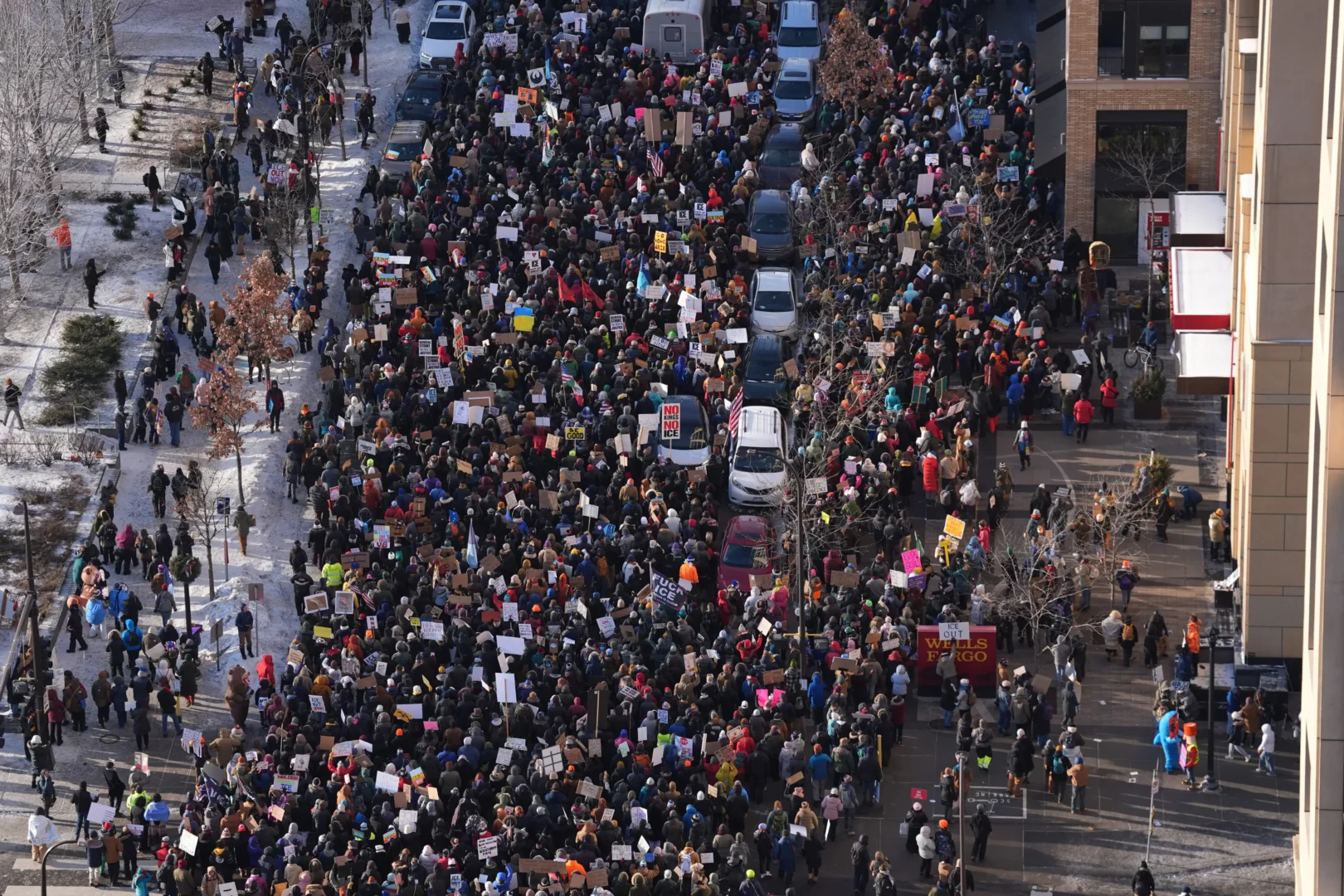
People protest against ICE (Immigration and Customs Enforcement) in downtown Minneapolis, January 25, 2026.
© 2026 AP Photo/Adam Gray
The deployment of federal immigration enforcement forces to Minneapolis, and the political tumult that followed the fatal confrontation between Alex Pretti and a federal agent, has intensified debates about federal intervention, oversight and civil-rights protections. President Trump said he would “de‑escalate” the situation while praising border czar Tom Homan’s role on the ground, instructing Homan to coordinate directly with the White House. Yet the episode exposed deep fissures: bipartisan calls for the resignation of DHS Secretary Kristi Noem, demands for impeachment by House Democrats, and Republican senators urging her departure underscore the cross‑aisle unease about command decisions and accountability.
Video evidence has undercut official claims that agents acted defensively, and activists have mobilised for transparency and independent investigation. Mayor Jacob Frey said he secured an agreement for some federal agents to begin leaving the city, while federal plans to continue an enforcement surge remain in place. Trump’s reported consideration of invoking the Insurrection Act, and the issuance of deployment orders to active‑duty units such as the 11th Airborne Division, raise fraught constitutional and human-rights issues: the use of the military in domestic law enforcement carries risks of mission creep, inadequate training for policing tasks, and erosion of civil liberties.
Policymakers must balance the declared aim of enforcing immigration laws with the imperative to preserve due process, local governance prerogatives, and the civic space for dissent; without robust oversight, emergency deployments risk doing long‑term damage to trust in institutions and to core liberties.
Lebanon’s Spillover and Gaza’s Board of Peace
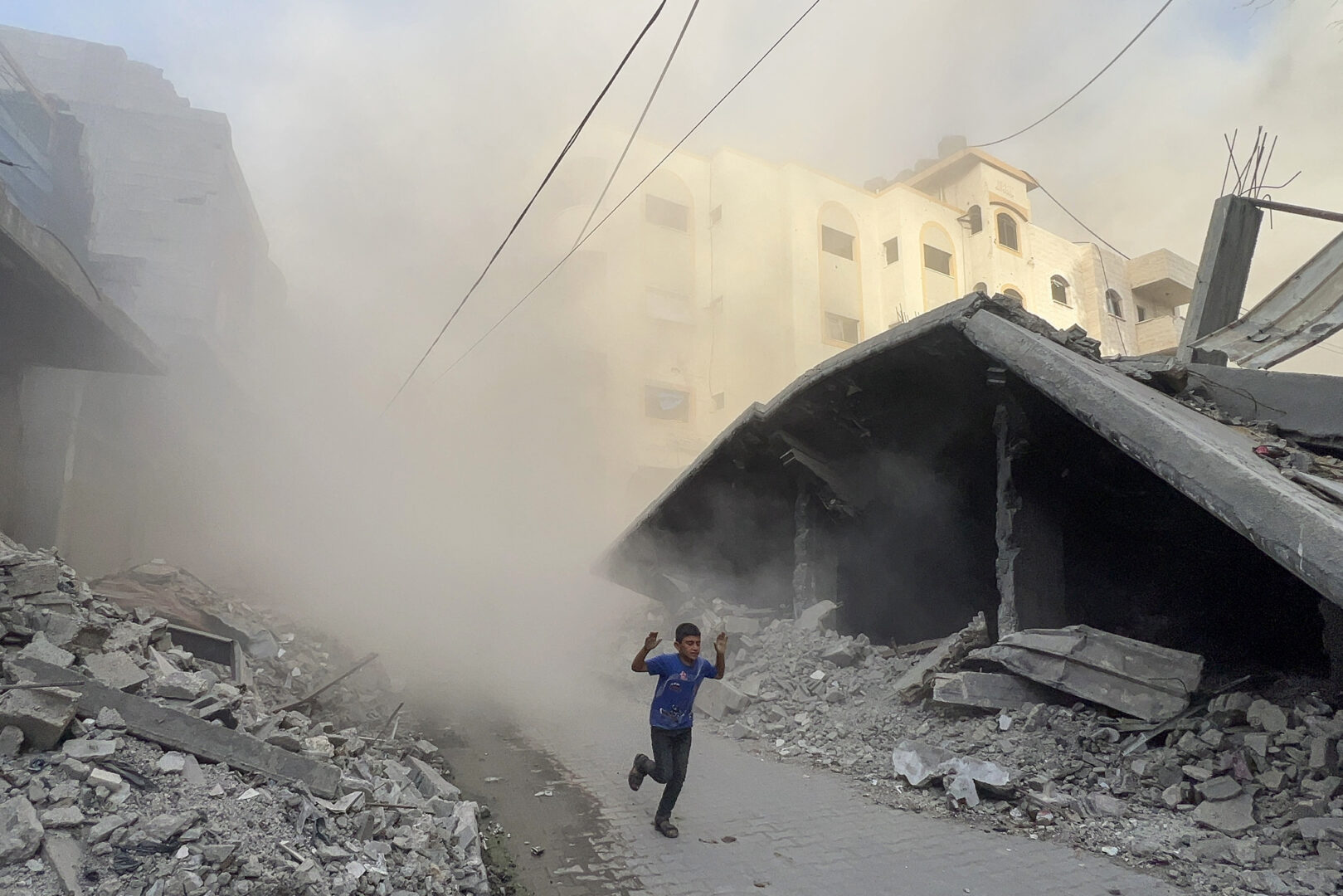
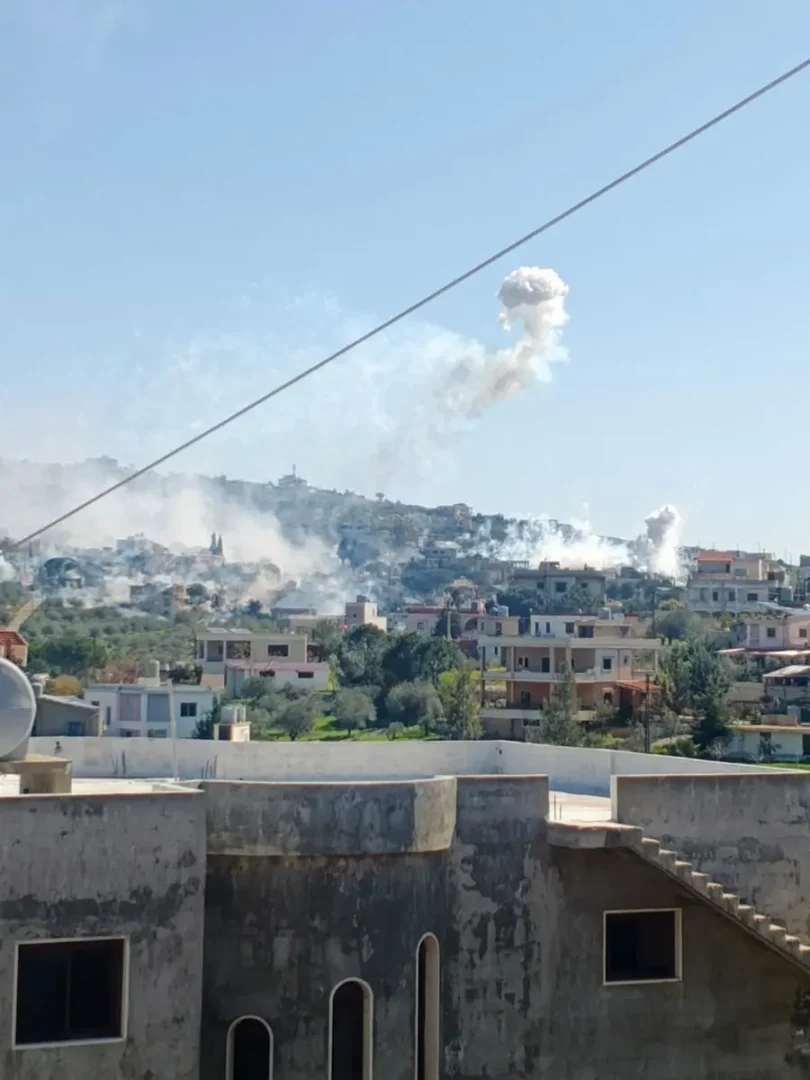
The council’s exchanges on 03/24/2026 underscored an urgent human rights imperative: protect civilians across borders, ensure aid corridors such as Rafah and Kerem Shalom remain open, and make...
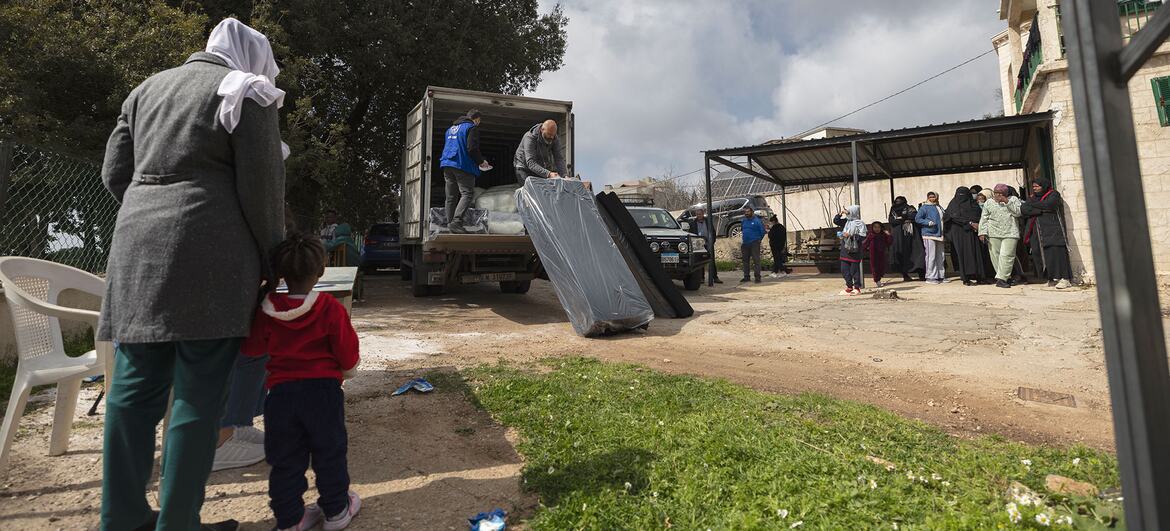
Human‑Rights Implications are Immediate, as War spills Across the Middel East
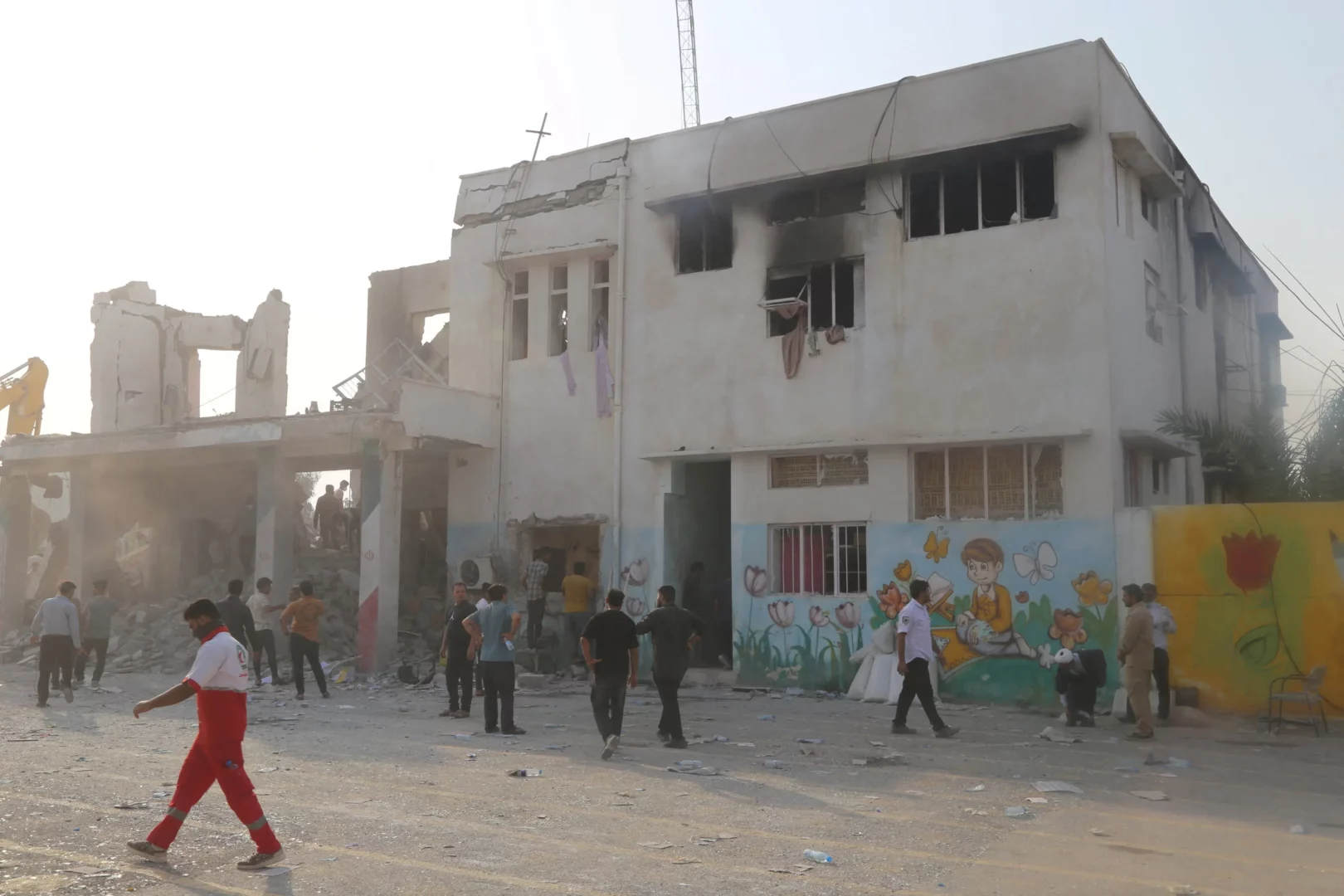
Iraq and Syria are under parallel strain. WHO reported targeted allocations to Iraq for mass casualty management and coordination, supported by a $500,000 US contribution, and $500,000 to Syria...
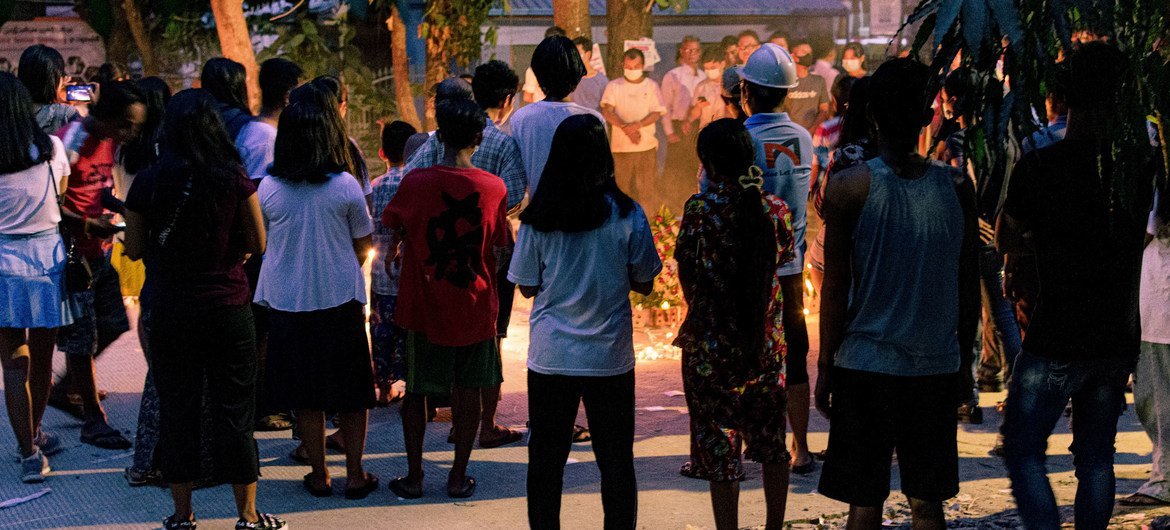
Myanmar at a Crossroads, and the Need for Sustained Pressure
Policy must be calibrated: scale up humanitarian aid, maintain targeted sanctions and arms controls that disrupt the junta’s capacity, support cross-border assistance where possible, and...

Deportations of Ukrainian Children to Russia, and the Commission’s Finding of Crimes against Humanity
The human-rights implications are severe: the forcible transfer of children, their long-term placement in foreign families or institutions, and the denial of family contact breach international...

Our Network
Our Channels

© 2026 Al Jazeera Media Network. All rights reserved.