

Lines of Fire and Protest

Archive/Al Jazeera.
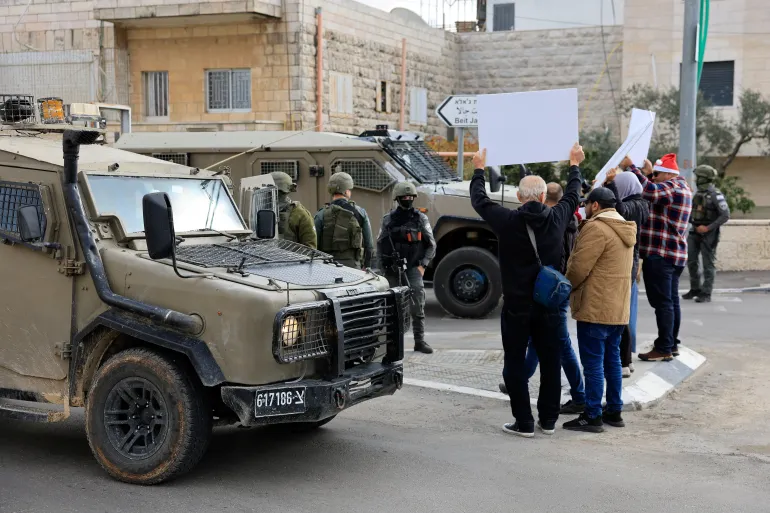
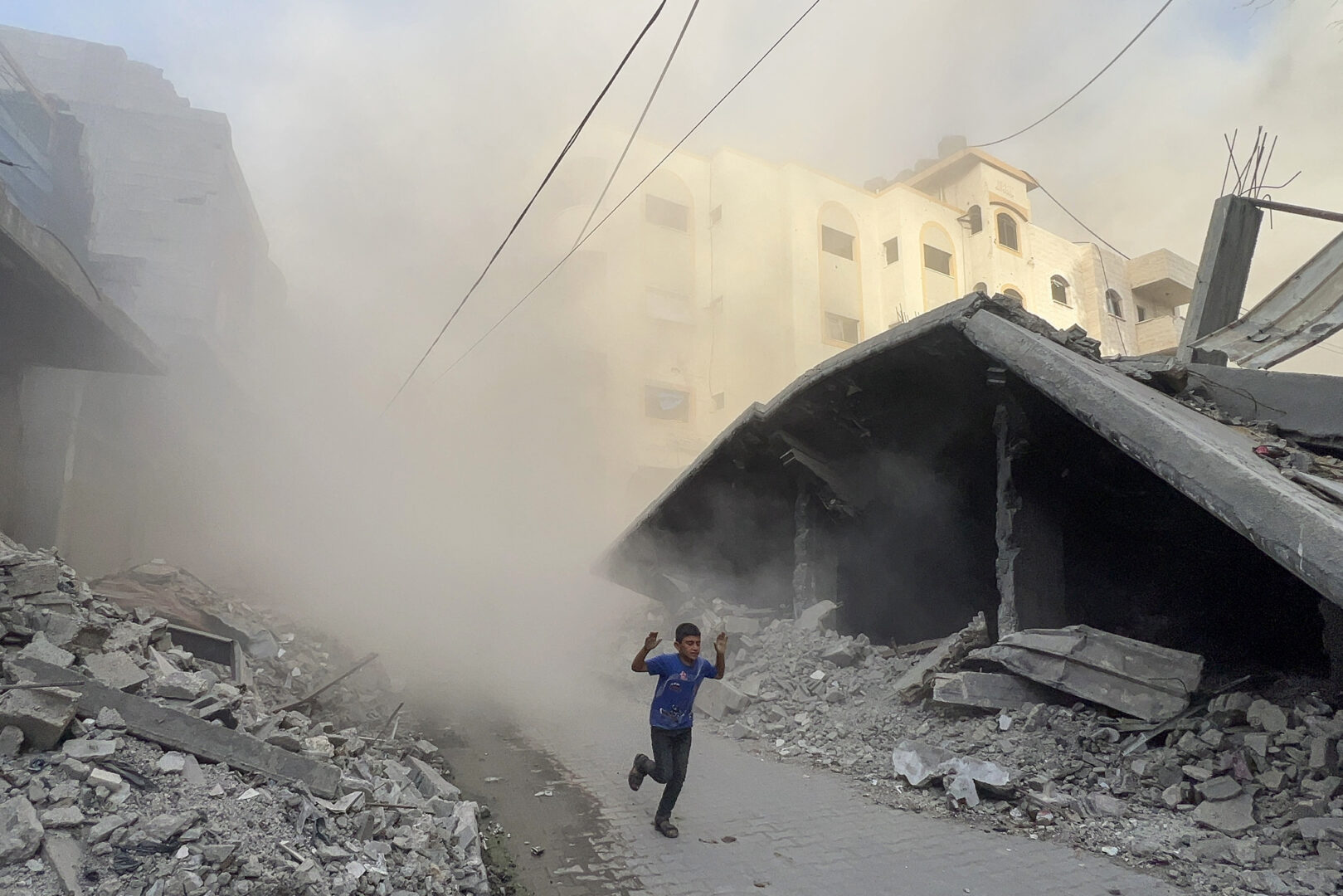
In recent days, a tide of unrest has surged through Israel’s urban heartlands, as families of captives, joined by a broader cohort of protestors, have marched resolutely towards the nerve centres of government power, including the official residence of Prime Minister Benjamin Netanyahu in West Jerusalem. Their rallying cry: an urgent cessation of military operations in Gaza City, coupled with an uncompromising demand for the complete return of all Israeli captives.
Amid this civic tumult, political manoeuvring has intensified. On Wednesday, Finance Minister Bezalel Smotrich, a figure firmly aligned with the far right, unveiled a contentious plan to annex some 82 per cent of the West Bank. The proposal envisages the dismantling of the Palestinian Authority’s administrative role, replacing it with a “Regional Civilian Management” ostensibly designed to regulate Palestinian lives directly under Israeli oversight. Smotrich implored Prime Minister Netanyahu to summon the government for a decisive session to formalise the annexation of the contested territory, effectively eroding the prospect of a sovereign Palestinian state.
Meanwhile, on the military front, Chief of Staff Eyal Zamir confirmed the initiation of manoeuvres within Gaza City itself, signalling a possible intensification of ground operations. Media reports have further detailed a significant mobilisation, with thousands of reservists being called up in anticipation of prolonged conflict. Notably, a faction of reservists declared their refusal to be conscripted for what they describe as a ground invasion—an unprecedented act of dissent within the ranks of Israel’s defence establishment.
The country stands at a fraught juncture, where political, military, and civil fault lines converge with profound implications for its future and the broader region.
Words That Kill …
Officials from the United States, Iran, and Israel are using rhetoric that signals dangerous contempt for the laws of war. The civilians caught in between will pay the price.
Iran War/Twelve Years Old and Fit for Duty!
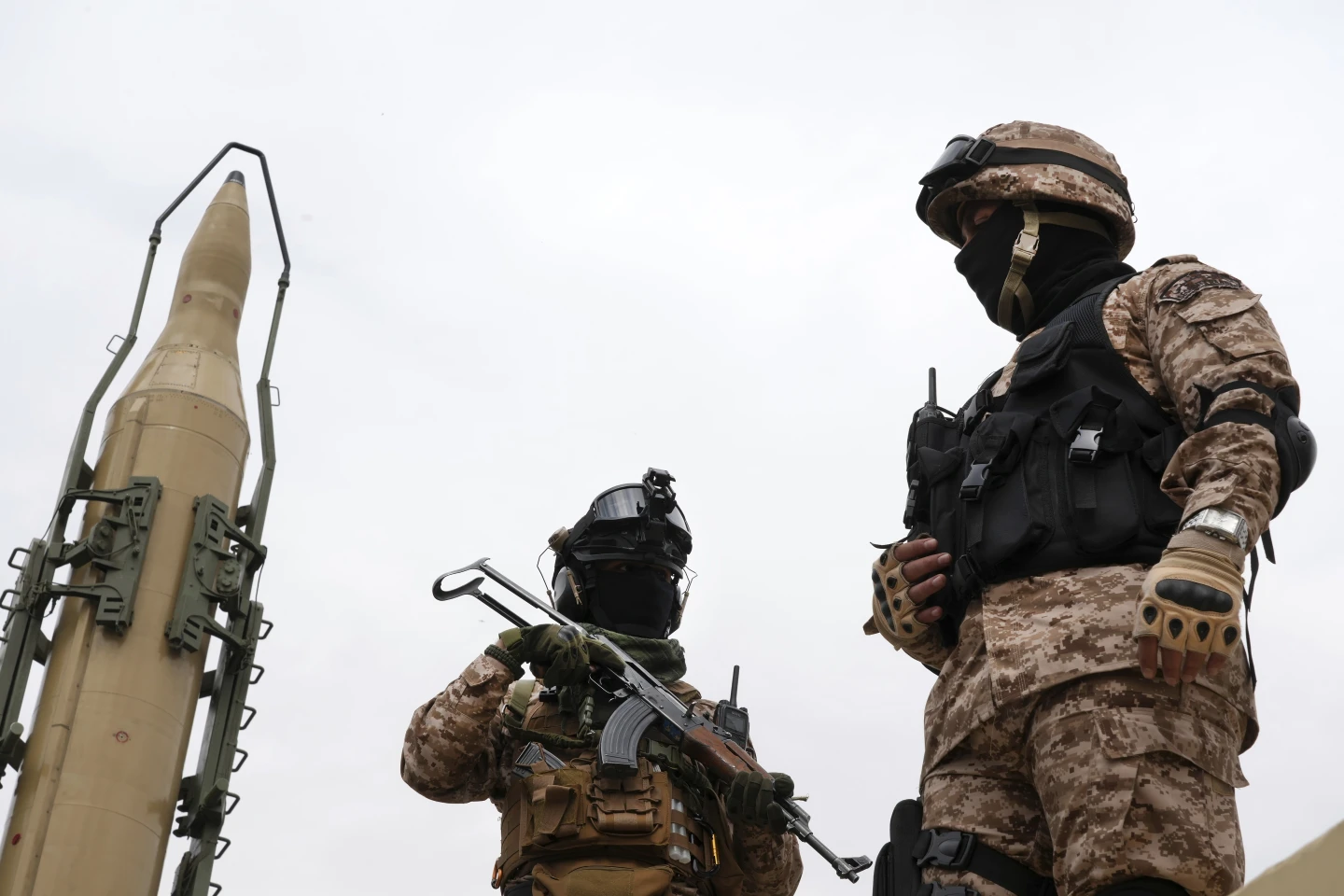
Iran’s Revolutionary Guards are recruiting children as young as 12. Under international law, enlisting those under 15 is a war crime.




Our Network
Our Channels

© 2026 Al Jazeera Media Network. All rights reserved.