

Legal Challenge to Suspension of Refugee Family Reunion Scheme in the UK
![Single men comprise Dunkirk’s population mostly, but there are approximately 200 children at the camp now. The children are especially susceptible to respiratory illnesses and diarrhoea caused by the cold and poor sanitary conditions. [Kelly Lynn Lunde/Al Jazeera]](https://liberties.aljazeera.com/resources/uploads/2026/02/1772104625.webp)
Single men comprise Dunkirk’s population mostly, but there are approximately 200 children at the camp now. The children are especially susceptible to respiratory illnesses and diarrhoea caused by the cold and poor sanitary conditions. [Kelly Lynn Lunde/Al Jazeera]
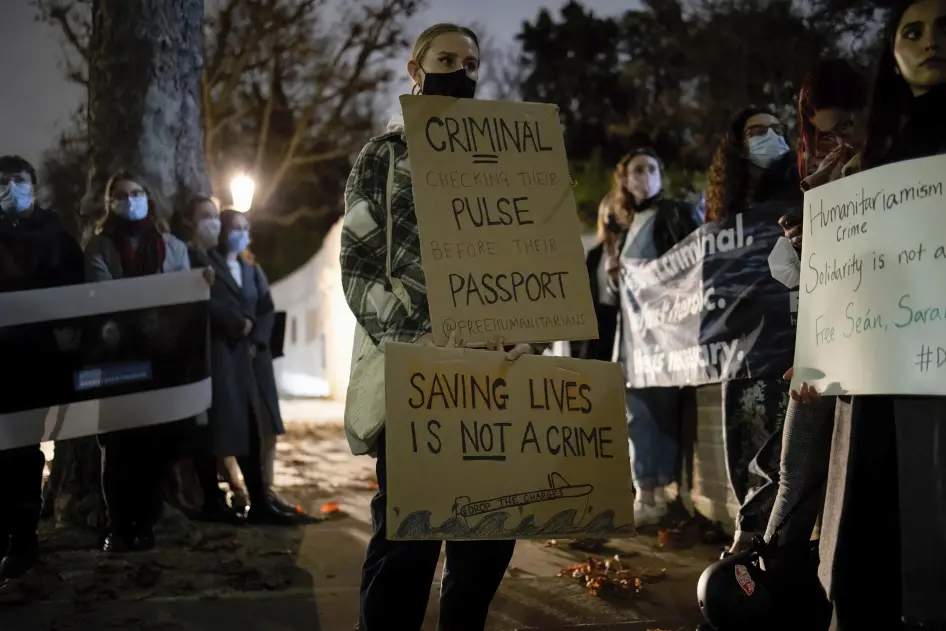
In a significant legal battle, Safe Passage International has initiated proceedings against the UK Home Office concerning its abrupt suspension of the Refugee Family Reunion Scheme, an initiative designed to facilitate the reunification of families separated by displacement. The organization argues that this decision contravenes established legal obligations, potentially undermining the welfare of vulnerable children particularly affected by the repercussions of war and persecution. The implications of this halt are profound, particularly for those already beset by trauma and loss.
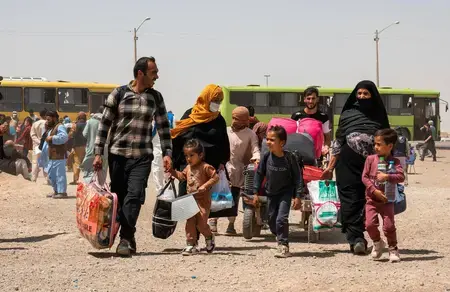
As the state tightens its asylum regulations, families remain fragmented, exacerbating the emotional toll on individuals, especially minors, who are forcibly separated from loved ones settled in safer environments. Young refugees, yearning for connection and stability, find themselves drifting further away from their familial bonds, heightening their vulnerability in an already precarious situation.
Legal experts point to the necessity for judicial scrutiny concerning this policy shift, emphasizing the need for alignment with international human rights treaties that underscore the right to family life. Reuniting families not only alleviates the profound emotional distress caused by forced separation but also serves as a critical component of effective trauma recovery for those who have fled conflict and persecution.
As the legal proceedings unfold, the outcome could set a significant precedent for the treatment of refugee families in the UK, highlighting the delicate balance between national policy and humanitarian obligations. The stakes are high, both for the individuals affected and for the broader implications of Britain’s stance on refugee rights.
(The Guardian, February 2026)
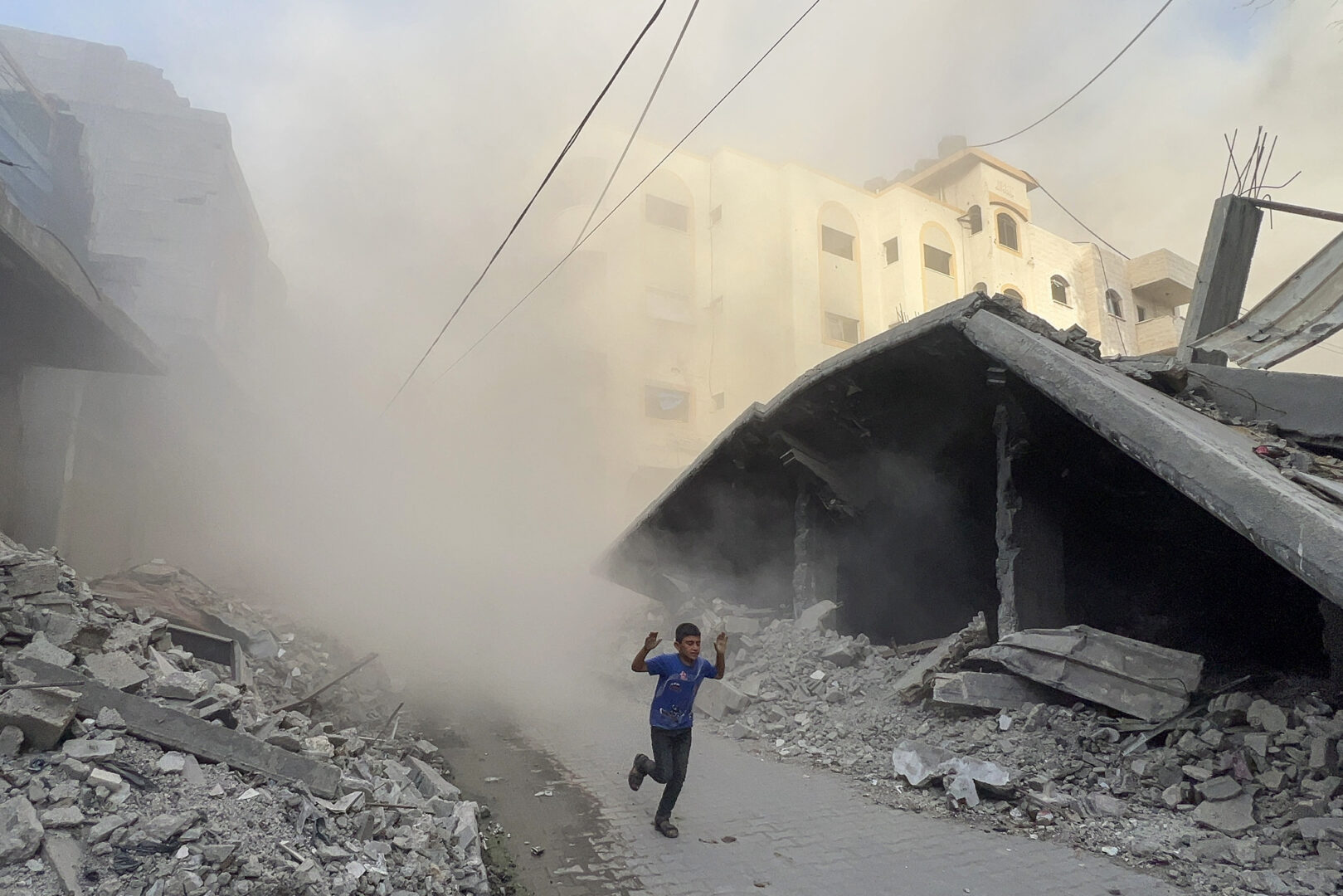
Lebanon’s Spillover and Gaza’s Board of Peace
The council’s exchanges on 03/24/2026 underscored an urgent human rights imperative: protect civilians across borders, ensure aid corridors such as Rafah and Kerem Shalom remain open, and make...

U.S. Immigration Policies Harm Pregnant Migrants
ICE’s official policy states that pregnant, postpartum, or nursing women are generally not to be detained for administrative immigration violations unless legally required or under exceptional...


- Most Viewed
- Most Popular






Our Network
Our Channels

© 2026 Al Jazeera Media Network. All rights reserved.