

Left Behind: The Global Education Crisis
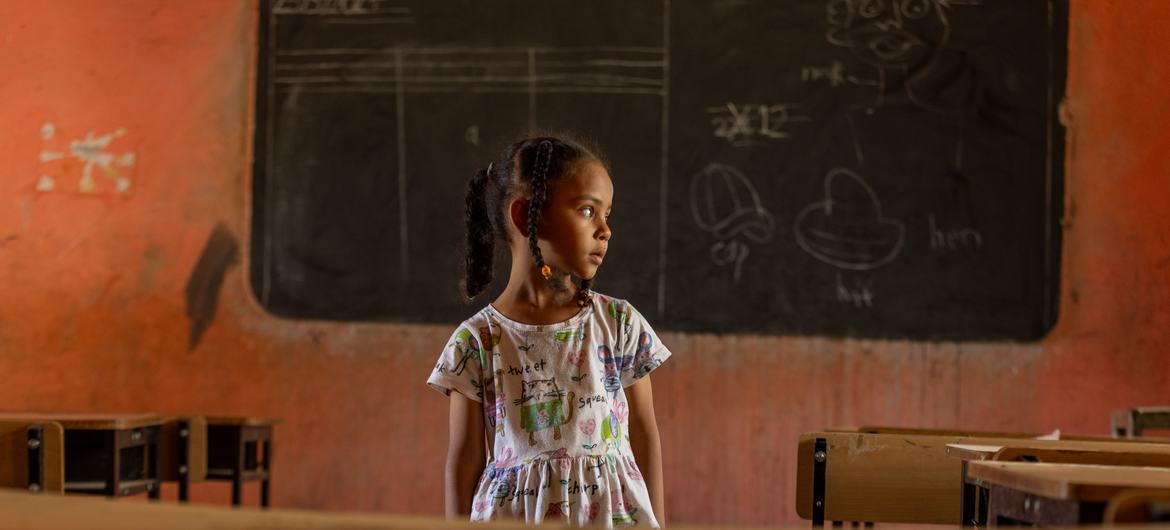
UNICEF/Elfatih 6-year-old Fatima, from Khartoum stands in an empty classroom at the UNICEF supported safe learning space in Kassala state, Sudan
One in six school-age children worldwide remains excluded from education, and only two in three complete secondary school, according to the 2026 Global Education Monitoring (GEM) Report, launched on 25 March 2026 at UNESCO headquarters in Paris. The global out-of-school population now stands at 272 million, some 21 million more than previous estimates, a figure that represents a profound denial of one of humanity’s most fundamental rights.
Progress since 2015 has slowed across nearly every region, with sub-Saharan Africa especially hard hit. In conflict zones, official figures almost certainly undercount the true scale of exclusion. At current rates, universal secondary completion, a target originally set for 2030, will not be achieved until the next century.
Yet the picture is not uniformly bleak. With 1.4 billion students enrolled globally in 2024, enrolment in primary and secondary education has grown by 327 million, or 30%, since 2000, equivalent to more than 25 additional children accessing school every minute. Countries such as Madagascar, Togo, Morocco, and Viet Nam have cut out-of-school rates by at least 80% over that period. The report cautions, however, that no single policy can cure exclusion. Context-specific, multi-angle approaches, sustained domestic financing, and national ownership of targets are essential if any child’s right to education is to be truly guaranteed.
Source: UNESCO, 2026 Global Education Monitoring Report: Access and Equity, Countdown to 2030, launched 25 March 2026, Paris. UNESCO Institute for Statistics. See: unesco.org/gem-report.
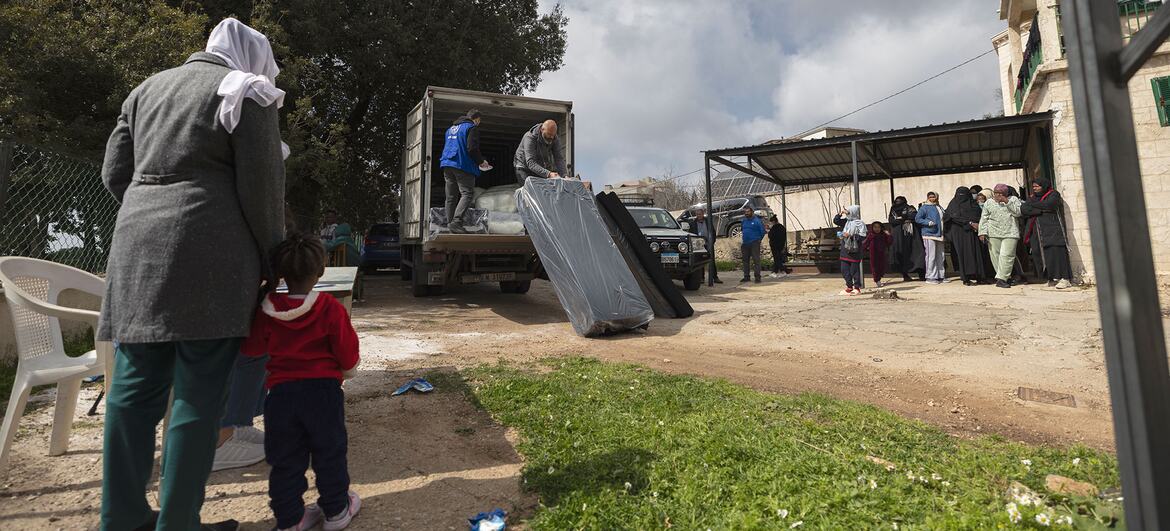
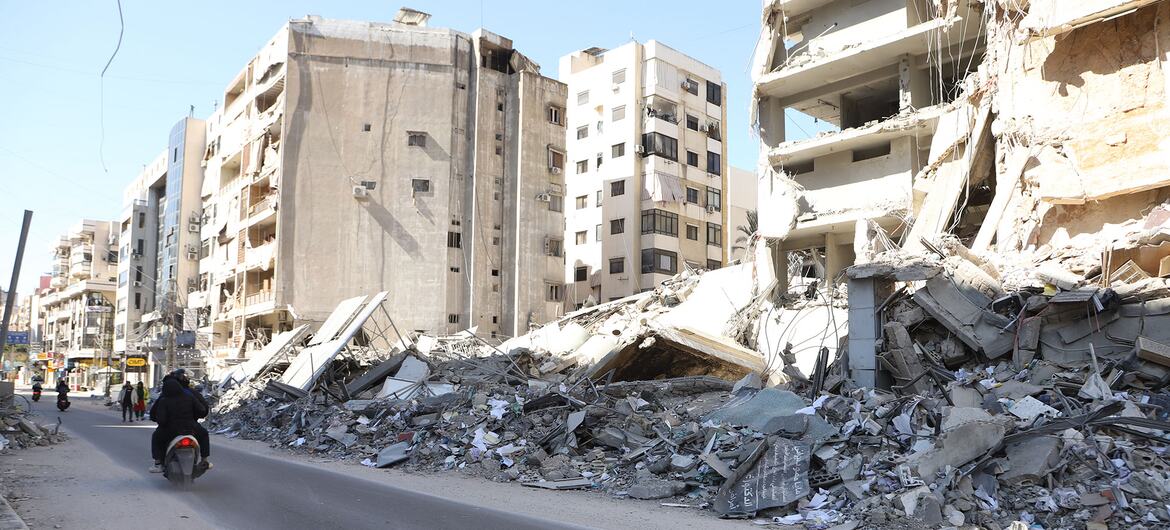
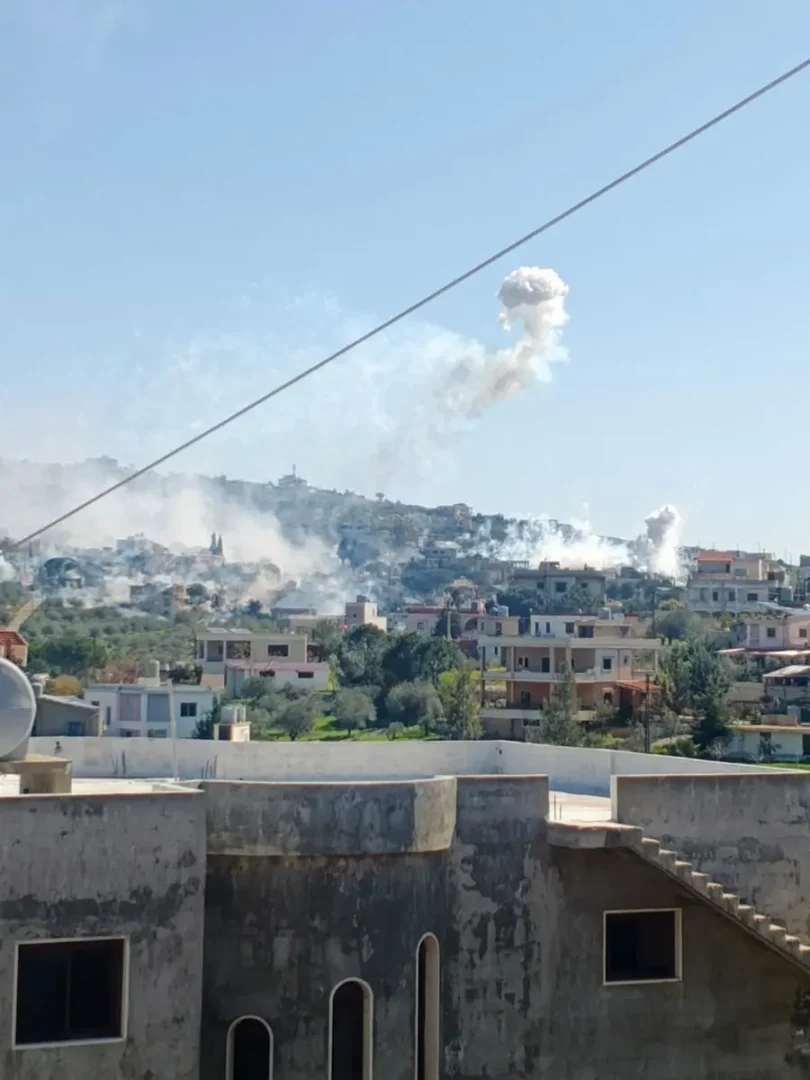
Lebanon’s Spillover and Gaza’s Board of Peace
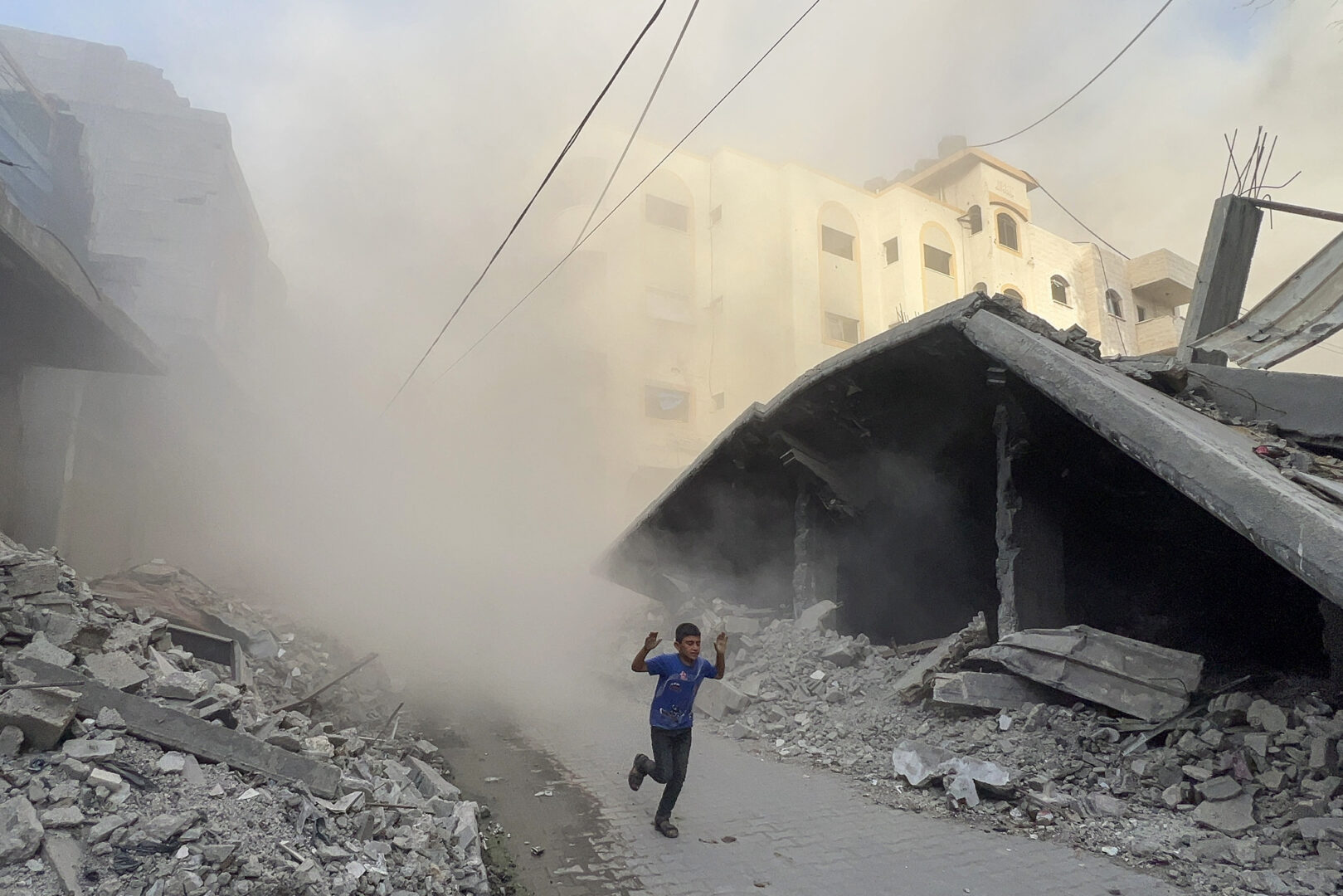
The council’s exchanges on 03/24/2026 underscored an urgent human rights imperative: protect civilians across borders, ensure aid corridors such as Rafah and Kerem Shalom remain open, and make...
Shelling, Power Loss, and a Nuclear Risk in Ukraine
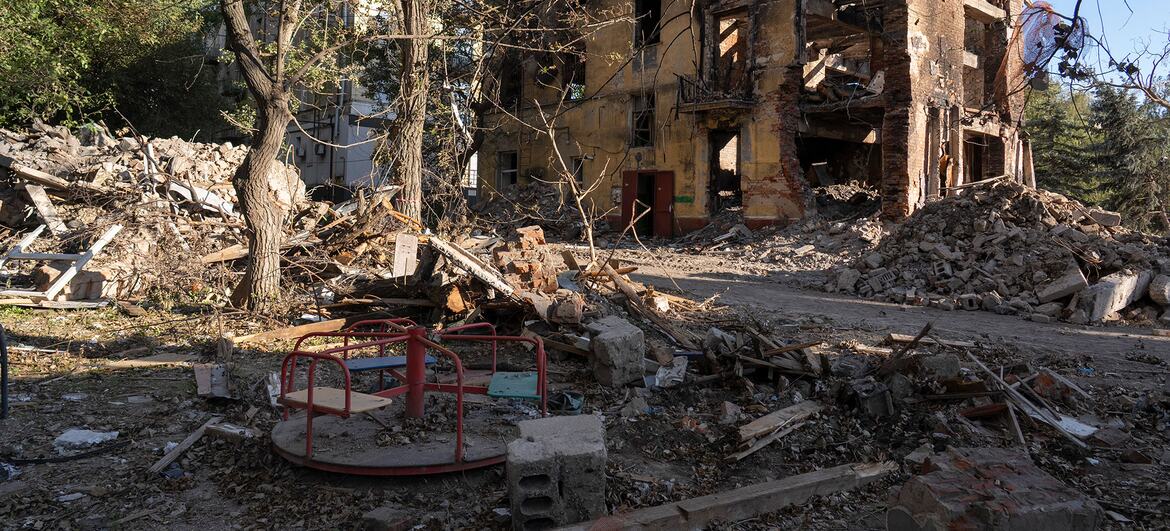
Humanitarian actors are providing first aid, psychosocial care, and emergency relief, but operations require safer access and predictable power to avoid further civilian...


Our Network
Our Channels

© 2026 Al Jazeera Media Network. All rights reserved.