

Justice Undone, Women Left Behind
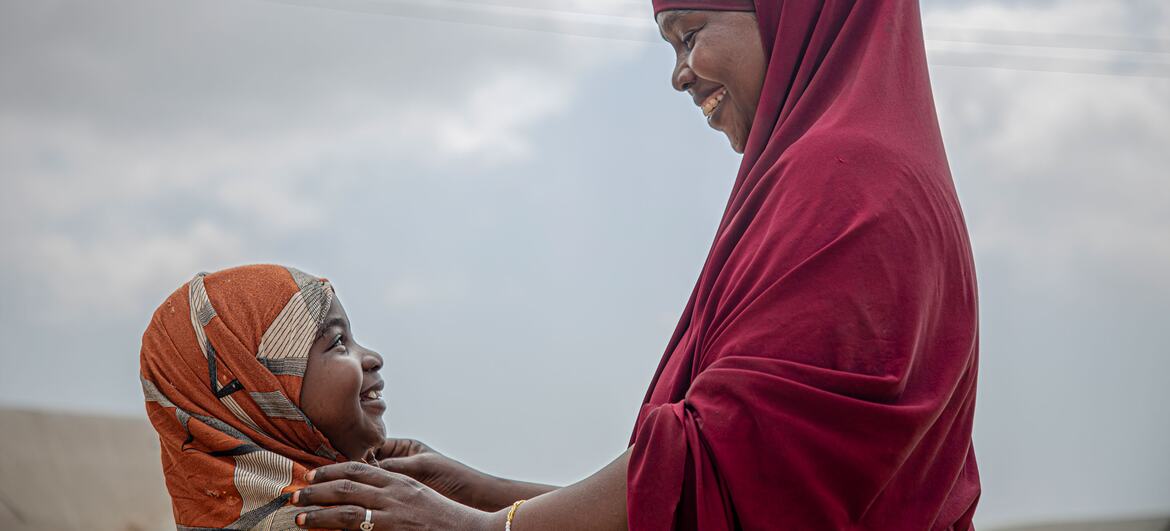
© UNFPA/Usame Nur Hussein A mother and daughter in the Rabi Yasir camp for internally displaced people in Mogadishu, Somalia.
The human rights dimension is central. Access to justice for women is not an ancillary policy matter, it is a core obligation under international human rights law. When justice systems fail women, violations multiply: the right to life, to security, to freedom from torture and degrading treatment to health and to nondiscrimination are all imperilled. The UN report frames judicial reform as part of a broader ecosystem: social protection, economic inclusion, education, and civic freedoms are mutually reinforcing. The brief also links the retreat from gender equality to a global rise in anti-rights movements, nationalist politics and polarising narratives that portray gender justice as a foreign imposition or cultural threat.
The diagnosis is stark, simple, and unsettling, and it comes with unmistakable data. On 03/04/2026 UN Women published Ensuring and Strengthening Access to Justice for All Women and Girls, a report that maps the retreat from gender equality across legal systems, courts, and customary tribunals worldwide. The agency’s director for policy, programmes and intergovernmental affairs, Sarah Hendriks, told a New York briefing that the moment demands alarm, not resignation: “As the world navigates democratic backsliding, rising conflicts, economic pressures and shrinking civic space, there is an increasingly organised pushback at gender equality and regression of women’s rights,” she said, 03/04/2026.
What the report calls a “justice gap” is neither metaphor nor mere policy critique, it is a measurable shortfall, rooted as much in law as in practice. UN Women’s survey of national frameworks and judicial outcomes found that women possess, on average, 64 percent of the legal rights available to men, and that 54 percent of countries still lack consent based legal definitions of rape. In nearly 70 percent of the countries studied, women face greater barriers to seeking and obtaining justice than men. Those barriers aggregate into predictable patterns, the report argues, clustered around five blocks of resistance: discriminatory legal frameworks, corrosive social norms, gaps between written law and implementation, the continued operation of parallel traditional justice systems, and the intensifying impact of conflict settings.
Conflict is perhaps the most visible accelerant. The agency notes that in 2024 roughly 676 million women and girls lived within 50 kilometres of a deadly conflict, the highest figure since the 1990s, and that conflict related sexual violence violations rose by 87 percent in the period under review. In such circumstances the rule of law frays quickly. Courts close, police withdraw or weaponise their discretion, and communities splinter into self-help, revenge, or silence. “Where power remains unequal, justice rarely operates neutrally,” Hendriks said. The consequences are both individual and institutional. When survivors cannot obtain redress, communities lose faith in justice institutions, and those institutions lose legitimacy.
A second, less dramatic but equally pernicious dynamic is legislative rollback. Across regions conservative legal changes and proposed reforms reshape family and criminal law in ways that curtail women’s autonomy, regulate reproductive and sexual behaviour harshly, or entrench discriminatory inheritance and custody rules. These legal shifts seldom happen in isolated fashion. They are part of a wider civic squeeze, in which civil society organisations face funding cuts, legal harassment or restrictions on speech and assembly, leaving the networks that support survivors and monitor abuses weakened when they are most needed. UN Women’s survey finds nearly 90 percent of organisations working to end violence report reductions in essential services, and only five percent believe they can sustain current operations for more than two years under present conditions.
What would a rights respecting, resilient justice system looks like? The UN agency offers eight recommendations for governments to pursue by 2030 that emphasise systemic redesign, resourcing, and participation. Chief among them is the argument that reform cannot be outsourced to technocrats or imposed top down, it must be “by women, for women.” Judicial reform needs to centre survivors’ experiences, expand legal aid, strengthen enforcement mechanisms, integrate gender sensitisation across police and judiciary training, and invest in services that allow reporting without retribution. These are pragmatic demands, and they need money. The report is blunt: justice reform remains stubbornly underfunded, particularly in low- and middle-income contexts where competing priorities are intense and fiscal space limited.
There are precedents for progress. UN Women highlights family law reforms since the 1970s that opened economic opportunities for more than 600 million women, demonstrating that law can be transformed. But legal change alone is insufficient. The gap between statute and courtroom is often the decisive battleground. Even where protections exist on paper, cultural deference, corruption, intimidation, and procedural hurdles routinely deny victims’ redress. Traditional justice systems, which may operate outside state law but with deep local legitimacy, often perpetuate discriminatory norms under the guise of custom. Integrating or regulating these systems respectfully, while upholding fundamental rights, is one of the thorniest policy tasks facing reformers.
The practical policy horizon is constrained, and political will is the decisive variable. For some governments, the path to reform requires legal liberalisation and protection of civil society space. For donors and multilaterals, it demands increased long-term funding and conditional support tied to measurable progress on legal reform and service provision. For activists it requires protection, platforming, and sustained scrutiny. The report’s call to action is both urgent and exact: without systemic change women will continue to bear the brunt of a justice deficit that corrodes rights, institutions, and social cohesion.
Sources, UN Women, Ensuring and Strengthening Access to Justice for All Women and Girls, report and briefing remarks Sarah Hendriks, 03/04/2026.
Europe’s Economic Security, and Why Human Rights Must Be Front‑Loaded
Strengthening due diligence laws, enforcing forced labour bans, protecting diaspora communities from transnational repression, and embedding labour standards in trade policies would align...

U.S. Immigration Policies Harm Pregnant Migrants
ICE’s official policy states that pregnant, postpartum, or nursing women are generally not to be detained for administrative immigration violations unless legally required or under exceptional...
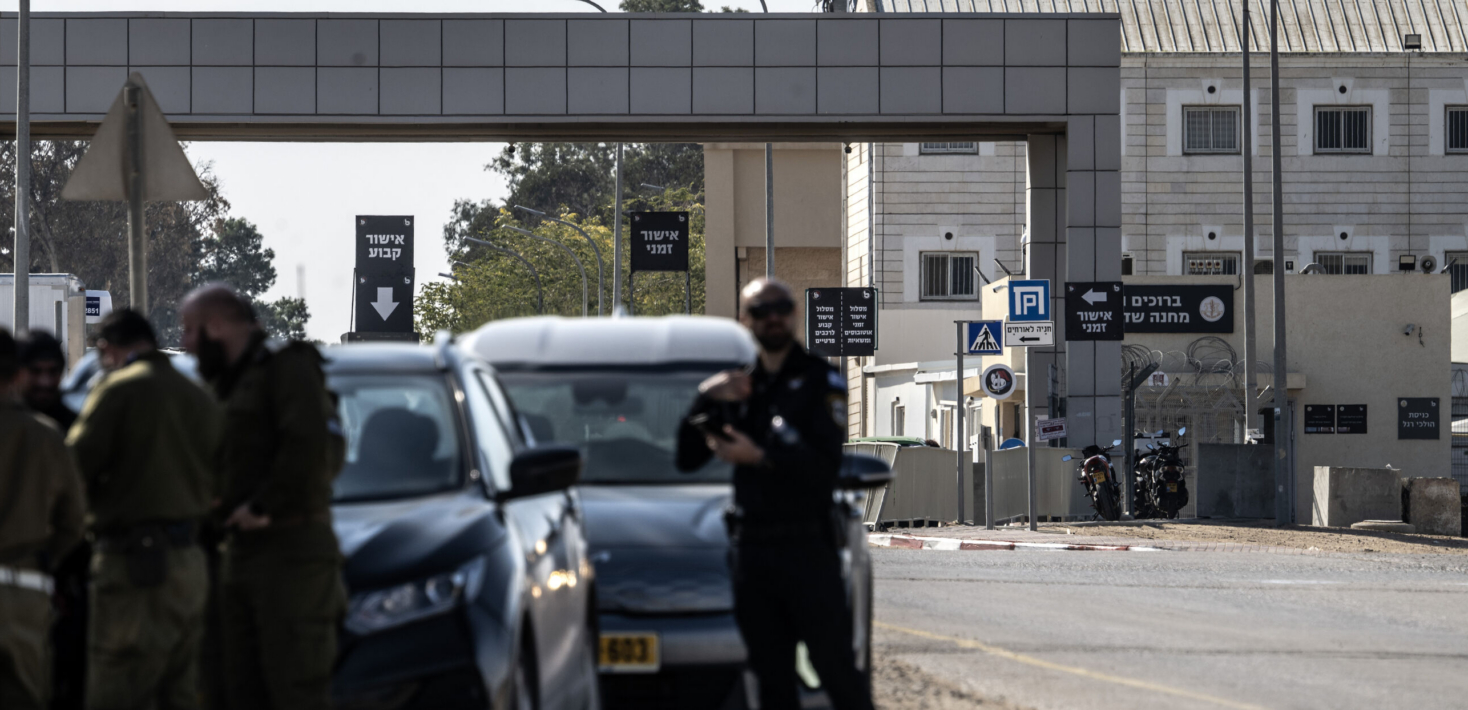
Impunity in Uniform/Israel’s Decision to Drop Charges Against Soldiers at Sde Teiman Is a Disgrace
The decision came at a moment of rising regional tensions and intense international scrutiny of Israel’s conduct in Gaza. That it was welcomed publicly by the prime minister, rather than...


Our Network
Our Channels

© 2026 Al Jazeera Media Network. All rights reserved.