

Article by Mohamed Sulieman Elfaki Al Shazly
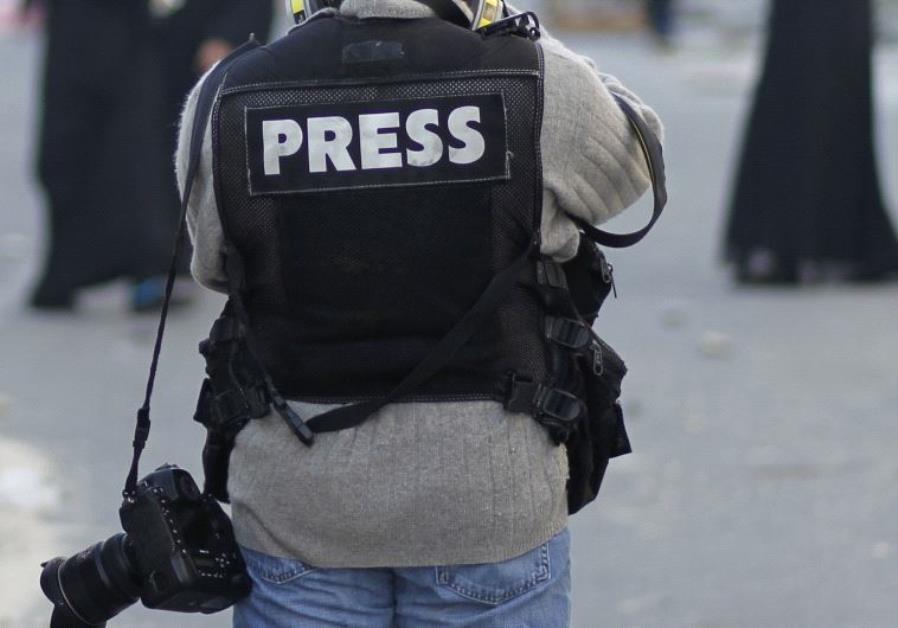
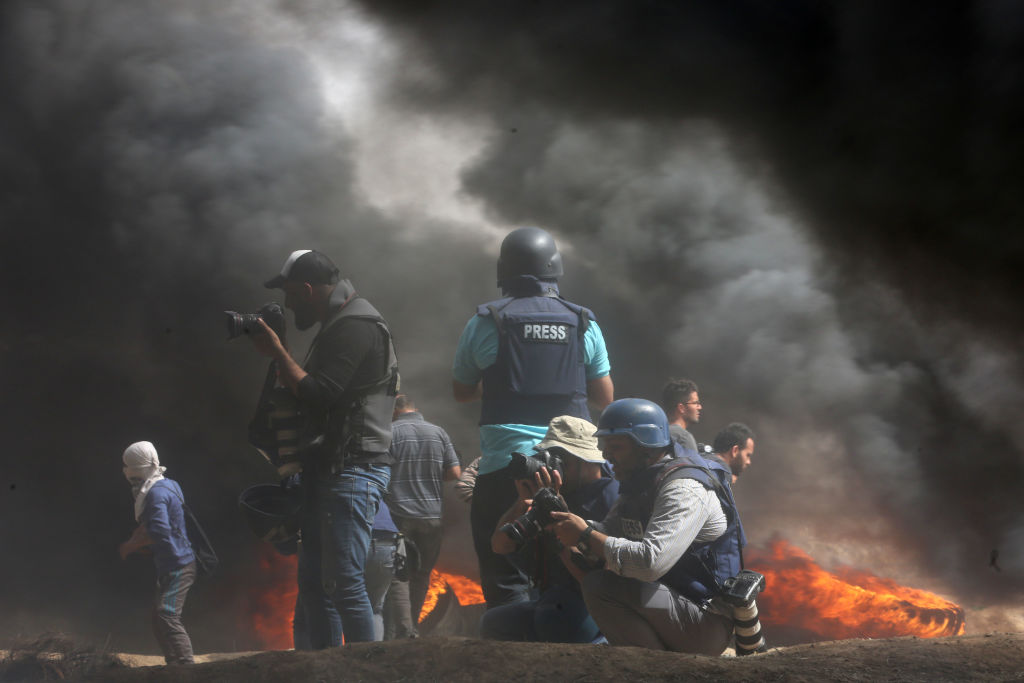
In a world where falsehoods spread faster than facts and the space for independent voices continues to shrink, defending press freedom has become a defining struggle of our time. That recent IPI Congress’s message echoed across a wide-ranging discussion moderated by Kristie Lang of the BBC, where prominent journalists from around the globe exchanged stories of courage, loss, and resistance in the face of mounting hostility.
Natalia Antelava, a Georgian journalist and founder of Coda Story, opened with a stark account of the pressures facing journalists in her country. Political interference, shrinking space for critical reporting, and growing disinformation campaigns have made honest journalism an act of defiance. We are working in an atmosphere, according to her, where truth itself is contested.
From Nepal, veteran editor Kunda Dixit described a similar erosion of freedom. Journalists there, he explained, face intimidation, smear campaigns, and constant surveillance, particularly when covering corruption or public unrest. Many have been forced into exile, where they continue reporting under difficult conditions. Dixit also warned that social media, once hailed as a democratizing force, now serves as both a megaphone for truth and a weapon against it.
Adding to the global perspective, Gustavo Gorriti from Peru detailed the escalating legal and political harassment directed at independent media. In recent years, he said, journalists have become targets of coordinated campaigns of defamation and prosecution, often orchestrated by politicians and security agencies. The aim, he noted, is not only to silence the press but to wear it down. Peru’s decline to 130th in the World Press Freedom Index, he added, reflects this growing climate of intimidation. Environmental reporters, he warned, face particular danger as they expose corporate and political interests that threaten fragile ecosystems.
From South Africa, Khadija Patel reflected on the shifting landscape of a young democracy. We once thought our freedoms were secure, she remarked, then she noted, now we understand that democracy is a living thing, it must be tended to every day. Patel lamented that the country’s media environment, once a symbol of post-apartheid openness, has grown more constrained as economic and political pressures mount.
Across the Atlantic, Martin Baron, the former executive editor of The Washington Post, brought a U.S. perspective shaped by turbulent years under Donald Trump. Baron examined how populist politics and attacks on the press have undermined public trust in democratic institutions. He argued that the rise of polarisation has created fertile ground for disinformation, weakening the social contract between media and society.
The discussion also turned toward new technological threats. Artificial intelligence, participants noted, promises both innovation and peril. It can enhance journalism but also manipulate narratives, blurring the line between fact and fabrication. “If machines can replicate reality,” one speaker asked, “how will we tell what’s real at all?”
As the session drew to a close, the conversation turned to what keeps journalism alive: resilience, adaptability, and the stubborn belief that truth still matters. Local news, often underfunded and overlooked, was hailed as the heartbeat of democracy, capable of holding power to account even in the smallest corners of society.
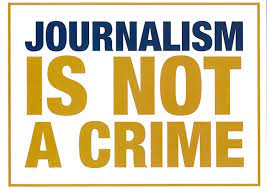
Baron, who guided The Washington Post through a digital transformation and helped it win multiple Pulitzer Prizes, spoke about some urgent issues. The speakers and attendees concluded with a simple but enduring message: Journalism is not a crime …
In an age defined by distortion and distrust, the journalists’ mission has never been more urgent, or more dangerous.
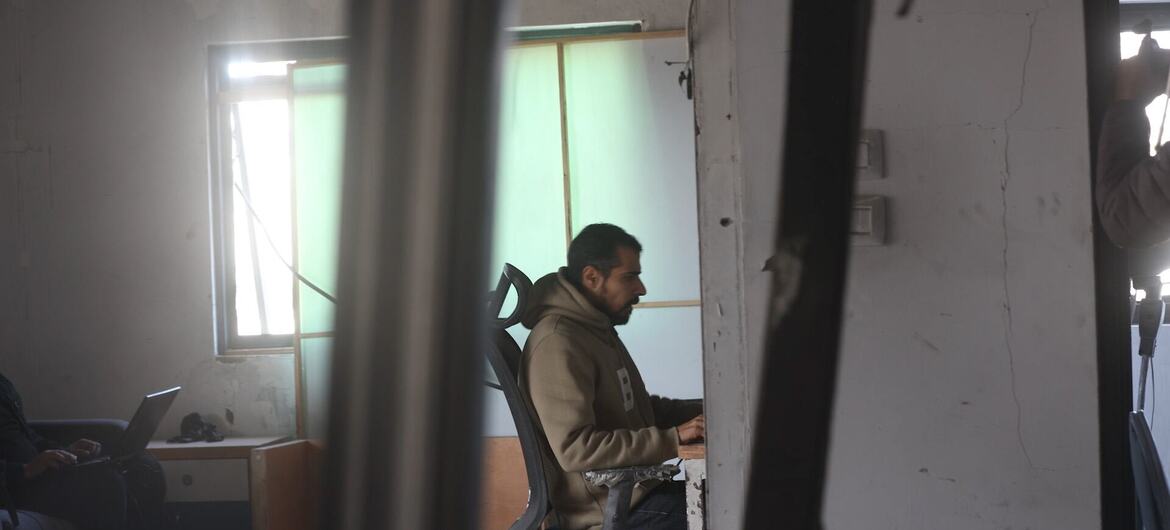
Gaza’s Airwaves, Radio Returns as a Humanitarian Lifeline
Humanitarian and reconstruction policies should prioritise media recovery as part of recovery: rapid supply of transmitters and fuel, training and protection for journalists, and funding for...
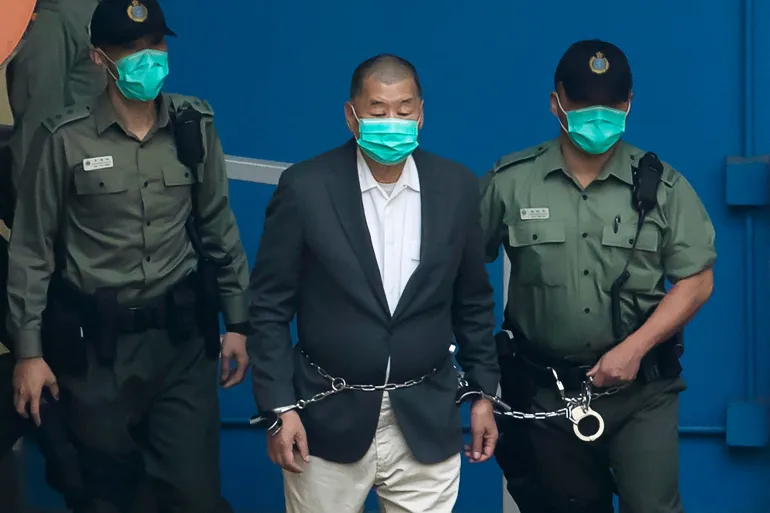
Hong Kong’s Assault on Freedom of Expression
Lai had already faced multiple convictions prior to this lengthy sentence, including charges related to unauthorized assemblies and fraud, resulting in over seven years behind bars. In 2024,...
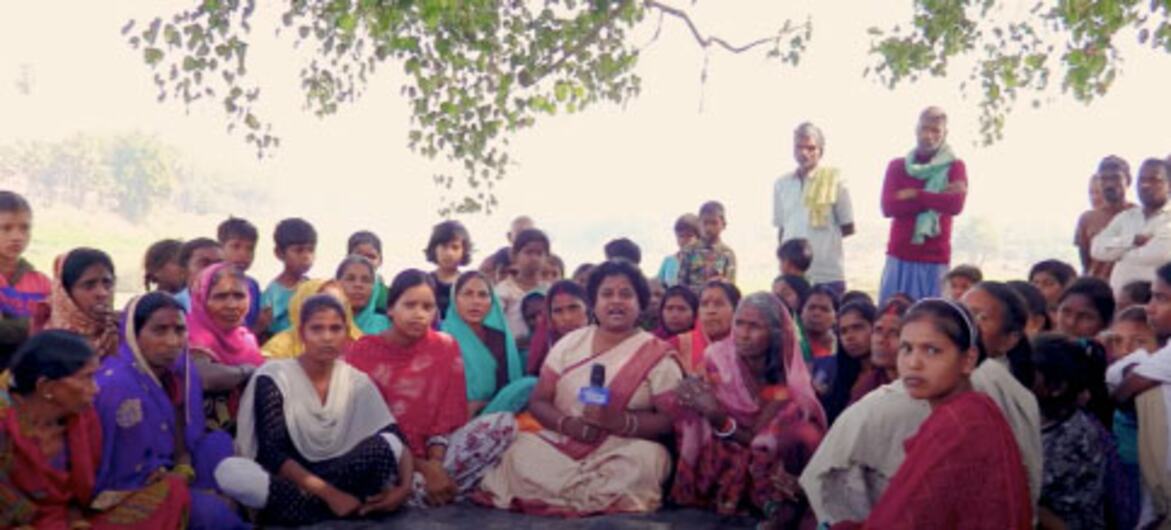
How Rural Indian Women are Redefining Journalism
India’s women reporters are transforming journalism, especially in rural areas. Khabar Lahariya offers a powerful example of grassroots innovation, inspiring broader reflection on whose voices...

- Events
- Gaza’s Tragic Present and Uncertain Future
- Human Rights, Values, and Culture.
- Humanitarian Crisis
- Press Freedom
Al Jazeera Forum: Navigating the Complexities of Human Rights, Accountability & International Law
Discussions included the role of the ICC prosecutor and the importance of consistent enforcement to avoid perceptions of selective justice. Despite challenges, international law was recognized...
- Most Viewed
- Most Popular



Our Network
Our Channels

© 2026 Al Jazeera Media Network. All rights reserved.