

Israel No Longer Respects Its Own Boundaries
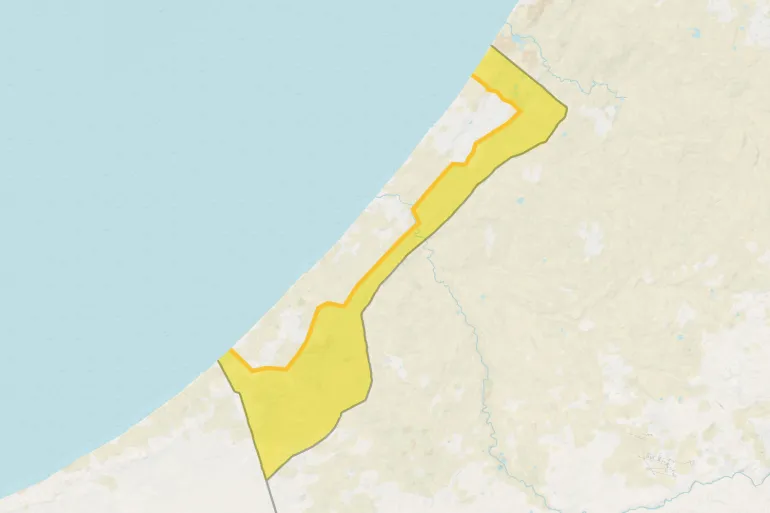
Map by Al Jazeera.
On Tuesday, Israeli aircraft once again hit districts lying inside the so-called “yellow line” near Khan Younis, a zone theoretically under steady Israeli oversight. The phrase itself, “yellow line,” has begun to feel like an administrative relic in a place where boundaries rarely survive for long.
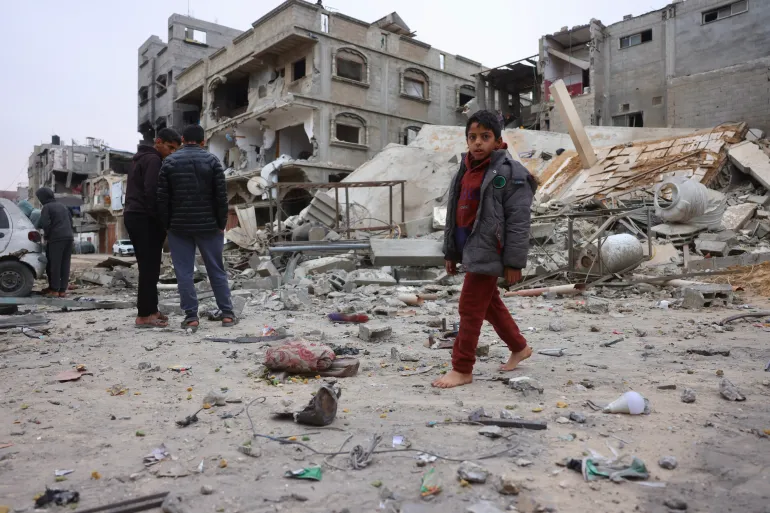
Farther north, in the outskirts east of Gaza City, Israeli troops picked their way through buildings scheduled for demolition. Officials say these structures harbour tunnel entrances, firing points, or the ghost of them; the logic shifts with each passing week. What does not shift is the impact on families who watch their neighbourhoods return to dust after months of displacement.
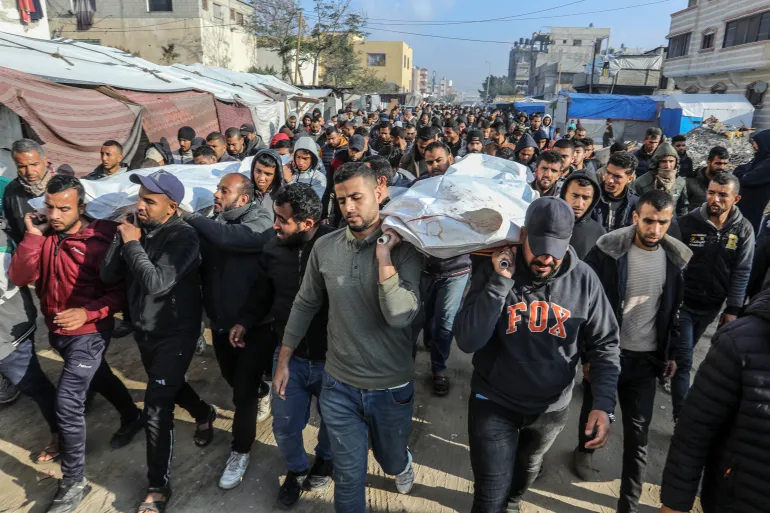
In the middle of the strip, near the Bureij camp, a Palestinian man was shot and killed. His death will vanish into the long ledger of wartime entries, most of which never make it to the headlines. Yet these small incidents, less dramatic than the early battles, more frequent than ceasefire proposals are shaping the rhythm of Gaza’s present. It is a slow, grinding violence, the kind that rearranges daily life long before it becomes part of any grand strategy.
Israel argues that its operations are necessary to prevent Hamas from regrouping. Critics see something bleaker: a conflict that has settled into a permanent state of attrition, where tactical gains matter less than the political vacuum they deepen. The territory may one day be rebuilt, but the erosion of ordinary life, the uncertainty, the sense of shrinking options will be far harder to repair.
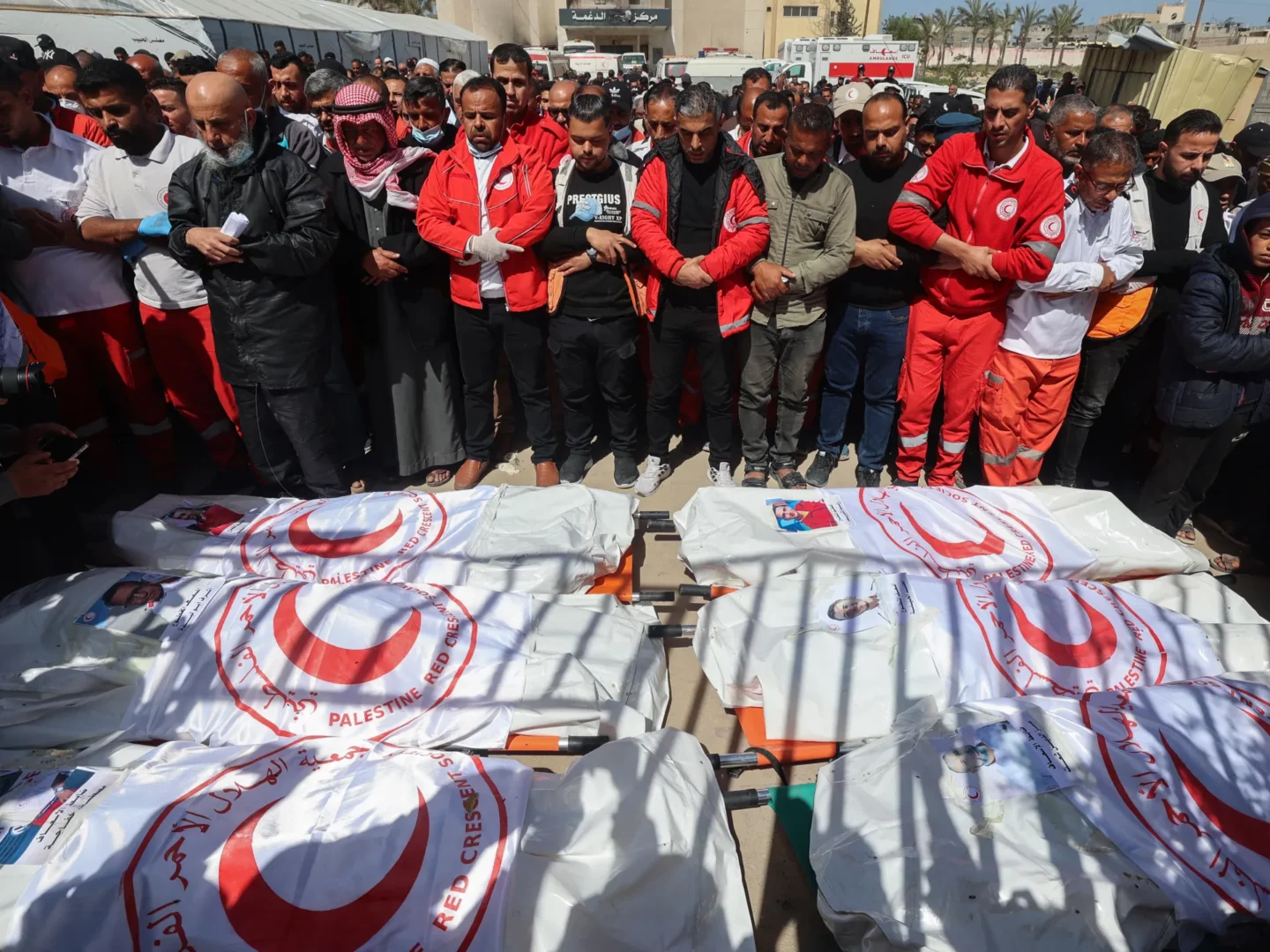
The US/Israel/Iran War & The Humanitarian Crisis in Gaza
Chef José Andrés, the founder of World Central Kitchen, emphasized the urgent need for daily food deliveries to ensure that vulnerable families, who are caught in the crossfire but are not...
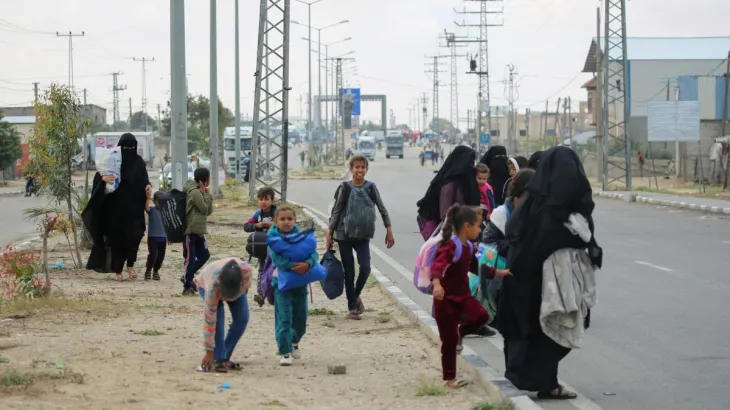
Humanitarian Crisis at the Rafah Crossing
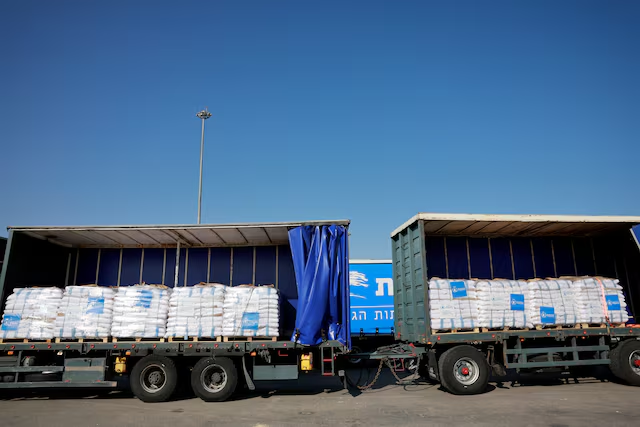
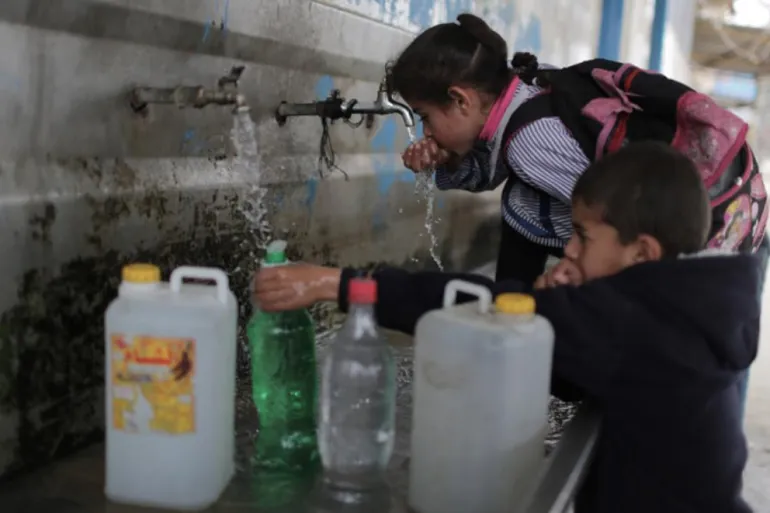
The consequences of this blockade are severe: soaring levels of hunger, increased medical emergencies, and an atmosphere rife with fear. Aid trucks remain stalled at the crossing, unable to...
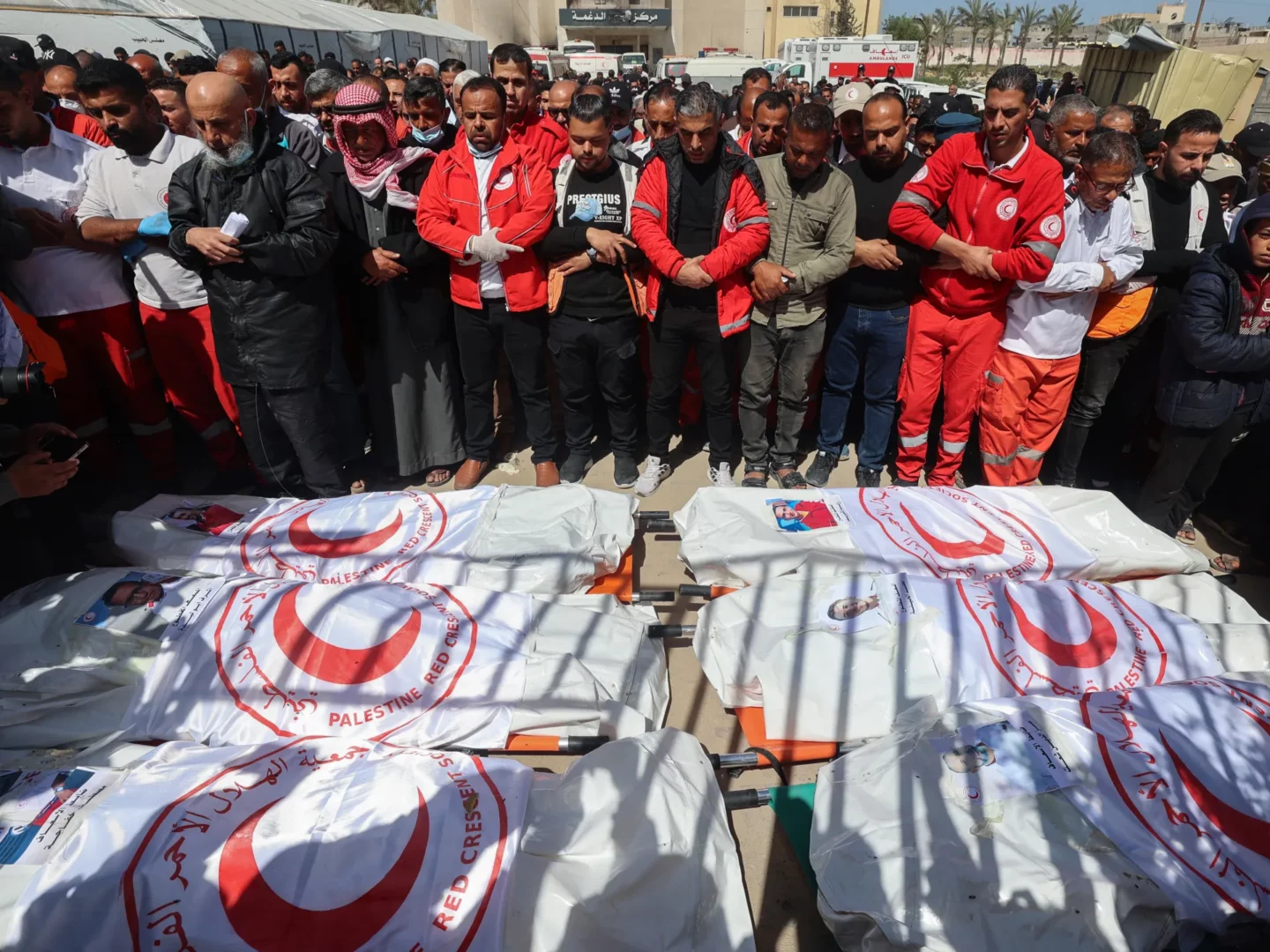
Ambush on Aid, Forensic Audio Links Bullets to Red Crescent Deaths in Tal al‑Sultan
The findings amplify allegations that humanitarian workers, who are protected under international law, were deliberately targeted.



Our Network
Our Channels

© 2026 Al Jazeera Media Network. All rights reserved.