

Israel, Media, and the Curtailment of Press Freedoms
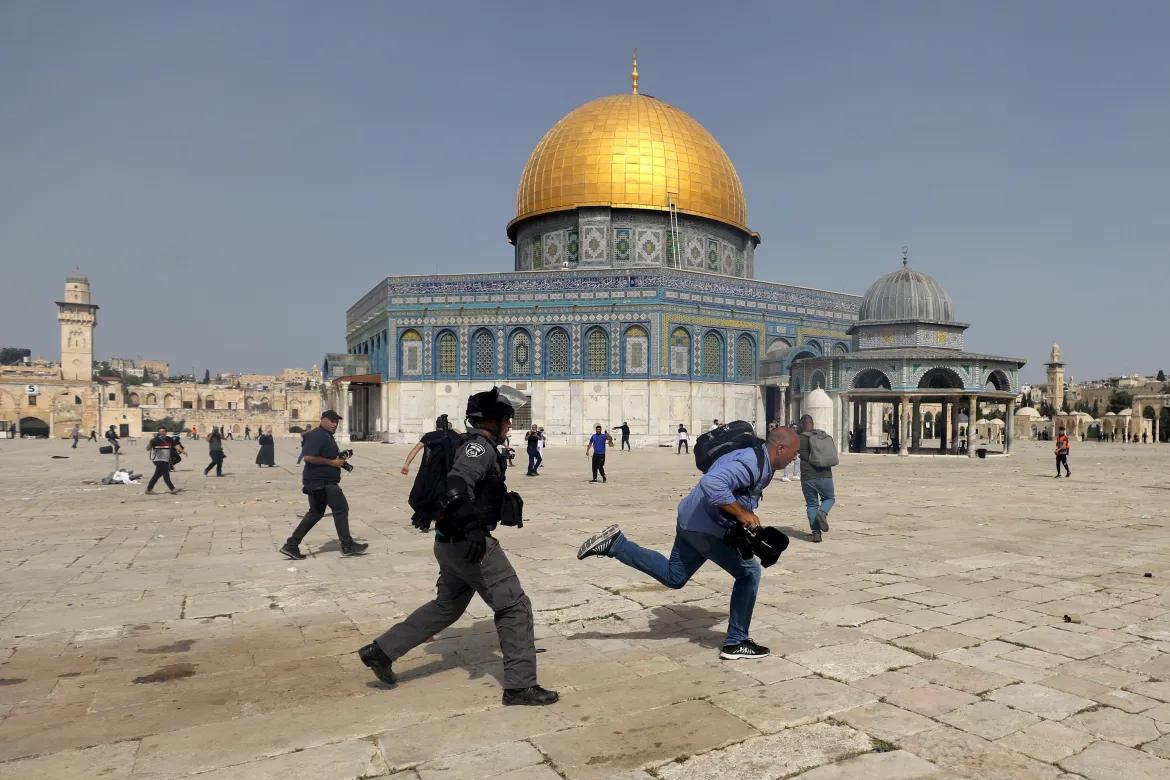
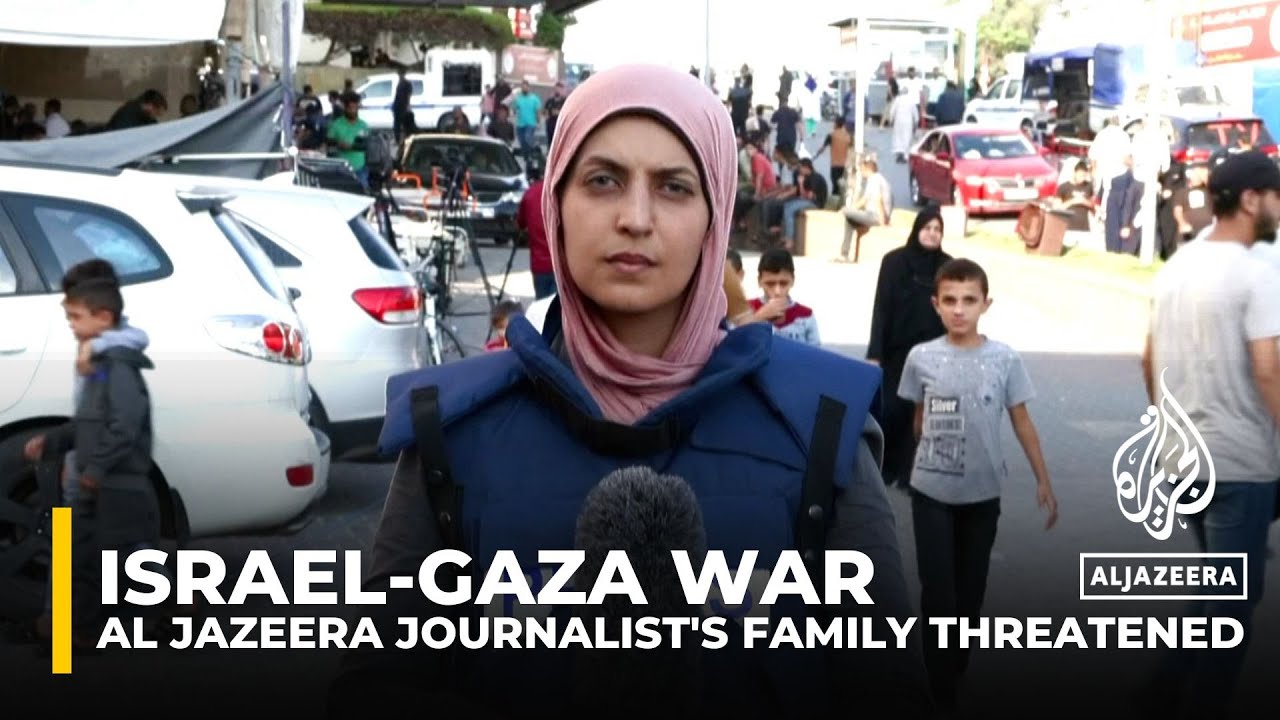
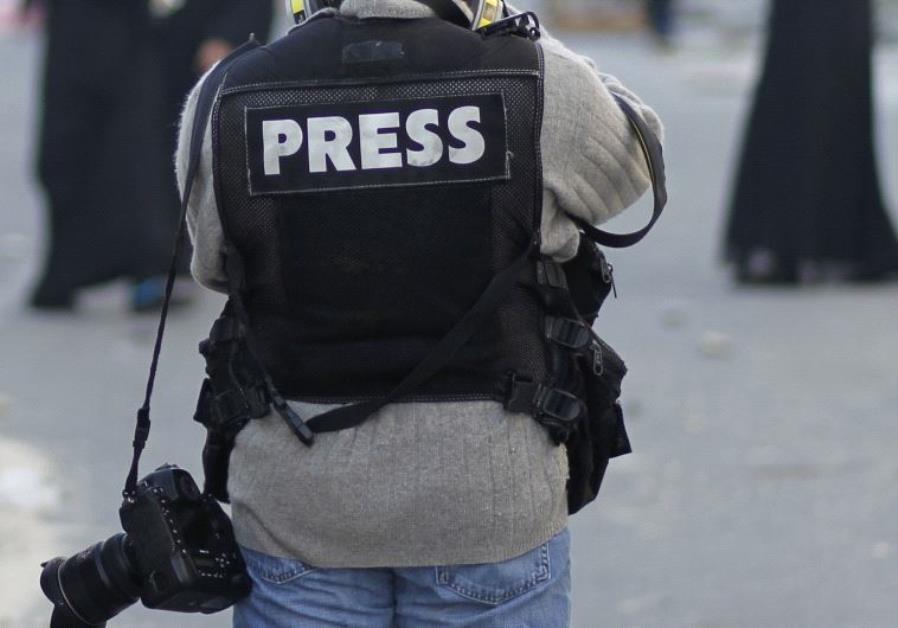
Israel’s parliament looks poised to extend measures curtailing foreign media operations into the West Bank, by approving a law that permits shuttering outlets on “national security grounds.” The government has already ordered a further 90‑day extension of a ban on Al Jazeera’s operations on January 25, continuing a clampdown that began with a Knesset law in May 2024, and a two‑year extension enacted on December 23, 2025. If implemented in the West Bank, the law would formalise restrictions on broadcasting and service provision to targeted outlets.
The move is framed domestically as a security necessity, but it raises acute human, rights questions about freedom of expression and the public’s right to information in a territory where closure of media channels risks further isolating populations already subject to restrictions. International human-rights law permits certain limitations on expression for legitimate security reasons, but such measures must be necessary, proportionate and the least intrusive means available. Blanket or extended bans, particularly when applied extra-territorially, invite accusations of political censorship.
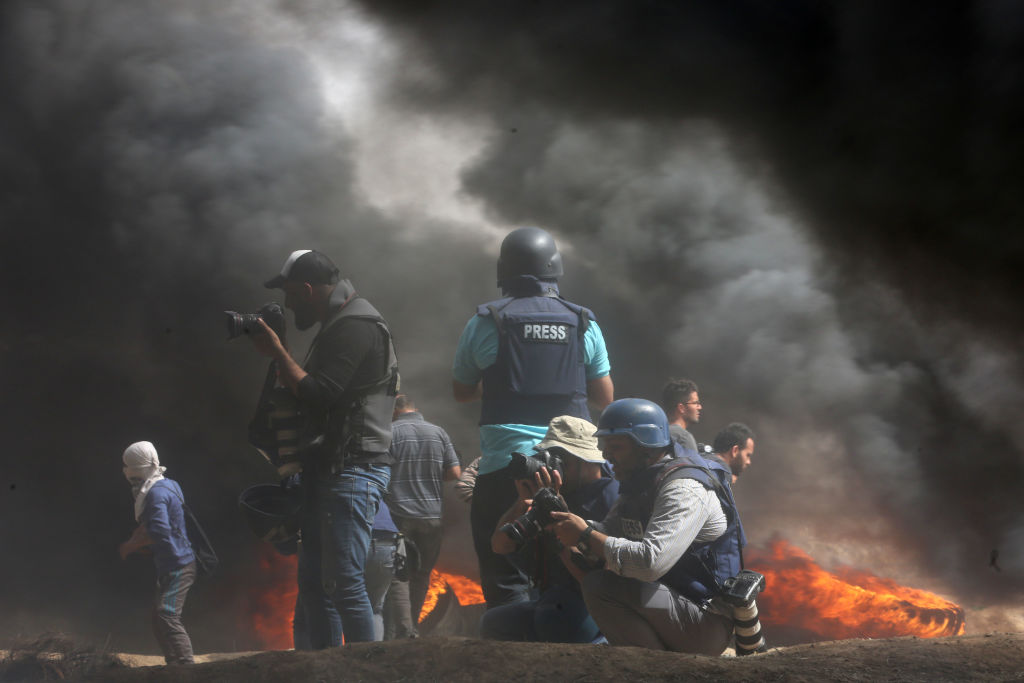
The diplomatic fallout may be significant. Media freedom is a bellwether for broader democratic health, and restrictions on foreign outlets could sharpen international criticism while complicating Israel’s relations with states and organisations that view press pluralism as essential. For Palestinians in the West Bank, reduced media presence may mean diminished visibility for rights abuses and reduced scrutiny of authorities on both sides. A security-centric legal architecture that sidelines independent journalism risks producing a quieter but more entrenched infringement of civil liberties, with consequences for accountability and peace prospects alike.
Gaza’s Airwaves, Radio Returns as a Humanitarian Lifeline
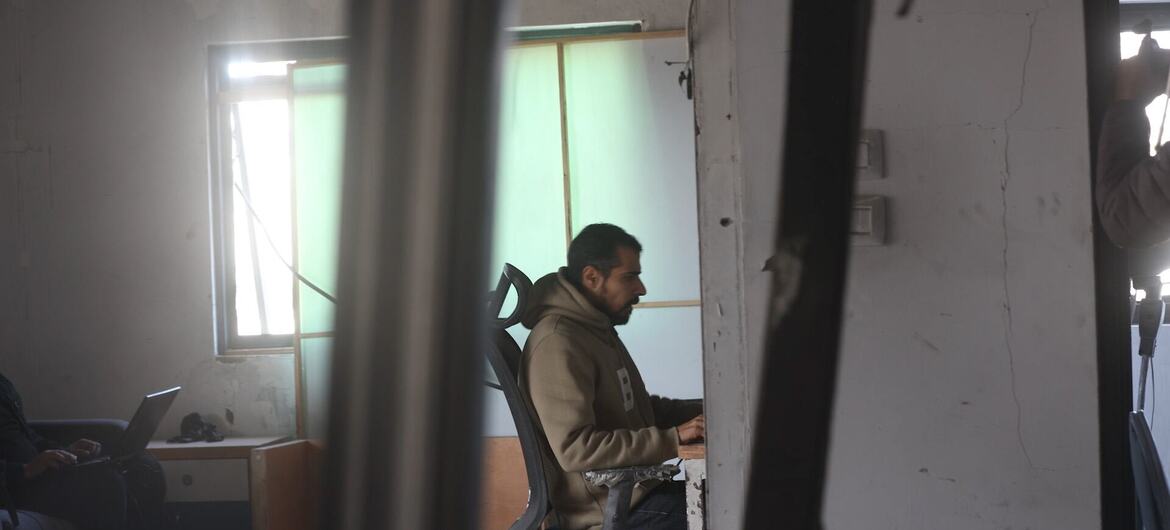
Humanitarian and reconstruction policies should prioritise media recovery as part of recovery: rapid supply of transmitters and fuel, training and protection for journalists, and funding for...
Hong Kong’s Assault on Freedom of Expression
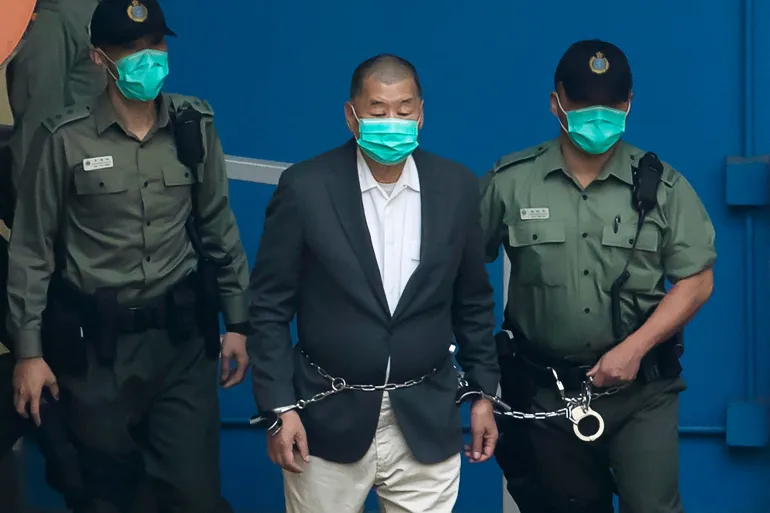
Lai had already faced multiple convictions prior to this lengthy sentence, including charges related to unauthorized assemblies and fraud, resulting in over seven years behind bars. In 2024,...
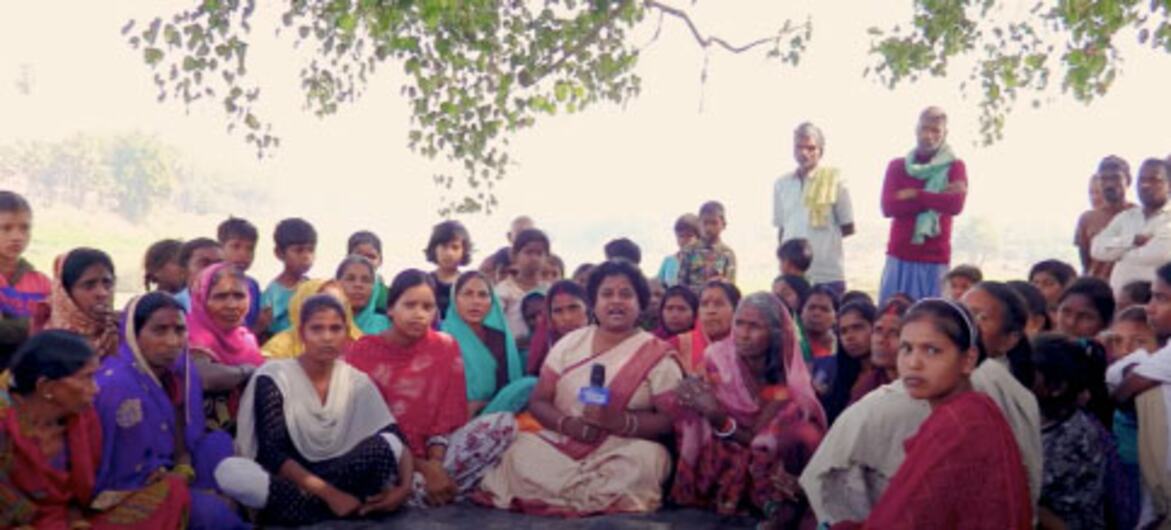
How Rural Indian Women are Redefining Journalism
India’s women reporters are transforming journalism, especially in rural areas. Khabar Lahariya offers a powerful example of grassroots innovation, inspiring broader reflection on whose voices...

- Events
- Gaza’s Tragic Present and Uncertain Future
- Human Rights, Values, and Culture.
- Humanitarian Crisis
- Press Freedom
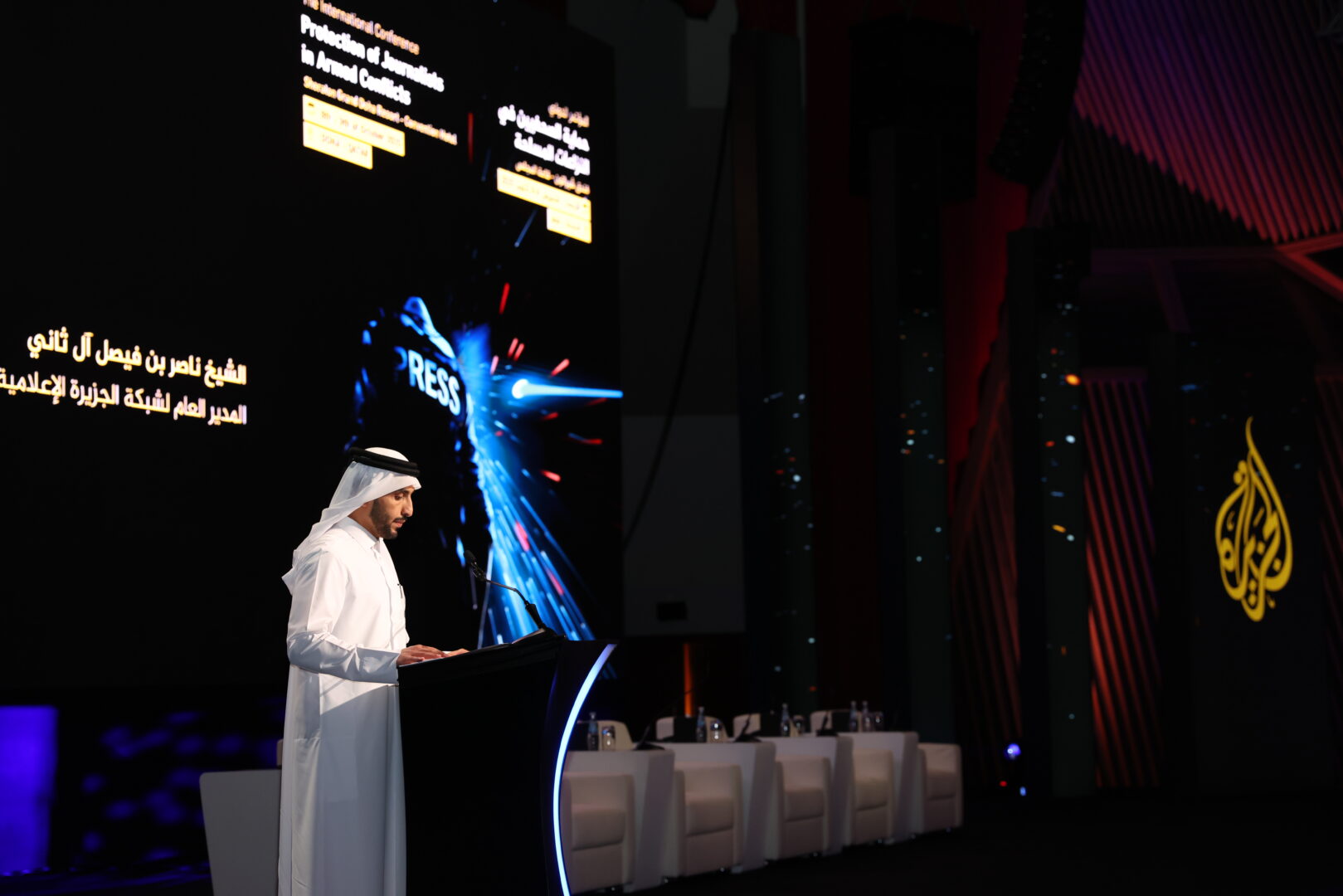
Al Jazeera Forum: Navigating the Complexities of Human Rights, Accountability & International Law
Discussions included the role of the ICC prosecutor and the importance of consistent enforcement to avoid perceptions of selective justice. Despite challenges, international law was recognized...
- Most Viewed
- Most Popular

Our Network
Our Channels

© 2026 Al Jazeera Media Network. All rights reserved.