

By Mohamed Sulieman Elfaki Al Shazly
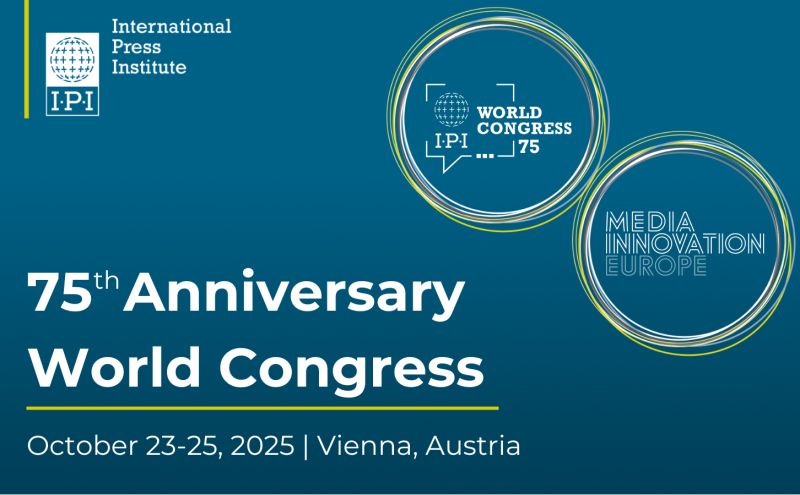
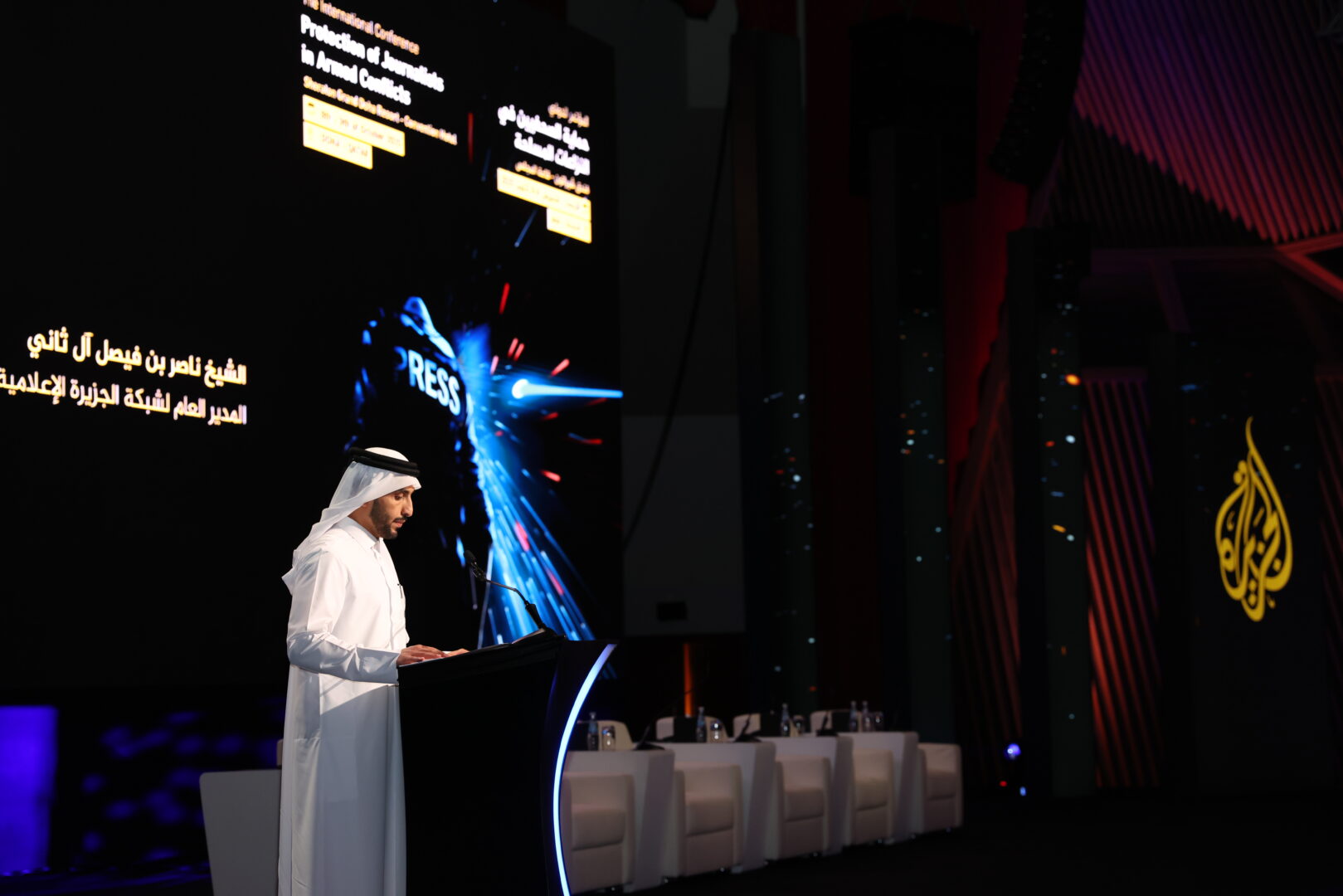
The 2025 International Press Institute (IPI) World Congress opened with a day marked by reflection, resolve, and a renewed commitment to protecting journalism in an era of growing hostility toward truth-telling. Held under the theme “Defending the Future of Free Media”, the event also marked the 75th anniversary of the IPI. This milestone prompted both celebration and sober consideration of the challenges facing journalists worldwide.
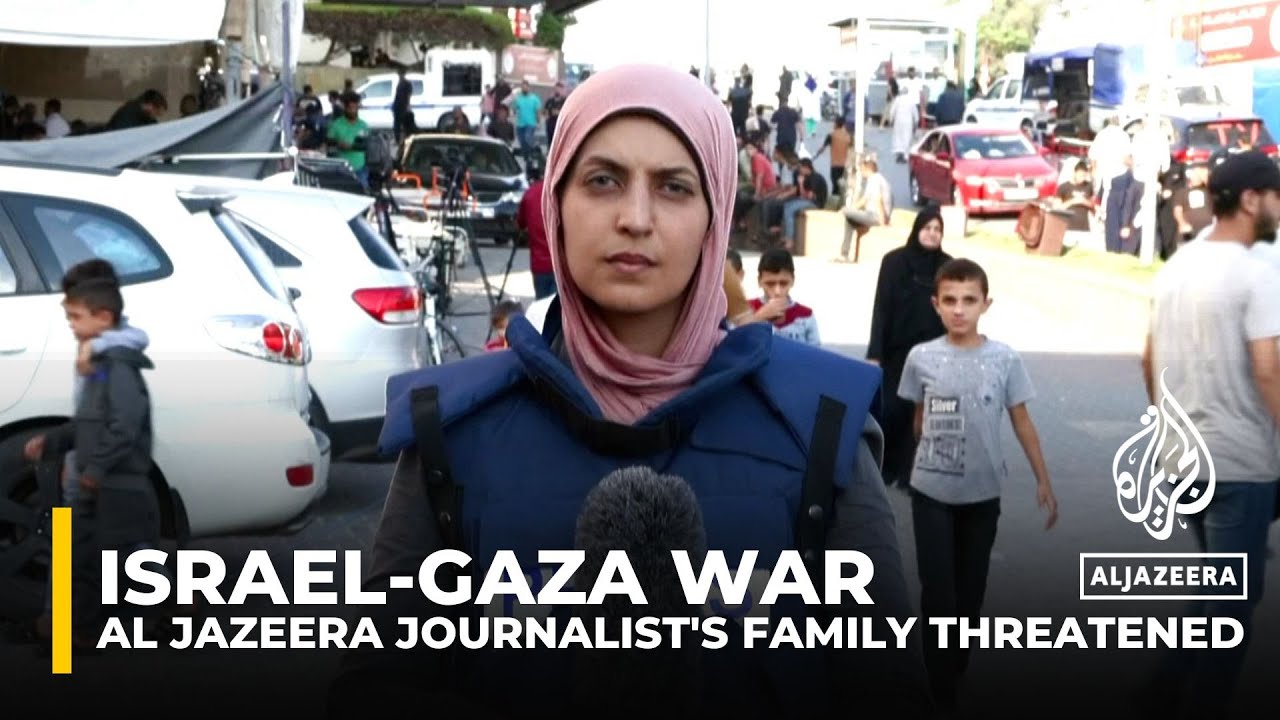
The early discussion underscored the longstanding partnership between the IPI and AJMN and identified opportunities for deeper collaboration. Drawing on the painful experience of Al Jazeera correspondent Wael Al-Dahdouh, participants highlighted the urgent need to support journalists operating in conflict zones and hostile environments.
Key priorities included strengthening institutional ties, establishing frameworks to protect journalists, and benefiting from the IPI’s extensive archives, particularly on the Middle East, nuclear proliferation, and environmental issues. The discussion also emphasized the importance of developing realistic strategies to address modern media challenges, safeguard the future of independent journalism, and foster solidarity within the profession.
The evening’s opening address was delivered by Scott Griffen, IPI’s Executive Director, who outlined the Institute’s vision for defending press freedom amid rising threats to independent reporting. A short documentary followed, tracing the IPI’s journey from its founding in 1950 to the present day.
Panels explored issues such as state manipulation of facts, community support for journalism, and the growing influence of algorithms on how the public perceives the real world.
A significant portion of the discussions addressed the safety of journalists, with particular attention to the specific risks faced by women journalists. Former UN Secretary-General Ban Ki-moon, in a recorded message, emphasized that protecting journalists is vital for building open and prosperous societies.
Márton Gergely, editor-in-chief of Hungary’s HVG, stressed the importance of international cooperation and information sharing, calling solidarity our most effective safeguard.
Nobel laureate Joseph Stiglitz engaged in a wide-ranging conversation with Paula Miraglia, founder and CEO of Momentum / Journalism & Tech Task Force, addressing the connection between information access and democratic health. Stiglitz criticized restrictions on academic freedom and highlighted cases in the United States where foreign students faced deportation or visa cancellations, describing the climate of fear created by current policies. This administration, he said, is attempting to control the right to speak! Human right to freedom of expression.
Stiglitz also warned of pressures on the media and spoke of climate change, stressing that innovation thrives under sound regulation rather than repression. He cautioned that any attempt to curb inquiry risks fueling misinformation.
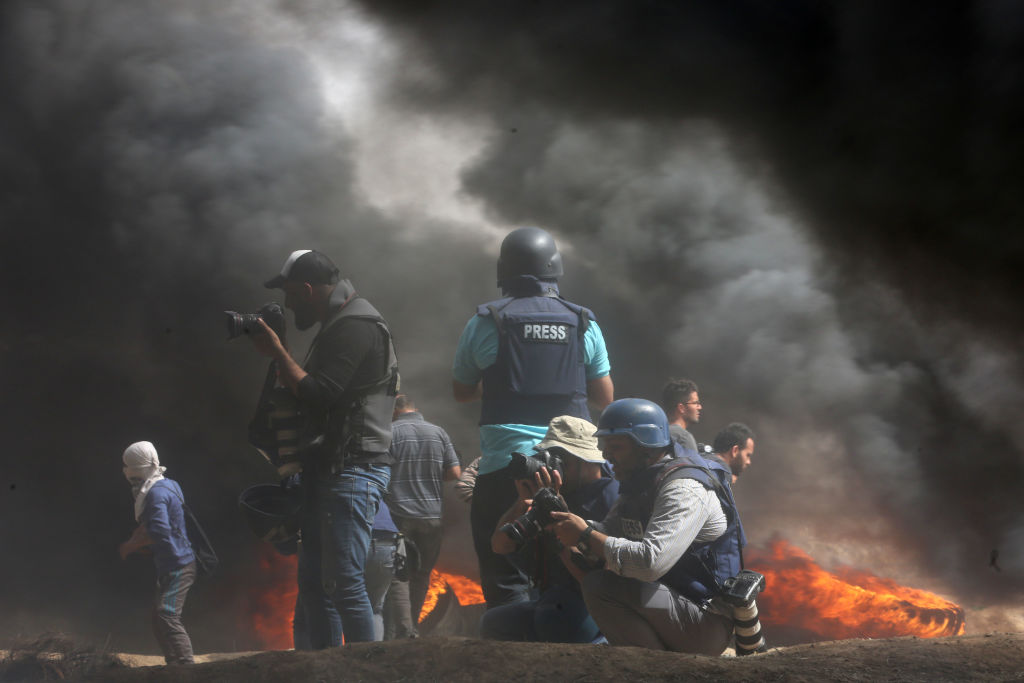
Other discussions examined the North-South divide in sustainable development, the impact of tariff wars on media industries, and technology export restrictions. The plight of journalists in Gaza was highlighted through an Al Jazeera-produced short footage, emphasizing the need for resilience, adaptability, and resistance to censorship.
The debate also touched on how concentrated media ownership shapes dominant narratives and the risks authoritarian pressures pose to free expression and innovation. While cautious optimism was expressed about the resilience of press freedom, concerns lingered about shrinking academic and media liberties, particularly in the United States.
The opening day concluded with a clear message: free media is essential for a free world. The Congress offered Al Jazeera a rare opportunity to engage directly with leading journalists, editors, and media advocates from around the globe, renewing a shared commitment to the public mission of journalism.
In an era of disinformation, polarization, and rising authoritarianism, the IPI gathering underscored that defending the future of free media is not just a professional obligation; it is a democratic imperative.
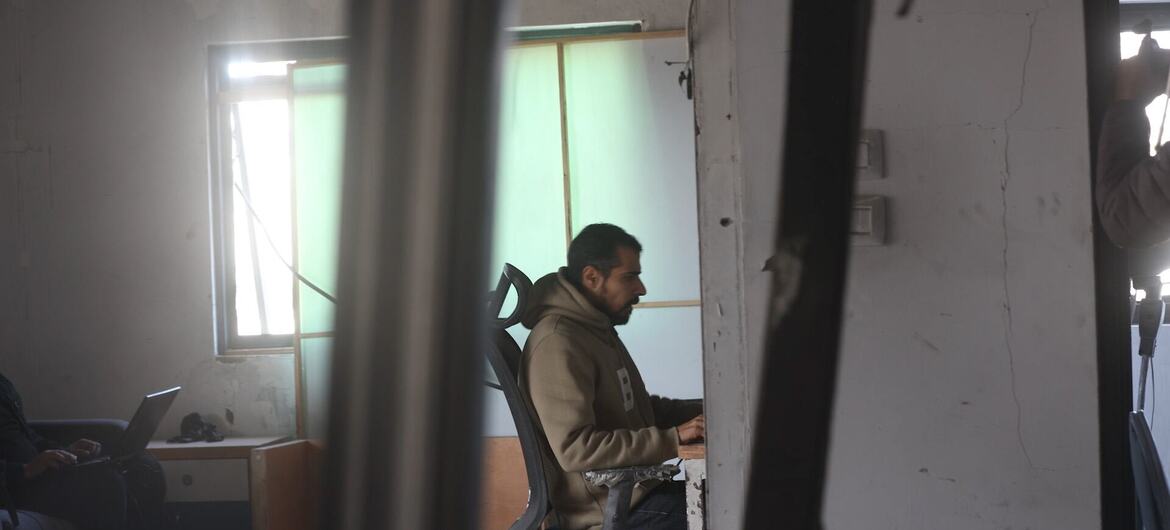
Gaza’s Airwaves, Radio Returns as a Humanitarian Lifeline
Humanitarian and reconstruction policies should prioritise media recovery as part of recovery: rapid supply of transmitters and fuel, training and protection for journalists, and funding for...
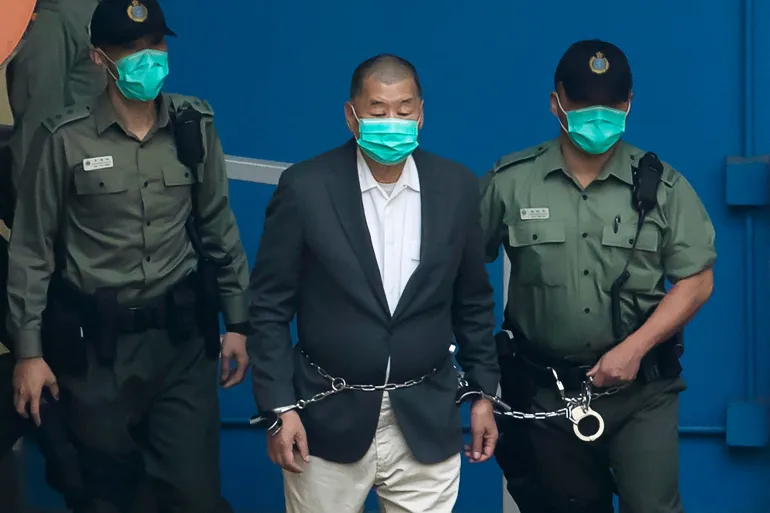
Hong Kong’s Assault on Freedom of Expression
Lai had already faced multiple convictions prior to this lengthy sentence, including charges related to unauthorized assemblies and fraud, resulting in over seven years behind bars. In 2024,...
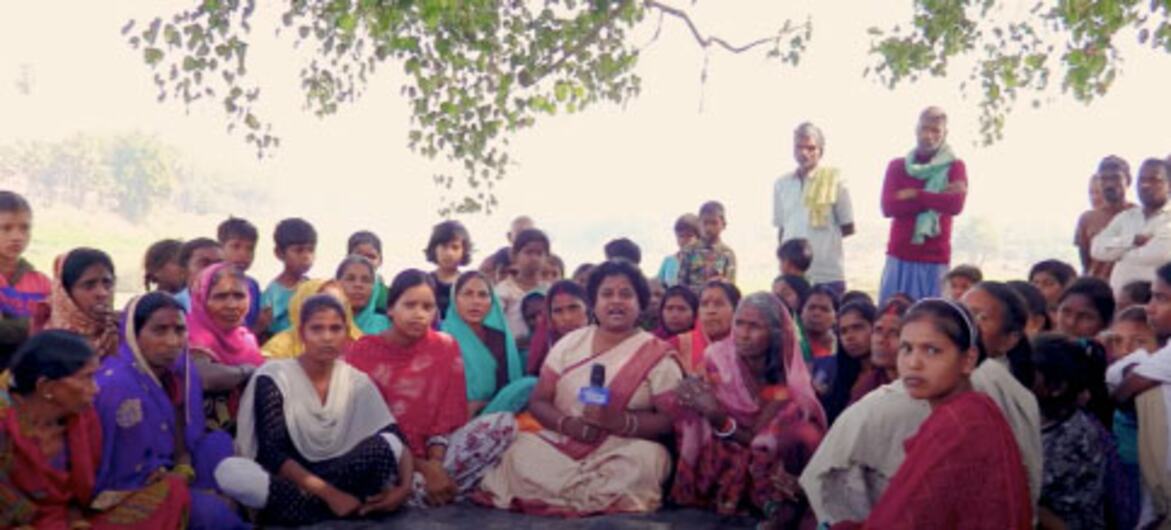
How Rural Indian Women are Redefining Journalism
India’s women reporters are transforming journalism, especially in rural areas. Khabar Lahariya offers a powerful example of grassroots innovation, inspiring broader reflection on whose voices...
- Events
- Gaza’s Tragic Present and Uncertain Future
- Human Rights, Values, and Culture.
- Humanitarian Crisis
- Press Freedom
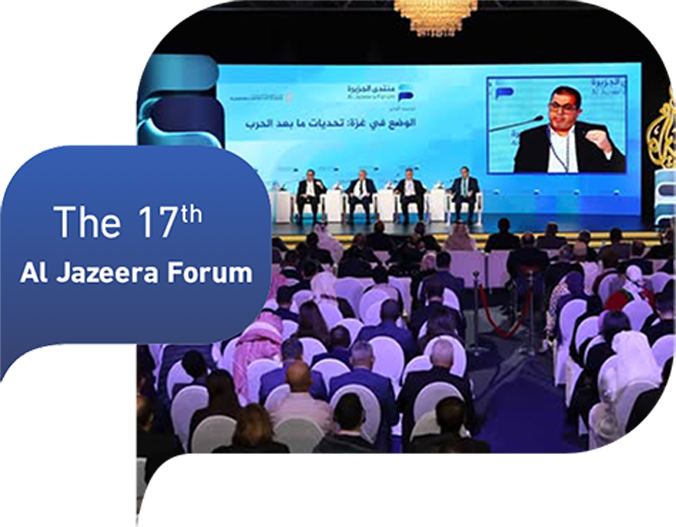
Al Jazeera Forum: Navigating the Complexities of Human Rights, Accountability & International Law
Discussions included the role of the ICC prosecutor and the importance of consistent enforcement to avoid perceptions of selective justice. Despite challenges, international law was recognized...
- Most Viewed
- Most Popular

Our Network
Our Channels

© 2026 Al Jazeera Media Network. All rights reserved.