

Impunity in Uniform/Israel’s Decision to Drop Charges Against Soldiers at Sde Teiman Is a Disgrace
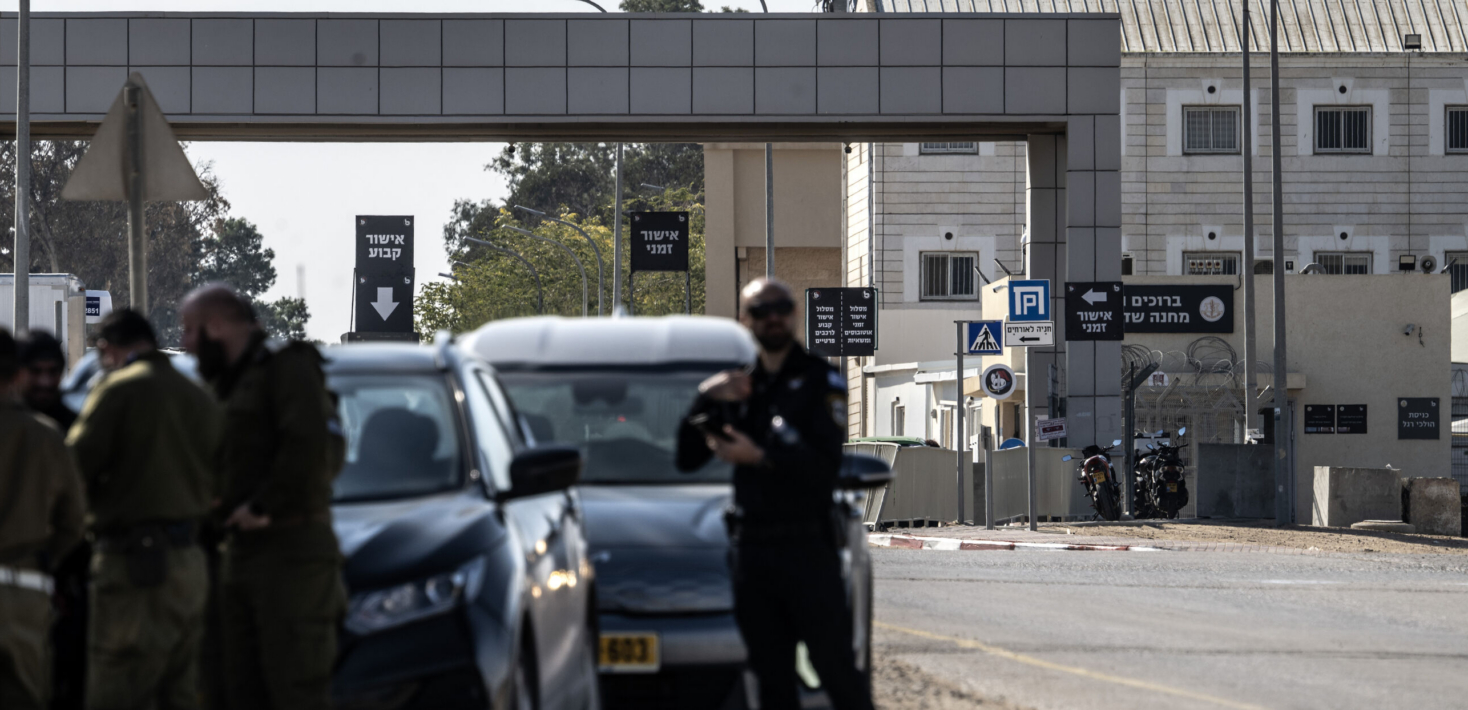
Archive/Amnesty.
Israel’s Military Advocate General has dropped charges against five Israeli soldiers accused of abusing and sexually assaulting a Palestinian detainee at Sde Teiman military detention facility. The decision, and Prime Minister Benjamin Netanyahu’s welcoming of it, represents what Amnesty International has called an ‘unconscionable chapter’ in a legal system with a long-standing pattern of granting impunity to those who commit grave crimes against Palestinians.
Sde Teiman has become one of the most emblematic and troubling symbols of Israel’s detention practices since October 2023. Amnesty International has documented that Palestinians held there have been kept incommunicado and subjected to torture and other forms of ill-treatment. The International Committee of the Red Cross has been blocked from conducting independent monitoring visits to Palestinian detainees, a restriction that itself violates international humanitarian law and Geneva Convention obligations.
The scale of documented abuse makes the impunity more striking. Despite overwhelming evidence of widespread torture, abuse, and sexual violence against Palestinians in Israeli detention centres since October 2023, only one Israeli soldier has been sentenced for torturing a Palestinian detainee. At least 98 Palestinians are known to have died in Israeli custody since October 2023, according to available records, and Israeli authorities have not conducted any independent, transparent, or impartial investigation into any of those deaths.
According to the Israeli NGO HaMoked, there are currently 9,446 Palestinians held in Israeli prisons. Erika Guevara Rosas, Amnesty International’s Senior Director for Research, Advocacy and Policy, has called the dropping of charges against the Sde Teiman soldiers a direct illustration of the Israeli system’s ‘unwillingness or inability’ to prosecute crimes under international law. She has stressed that this failure makes the role of international justice mechanisms not supplementary but essential.
The decision came at a moment of rising regional tensions and intense international scrutiny of Israel’s conduct in Gaza. That it was welcomed publicly by the prime minister, rather than treated as a matter of judicial independence, speaks to a political culture in which accountability for abuses against Palestinians is treated not as a legal requirement but as a political choice, a choice, in this case, against accountability.
Amnesty International has called on state parties to the Rome Statute to support the International Criminal Court’s ongoing investigation of crimes in Palestine and Israel. The ICC’s jurisdiction, and the legitimacy of international criminal justice more broadly, depends on precisely these situations: where national systems have demonstrated their unwillingness to act. The dropping of these charges is not an isolated judicial decision; it is a data point in a pattern that the international community can no longer credibly pretend does not exist.
(Sources: Amnesty International statement, updated 14 March 2026; HaMoked; ICRC communications)
Duterte at the ICC, A Hague Hearing and the Burden of Domestic Justice
As discussions unfold in The Hague and beyond, the intersection of international and domestic efforts will be pivotal in addressing the legacy of Duterte’s administration and ensuring that...

Children Caught in the Crossfire of Technological Exploitation
The report highlights a trend of reinforced international collaboration and victim-centered strategies, yet it underscores the pressing obstacles that accompany advancements in digital...







Our Network
Our Channels

© 2026 Al Jazeera Media Network. All rights reserved.