

Humanitarian Crisis at the Rafah Crossing
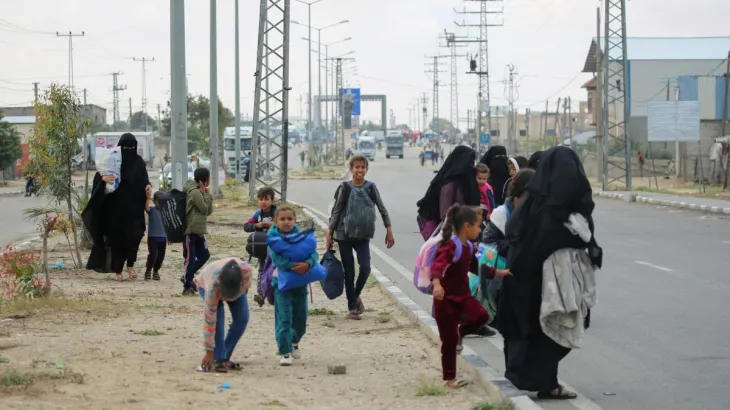
Archive/Al Jazeera.
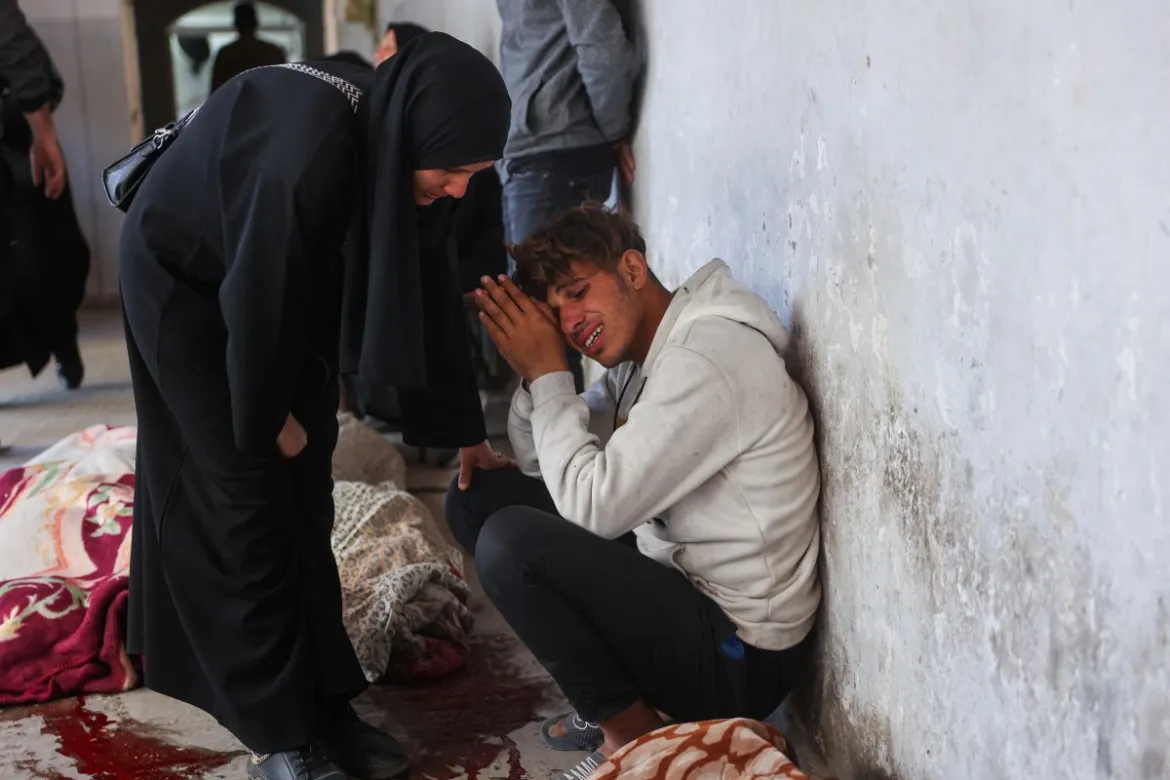
As of February 25, only 1,300 Palestinians have managed to cross through the Rafah border since the beginning of the month. This figure starkly contrasts with the urgent humanitarian needs arising from ongoing conflict, as countless individuals seek refuge from the escalating violence in Gaza. Israeli reports indicate that the daily flow of crossings remains alarmingly low, exacerbating the existing humanitarian crisis.
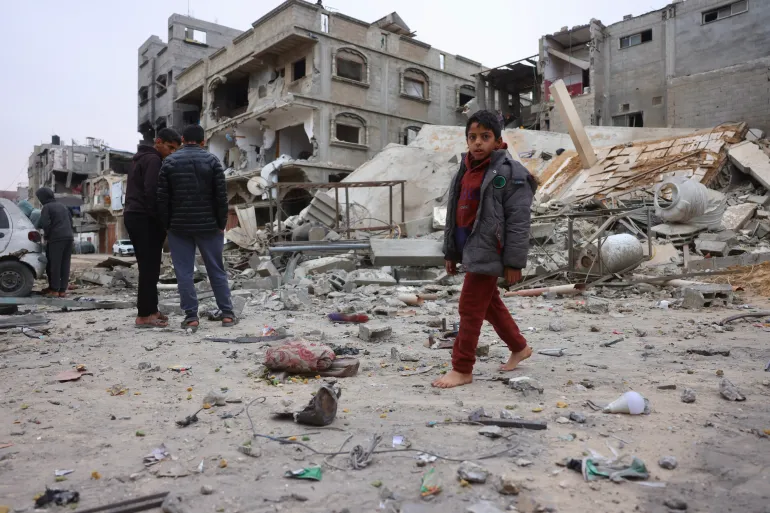
The consequences of this blockade are severe: soaring levels of hunger, increased medical emergencies, and an atmosphere rife with fear. Aid trucks remain stalled at the crossing, unable to deliver vital supplies to those in desperate need. The sick and injured plead for passage, as the urgency of their circumstances grows more desperate by the day.
In war zones, the importance of open pathways cannot be overstated, these routes are often the lifeline that can save lives amidst chaos and destruction. However, the current restrictions contribute to a widening gap in the provision of essential aid.
To alleviate this crisis, immediate and humane measures are imperative to facilitate the flow of aid and the safe passage of those seeking escape from harm. The time for decisive action is now, as the wellbeing of countless individuals hangs in the balance.
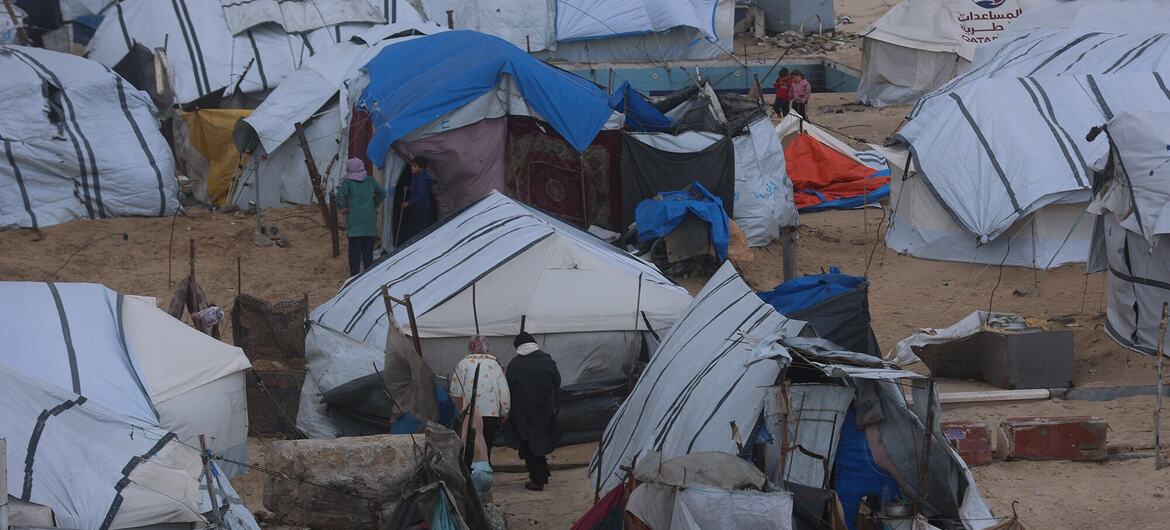
Gaza Shelters, Smouldering Risks and Restricted Aid
Movement of aid remains tightly controlled, with 67 missions between 12 and 19 February, 43 approved and nine denied outright, and several approved missions impeded, delaying fuel, medical...
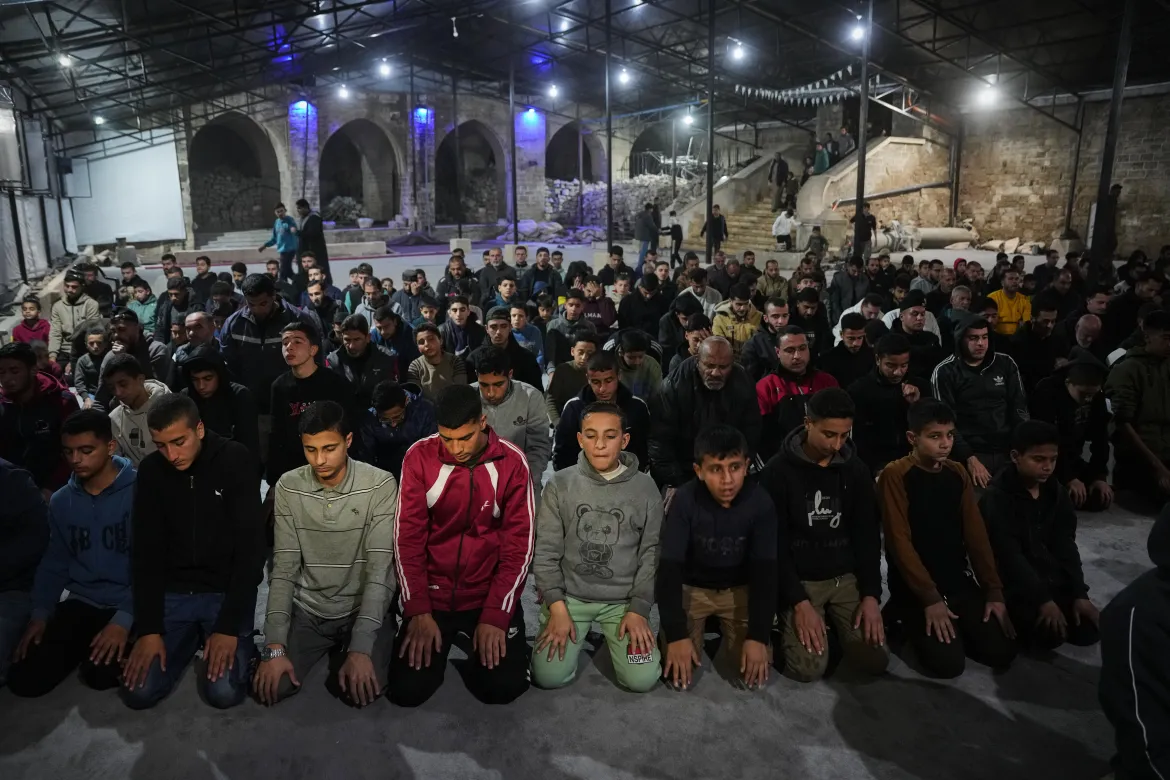
Ramadan under Siege, Medical Evacuations and Persistent Shortfalls in Gaza
Aid pledges and ceasefire provisions envisaged 600 trucks daily, yet actual deliveries remain far below the target, forcing families to rely on soup kitchens and to schedule fasting around aid...






Our Network
Our Channels

© 2026 Al Jazeera Media Network. All rights reserved.