

Human Rights, Sexual Violence, and the Persistence of Impunity/Sri Lanka’s Unfinished Reckoning
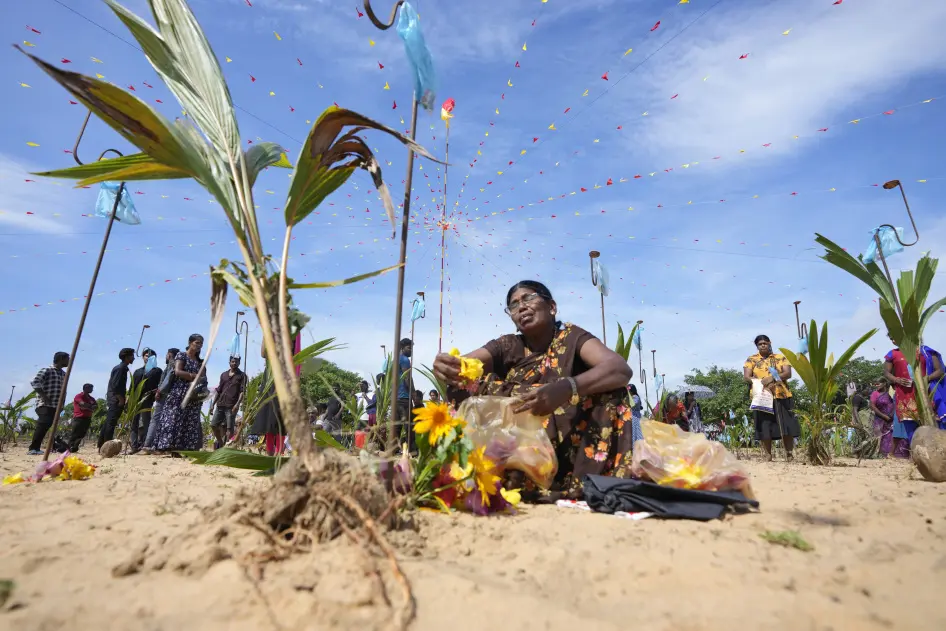
Human Rights Watch/Families mourn victims of Sri Lanka’s 1983-2009 civil war on the beach at Mullivaikal where the final battle took place, May 17, 2024. © 2024 Eranga Jayawardena/AP Photo
On January 13, 2026, a United Nations report concluded that sexual violence during Sri Lanka’s 1983 to 2009 civil war was widespread, systematic, and deliberate. The report found that abuses committed primarily by state security forces may amount to war crimes and crimes against humanity under international law.
The findings were produced under the Sri Lanka Accountability Project, established by the UN Human Rights Council in 2021 to collect and preserve evidence of serious international crimes. Researchers documented sexual violence against both women and men, primarily from Tamil communities, often occurring in state run detention facilities.
The conflict ended on May 18, 2009, after 26 years of fighting between government forces and the Liberation Tigers of Tamil Eelam. While atrocities by both sides are well documented, successive Sri Lankan governments have failed to conduct credible investigations or secure prosecutions for sexual crimes committed during the war.
The report states that sexual violence was institutionally enabled and used strategically to extract information, assert dominance and instil fear. Survivors described long term medical complications, psychological trauma and social stigma. Many reported ongoing surveillance and intimidation by the same security personnel implicated in earlier abuse.
Men were found to be as likely as women to have been victims, though stigma made male survivors harder to identify and interview. Sri Lankan law does not recognise male rape, and sexual violence cases are subject to a 20-year statute of limitations, creating major legal barriers to justice.
In 2018, the government established the Office for Reparations Act, but according to the UN, no concrete steps have been taken to provide interim or full reparations. Caseload data has not been disaggregated by gender, limiting transparency and accountability.
President Anura Kumara Dissanayake, elected in 2024 on a promise to deliver justice, has yet to demonstrate measurable progress. Under international obligations including the Convention on the Elimination of All Forms of Discrimination against Women and the Women, Peace and Security agenda, Sri Lanka is required to investigate and prosecute conflict related sexual violence.
The report notes that international responses have largely stopped at expressions of concern. Targeted sanctions, universal jurisdiction cases and stricter vetting of Sri Lankan military personnel for UN peacekeeping missions remain limited.
Sixteen years after the war’s end, survivors face what the UN describes as no visible path to justice or restoration, underscoring the gap between international norms and domestic accountability
Sources: United Nations Human Rights Council, Sri Lanka Accountability Project report January 2026, Human Rights Watch, Convention on the Elimination of All Forms of Discrimination against Women.
Human Rights & The Middle East’s Grinding Machine
Israeli strikes across Lebanon killed at least 39 people on a single Sunday in late March, according to UN-monitored reports. In Gaza, the UN and its partners have been distributing rations...



Our Network
Our Channels

© 2026 Al Jazeera Media Network. All rights reserved.