

Human Rights and the Laws of War, Questions over a US Boat Strike
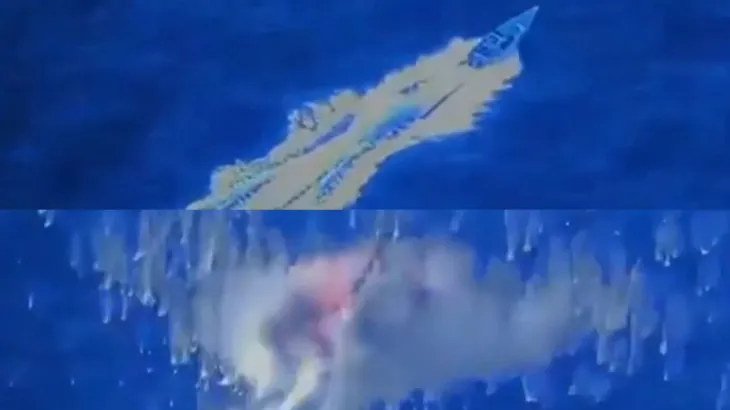
Archive/Al Jazeera.
New reporting on a US strike carried out on September 2, 2025, has raised serious concerns about compliance with international humanitarian and human rights law. According to The New York Times, US forces used an aircraft painted to appear civilian to attack a boat in the Caribbean Sea, killing 11 people. Officials briefed on the operation said the aircraft had no visible military markings and carried weapons concealed within its fuselage.
The September strike was the first in a broader campaign of attacks on boats in the Caribbean and Pacific regions. By early January 2026 at least 35 such strikes had been reported, with a minimum of 123 people killed. Key operational details remain classified.
The US administration has argued that the strikes form part of an armed conflict with criminal groups. Most international law experts reject that claim, noting that organized crime does not meet the threshold for non-international armed conflict. Under international human rights law, Human Rights Watch has characterized the killings as extrajudicial executions.
Even if the administration’s war paradigm were accepted, the reported use of an aircraft disguised as civilian would be highly problematic. International humanitarian law prohibits perfidy, defined as feigning civilian or protected status to induce an adversary to lower their guard before attacking. This prohibition is incorporated into US military doctrine, including the Department of Defense Law of War Manual.
Further concerns arise from reports that US forces conducted follow up strikes on survivors of the initial attack, an act also prohibited under the laws of armed conflict. Since January 2025, the administration has removed or sidelined senior military lawyers and loosened guidance on compliance with humanitarian and human rights law. Public reporting suggests that legal objections raised by Judge Advocate General officers were ignored during the campaign.
The case points to a possible erosion of internal safeguards governing the use of lethal force. Congressional oversight has yet to clarify how these operations were authorized or whether established legal review processes were followed. The September strike appears less an isolated incident than part of a broader pattern of weakened accountability.
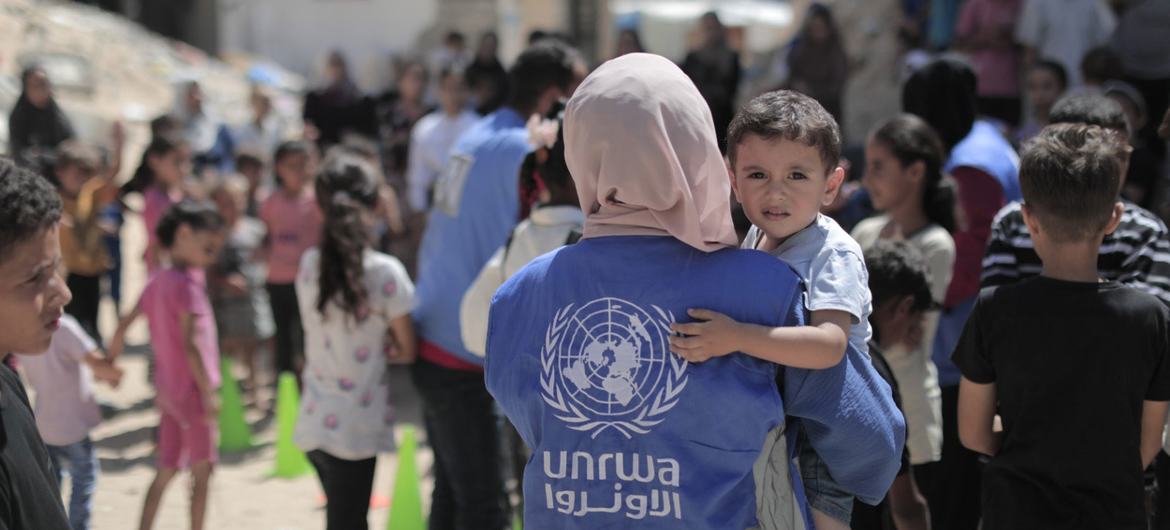
Empty Eyes at the School Gate
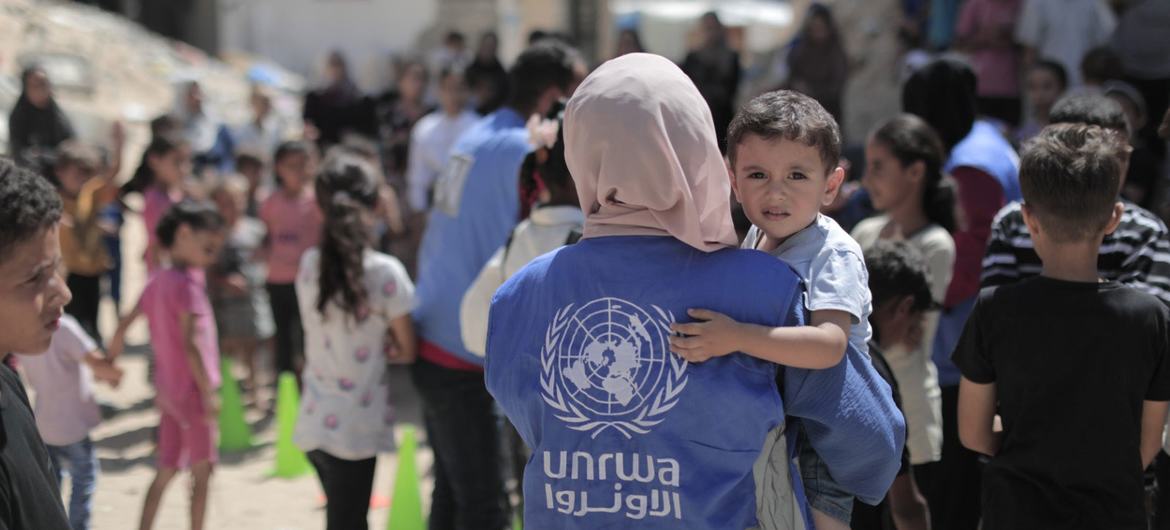
Outgoing UNRWA chief Philippe Lazzarini reflects on two years of atrocity, institutional assault, and the one girl he cannot forget.
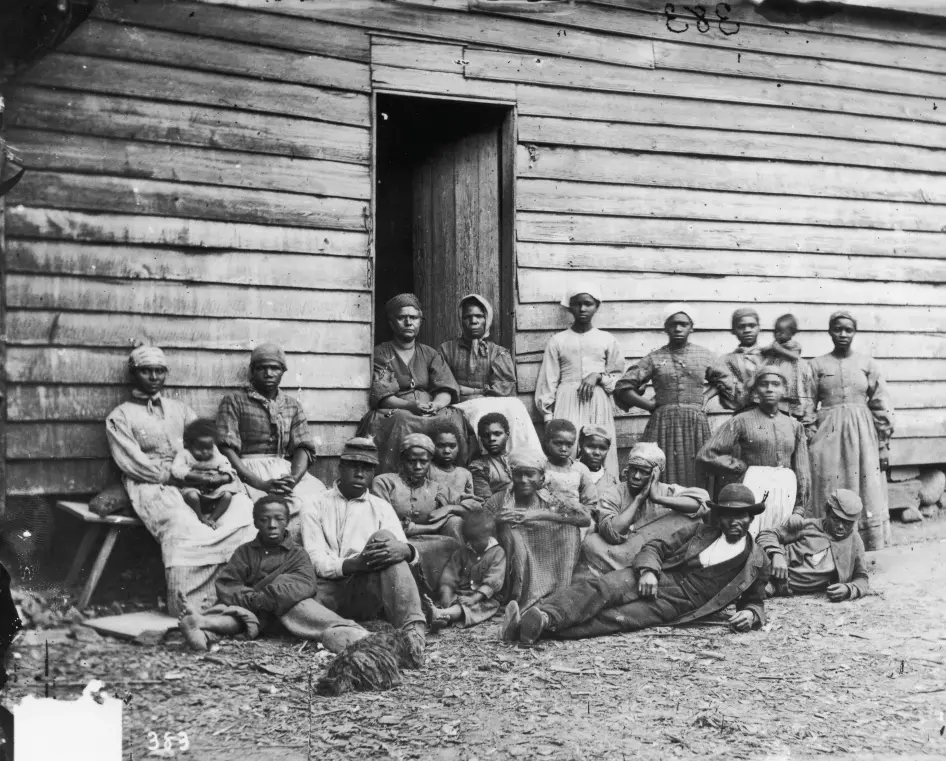
A Debt Long Overdue…
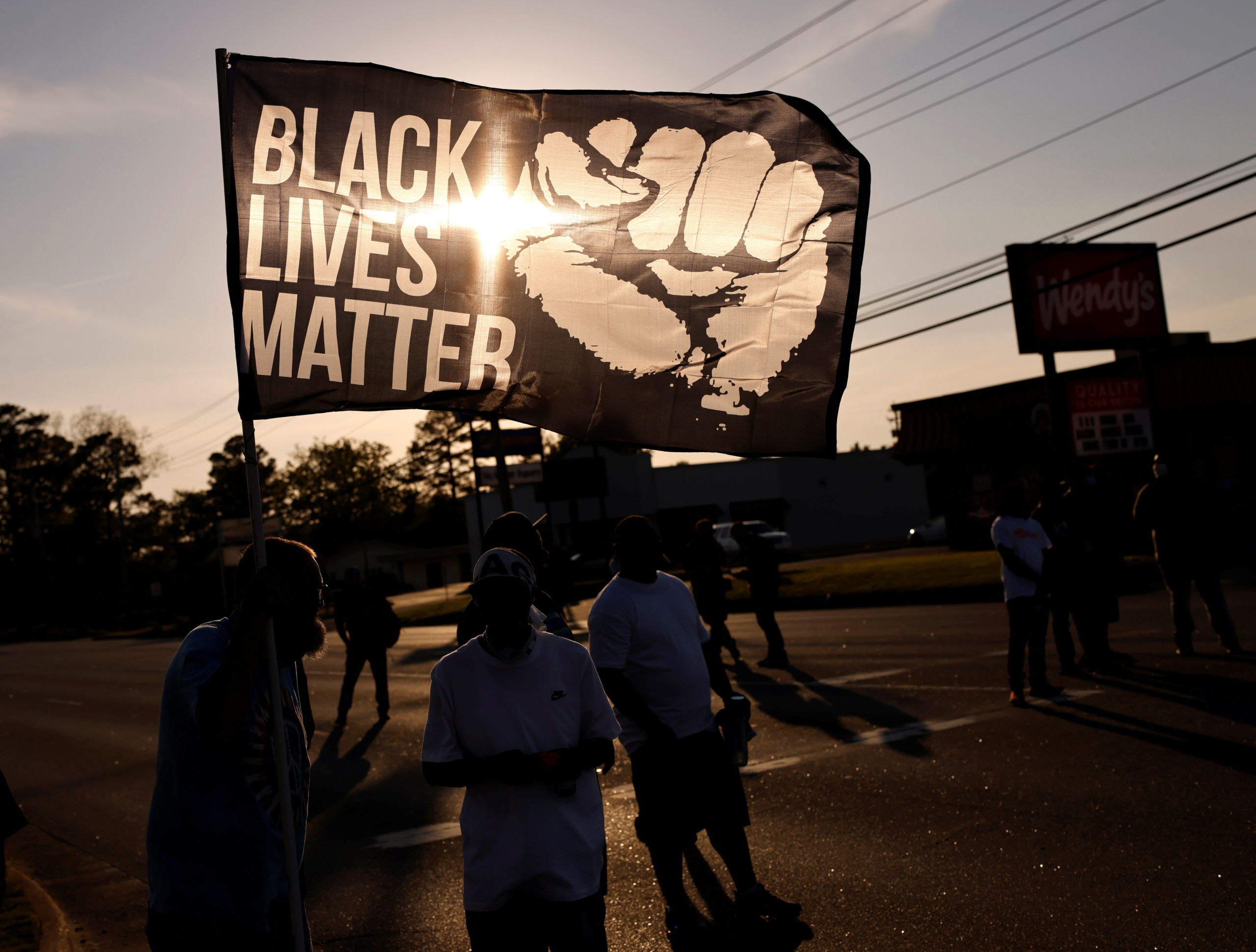
The United Nations passed a landmark resolution on reparatory justice for the transatlantic slave trade. The global North walked away.





Our Network
Our Channels

© 2026 Al Jazeera Media Network. All rights reserved.