

Human Rights and the Challenges of Civilian Life During Lebanon’s Turmoil
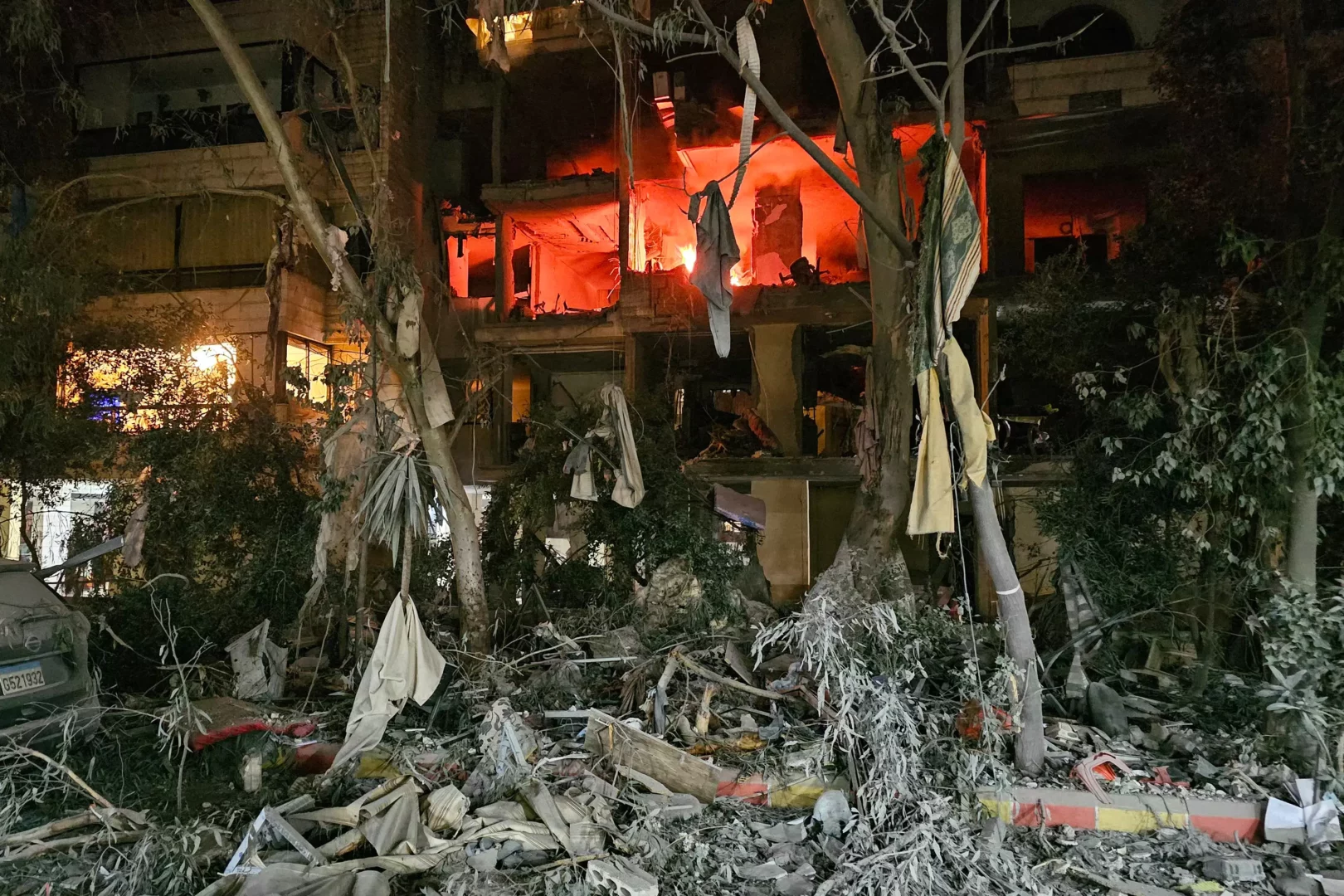
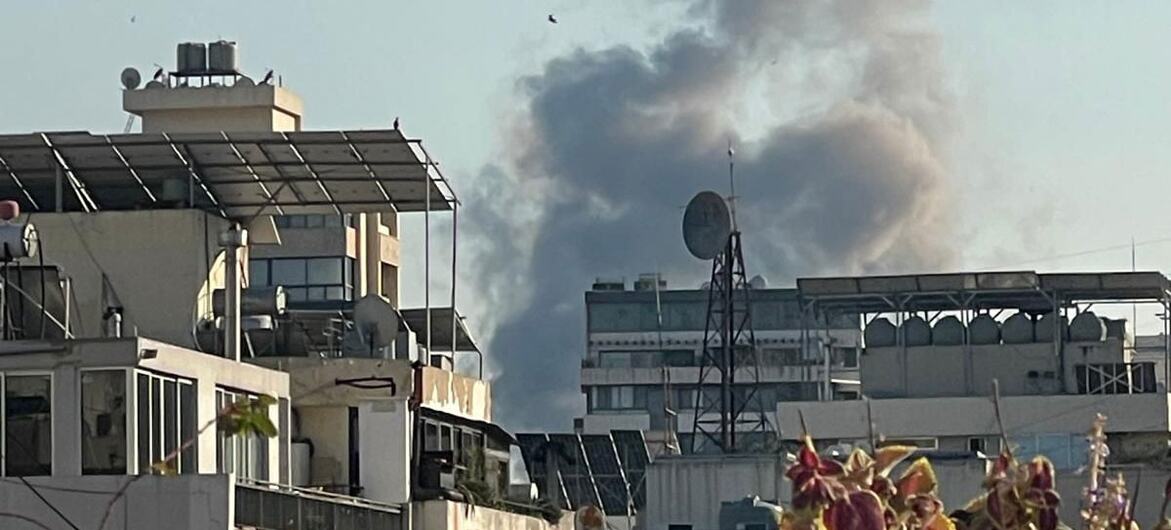
A damaged building is on fire after an Israeli airstrike in Beirut's southern suburb of Haret Hreik, March 2, 2026/UN
In Lebanon, civilians find themselves precariously positioned, at significant risk of violence and abuse in a landscape marred by war crimes and other serious violations. The alarming frequency of these abuses unfolds with brutal impunity, suggesting a grim likelihood of their recurrence, with non-combatants bearing the brunt of this turmoil. It is imperative that allied nations exert diplomatic pressure on key players such as Israel and Hezbollah to adhere strictly to the laws of war, prioritizing the protection of innocent lives.
Under customary international law, it is expressly forbidden to carry out acts or threats of violence primarily intended to instill terror within civilian populations. This includes any declarations urging the evacuation of areas solely designed to incite panic, compelling residents to abandon their homes for reasons other than ensuring their safety.
International humanitarian law upholds that civilians who choose not to evacuate in response to warnings retain full protection. The forced displacement of individuals is fundamentally prohibited, except in scenarios directly linked to civilian security or critical military necessity. Moreover, a substantial number of civilians may be unable to follow evacuation directives due to factors such as health concerns, disabilities, profound fears, or simply lacking an alternative refuge.
Human Rights Watch has called upon Israel’s significant allies, including the United States, the United Kingdom, and Germany, to halt military support and arms sales to Israel, advocating for targeted sanctions against those credibly accused of severe crimes. Furthermore, Lebanon’s judicial system is urged to launch domestic inquiries into serious international offenses, alongside a recommendation for the government to ratify the International Criminal Court’s (ICC) Rome Statute and submit a declaration endorsing the court’s jurisdiction retroactive to at least October 7, 2023.
Lebanon’s government must take decisive action to forge paths toward accountability for those perpetrating international crimes on Lebanese soil. This includes pursuing national investigations and extending ICC jurisdiction within the country. The onus is now on Lebanon’s leadership to ensure justice prevails for their beleaguered populace.

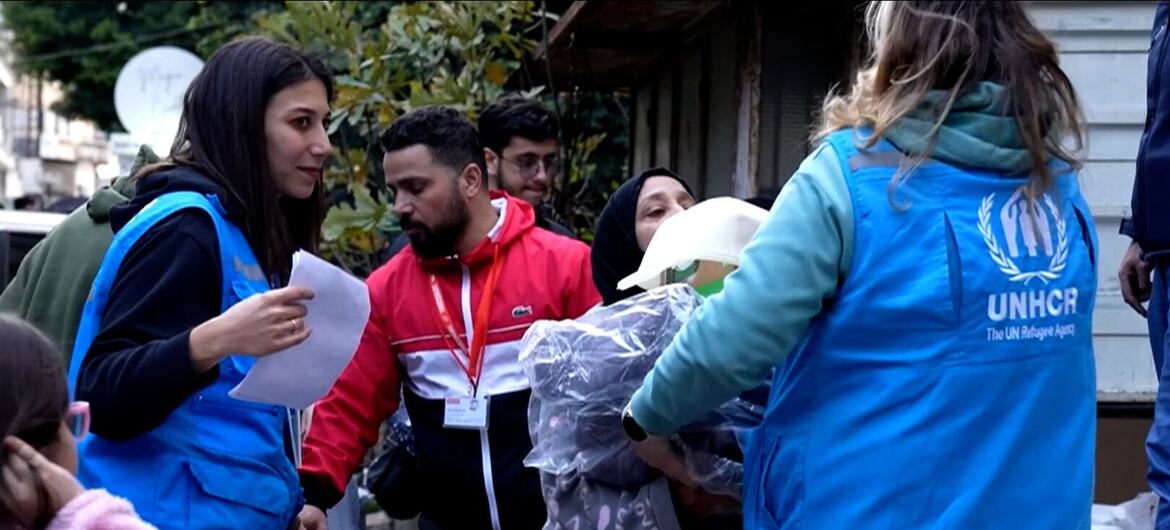
Lebanon’s “Perfect Storm,” Deepening Displacement and Dwindling Aid
The crisis illuminates a human-rights paradox: Lebanon’s historical hospitality toward refugees has been exhausted by repeated escalations and a regional crisis that has siphoned off donor...
- Most Viewed
- Most Popular




Our Network
Our Channels

© 2026 Al Jazeera Media Network. All rights reserved.