


Human Rights and Tax Justice, Why the World Needs New Rules
In November 2025 diplomats from dozens of countries met in Nairobi to negotiate a United Nations treaty on international tax cooperation. The setting was symbolic. Unlike existing forums dominated by wealthy states, the UN process gives all countries an equal vote on rules that shape the global economy.
Much of the current international tax system dates to the 1920s. It was designed for an era of colonial empires and physical trade, not globalized supply chains or digital services. Since 1960 the Organisation for Economic Cooperation and Development has served as the main venue for tax rule making, despite representing a minority of the world’s countries.
The consequences are visible in the data. Corporations exploit rules that treat subsidiaries as separate entities, shifting profits through transfer pricing to low tax jurisdictions. According to the Tax Justice Network, the United States alone loses an estimated $177 billion a year to tax havens, around $542 per resident. Globally, governments lose hundreds of billions annually.
The system also favors residence countries, where companies are headquartered, over source countries, where economic activity and revenues are generated. This bias harms governments in the Global South, which depend more heavily on corporate tax revenue and face higher debt burdens.
Inequality has surged alongside these failures. Oxfam reports that global private wealth has grown eight times faster than public wealth since 1995. Over the past decade the world’s 3,000 richest billionaires added $6.5 trillion to their fortunes, equivalent to 14.5 percent of global GDP. Yet billionaires pay an effective tax rate of less than 0.5 percent of their wealth.
The human rights impact is stark. Sri Lanka illustrates the link between weak tax systems and social collapse. After independence, its tax revenues equaled 20 to 25 percent of GDP, funding education and health gains that rivaled richer countries. By 2022 revenues had fallen to 7.3 percent of GDP. That year the country defaulted on its debt, and education spending fell to the third lowest share of GDP worldwide.
International human rights law requires states to use the maximum of available resources to fulfill rights such as health, education, and social security. Fairer global tax rules would expand those resources. Draft UN treaty provisions would allow countries to tax companies wherever they conduct business activities and generate value, reducing reliance on physical presence tests.
Negotiations remain at an early stage. Governments are expected to vote on a framework convention and protocols at the UN General Assembly in 2027. The United States has withdrawn from the process, but major economies including European states and China continue to participate. The outcome will help determine whether states can finance rights in an era of rising inequality.
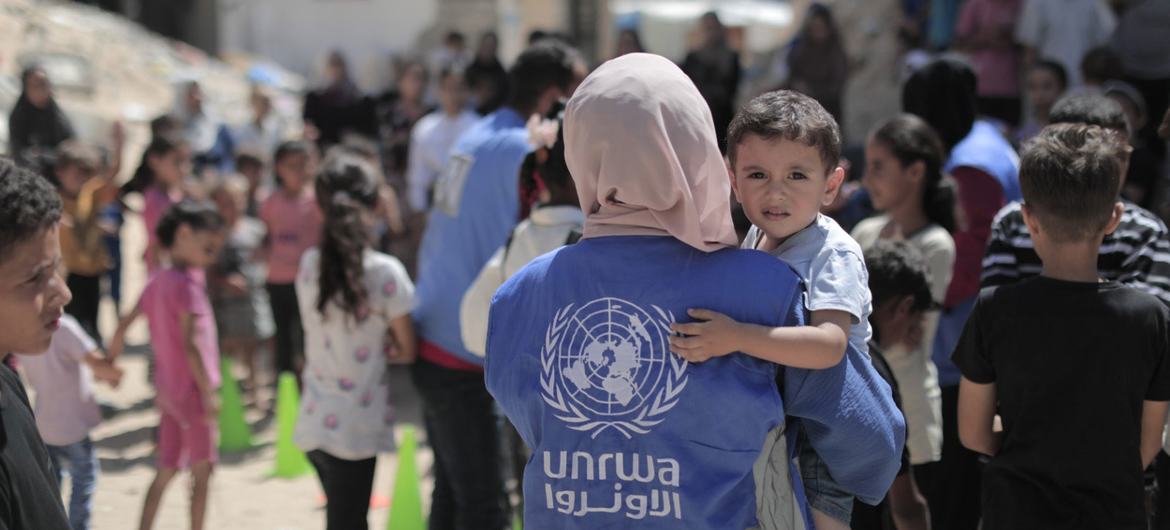
Empty Eyes at the School Gate
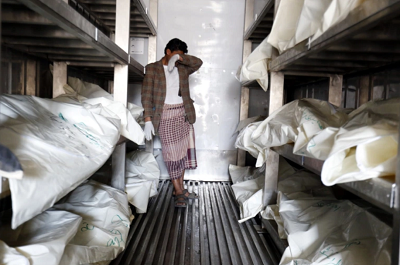
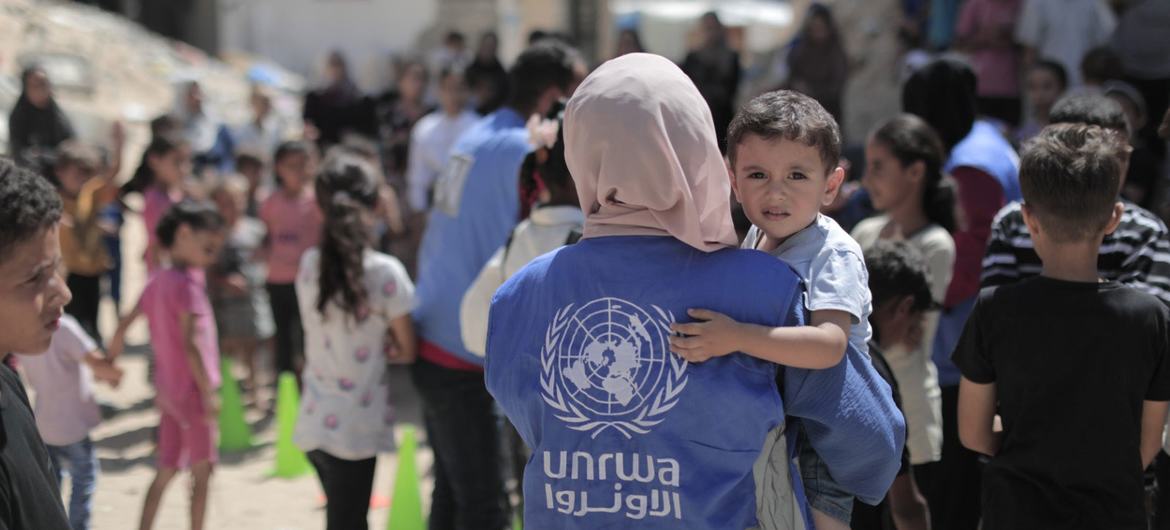
Outgoing UNRWA chief Philippe Lazzarini reflects on two years of atrocity, institutional assault, and the one girl he cannot forget.
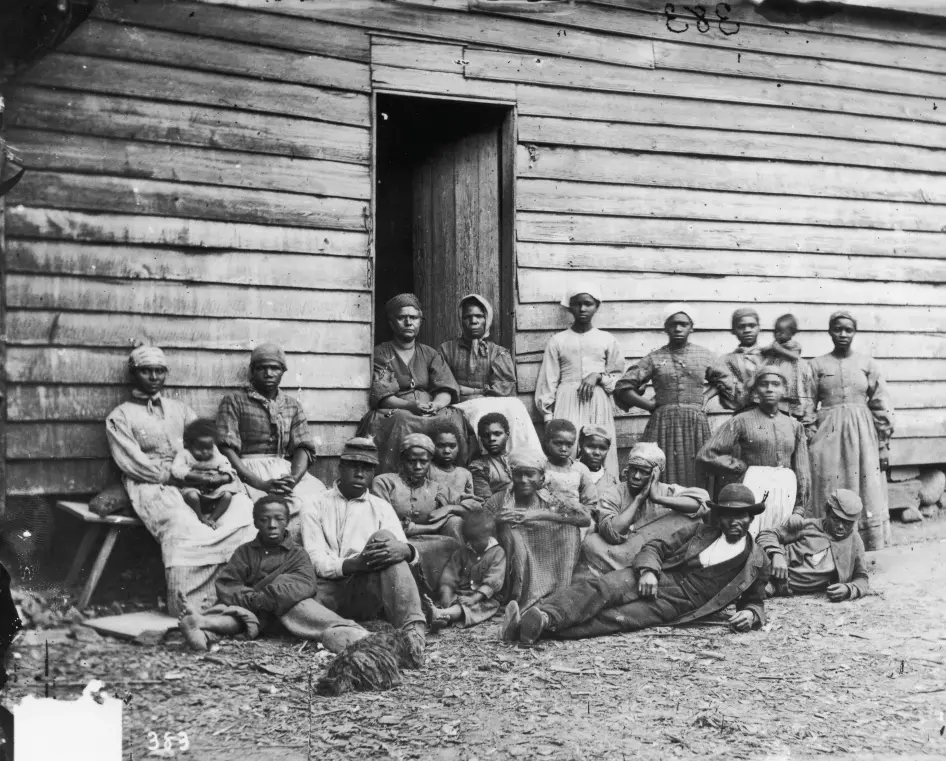
A Debt Long Overdue…
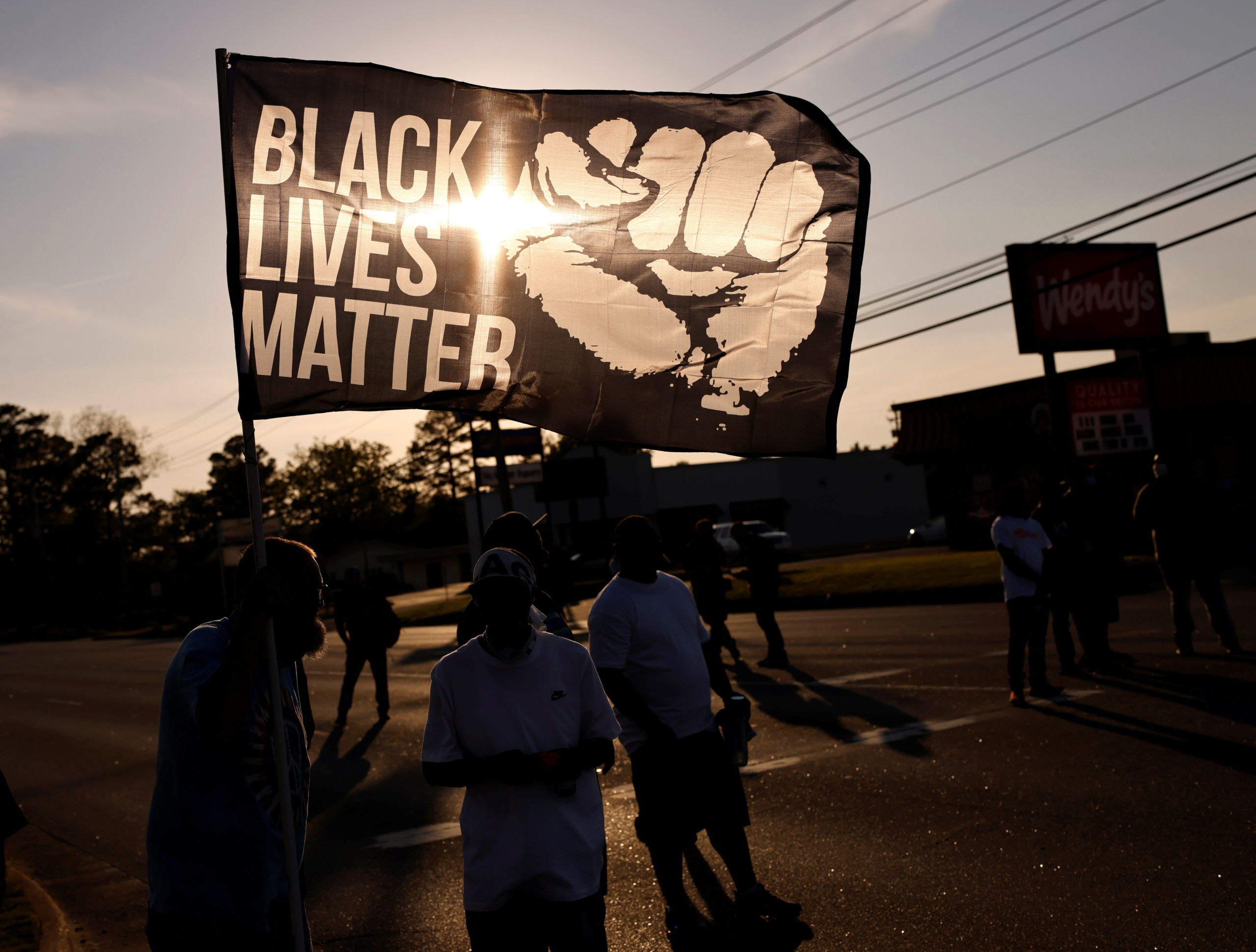
The United Nations passed a landmark resolution on reparatory justice for the transatlantic slave trade. The global North walked away.






Our Network
Our Channels

© 2026 Al Jazeera Media Network. All rights reserved.