

How Rural Indian Women are Redefining Journalism
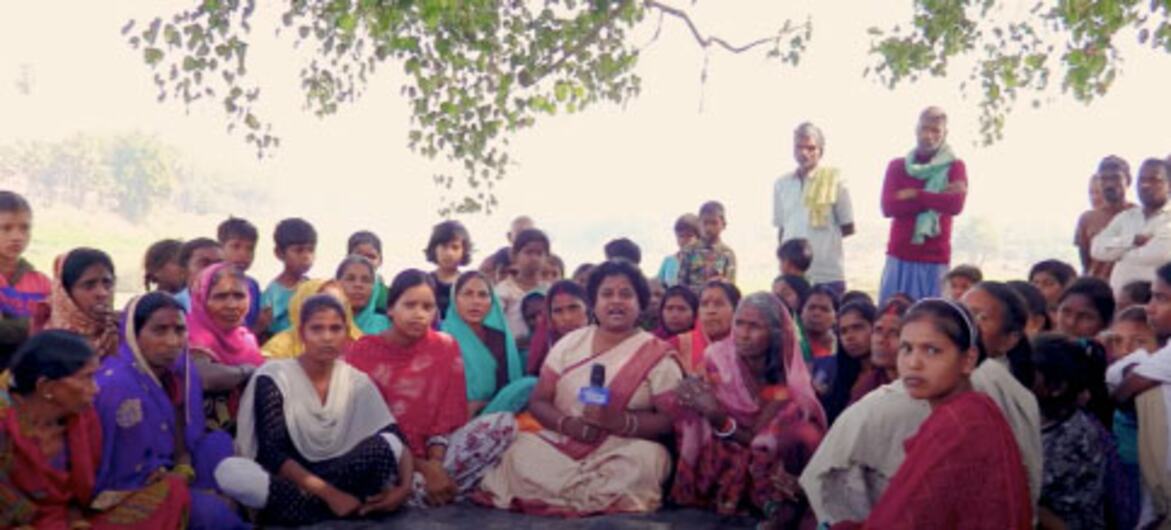
UN © Khabhar Lahariya Khabar Lahariya reports in local languages, including Bundeli, Awadhi and Bhojpuri, rejecting the idea that legitimacy requires elite, urban Hindi or English.
Shyamkali, a journalist from rural India, is part of a growing movement reshaping the media landscape. Over the past two decades, a unique form of journalism has emerged through Khabar Lahariya, a women-led media organization founded in 2002. Operated by rural reporters from marginalized communities, it challenges stereotypes and gives voice to the unheard. Founder Kavita Devi highlights the societal resistance these women faced entering journalism. Despite skepticism, they proved their ability to report important stories overlooked by others.
Recruiting women reporters was difficult due to traditional doubts about their capabilities, especially in illiterate or semi-educated communities. Initially, female journalists were nearly absent in states like Uttar Pradesh and Bihar. Khabar Lahariya empowered women like Shyamkali, who started unable to read or write and became a senior reporter. The organization publishes in local dialects such as Bundeli, Awadhi, and Bhojpuri, creating authentic connections with their audience.
Shyamkali’s training in camera work, interviews, and mobile journalism helped her highlight untold stories with empathy, unlike sensationalized mainstream coverage. Language is key to their mission, as publishing in regional tongues fosters community representation and empowerment. With digital advancements, Khabar Lahariya uses platforms like Facebook, YouTube, and Instagram to amplify voices and increase visibility.
Despite such progress, global media still shows a gender imbalance. Women represent only about a quarter of voices in media, limiting diverse perspectives. UN Women warns that excluding female expertise undermines democracy and accountability. Gender equity in media remains fragile, demanding urgent collective action. Khabar Lahariya offers a powerful example of grassroots innovation, inspiring broader reflection on whose voices shape the stories we hear.
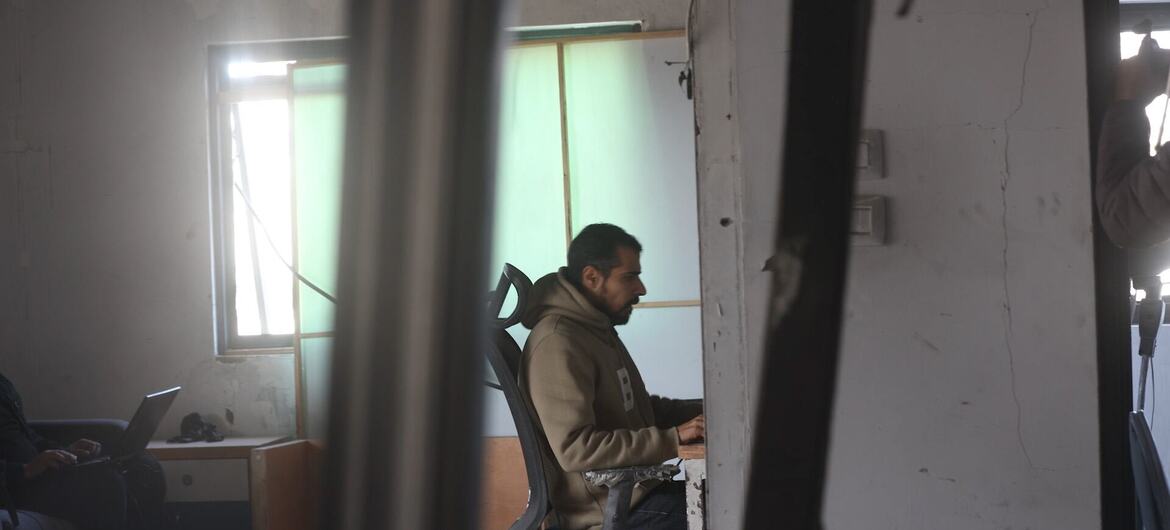
Gaza’s Airwaves, Radio Returns as a Humanitarian Lifeline
Humanitarian and reconstruction policies should prioritise media recovery as part of recovery: rapid supply of transmitters and fuel, training and protection for journalists, and funding for...
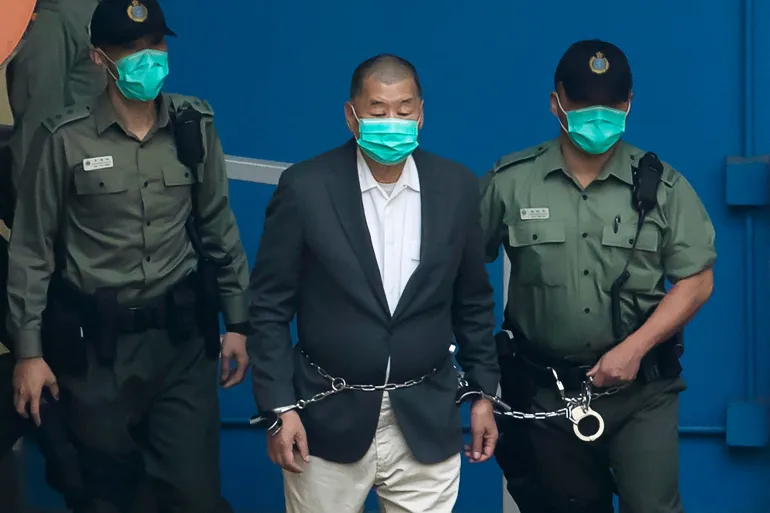
Hong Kong’s Assault on Freedom of Expression
Lai had already faced multiple convictions prior to this lengthy sentence, including charges related to unauthorized assemblies and fraud, resulting in over seven years behind bars. In 2024,...

- Events
- Gaza’s Tragic Present and Uncertain Future
- Human Rights, Values, and Culture.
- Humanitarian Crisis
- Press Freedom
Al Jazeera Forum: Navigating the Complexities of Human Rights, Accountability & International Law
Discussions included the role of the ICC prosecutor and the importance of consistent enforcement to avoid perceptions of selective justice. Despite challenges, international law was recognized...
- Most Viewed
- Most Popular



Our Network
Our Channels

© 2026 Al Jazeera Media Network. All rights reserved.