

Global Austerity & Sudan’s Bottomless Pit
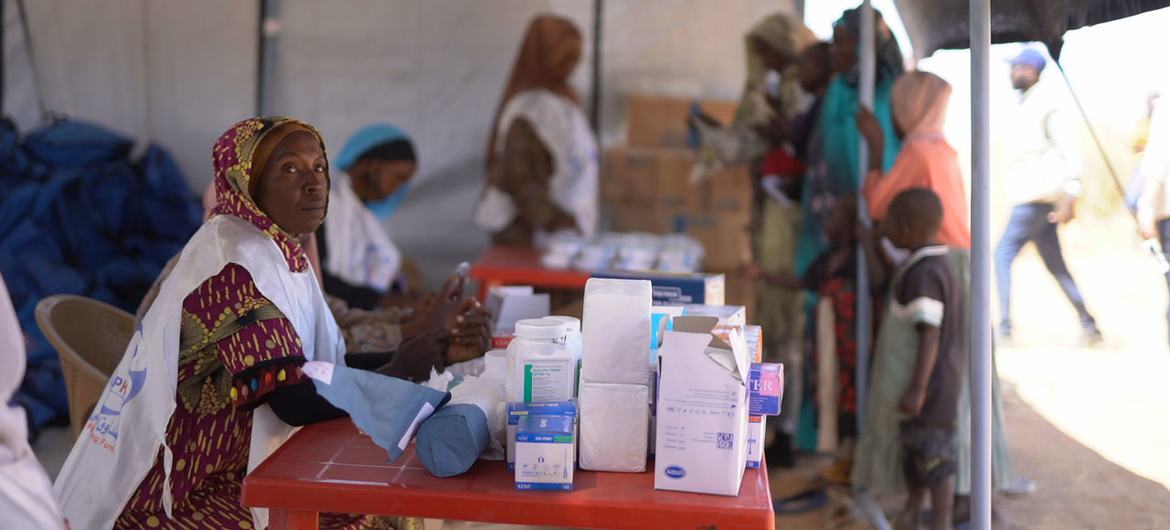
Archive/Al Jazeera.
The world’s largest internal displacement crisis has 33.7 million people in need. The response plan is 16% funded. Diplomats are circling.
The money is not.
In September 2025, the International Organization for Migration became the first UN agency to reopen its Khartoum office since the war began in April 2023. It was a cautious milestone. By early 2026, over 1.6 million displaced Sudanese had begun filtering back to the capital, drawn by the symbolism of return if not yet the reality of stability. UNHCR and OCHA have followed IOM back in, sharing office space. On the ground, very little else has improved.
Sudan is, by almost every measure, the world’s most acute humanitarian crisis. The 2026 Humanitarian Needs and Response Plan, published by OCHA, puts the number of people requiring assistance at 33.7 million, the highest figure globally and an increase of 3.3 million on the previous year. The plan calls for $2.9 billion to reach 20 million of the most vulnerable, with a further $2 billion sought for the seven million Sudanese who have fled across international borders. As of early April, the plan was funded to roughly 16%.
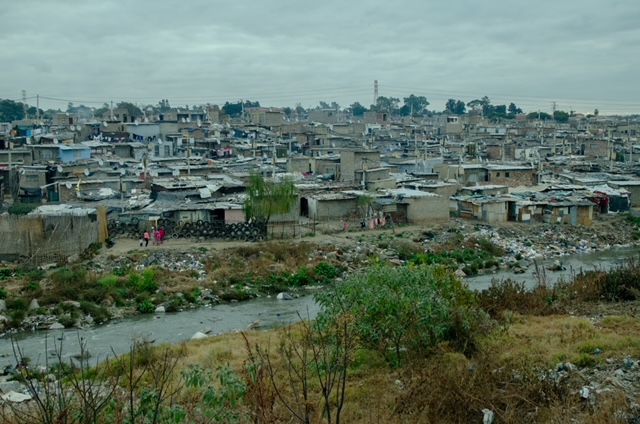
The conflict has produced the world’s largest internal displacement crisis: more than nine million people uprooted inside Sudan alone. The most critical concentrations of need are in South Darfur, Aj Jazirah, Khartoum and North Darfur states, where 11.4 million people require urgent assistance and 2.3 million face what aid workers classify as catastrophic conditions. Drone strikes on civilian infrastructure have become a near-daily occurrence in the Kordofan region, disrupting supply routes and killing civilians. OCHA has documented more than 200 attacks on healthcare facilities since the war began.
The funding picture is made worse by global austerity. The 2025 humanitarian appeal for Sudan received only $12 billion globally across all crises, the lowest level in a decade, resulting in humanitarians reaching 25 million fewer people than in 2024. UN humanitarian chief Tom Fletcher, launching the Global Humanitarian Overview 2026, described the sector as “overstretched, underfunded and under attack.” His office faces the task of persuading donor governments to reverse course while those governments are, in many cases, cutting aid budgets further. A diplomatic envoy continues to circulate regional capitals. The arithmetic of the crisis is not waiting for diplomacy to catch up.
Sources: UN OCHA Sudan Humanitarian Needs and Response Plan 2026; IOM Sudan Crisis Response Plan 2026 (crisisresponse.iom.int, 31 March 2026); OCHA Global Humanitarian Overview 2026 (unocha.org, December 2025); UN News, “Humanitarians launch $33 billion appeal for 2026” (news.un.org, December 2025); UN Financial Tracking Service, Sudan 2026 (fts.unocha.org); OCHA Sudan country page (unocha.org/sudan)

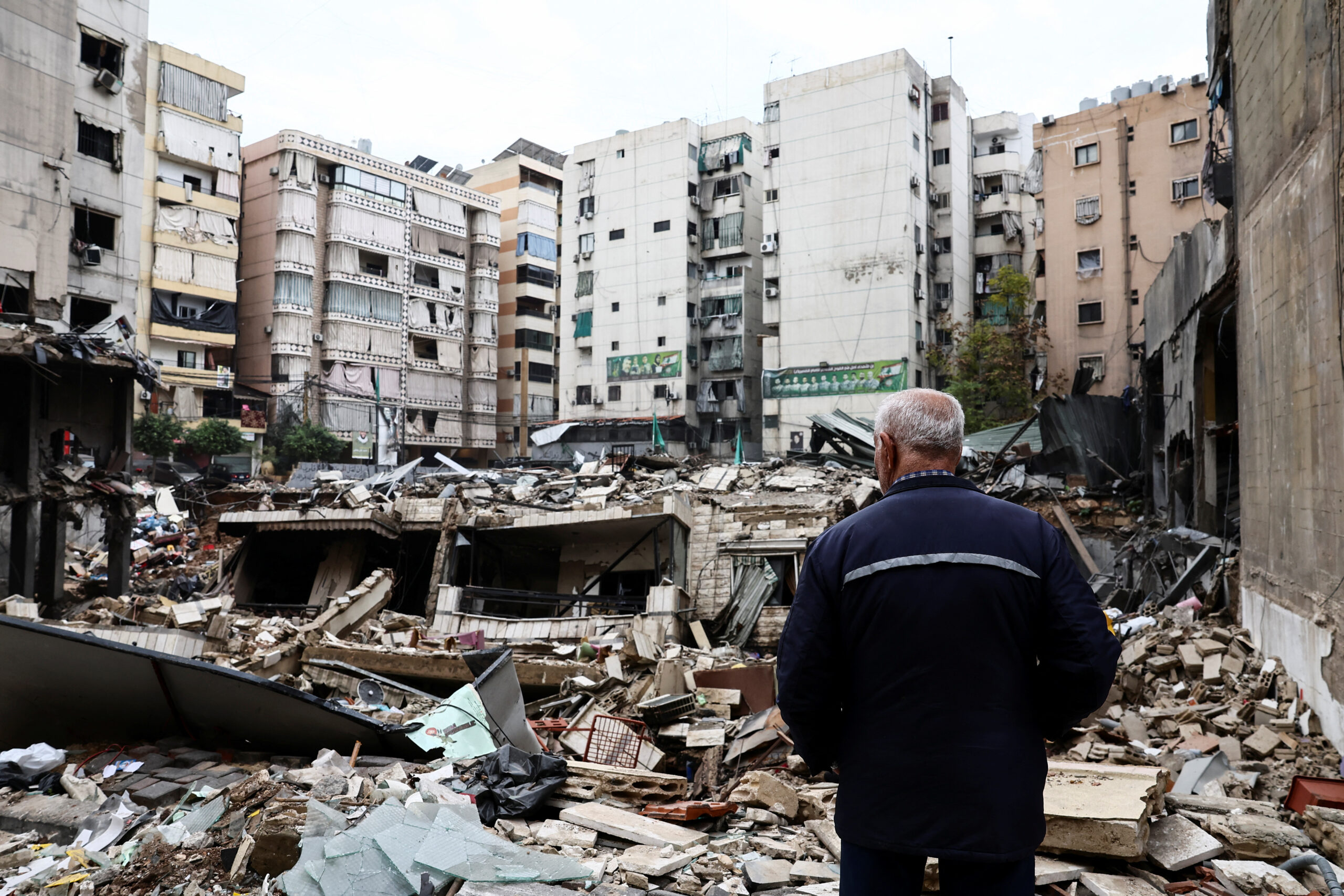
Bombs, Rubble and Rising Humanitarian Need
As Israeli strikes continue across Lebanon, the human toll mounts and the prospects for peace recede




Our Network
Our Channels

© 2026 Al Jazeera Media Network. All rights reserved.