

Gaza’s Winter Deepens a Humanitarian Emergency
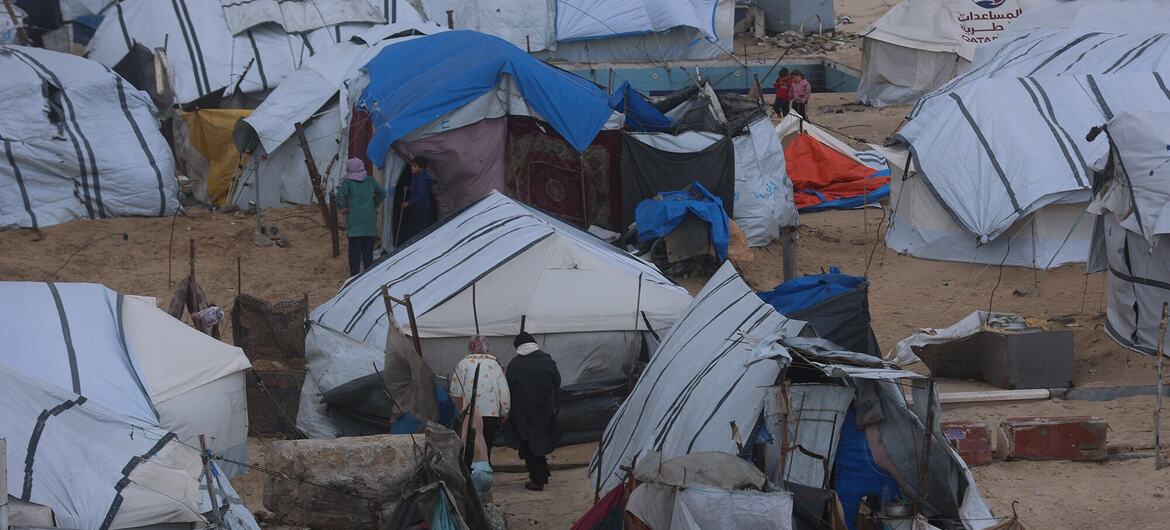
![Palestinians shelter from the bad weather in makeshift tents in Khan Younis, Gaza. [Hani Alshaer/Anadolu]](https://liberties.aljazeera.com/resources/uploads/2026/01/1768306463.webp)
Palestinians shelter from the bad weather in makeshift tents in Khan Younis, Gaza. [Hani Alshaer/Anadolu]
Severe winter storms are worsening Gaza’s humanitarian crisis, threatening recent improvements in aid delivery. On 12 January 2026, the UN said heavy rains had damaged thousands of fragile shelters, exposing displaced families to cold and flooding. According to UN spokesperson Stéphane Dujarric, aid partners delivered supplies in the previous week to 28,000 families, including 1,600 tents, 16,000 tarpaulins and 27,000 blankets.
Despite these efforts, at least 1.1 million people remain in urgent need. A new storm on 9 January destroyed large numbers of makeshift tents, leaving thousands without shelter. UN teams are conducting assessments, but stress that tents are a temporary solution. Durable recovery requires construction materials, debris clearance machinery and sustained funding.
Children are among the most affected. Gaza’s Ministry of Health reports four infant deaths from hypothermia since the ceasefire, all involving very young children. Since late 2025, humanitarian agencies have distributed more than 310,000 winter clothing sets and 112,000 pairs of shoes for children and installed 150 specialised tents as child friendly spaces.
Malnutrition remains widespread. In December 2025, nutrition partners screened over 76,000 children, identifying around 4,900 cases of acute malnutrition, including more than 820 severe cases. Total identified acute malnutrition cases in 2025 reached nearly 95,000.
Education provision has expanded unevenly. Eighteen new temporary learning spaces opened last week, bringing the total to 440, serving about 268,000 children. However, Israeli authorities continue to block the entry of education supplies, arguing that schooling is not a priority during the ceasefire’s first phase, a position disputed by the UN
The US/Israel/Iran War & The Humanitarian Crisis in Gaza
Chef José Andrés, the founder of World Central Kitchen, emphasized the urgent need for daily food deliveries to ensure that vulnerable families, who are caught in the crossfire but are not...
Humanitarian Crisis at the Rafah Crossing
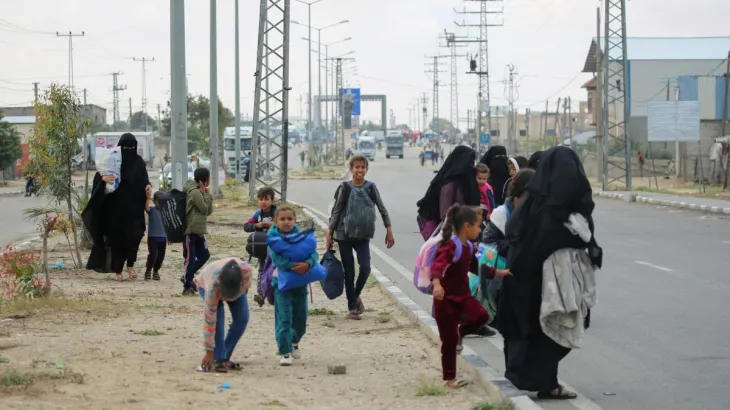
The consequences of this blockade are severe: soaring levels of hunger, increased medical emergencies, and an atmosphere rife with fear. Aid trucks remain stalled at the crossing, unable to...
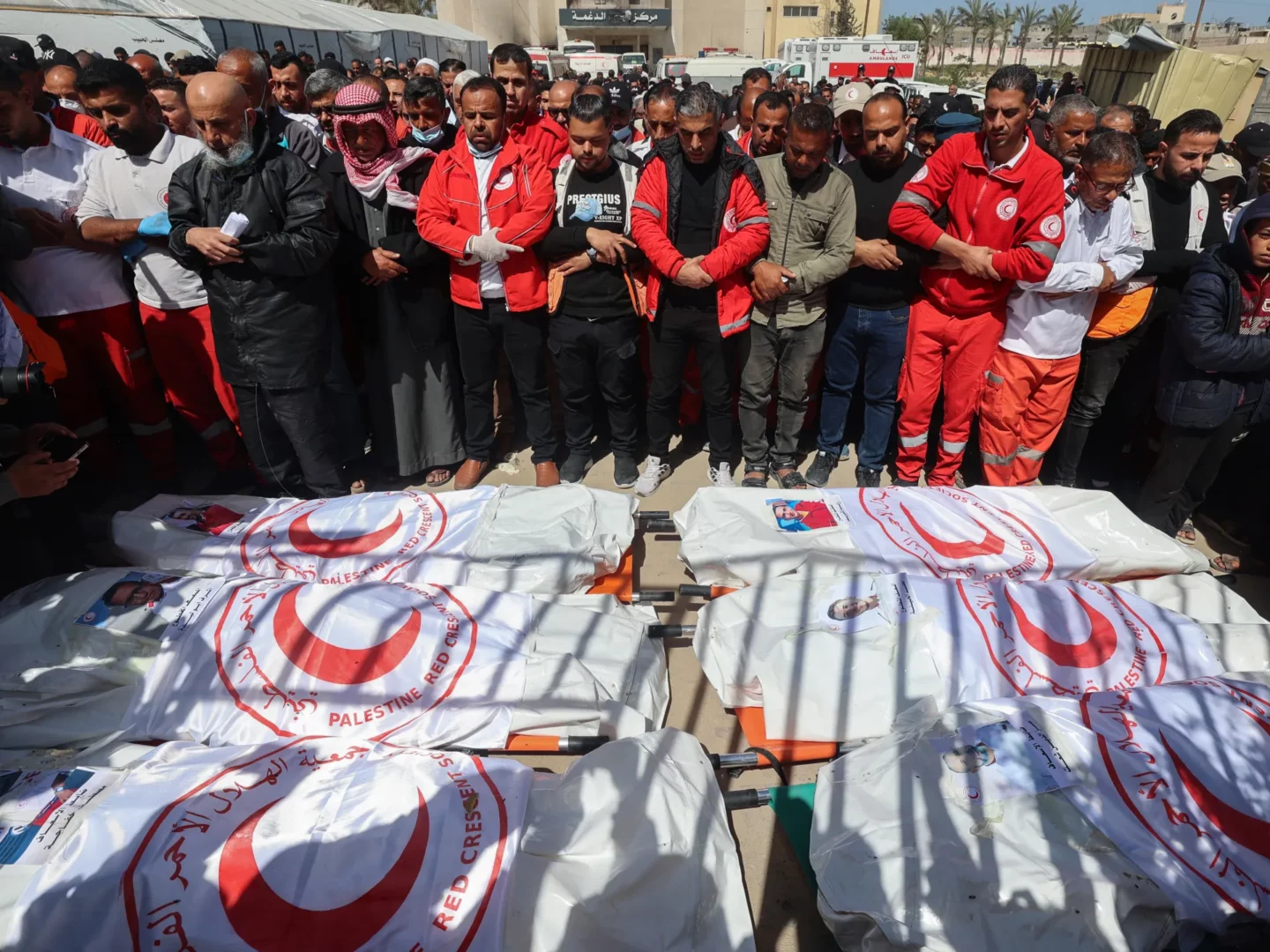
Ambush on Aid, Forensic Audio Links Bullets to Red Crescent Deaths in Tal al‑Sultan
The findings amplify allegations that humanitarian workers, who are protected under international law, were deliberately targeted.




Our Network
Our Channels

© 2026 Al Jazeera Media Network. All rights reserved.