

Gaza Stabilisation at a Crossroads, UN Warns of Renewed Violence and Massive Humanitarian Need
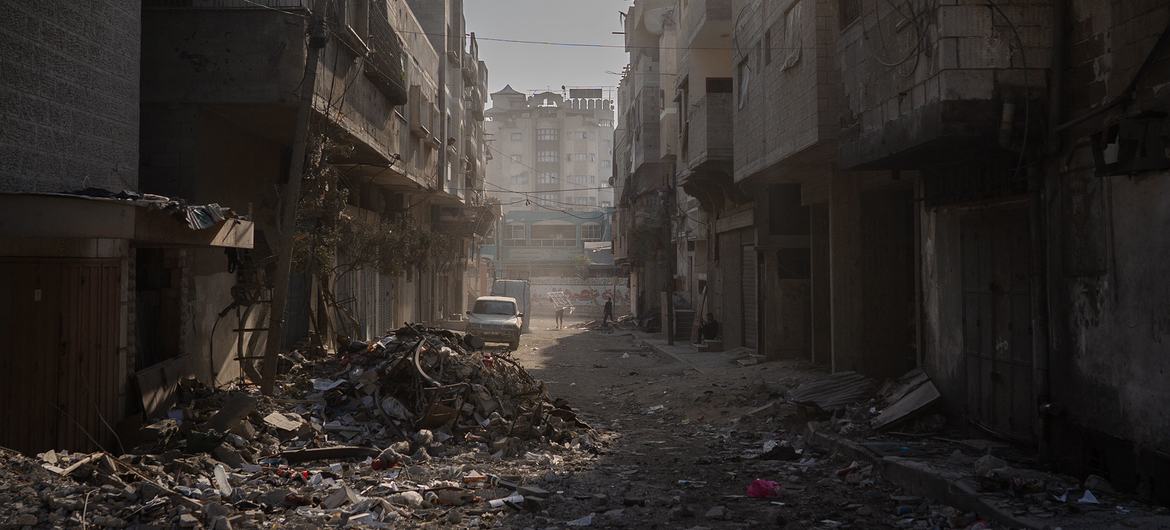
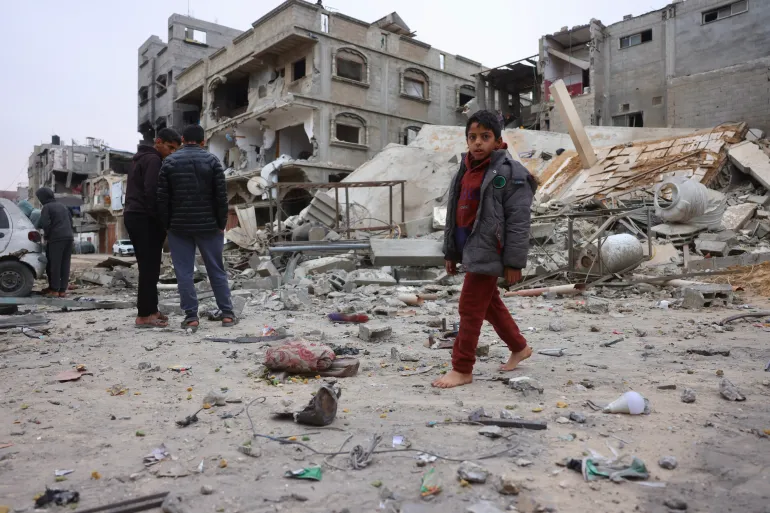
WFP/Maxime Le Lijour Much of Gaza City is inhabitable.
Summary, 28 January 2026: Ramiz Alakbarov, Deputy Special Coordinator for the Middle East Peace Process, briefed the UN Security Council by video link on 28 January 2026, describing the launch of the second phase of a stabilisation plan for Gaza as a “potential turning point,” while warning that risks of escalation remain high and that conditions in the occupied West Bank are deteriorating.
Key facts and figures
- Date of briefing, 28 January 2026.
- Plan referenced, President Donald Trump’s 20‑point Comprehensive Plan, second phase launched January 2026, includes creation of a National Committee for the Administration of Gaza and an Office of the High Representative for Gaza.
- UN mandate reference, Security Council resolution 2803 (text and operative year cited by Alakbarov).
- Hostage and casualty context, more than 250 Israeli and foreign nationals abducted on 7 October 2023, over 1,250 people killed in that attack, as cited in Alakbarov’s remarks.
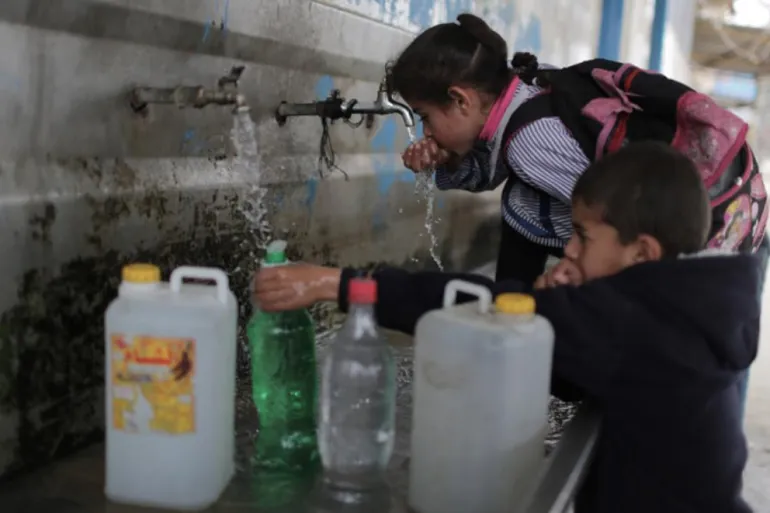
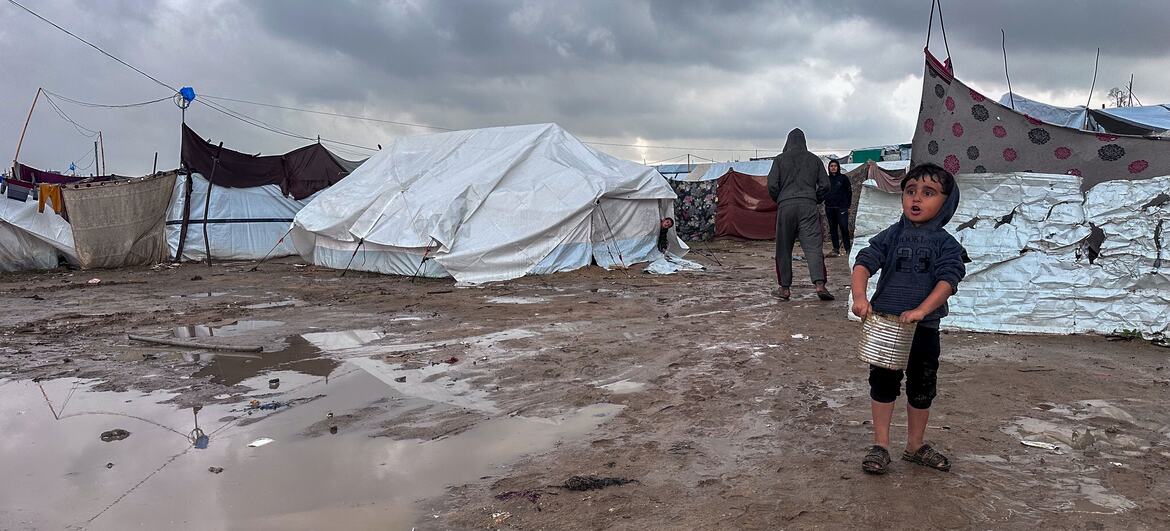
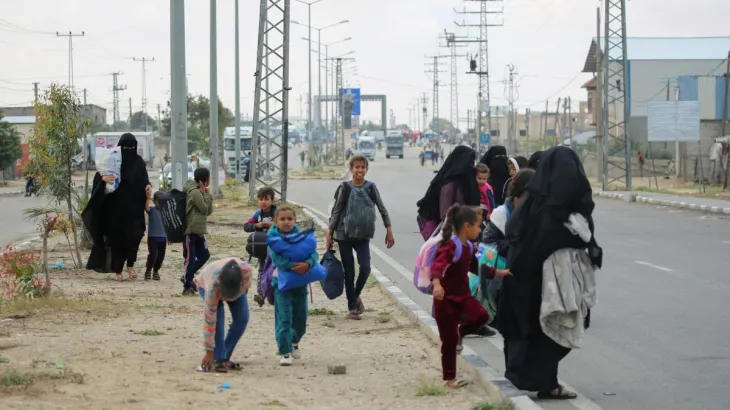
- Palestinian losses, “tens of thousands” reported killed in subsequent Israeli military operations in Gaza, widespread infrastructure destruction, mass displacement; nearly the entire Gaza population requires assistance, more than 1.5 million people displaced and exposed to winter conditions, per Alakbarov’s briefing.
- Humanitarian access constraints, Alakbarov cited insecurity, access restrictions, and delays at crossings as preventing operations at scale; Rafah pedestrian opening by Israel noted as encouraging but demilitarisation and security arrangements deemed essential.
- West Bank deterioration, ongoing violence, settlement expansion, demolitions, and displacement described as undermining prospects for peace and jeopardising implementation of the ceasefire plan’s next phase.
Implications, short term:
- Ceasefire consolidation will depend on security arrangements, crossings management, and rapid scale‑up of humanitarian logistics; failure risks renewed hostilities.
- West Bank trends pose an immediate political and operational threat to broader stabilisation and two‑State prospects.
Sources:
- UN Security Council briefing by Ramiz Alakbarov, Deputy Special Coordinator for the Middle East Peace Process, 28 January 2026, UN press statements and meeting records, UN News coverage.
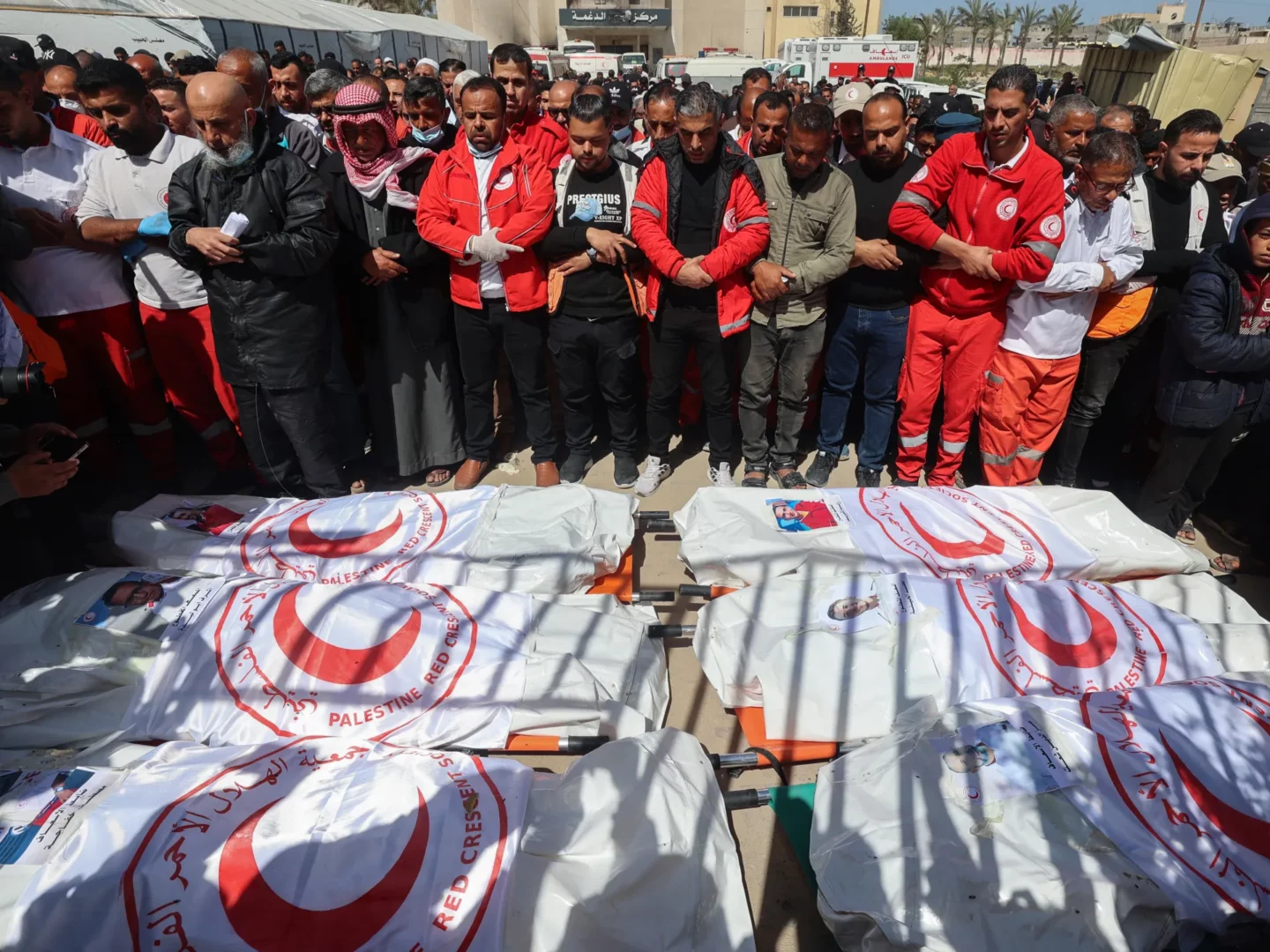
Ambush on Aid, Forensic Audio Links Bullets to Red Crescent Deaths in Tal al‑Sultan
The findings amplify allegations that humanitarian workers, who are protected under international law, were deliberately targeted.
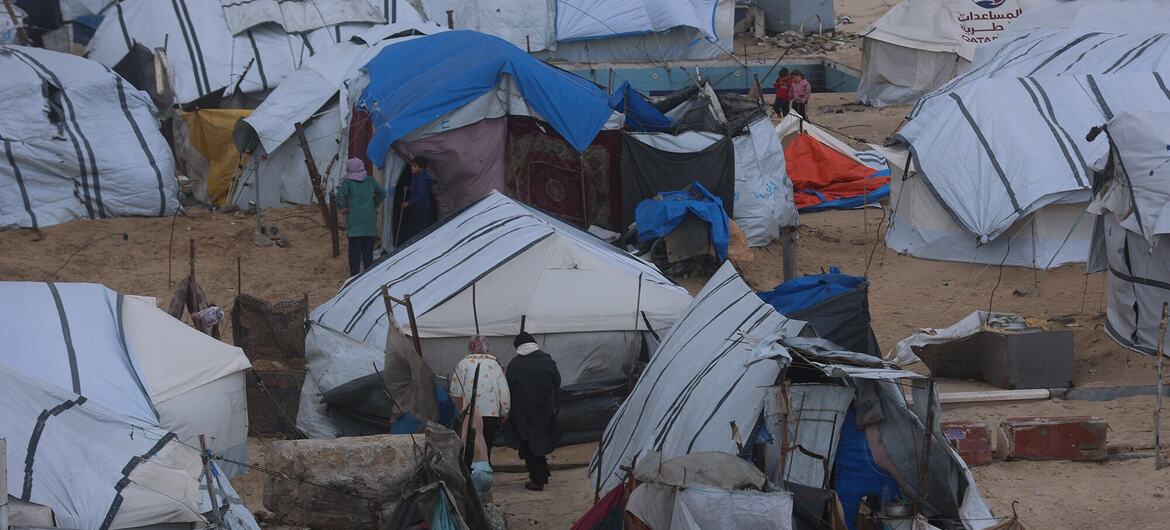
Gaza Shelters, Smouldering Risks and Restricted Aid
Movement of aid remains tightly controlled, with 67 missions between 12 and 19 February, 43 approved and nine denied outright, and several approved missions impeded, delaying fuel, medical...
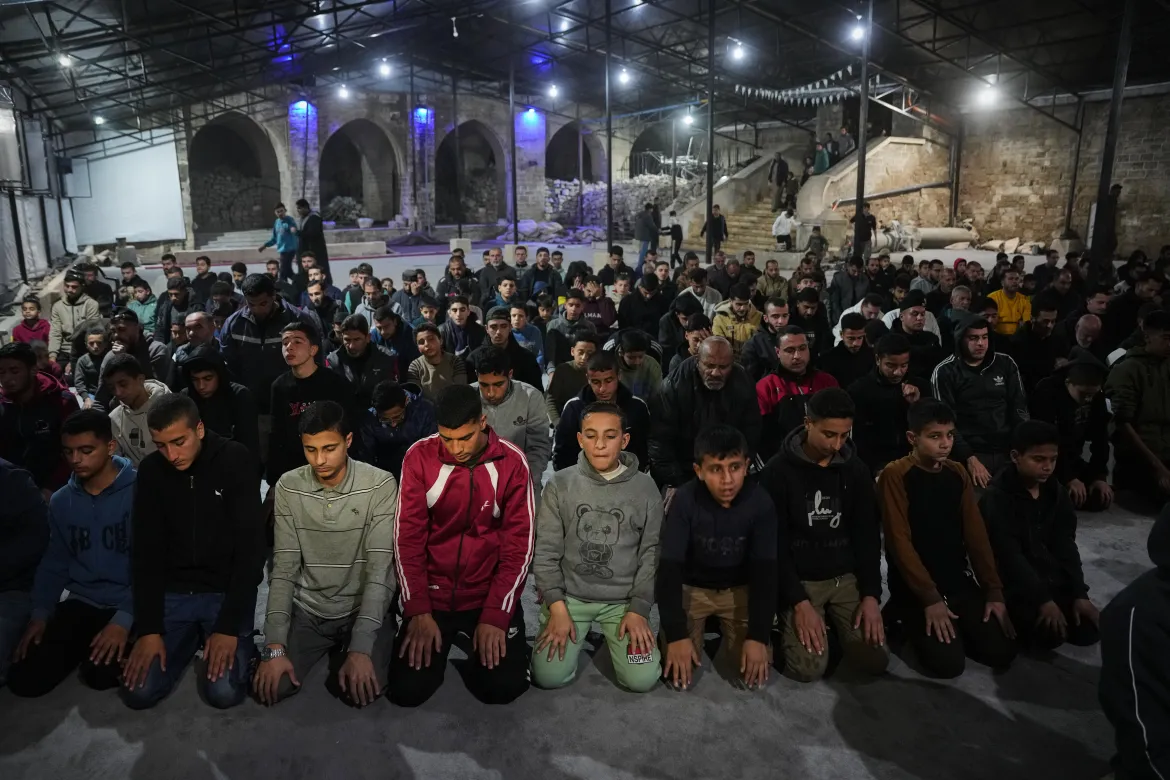
Ramadan under Siege, Medical Evacuations and Persistent Shortfalls in Gaza
Aid pledges and ceasefire provisions envisaged 600 trucks daily, yet actual deliveries remain far below the target, forcing families to rely on soup kitchens and to schedule fasting around aid...






Our Network
Our Channels

© 2026 Al Jazeera Media Network. All rights reserved.