

Gaza Faces Mounting Casualties and Worsening Water Shortages
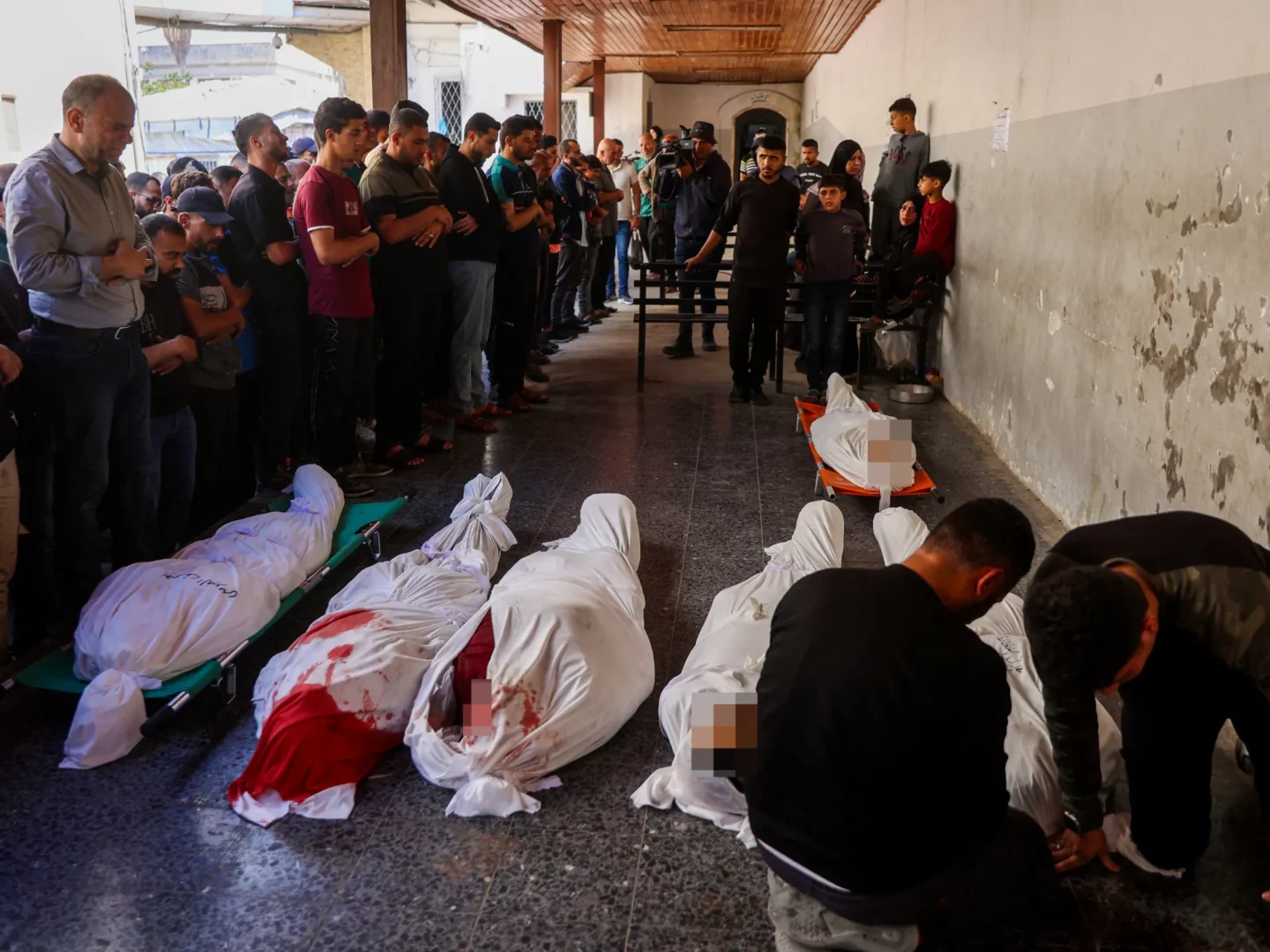
Since the GHF began operations in late May, over 800 people have lost their lives while awaiting aid/Al Jazeera
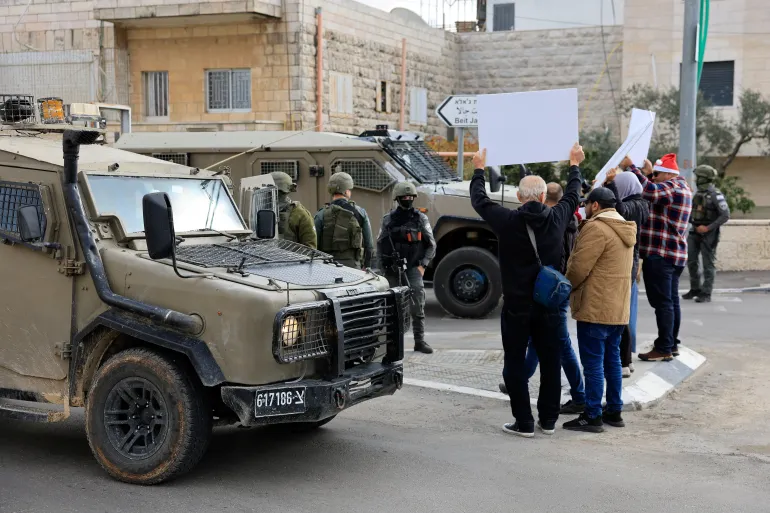
At least 110 Palestinians were killed by Israeli forces across Gaza on Saturday, including 34 waiting for food near a Gaza Humanitarian Fund (GHF) distribution point in Rafah.
Since the GHF began operations in late May, over 800 people have lost their lives while awaiting aid.
The Euro-Mediterranean Human Rights Monitor has called for the criminal prosecution of US President Donald Trump, accusing him of complicity in genocide due to his support for the GHF’s aid distribution in Gaza. The Geneva-based watchdog urged international organisations to hold Mr. Trump accountable, citing field reports that suggest private US security contractors have taken part in attacks on aid recipients alongside Israeli troops.
Satellite imagery obtained by Al Jazeera shows that Israel’s plans to construct a so-called “humanitarian city” on the rubble of Rafah in southern Gaza are progressing rapidly. The Israeli defence minister has indicated an intention to relocate the entire local population there eventually.
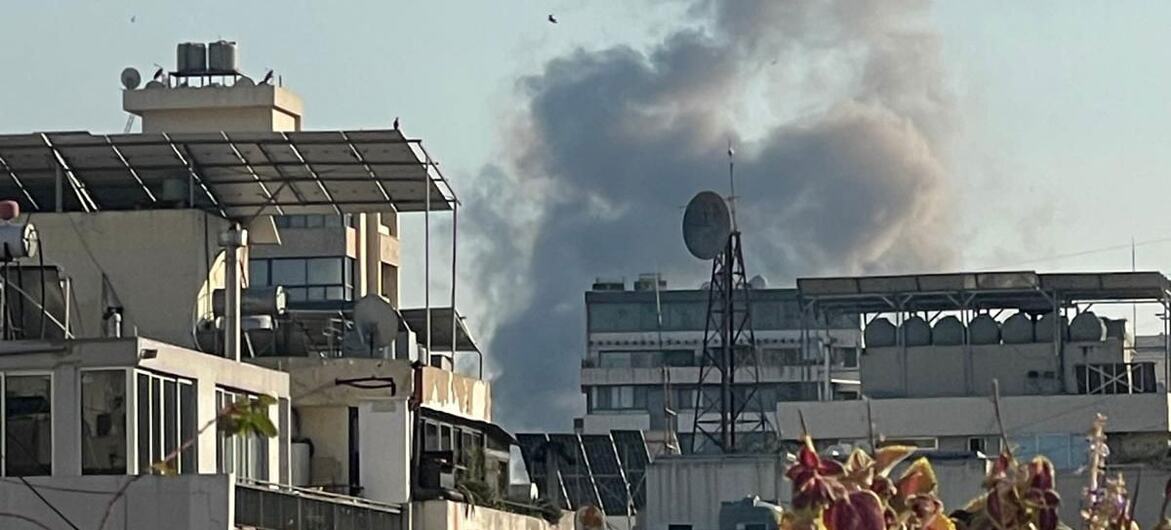
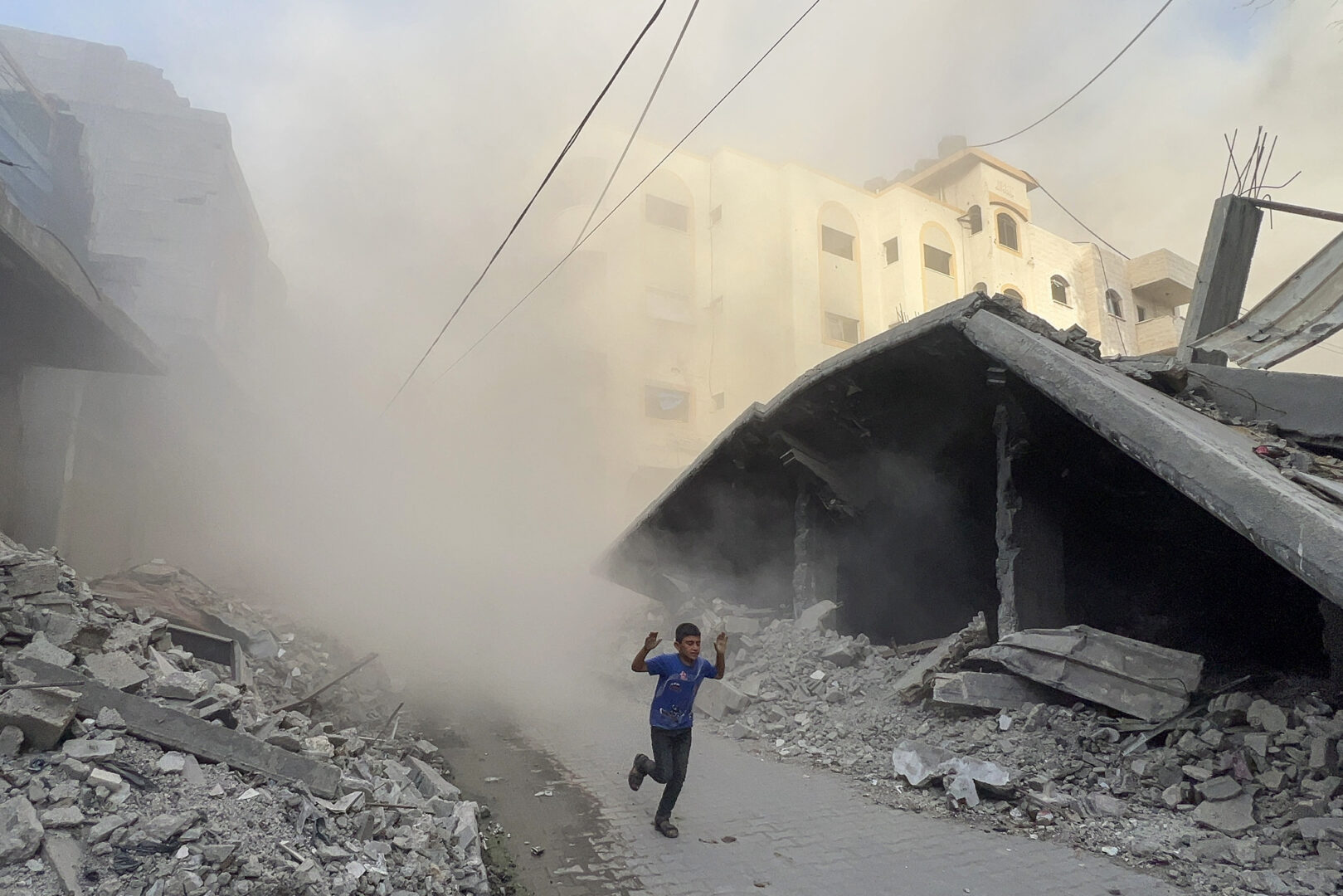
Meanwhile, Israeli forces carpet bombed parts of northern Gaza, including the area around Beit Hanoun, late Saturday afternoon. Residents reported more than 40 bombs dropped over an area largely cleared of civilians. The Israeli military later stated that its target was “Hamas tunnels” in the region.
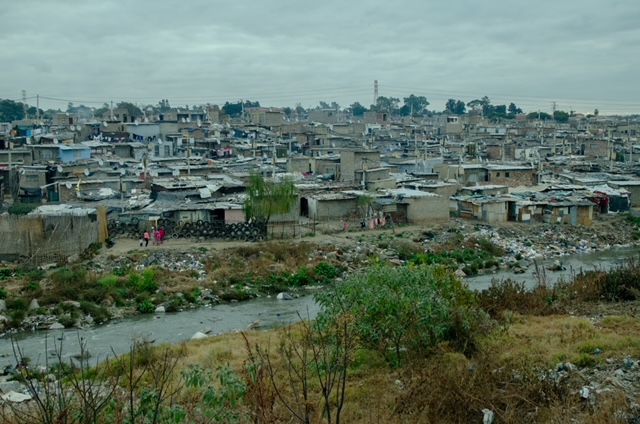
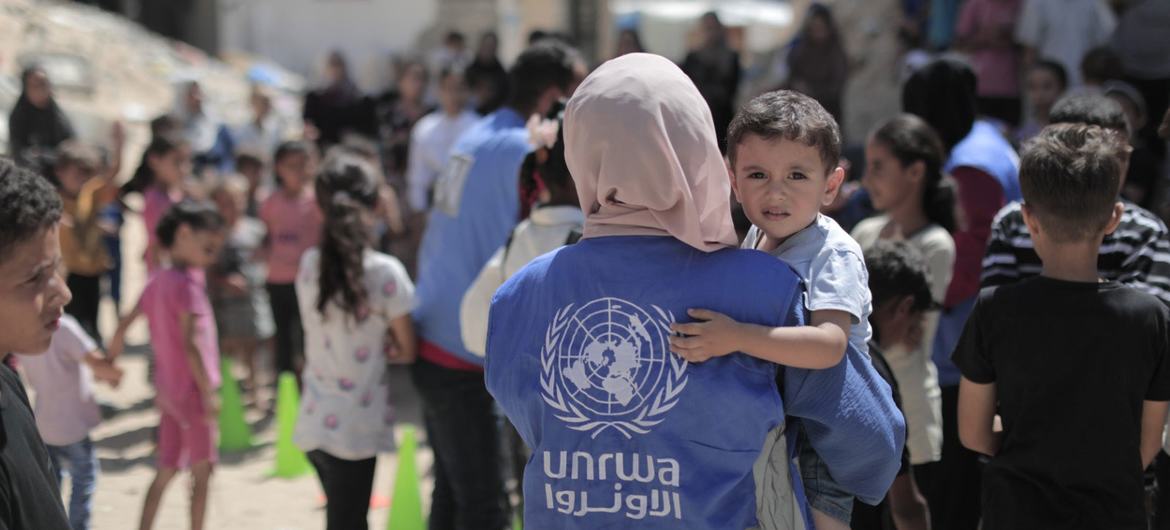
Water access, already strained before the outbreak of hostilities on October 7, has become even more limited. In June, the UN Relief and Works Agency (UNRWA) supplied drinking water to 200,000 people and cleaned water tanks serving another 70,000. The number of water distribution points at emergency shelters in Khan Younis has fallen from eleven to seven.
UNRWA has not been able to operate in northern Gaza since mid-May, and the GHF does not provide water assistance.
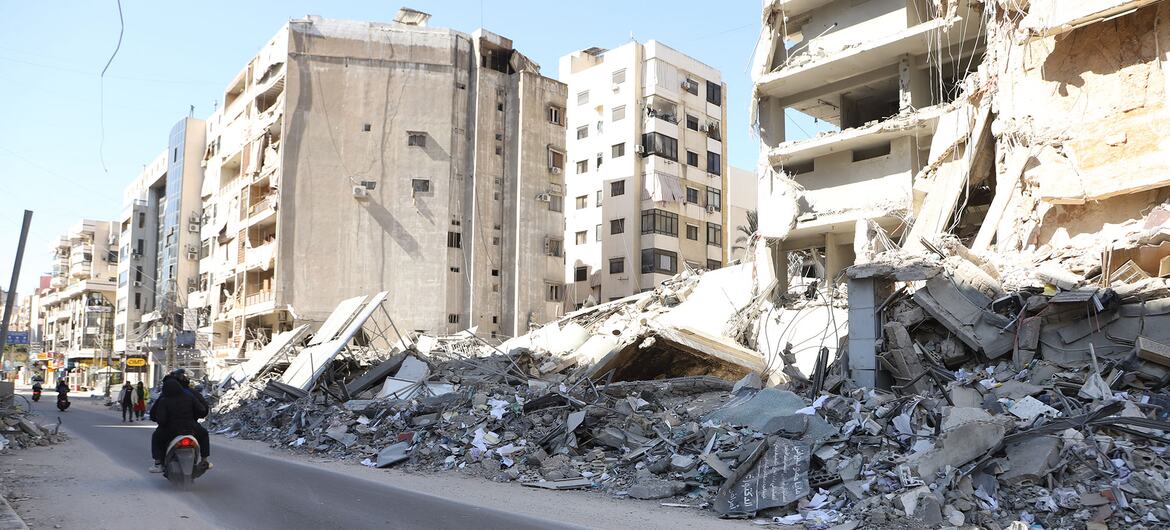
New satellite analysis from SANAD reveals that five water treatment plants in the zone earmarked by Israeli authorities for a force concentration have been completely destroyed—three before April 3 and two more since then. Despite the demolition of 24,000 buildings in Rafah, six water tanks remain standing.
UNRWA reports that waterborne diseases account for 39% of reported illnesses, highlighting the deepening humanitarian emergency.
Al Jazeera.
Words That Kill …
Officials from the United States, Iran, and Israel are using rhetoric that signals dangerous contempt for the laws of war. The civilians caught in between will pay the price.
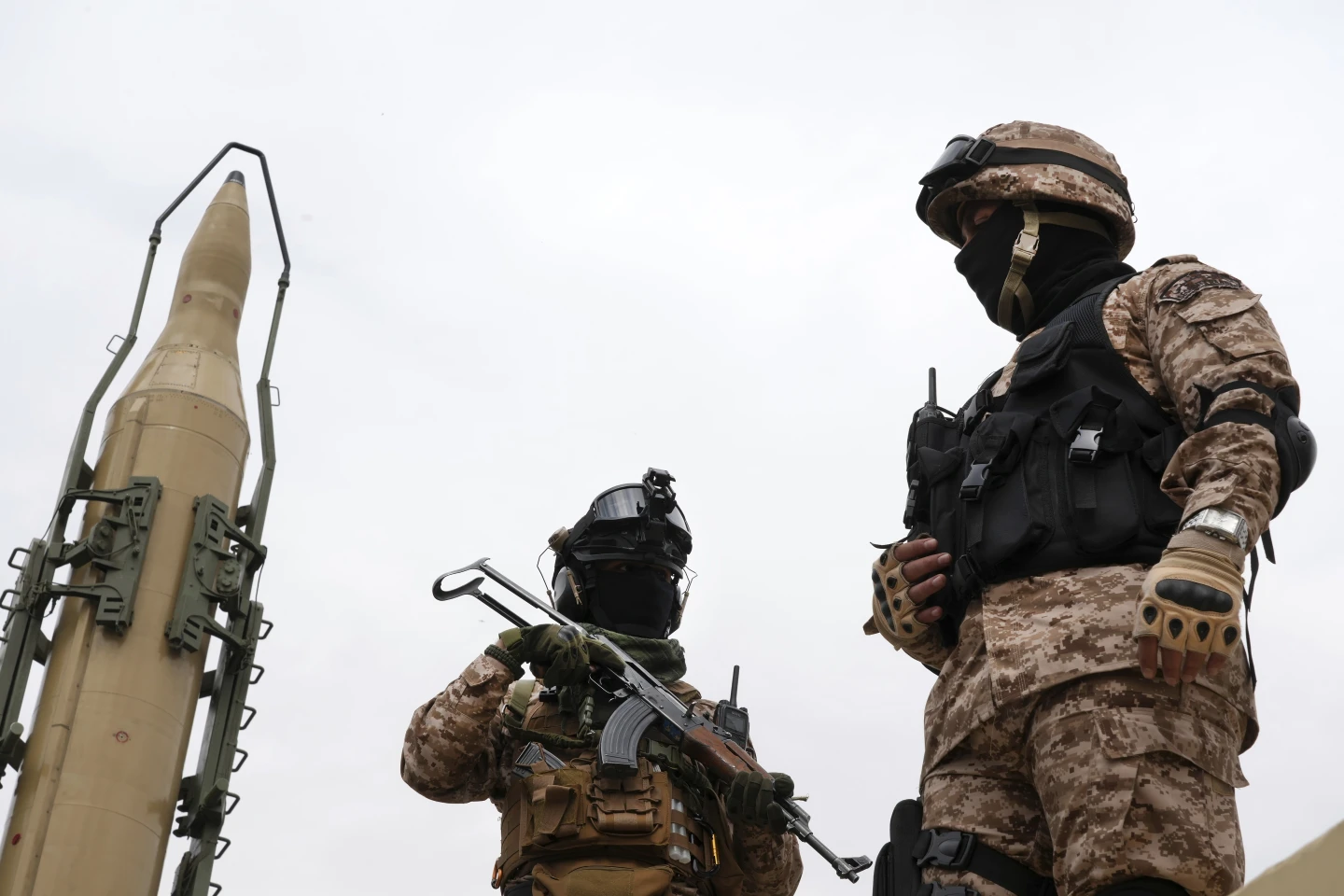
Iran War/Twelve Years Old and Fit for Duty!
Iran’s Revolutionary Guards are recruiting children as young as 12. Under international law, enlisting those under 15 is a war crime.


Our Network
Our Channels

© 2026 Al Jazeera Media Network. All rights reserved.